Mythology and legend
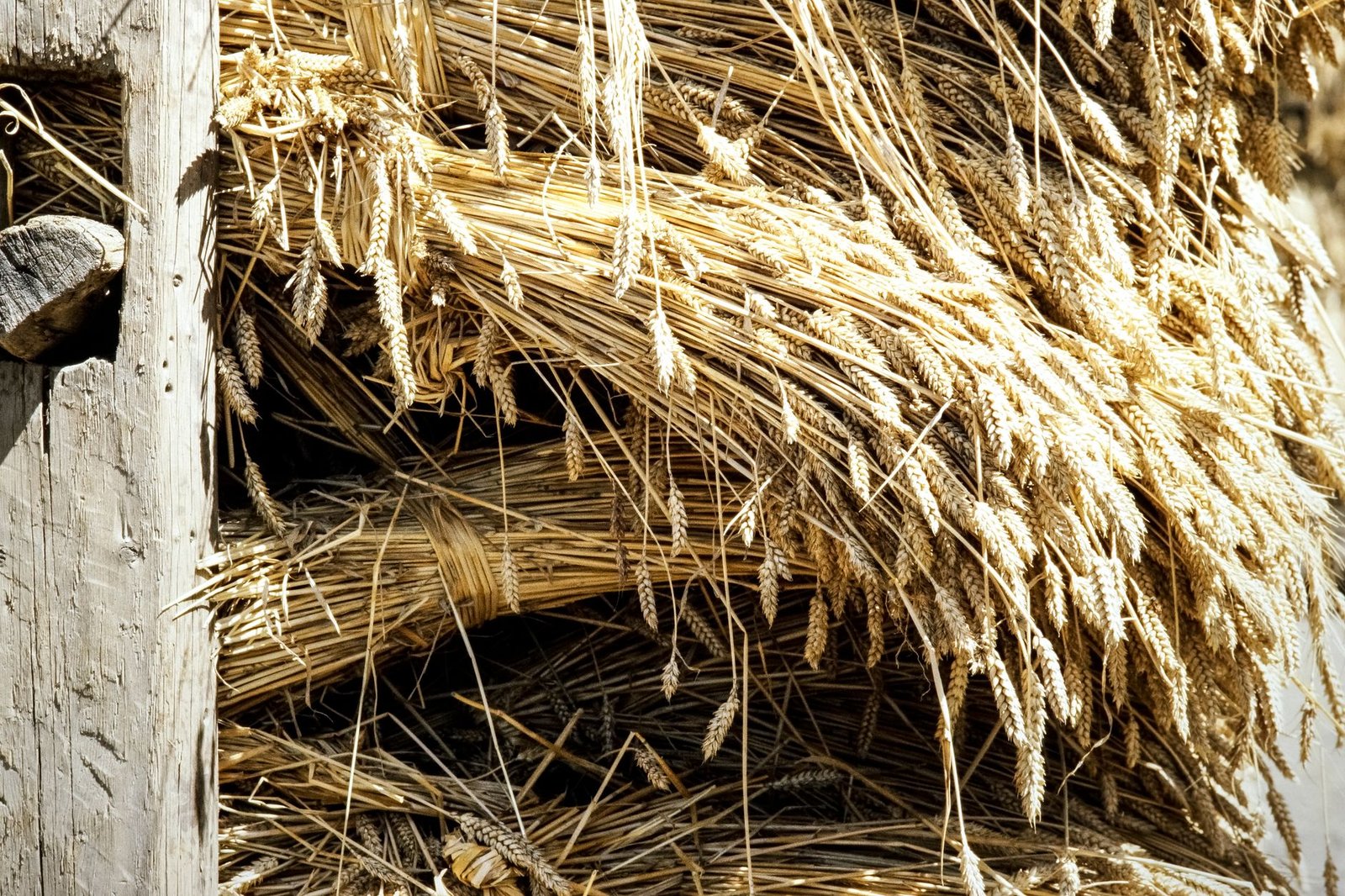
Wheat Sheaf of Ceres: Meaning, Symbolism, and History
The wheat sheaf of Ceres is a lasting symbol of Roman agriculture, embodying harvest, fertility, abundance, and the civilized order created by cultivation. Seen in ancient art, coinage, and modern heraldry, it reveals how closely grain, religion, and political stability were intertwined in the Greco-Roman world.

Fasces vs SPQR: Meaning, History, and Roman Symbols
Fasces vs SPQR is a useful comparison for understanding how ancient Rome expressed power, legitimacy, and civic identity. The fasces signified coercive magistrate authority, while SPQR—Senatus Populusque Romanus—represented the Roman state itself, a distinction that becomes especially revealing in later political and artistic reuse.

Ariadne’s Thread: Meaning, Origin, and Symbolism
Ariadnes Thread is a lasting motif from Greek mythology, referring first to the thread Ariadne gives Theseus so he can escape the Labyrinth after defeating the Minotaur. In later European culture, it came to mean any clue, guiding principle, or method that helps readers, thinkers, or investigators find their way through complexity.

Scales of Themis: Meaning, Symbolism, and Mythology
The Scales of Themis links Greek ideas of divine law, order, and impartial judgment with the enduring image of balanced scales. This article traces how Themis evolved from a Titaness of cosmic custom into a lasting symbol of justice, and why that association still shapes modern legal and cultural imagery.