Roman rituals
Boundary Stone of Terminus: Definition, History, and Uses
The **Boundary Stone of Terminus** was the Roman marker of sacred limits, linking a simple stone set in the ground with the god who guarded property lines, civic order, and lawful ownership. Its meaning reaches beyond land division alone, revealing how Romans understood boundaries as both practical markers and divinely sanctioned protections.
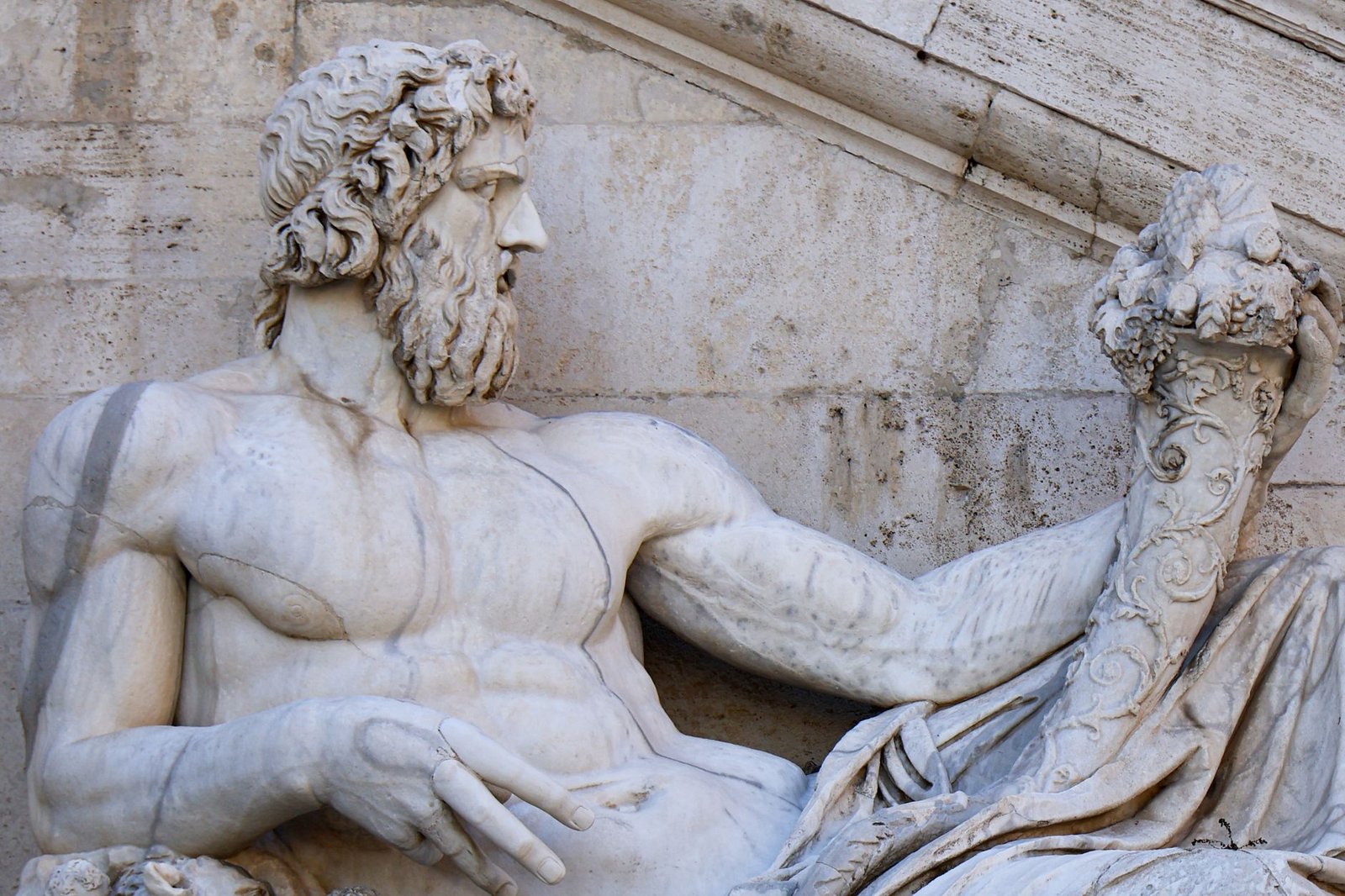
Quirinus: Roman God of War and State
Quirinus is a major yet elusive figure in Roman religion, associated with the Roman state, civic identity, armed power, and the Quirinal hill. Later equated with the deified Romulus, he may also preserve an older divine role linked to citizenship, fertility, and communal order, raising questions that continue to shape scholarly debate.
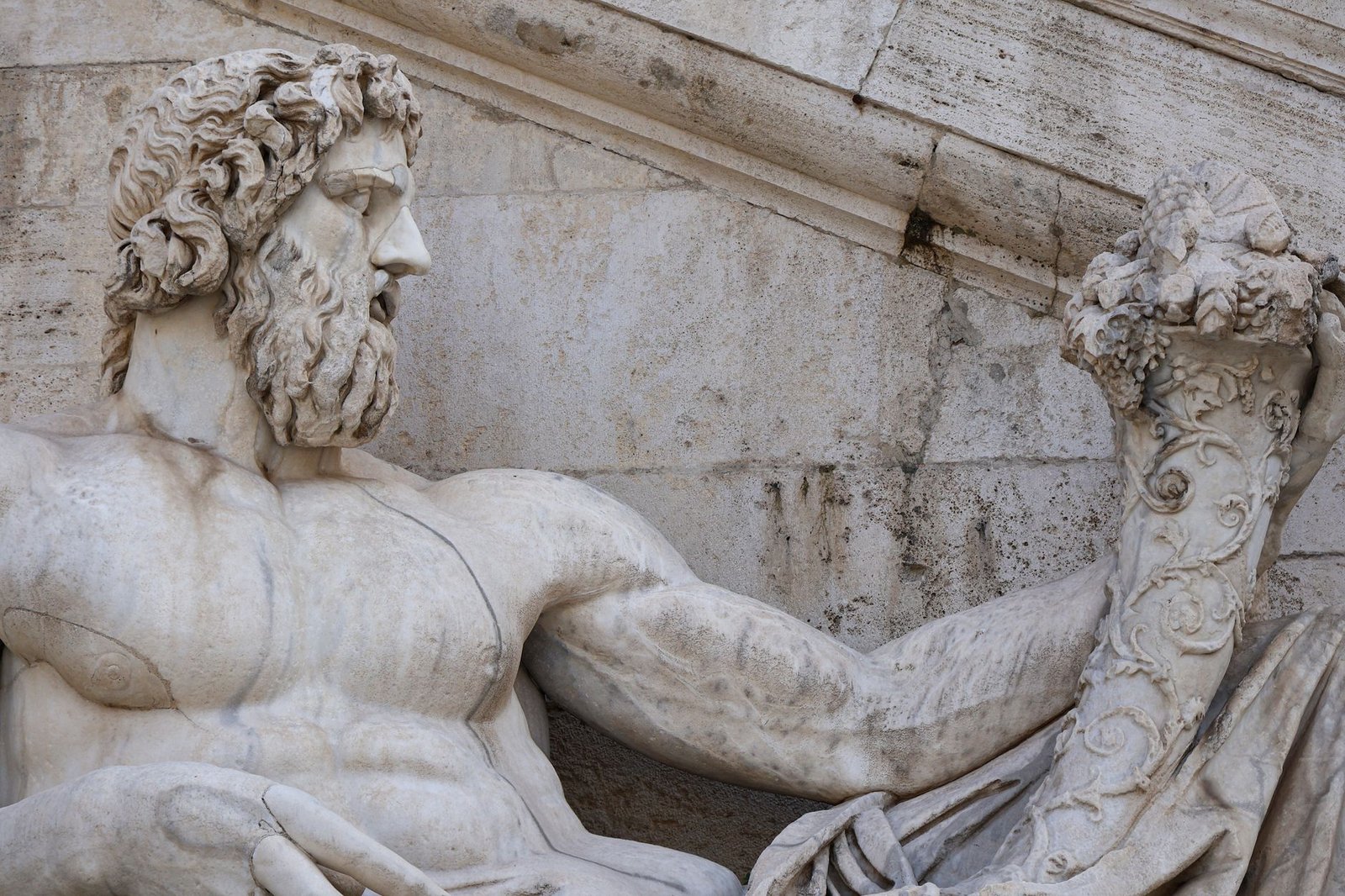
Robigus: Roman God of Rust and Wheat Disease
Robigus is a Roman deity linked to rust and crop blight, a force feared for the damage it could inflict on ripening grain and the stability of Rome’s food supply. Best known through the late-April festival of Robigalia, Robigus reveals how Roman religion addressed agricultural danger through ritual, blending protection, personification, and practical necessity in ways that still invite closer study.