Roman state religion

Difference Between Lares and Penates in Roman Religion
In Roman religion, the difference between Lares and Penates reveals two closely related but distinct forms of domestic worship: the Lares protected the home, family, and local community, while the Penates guarded the household’s provisions and prosperity. Exploring their roles, origins, and cult illuminates how Romans linked daily life, ancestral continuity, and civic identity within the intimate sphere of religion.
Juno: Roman Goddess of Marriage and Queenship
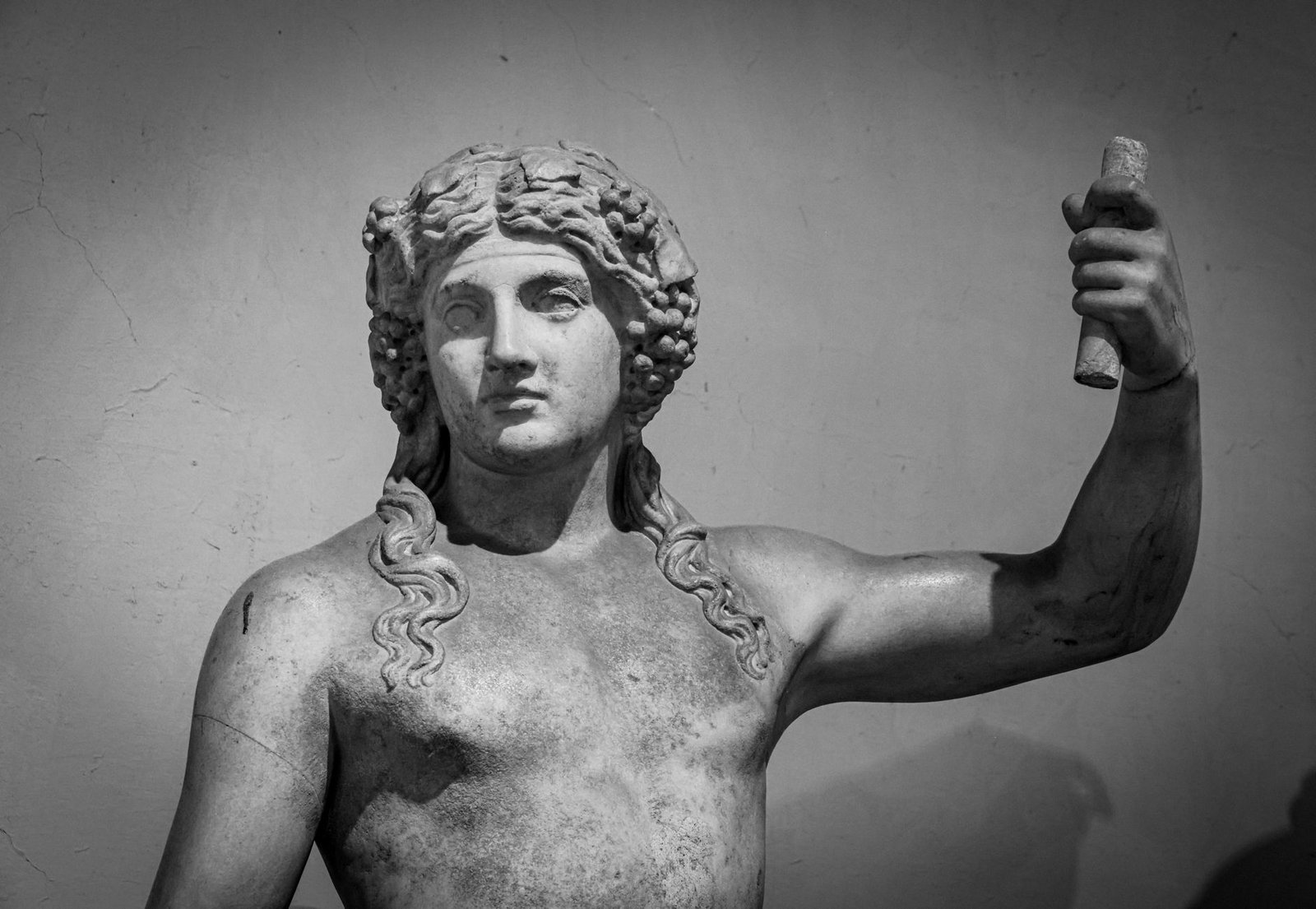
Juno is one of the most important deities in Roman religion and mythology, revered as queen of the gods, protector of marriage, and guardian of the Roman state. This article explores her ancient origins, shifting meanings, and enduring influence in Roman worship, showing how Juno united sovereignty, fertility, and female authority in one complex figure.
Mars (Roman God): Meaning, Myths, and Worship
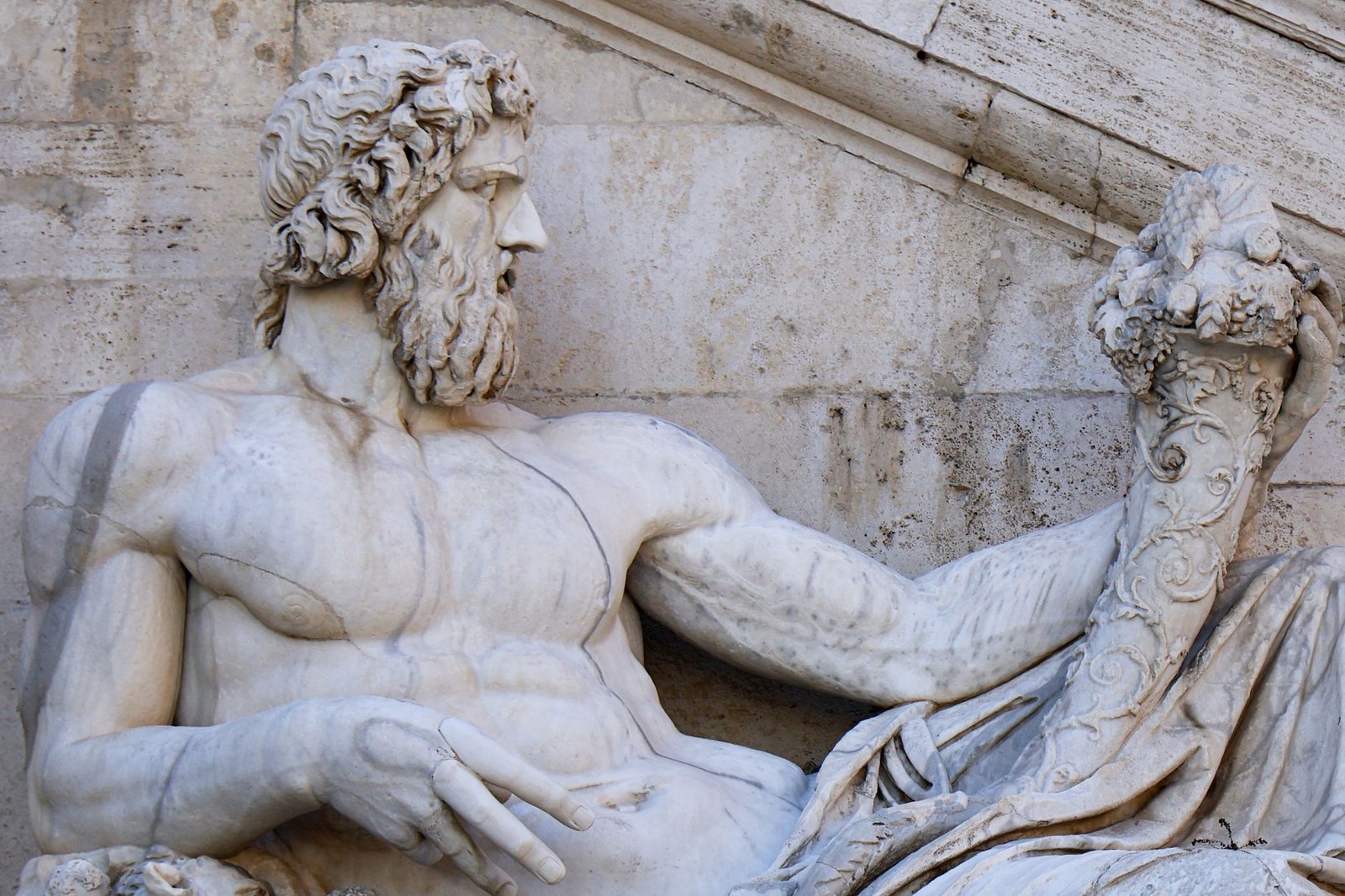
Mars (Roman god) was among the most important figures in the Roman pantheon, revered not only as a god of war but also as a protector of agriculture, civic order, and the state. His central role in Roman religion, myth, and imperial identity, from the story of Romulus and Remus to the rituals that marked the seasons and military campaigns, reveals a deity whose influence reached far beyond the battlefield.