Roman virtue
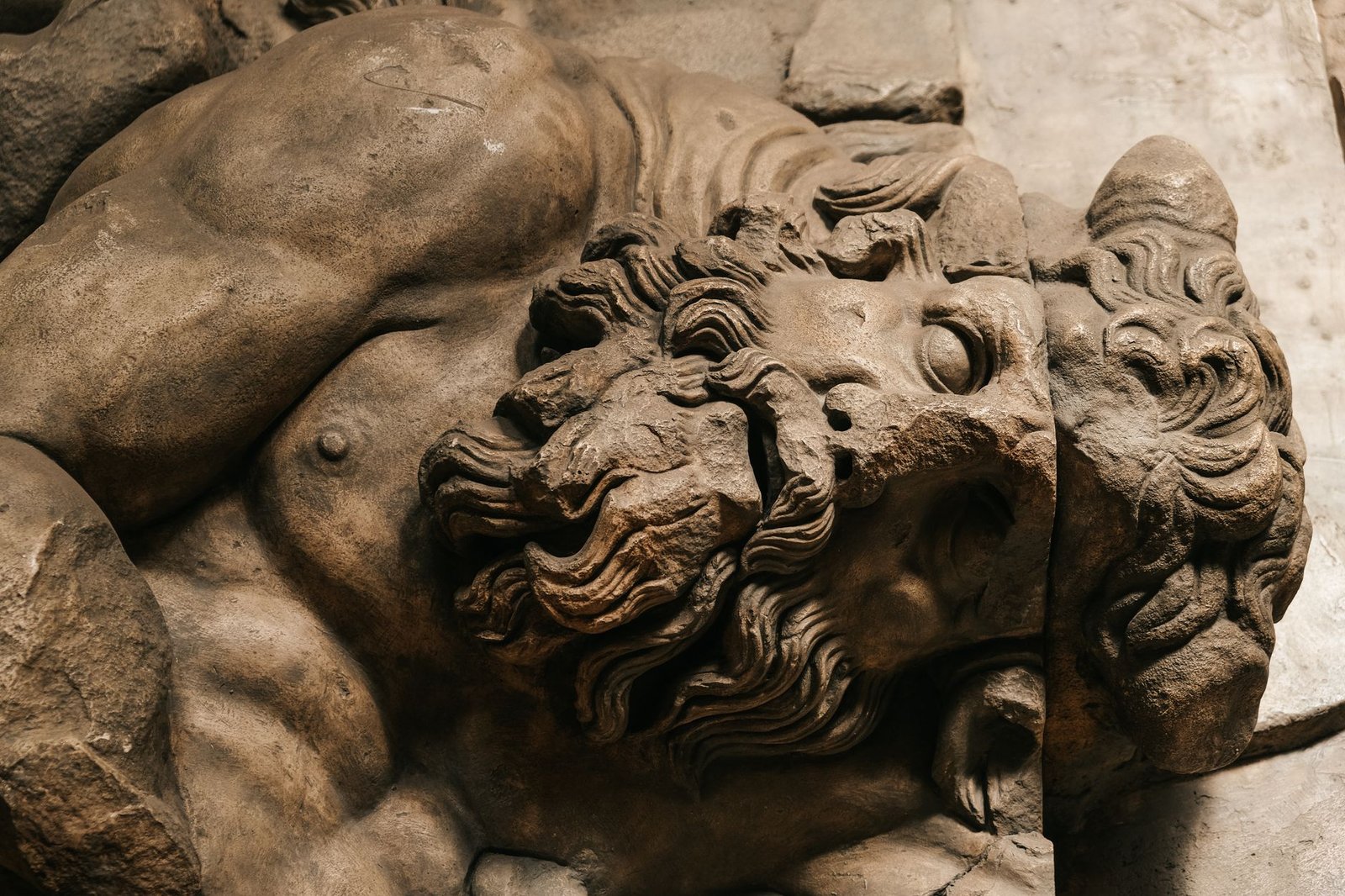
Mucius Scaevola and the Burning Hand: Roman Legend
Mucius Scaevola and the Burning Hand recounts the legendary Roman nobleman who infiltrated the camp of Lars Porsenna, failed in his assassination attempt, and then proved his resolve by holding his right hand in fire without crying out. Blending history and moral exemplum, the story explains the origin of the name Scaevola and reveals why Romans celebrated it as a lasting symbol of courage, patriotism, and self-command.

Cincinnatus and the Plow: Roman Legend and Meaning
Cincinnatus and the Plow recounts the Roman tradition of Lucius Quinctius Cincinnatus, summoned from farm work to accept emergency power, restore order, and then relinquish authority. More than a legend of military success, it became a lasting symbol of Roman civic virtue, inviting readers to consider how history turned a farmer-dictator into an enduring political ideal.