Seven Lucky Gods
Are the Seven Lucky Gods All Originally Japanese?
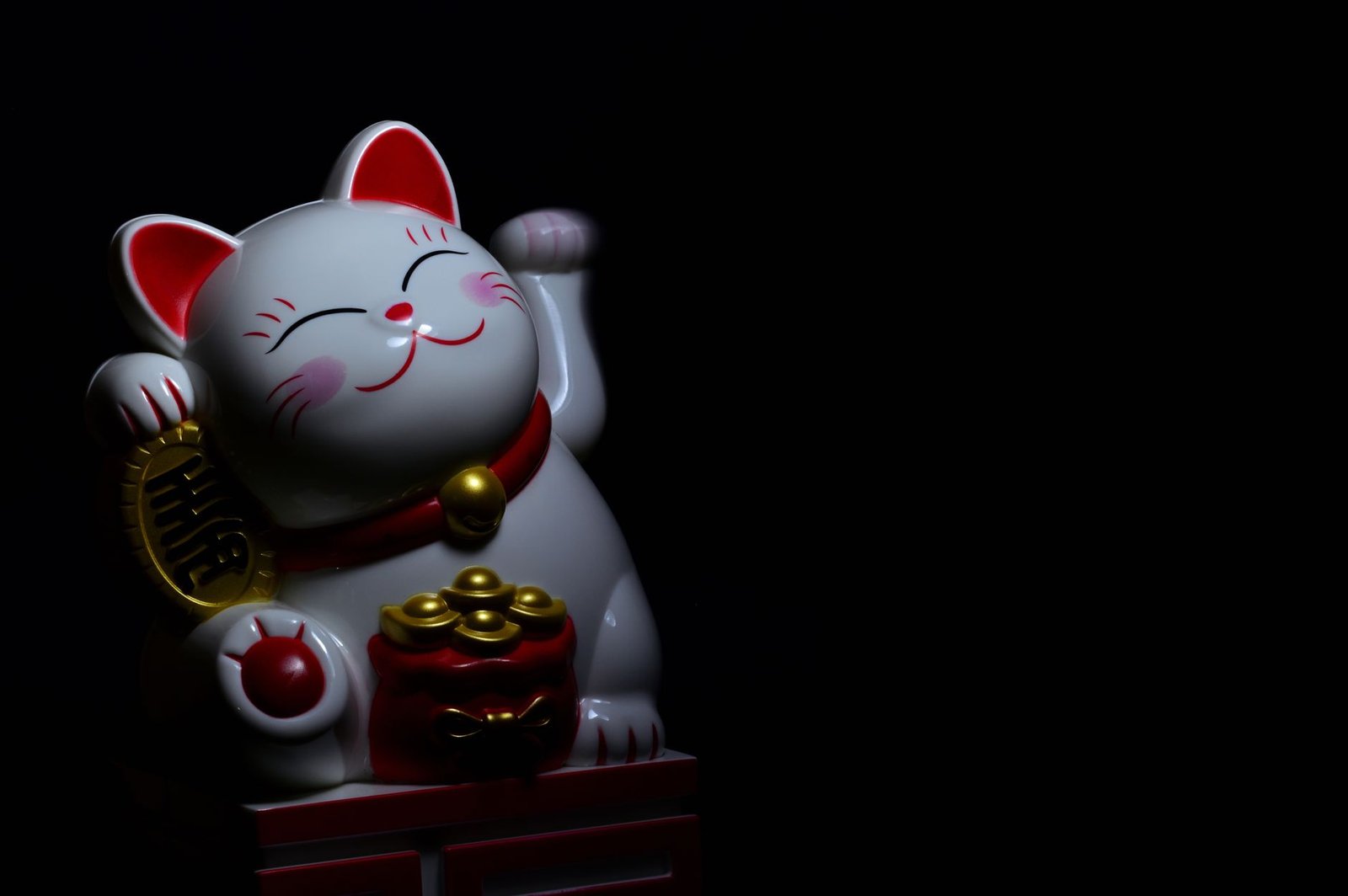
The Seven Lucky Gods, or Shichifukujin, are a familiar feature of Japanese festivals, temple visits, and New Year customs, yet they are not all originally Japanese. This article explains how these widely revered figures formed a uniquely Japanese ensemble from Japanese, Buddhist, Hindu, Chinese, and Daoist sources—and why that blend matters.
Ebisu: Japanese God of Fortune and Fishermen
Ebisu is one of Japan’s best-known deities, closely associated with prosperity, commerce, fishing, and good fortune, and easily recognized by his cheerful image with a fishing rod and sea bream. Yet behind this familiar figure lies a complex history of shifting myths, local traditions, and religious meanings that reveal how a folk god became a lasting symbol of abundance and success.
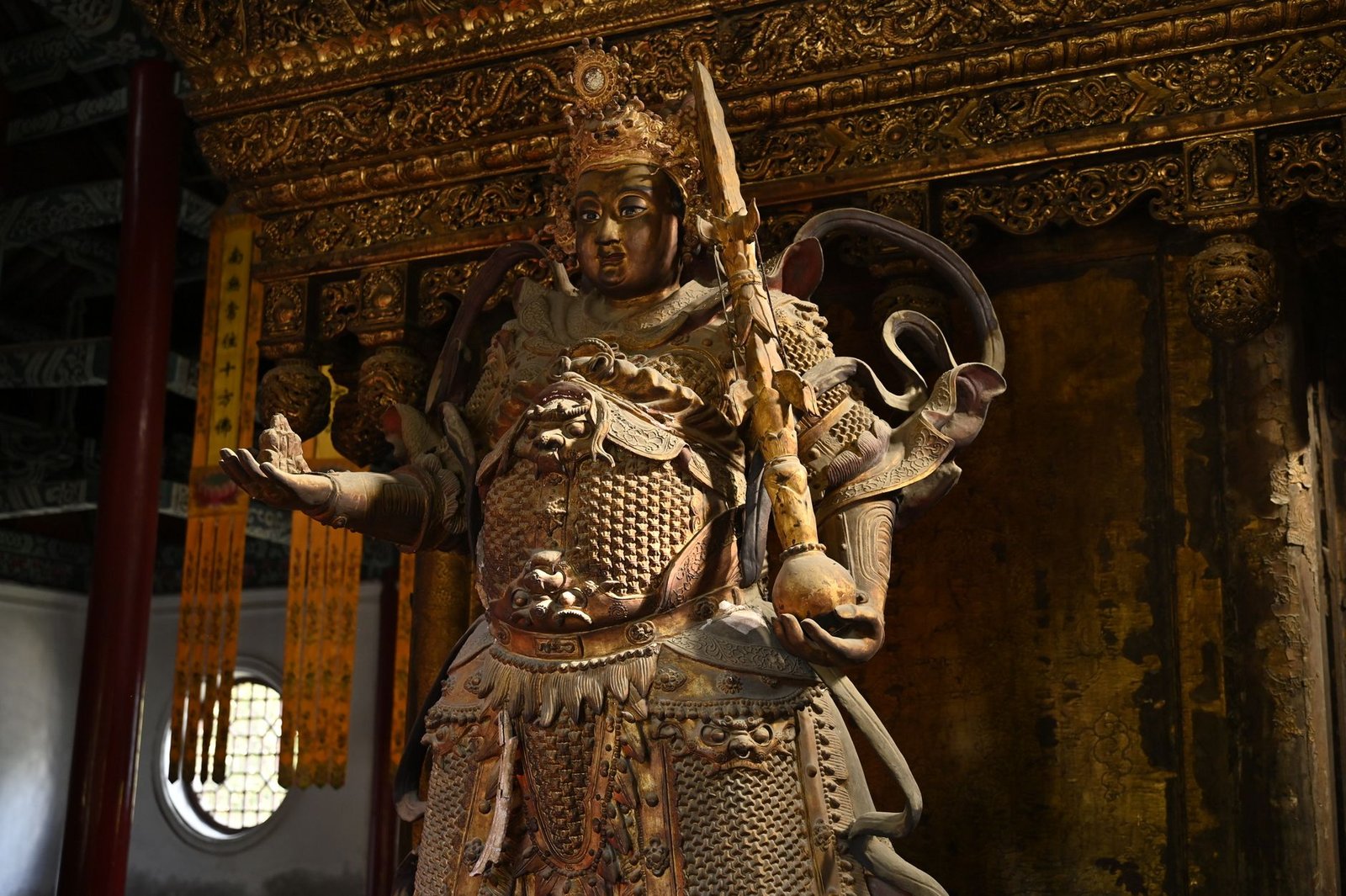
Daikokuten: Japanese God of Wealth and Fortune
Daikokuten is a major figure in Japanese religion and culture, celebrated as a bringer of wealth, household abundance, and good fortune, while also protecting kitchens, granaries, and commerce. Tracing his roots to the Indian Mahākāla, the article explores how this deity evolved in Japan, blending Buddhist, folk, and agricultural traditions into the familiar figure known today.
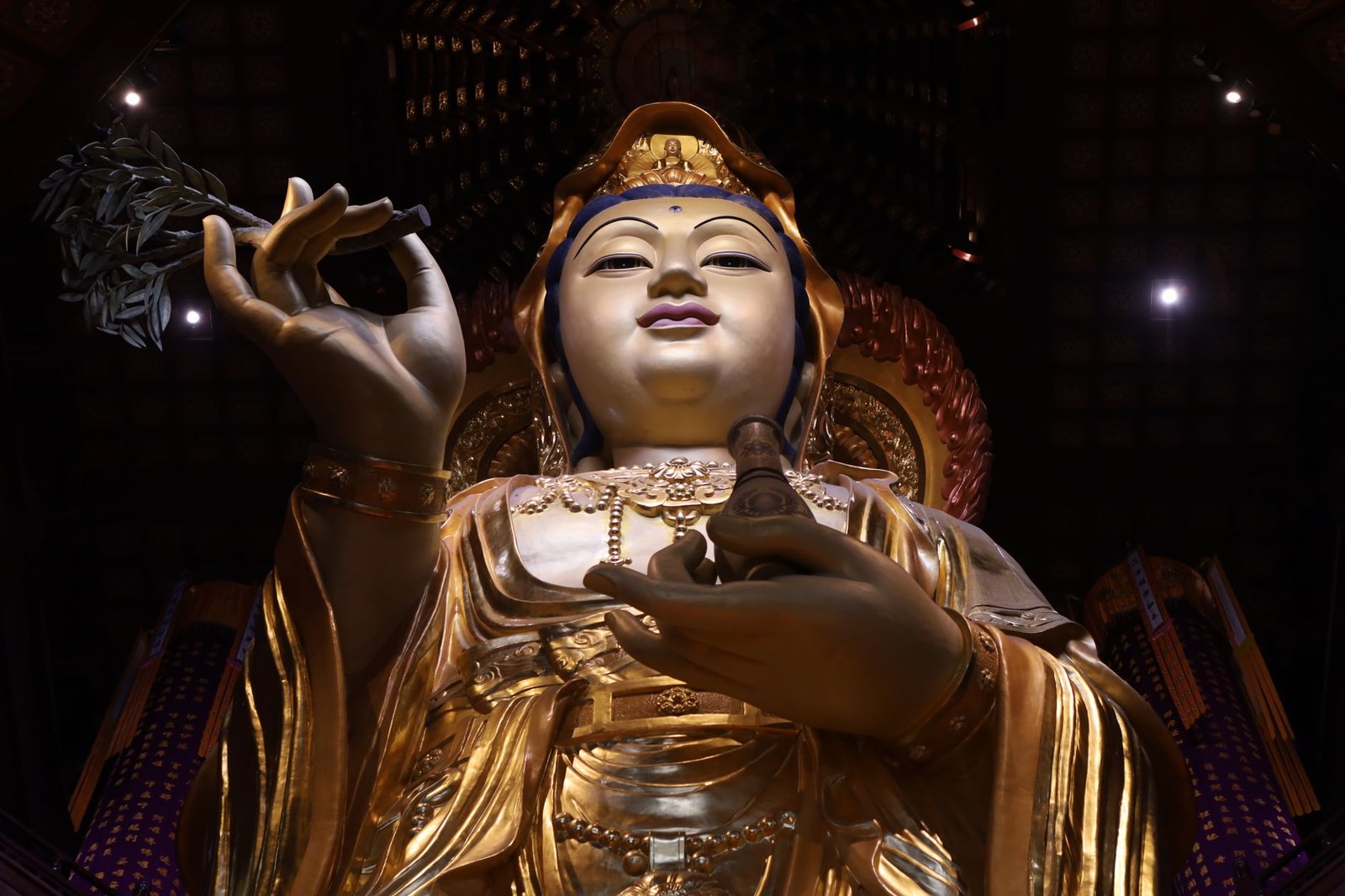
Benzaiten: Japanese Goddess of Music, Art, and Wisdom
Benzaiten is a major goddess in Japanese religion and culture, revered for eloquence, music, learning, beauty, water, and good fortune. Emerging from the Indian deity Sarasvatī and reshaped through Chinese and Japanese traditions, she appears in forms both graceful and formidable, making her history a revealing study in religious transformation.
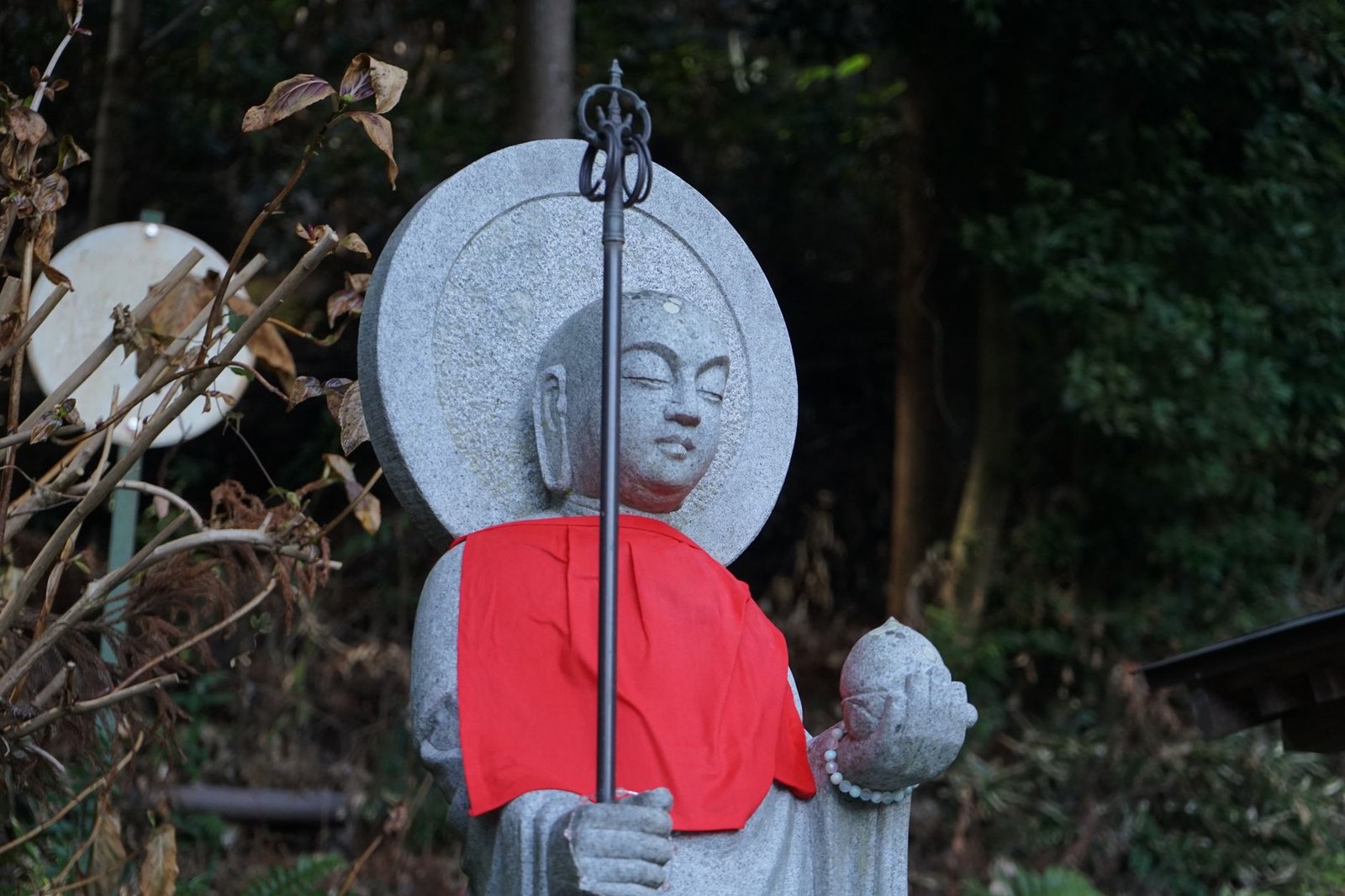
Fukurokuju: Japanese God of Wisdom and Longevity
Fukurokuju is a prominent deity in Japanese folk religion, counted among the Seven Lucky Gods and revered for longevity, wisdom, and good fortune. Blending Chinese Daoist, Japanese, and popular religious traditions, this enigmatic figure is often portrayed with a towering forehead and symbols of long life, inviting deeper exploration of his varied origins and meanings.
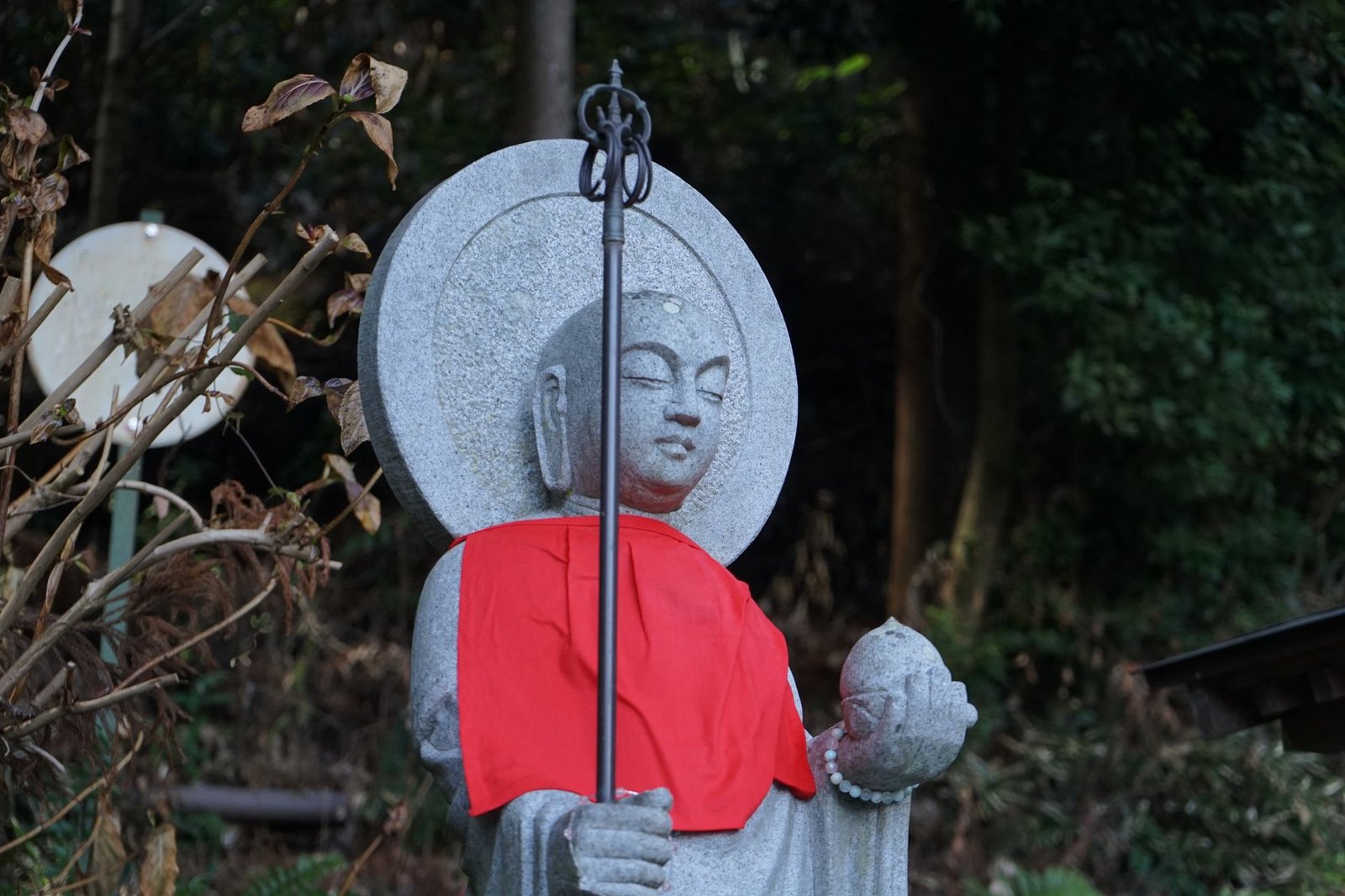
Jurojin: Japanese God of Longevity and Wisdom
Jurojin is a revered figure in Japanese folk religion and art, known as a god of longevity, wisdom, and peaceful old age. As one of the Seven Lucky Gods, his image blends Chinese longevity traditions with Japanese devotion, raising questions about how this composite deity became such a lasting symbol of auspicious living.
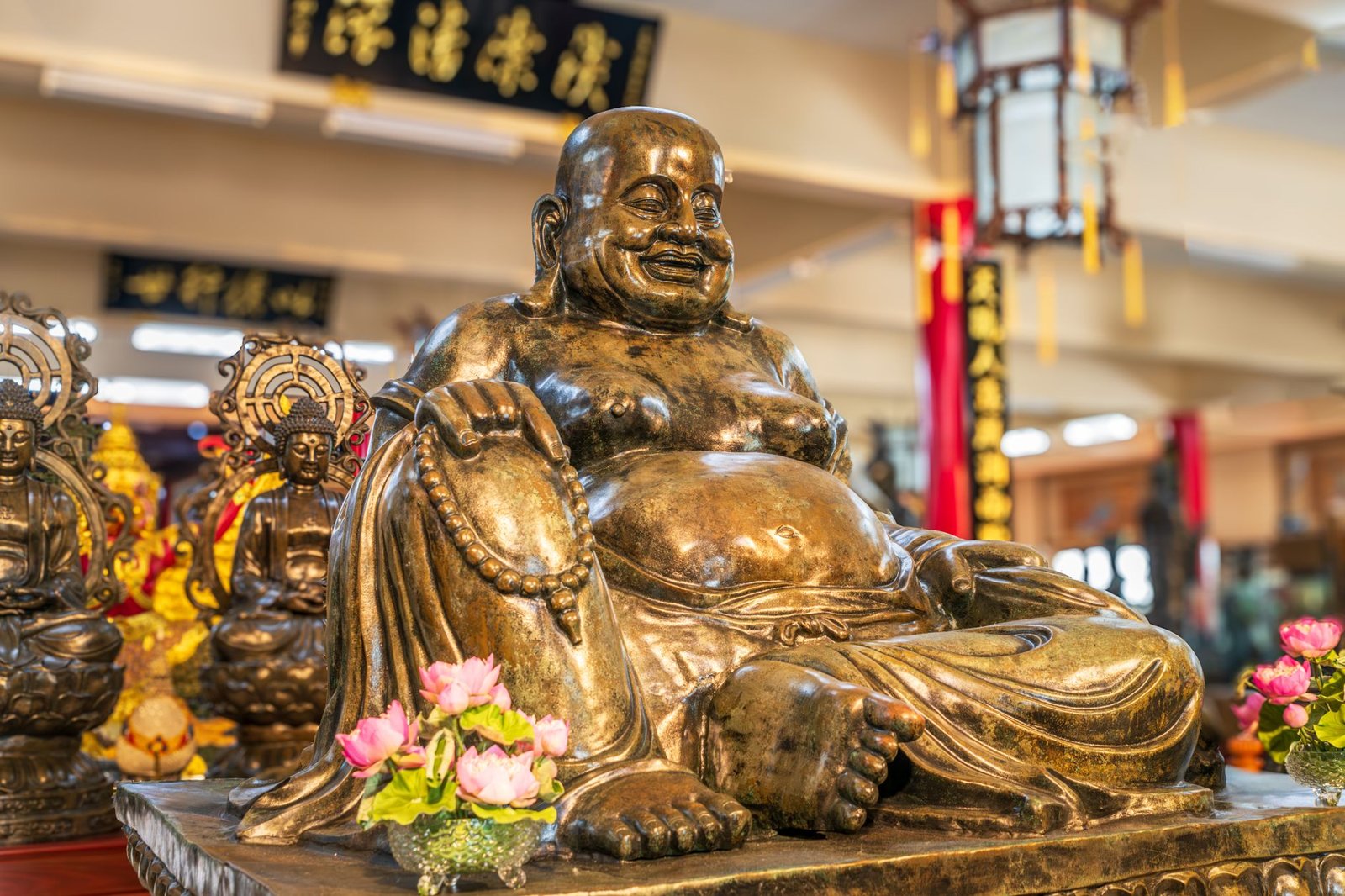
Hotei: Japanese God of Good Fortune and Folklore
Hotei, the smiling monk of Japanese tradition, symbolizes happiness, abundance, and good fortune, and is one of the Seven Lucky Gods honored in folk religion and festival culture. Rooted in the Chinese figure Budai, his image as a rotund bearer of a cloth sack reflects a rich blend of Buddhist history, popular devotion, and enduring cultural symbolism.
Bishamonten: Japanese God of War and Fortune
Bishamonten is a central figure in Japanese religious tradition, revered as a guardian deity of war, protection, wealth, and prosperity, and counted among the Seven Lucky Gods. Tracing his origins from Indian and Chinese Buddhism to his distinct role in Japan, this article explores how Bishamonten became both a formidable protector of the Buddhist law and a symbol of fortune.

Japanese Gods and Goddesses: The Complete Guide
Shinto tradition speaks of Yaoyorozu no Kami, or “eight million gods,” reflecting a worldview in which sacred spirits inhabit nature, ...