Shinto beliefs

Okuninushi and the White Hare of Inaba: Japanese Mythology
Okuninushi and the White Hare of Inaba is a foundational Japanese myth that appears in the Kojiki and other early sources, where a compassionate deity aids an injured hare in Inaba. The episode reveals Ōkuninushi’s character before his rise as a major kami and opens a wider story of rivalry, healing, and divine favor.

The Transfer of the Land (Kuni-Yuzuri): Japanese Mythology
The Transfer of the Land (*Kuni-yuzuri*) is a foundational episode in Japanese mythology, recounting how rule of the earthly realm passed from Ōkuninushi’s descendants to the heavenly gods led by Takemikazuchi. Preserved in the *Kojiki* and *Nihon Shoki*, the myth reveals how early Japan linked political authority, divine legitimacy, and imperial ancestry in a single narrative.

Ninigi’s Descent to Earth: Japanese Mythology Explained
Ninigis descent to Earth, or Tenson kōrin, recounts how the divine grandson of Amaterasu left Takama-ga-hara to rule Kushifuru in southern Kyushu, linking Japan’s imperial line to the gods. Preserved in the Kojiki and Nihon Shoki, the myth explains the sacred origins of sovereignty and invites closer reading of its symbols, meanings, and political role.

Toyotama-Hime’s True Form: Myth, Meaning, and Origins
Toyotama-himes true form revealed in the *Kojiki* marks one of Japanese mythology’s most striking moments, when the sea god’s daughter—wife of Hoori and mother of an imperial ancestor—gives birth and her hidden identity as a wani comes to light. This episode invites closer reading of divine marriage, taboo, and transformation, while raising enduring questions about how ancient texts imagined the boundary between human and sea-born life.

Yamato Takeru: Legendary Conquests and Heroic Legends
Yamato Takerus Legendary Conquests trace the exploits of a heroic prince whose battles against rival clans, daring journeys, and sacred death helped shape Japan’s earliest ideals of kingship and valor. Drawing on the *Kojiki* and *Nihon Shoki*, the legend reveals how myth, politics, and religion intertwined in the formation of imperial memory.

Urashima Taro: Japanese Folktale and Legend
Urashima Tarō is a classic figure in Japanese folklore whose story follows a fisherman invited to an underwater palace, only to return and discover that centuries have passed. Blending wonder, taboo, and Buddhist ideas of impermanence, the tale reveals how a brief journey can expose the fragile boundary between human time and the supernatural.

Difference Between Japanese Mythology and Folktales
The difference between mythology and later folktales in Japan lies in their purpose, setting, and historical context: mythology in texts like the *Kojiki* explains divine origins and imperial legitimacy, while folktales reflect everyday life, local beliefs, and moral lessons. Exploring how these traditions overlap and diverge reveals how sacred narrative evolved into popular storytelling, and why the distinction remains essential to Japanese cultural history.
Yamata no Orochi: Japanese Eight-Headed Serpent Myth
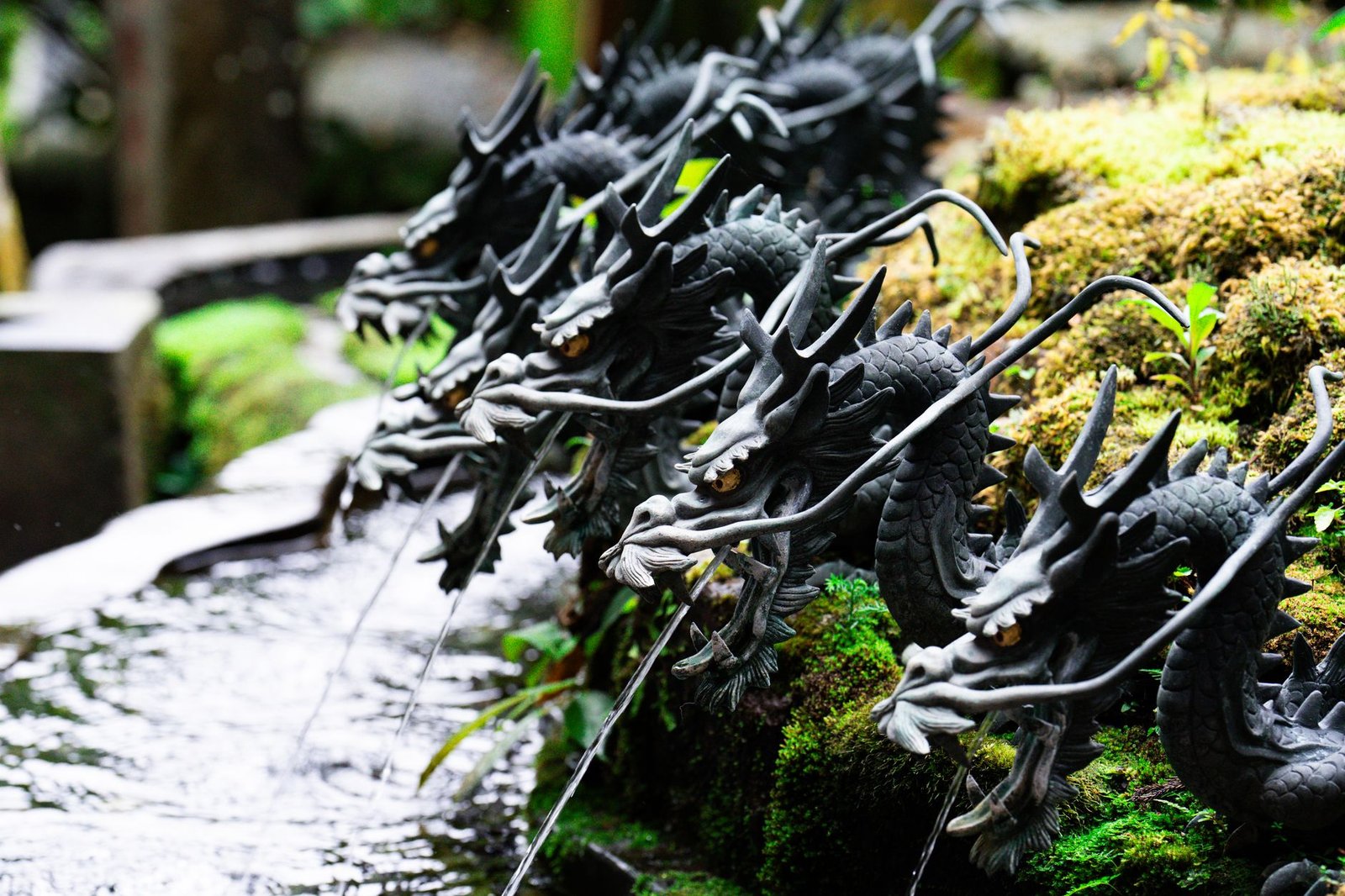
Yamata no Orochi is the legendary eight-headed serpent of Japanese mythology, best known from the *Kojiki* and *Nihon Shoki*, where the storm god Susanoo defeats it and gains the sacred sword Kusanagi-no-Tsurugi. Its myth links divine combat, ritual sacrifice, and royal legitimacy, revealing why this fearsome creature has remained central to Japanese religious tradition and cultural imagination.

Tanuki: Japanese Raccoon Dog Facts and Folklore
The tanuki, or Japanese raccoon dog, is both a real animal and a celebrated figure in Japanese folklore, where it appears as a shape-shifting yōkai linked to mischief, illusion, prosperity, and good fortune. Tracing its roles in myth, temple lore, art, and popular culture reveals how this playful creature became one of Japan’s most enduring symbolic images.
Kappa: Definition, Origin, and Cultural Meaning
The kappa is a central figure in Japanese folklore, a river spirit linked to ponds, streams, and canals, where it is portrayed as both playful and perilous. This article explores its historical names, cultural meanings, and enduring presence in stories, festivals, and modern media, revealing why this water creature still shapes Japanese imagination.