Vestal Virgins

Sacred Fire of Vesta: Ancient Roman Religious Tradition
The Sacred Fire of Vesta was the perpetual flame guarded in Rome’s temple of the goddess Vesta, where the Vestal Virgins maintained a living symbol of the city’s continuity, security, and divine favor. This article traces its ancient origins, religious meaning, and political importance, showing why its extinguishing was feared as an ominous sign and how it shaped Roman identity.

Palladium of Vesta: Meaning, History, and Symbolism
The Palladium of Vesta refers to a complex Roman religious idea linking the protective Palladium with Vesta’s sacred hearth and eternal flame, symbols of a city’s divine security. Often discussed in antiquarian and mythological studies, it invites closer examination of how Romans understood ritual objects, civic identity, and the survival of Troy’s legacy in Rome.
Vesta: Roman Goddess of the Hearth and Home
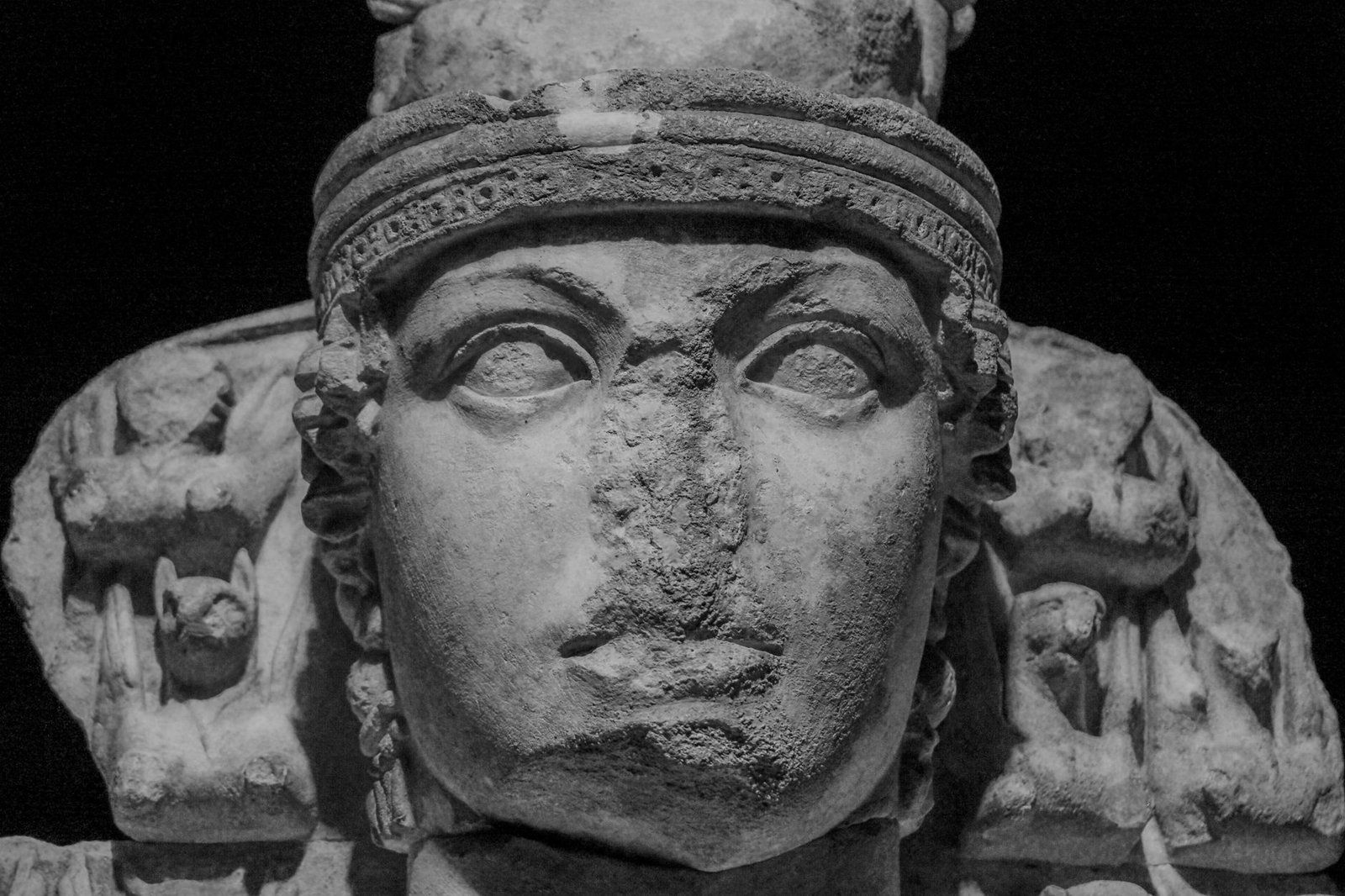
Vesta was the Roman goddess of the hearth, the home, and the sacred fire, embodying the continuity that linked domestic life with the stability of the state. This article explores her ancient cult, the revered Vestal Virgins, and the ways Vesta’s ritual presence shaped Roman religion, offering insight into a deity whose quiet significance reveals much about public and private piety in Rome.