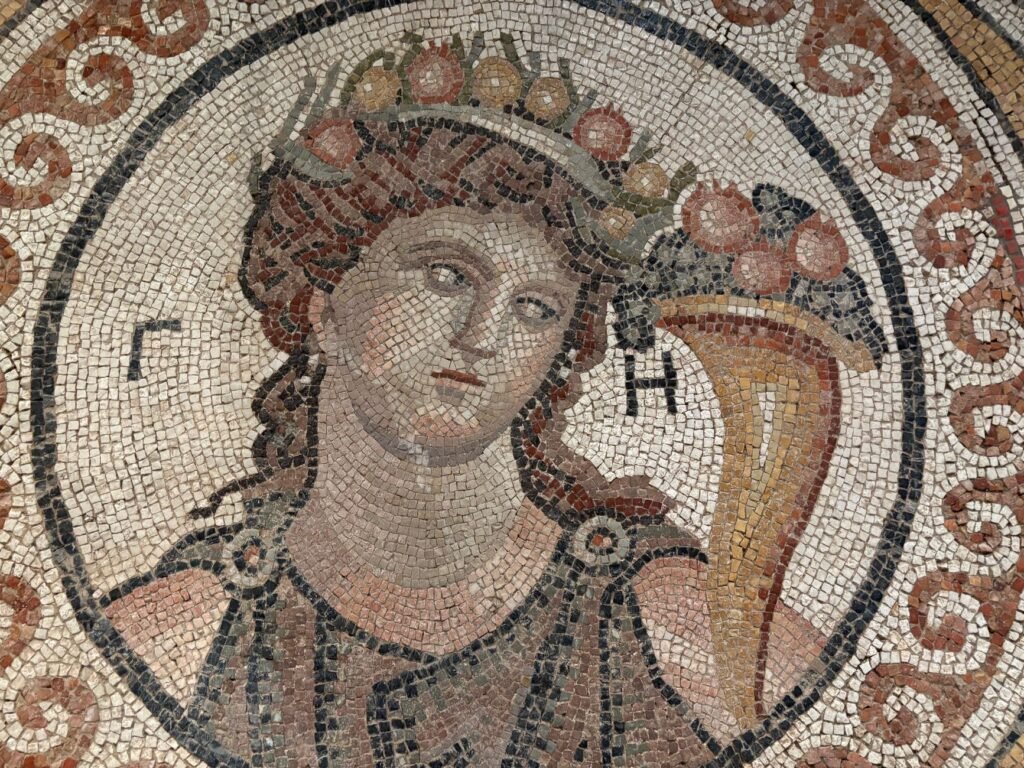
What Is the Cornucopia in Greek Mythology?
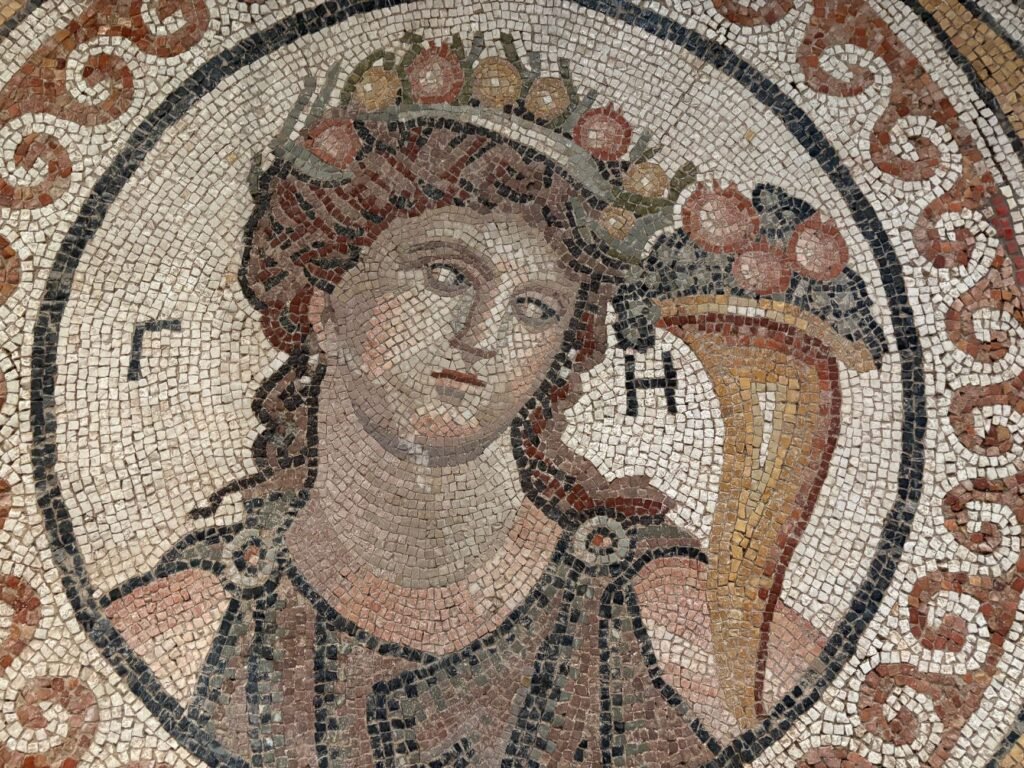
The cornucopia is one of the most recognizable symbols of abundance in the ancient world. Often pictured as a curved horn overflowing with fruit, grain, flowers, and other harvest gifts, it represents prosperity, nourishment, and endless plenty. But what is the cornucopia in Greek mythology, and where did this powerful image come from?
In Greek myth, the cornucopia is known as the “horn of plenty.” Its story connects to gods, divine animals, heroic myths, and the ancient belief that nature could provide limitless blessings when honored properly.
The Meaning of the Cornucopia
The word cornucopia comes from Latin:
- cornu meaning “horn”
- copia meaning “abundance” or “plenty”
Together, the term means “horn of plenty.” Although the word itself is Latin, the idea is deeply rooted in Greek mythology and religious symbolism.
In art and literature, the cornucopia is usually shown as a hollow horn filled with the riches of the earth. These might include grapes, apples, wheat, figs, nuts, and flowers. It became a visual symbol of good fortune, fertility, harvest, and wealth.
The Cornucopia and the Infant Zeus
One of the most famous origin stories of the cornucopia involves Zeus, the king of the Greek gods.
According to myth, Zeus was hidden as a baby on the island of Crete to protect him from his father, Cronus. Cronus had swallowed his previous children because of a prophecy that one of them would overthrow him. To save Zeus, his mother Rhea secretly gave birth to him and left him in the care of divine protectors.
In one version of the story, Zeus was nourished by a magical goat named Amalthea. She fed him with her milk while he grew strong in secret. One day, Zeus accidentally broke off one of Amalthea’s horns. To repay her, he blessed the horn with the power to provide endless food and drink.
This blessed horn became the cornucopia: a symbol of divine generosity and unlimited nourishment.
Who Was Amalthea?
Amalthea appears in different forms depending on the version of the myth. Sometimes she is a goat, and sometimes she is a nymph who owns or cares for the goat. In either case, she plays an important role in protecting and feeding the infant Zeus.
Because Zeus later became ruler of Olympus, Amalthea’s care had cosmic importance. Her horn became a reminder that the survival of the gods depended on nourishment, protection, and the hidden gifts of nature.
The Cornucopia and Heracles
Another myth connects the cornucopia to Heracles, known in Roman tradition as Hercules.
In this story, Heracles wrestles the river god Achelous. Achelous was competing with Heracles for the hand of Deianira, and during their struggle, the river god transformed into different shapes, including a bull. Heracles managed to break off one of Achelous’s horns.
Achelous later exchanged the broken horn for the horn of Amalthea, or in some versions, the broken horn itself became a cornucopia. Because river gods were associated with fertility, flowing water, and rich land, the horn naturally became linked with abundance.
This version highlights a different side of the cornucopia. It is not only a gift of nourishment but also a prize won through strength, struggle, and transformation.
What the Cornucopia Symbolized in Ancient Greece
The cornucopia was more than a mythological object. It carried rich symbolic meaning in Greek culture.
Abundance and Prosperity
Most importantly, the cornucopia represented abundance. It suggested that the earth could provide enough food, wealth, and resources for human life to flourish.
This made it a common symbol in agricultural societies, where harvests determined survival. A full horn meant a successful season, full granaries, and security for the community.
Fertility and Nature
The cornucopia was also tied to fertility. Its overflowing contents symbolized growth, reproduction, and the life-giving power of the natural world.
Because of this, it was often connected with deities associated with the earth, harvest, and nourishment.
Divine Blessing
In Greek mythology, abundance was often seen as a gift from the gods. The cornucopia showed that prosperity came from divine favor. Whether linked to Zeus, Amalthea, Achelous, or agricultural deities, the horn suggested a sacred source of plenty.
Gods and Figures Associated With the Cornucopia
Several mythological figures were shown with the cornucopia in ancient art.
Demeter
Demeter, goddess of agriculture and grain, was naturally associated with the cornucopia. As the deity who governed the harvest, she represented the food that sustained human civilization.
When shown with a cornucopia, Demeter embodied the earth’s power to feed people.
Tyche
Tyche, the goddess of fortune and chance, was also frequently pictured holding a cornucopia. In this context, the horn represented luck, wealth, and the unpredictable gifts of fate.
A city blessed by Tyche might be imagined as prosperous and protected.
Plutus
Plutus, the god of wealth, sometimes appeared with a cornucopia as well. His connection emphasized material prosperity and the riches that come from fertile land.
The Cornucopia in Greek Art
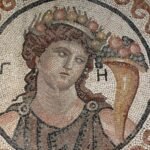
The cornucopia appeared often in ancient Greek and later Roman art. It could be found in sculptures, mosaics, pottery, coins, and temple decorations.
Artists used it as a visual shortcut for plenty. A figure holding a cornucopia was immediately understood to be connected with prosperity, harvest, or divine blessing.
The Romans later adopted the symbol widely, and it became common throughout the Mediterranean world. Over time, the cornucopia moved beyond mythology and became a general emblem of abundance.
Why the Cornucopia Still Matters Today
Today, many people recognize the cornucopia from harvest festivals, Thanksgiving decorations, and seasonal imagery. It is often displayed as a woven horn-shaped basket filled with pumpkins, corn, apples, and autumn leaves.
Although modern uses may not always refer directly to Greek mythology, the meaning remains similar. The cornucopia still represents gratitude, plenty, and the gifts of the earth.
Its lasting power comes from a simple but universal idea: abundance is something to celebrate.
Conclusion
So, what is the cornucopia in Greek mythology? It is the legendary horn of plenty, a magical symbol of nourishment, prosperity, fertility, and divine blessing. Whether traced to the goat Amalthea who fed the infant Zeus or to the river god Achelous defeated by Heracles, the cornucopia carries a rich mythological history.
From ancient Greek religion to modern harvest celebrations, the cornucopia has remained a powerful image of life’s abundance. It reminds us of the deep connection between myth, nature, and gratitude for the resources that sustain us.

Orin Vale has spent the better part of two decades tracing the threads that connect the world’s oldest stories — from the halls of Asgard to the banks of the Nile, from Olympus to the jungles of the Maya. What began as a childhood fascination with flood myths and trickster gods grew into years of independent study across comparative mythology and ancient religion, always chasing the same question: what did these stories mean to the people who first told them? Orin writes for readers who want more than trivia — the ones looking for the beliefs, fears, and truths that myths were built to carry.