Greek gods
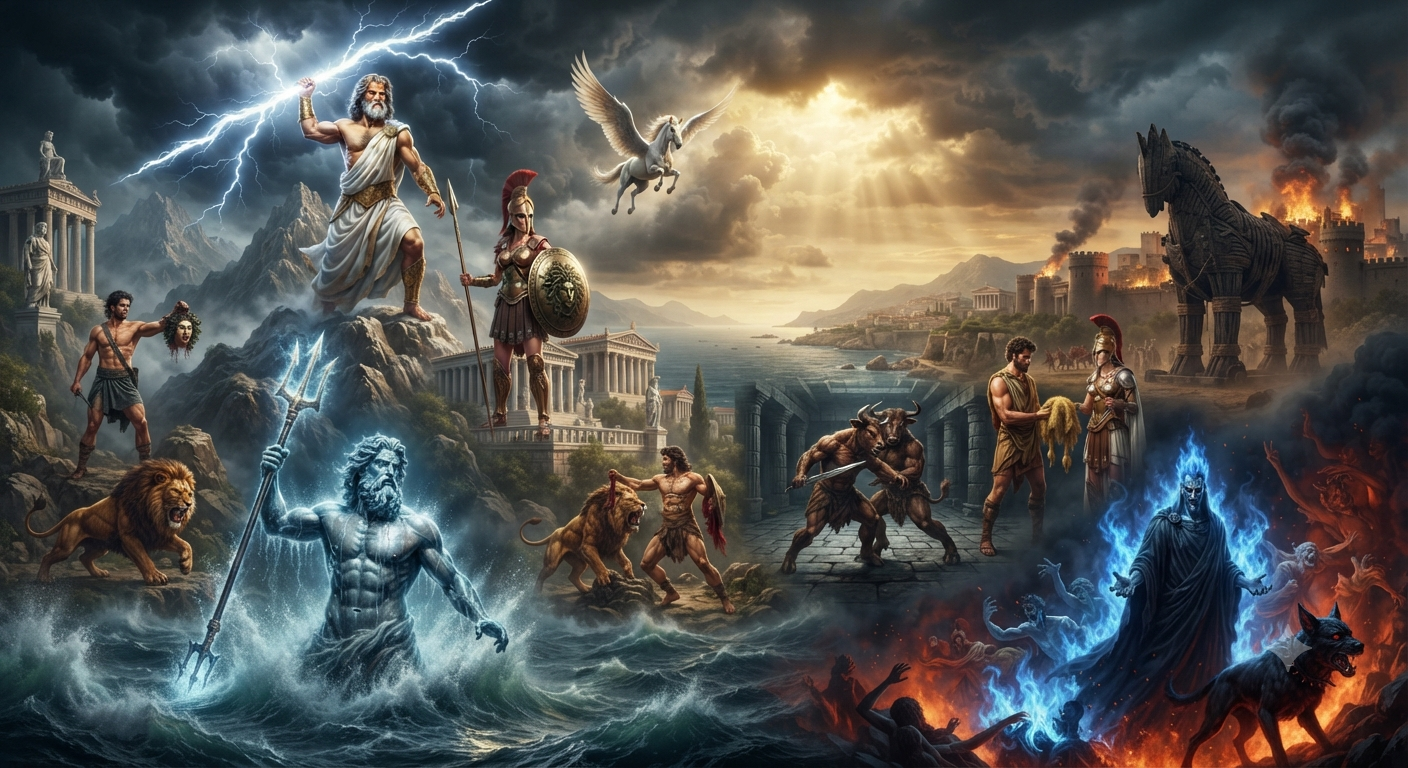
Greek Myths and Legends: The Complete Guide
Greek mythology is built not only from its gods and monsters but from the stories that connect them — tales ...

Who Is Poseidon in Greek Mythology? God of the Sea
Poseidon in Greek mythology was far more than the god of the sea—he was a powerful Olympian who ruled storms, earthquakes, horses, and the unpredictable forces of nature. His myths reveal a deity who could protect, punish, and command awe across the ancient Greek world.
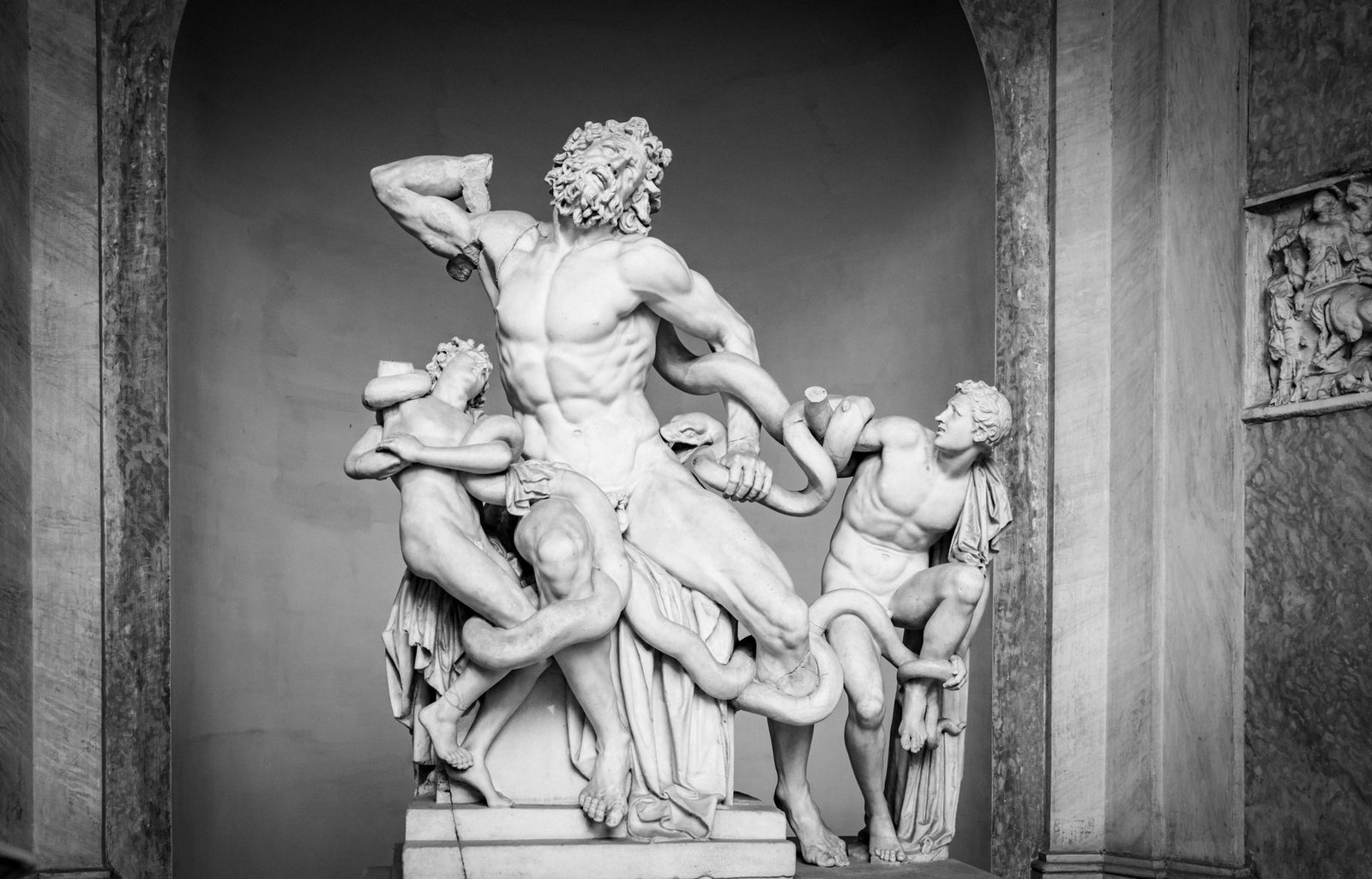
Who Is Hades in Greek Mythology? God of the Underworld
Discover the true role of Hades in Greek mythology, a powerful god often misunderstood as evil but deeply respected as ruler of the Underworld and guardian of the dead.
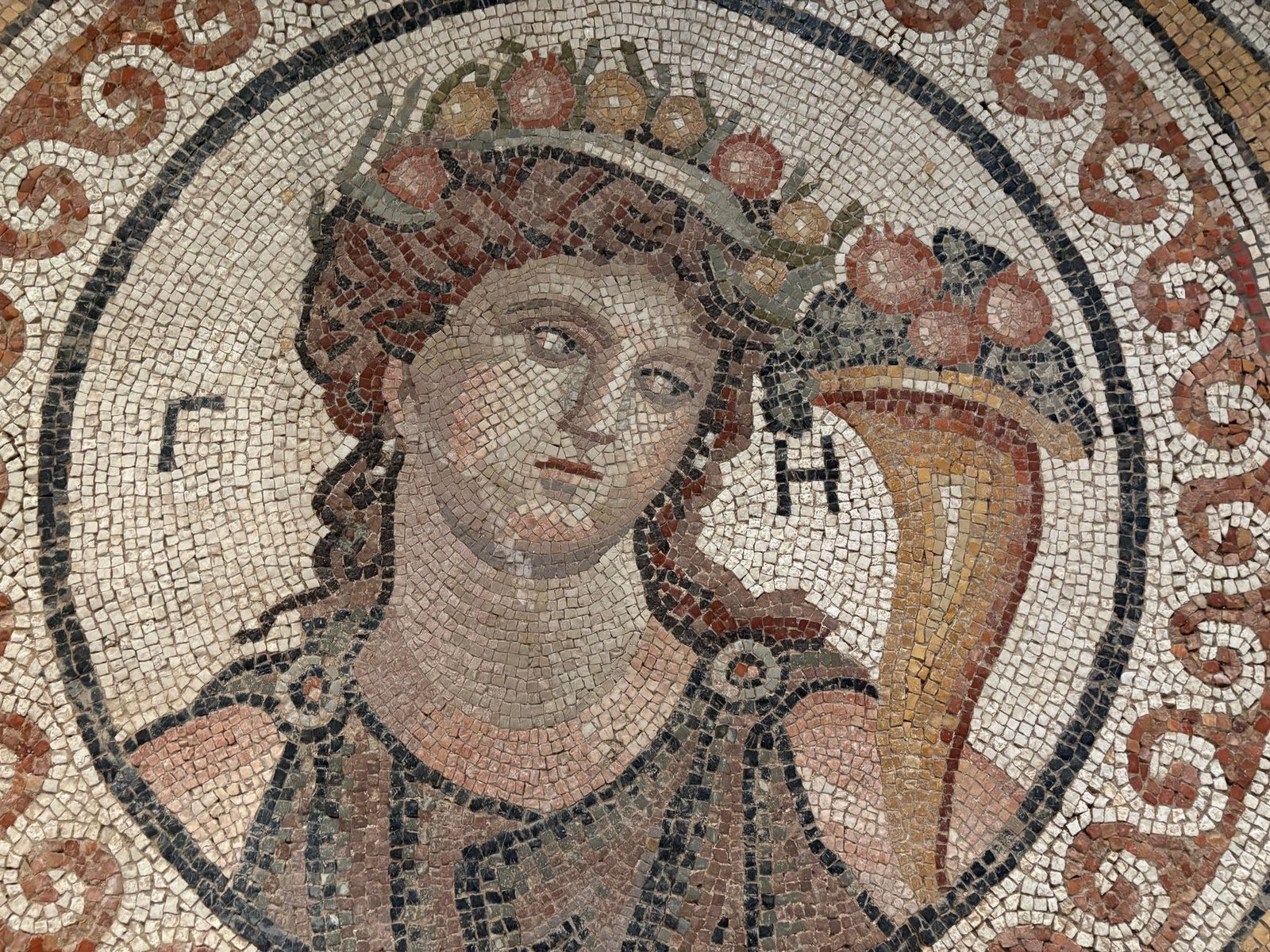
Who Is Hestia in Greek Mythology? Goddess of the Hearth
Hestia in Greek mythology is the gentle goddess of the hearth, home, and sacred fire, quietly holding families and cities together. Though she rarely takes center stage in myths, her presence was essential to ancient Greek daily life.
Who Is Hermes in Greek Mythology? The Messenger God
Discover the many roles of Hermes in Greek mythology, from swift messenger of the gods to clever trickster, guide, and protector of travelers. His stories reveal a charming and resourceful deity who moved effortlessly between worlds.

Who Is Uranus in Greek Mythology? A Quick Guide
Uranus in Greek mythology is the ancient sky god whose story begins the family drama of the Titans, Cronus, and eventually Zeus. As one of the first divine beings, he helps explain how the Greek cosmos took shape.

Who Is the King of the Greek Gods?
Zeus is known as the King of Mount Olympus, ruling over the Greek gods with thunderbolt in hand and authority over the skies. His myths reveal a powerful, dramatic figure at the heart of ancient Greek religion and storytelling.
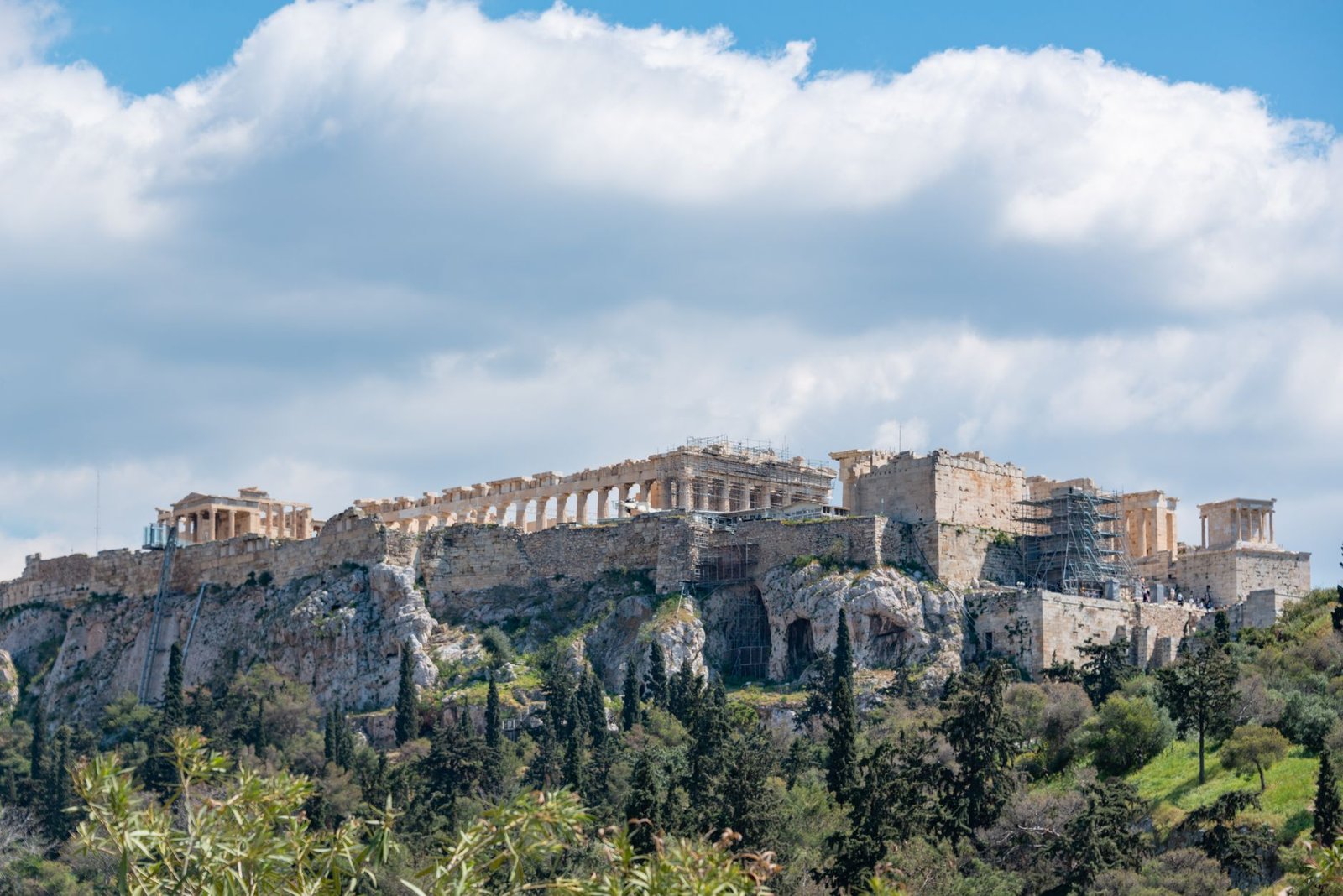
Difference Between Titans and Olympians in Greek Mythology
Discover how the Titans and Olympians differ in Greek mythology, from their ancient family roots to the epic battle that changed who ruled the universe.
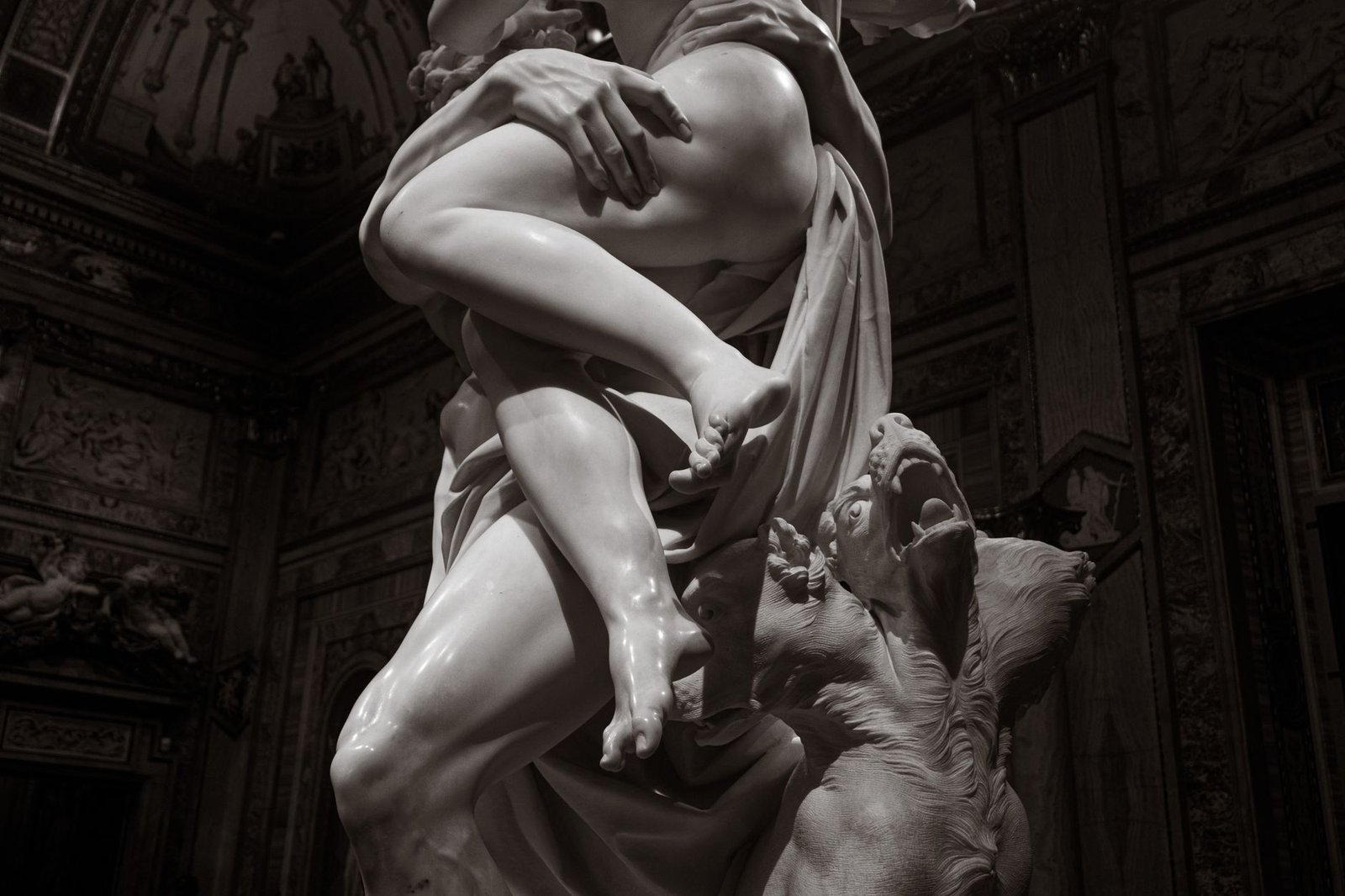
Hades vs Pluto: Key Differences in Greek Mythology
Hades and Pluto are often treated as the same underworld god, but their names reveal important differences between Greek and Roman mythology. Here’s how Hades and Pluto overlap, where they differ, and why the distinction matters.
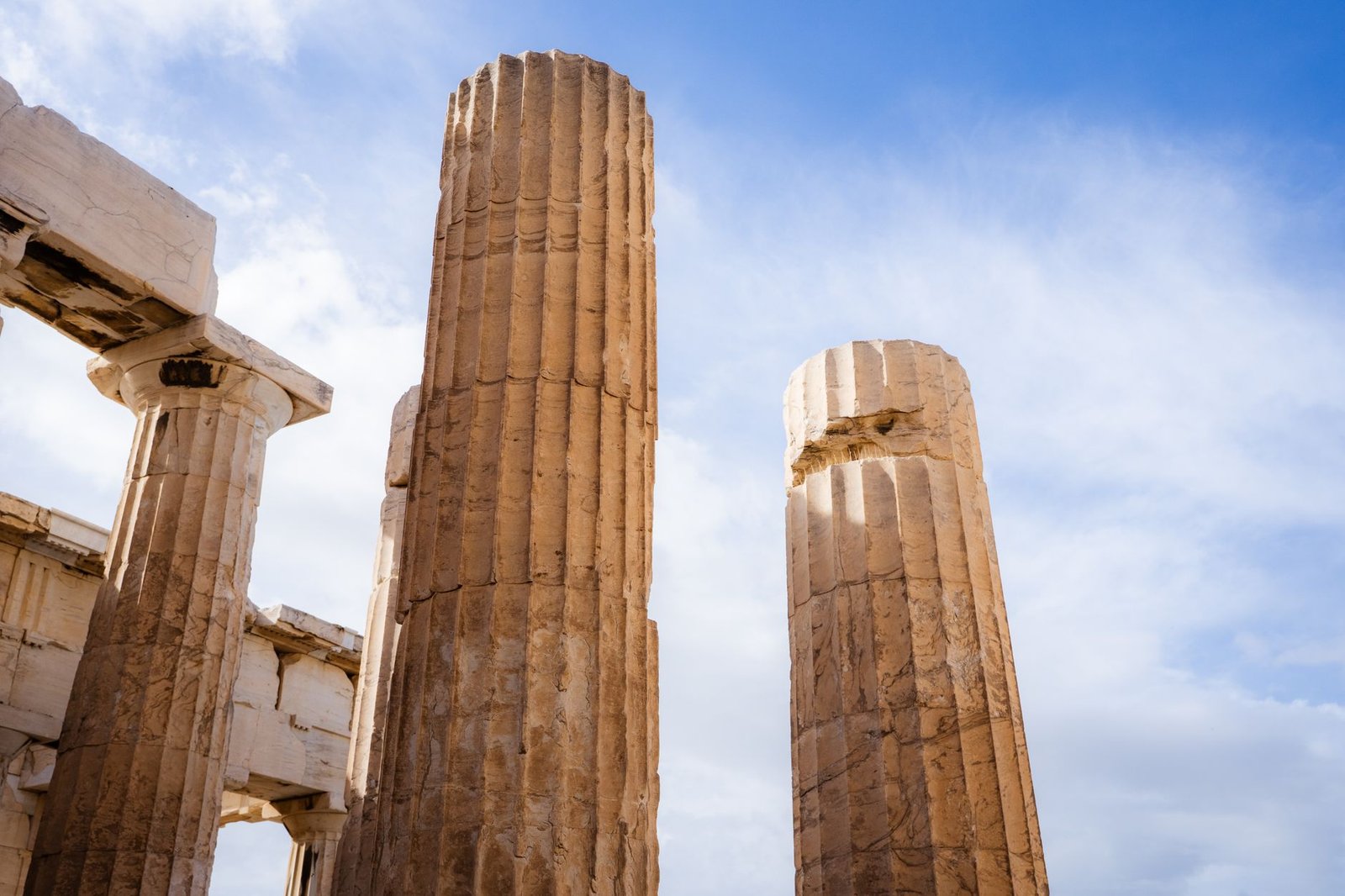
Why Is Dionysus Sometimes Left Out of the Twelve Olympians?
Dionysus doesn’t always appear among the Twelve Olympians because Greek tradition was never one fixed list. His unusual birth, wild worship, and shifting role in different regions made him both an outsider and an essential god.