Who Is Hestia in Greek Mythology?
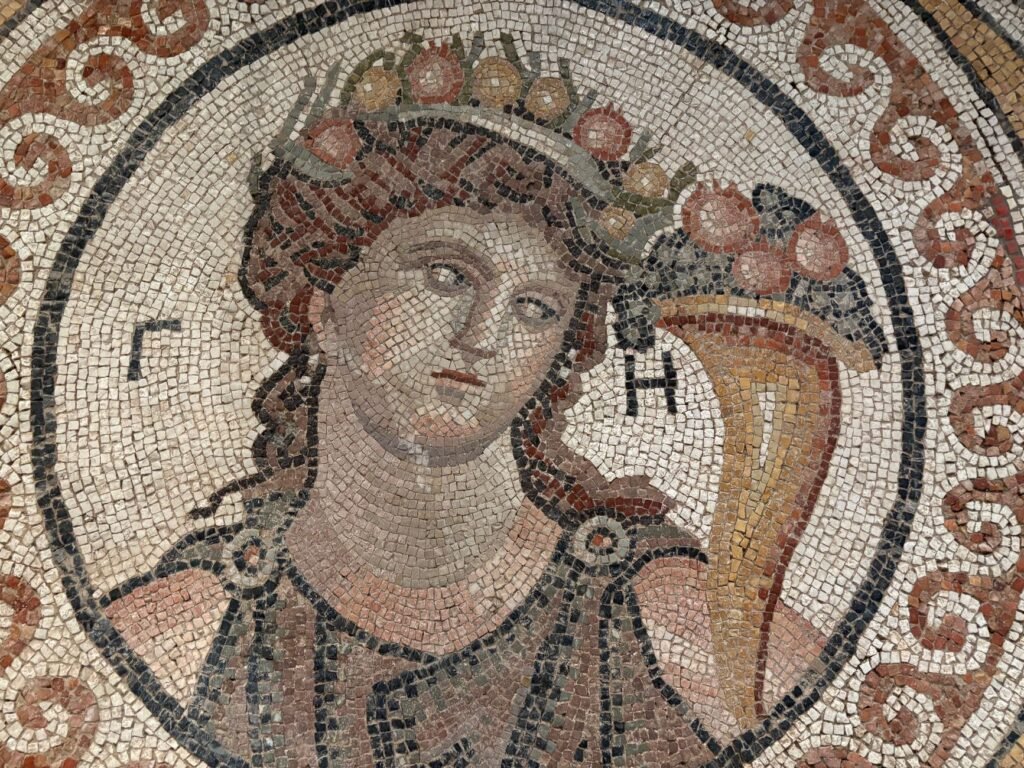
In the dramatic world of Greek mythology, many gods are known for thunderbolts, epic battles, love affairs, and acts of revenge. Hestia is different. Quiet, steady, and deeply respected, she is the goddess of the hearth, home, family, and sacred fire. Though she appears in fewer myths than figures like Zeus, Athena, or Apollo, her role in ancient Greek religion was incredibly important.
So, who is Hestia in Greek mythology? She is one of the original Olympian deities, a symbol of domestic peace, hospitality, and the spiritual center of every household and city.
Hestia’s Family and Origins
Hestia was the eldest child of the Titans Cronus and Rhea. Her siblings included some of the most powerful gods in Greek mythology:
- Zeus
- Hera
- Poseidon
- Hades
- Demeter
According to myth, Cronus swallowed each of his children at birth because he feared a prophecy that one of them would overthrow him. Hestia, being the firstborn, was the first to be swallowed. Later, when Zeus forced Cronus to release his siblings, Hestia was the last to emerge.
Because of this unusual story, Hestia is sometimes described as both the eldest and the youngest of the Olympian gods: eldest by birth, youngest by rebirth.
Goddess of the Hearth and Home
Hestia’s main domain was the hearth, the central fireplace of the ancient Greek home. In modern life, a fireplace may seem mostly decorative, but in ancient Greece, the hearth was essential. It provided warmth, cooked food, and served as a gathering place for the family.
The hearth was also sacred. It represented the stability of the household and the presence of the divine within daily life. As goddess of the hearth, Hestia protected the home and the bonds between family members.
Her influence extended beyond private homes. Every city had a public hearth, often located in a civic building called the prytaneion. This fire represented the life and unity of the community. New colonies even carried flame from the mother city’s sacred hearth to establish their own.
Hestia’s Place Among the Olympians
Hestia is counted among the original twelve Olympians, but her position is sometimes complicated. In some traditions, she gave up her seat on Mount Olympus to Dionysus in order to avoid conflict among the gods.
This story fits her peaceful nature. While many Olympians were involved in rivalries and schemes, Hestia preferred harmony. Her decision to step aside shows her association with balance, self-control, and unity.
Even without a dramatic throne on Olympus, Hestia remained deeply honored. She did not need grand adventures or heroic myths to prove her importance. Her power was woven into everyday life.
Hestia and Her Vow of Virginity
One of the best-known aspects of Hestia’s mythology is her vow to remain a virgin. Both Poseidon and Apollo are said to have sought her hand in marriage. Rather than choose between them and risk conflict, Hestia asked Zeus to allow her to remain unmarried forever.
Zeus granted her request and gave her a special honor: she would receive the first portion of every sacrifice made by mortals. This made Hestia central to religious rituals throughout Greece.
Her virginity was not simply about avoiding marriage. It symbolized independence, purity, and dedication to her sacred role. Like Athena and Artemis, Hestia belonged to the group of virgin goddesses who existed outside the usual patterns of marriage and motherhood.
Why Hestia Appears in Few Myths
Compared to other Greek gods, Hestia has very few famous stories. She does not fight monsters, transform mortals, or interfere in wars. This can make her seem less important at first glance.
However, her lack of mythological drama is part of her identity. Hestia represents stability rather than action. She is the calm center around which life revolves. Ancient Greeks did not need thrilling tales to understand her value; they experienced it every day in their homes, meals, rituals, and communities.
Her presence was constant, quiet, and essential.
Symbols of Hestia
Hestia’s symbols are simple but meaningful. They reflect her connection to domestic life, sacred fire, and peace.
Common symbols associated with Hestia include:
- The hearth
- Fire or flame
- The kettle
- The home
- Veils or modest clothing
- The sacrificial offering
Unlike gods associated with weapons or animals, Hestia’s symbols are rooted in daily human experience. They remind us that the sacred was not limited to temples or mountaintops. It could be found in the warmth of a family fire.
Worship of Hestia in Ancient Greece
Hestia was worshiped in nearly every household. Before meals, prayers and offerings could be made to her. At public ceremonies, she often received the first and last offerings, emphasizing her role as both beginning and end.
Her worship was not as flashy as the festivals of Dionysus or the grand temples of Athena, but it was widespread and intimate. Every home with a hearth could honor Hestia.
This made her one of the most universally present deities in Greek life. She was not distant or difficult to reach. She belonged to the center of the home.
Hestia’s Roman Counterpart: Vesta
In Roman mythology, Hestia’s counterpart is Vesta. Like Hestia, Vesta was goddess of the hearth and sacred fire. The Romans placed great importance on her worship, especially through the Vestal Virgins, priestesses who tended the sacred flame of Rome.
If the flame went out, it was considered a dangerous omen for the city. This shows how powerful the symbolism of the hearth remained across ancient cultures. The fire of Hestia and Vesta represented continuity, safety, and the life of the community.
Why Hestia Still Matters
Hestia may not be the loudest figure in Greek mythology, but she is one of the most meaningful. She reminds us that not all power is forceful or dramatic. Some power is quiet, protective, and steady.
Her myths speak to the importance of home, belonging, hospitality, and peace. In a pantheon full of conflict, Hestia stands as a symbol of calm. She represents the sacred nature of ordinary life: cooking a meal, welcoming a guest, gathering with family, and keeping the flame alive.
To understand who is Hestia in Greek mythology is to recognize the divine importance of the home. She is the warmth at the center, the fire that brings people together, and the peaceful presence that holds a household and community in balance.

Orin Vale has spent the better part of two decades tracing the threads that connect the world’s oldest stories — from the halls of Asgard to the banks of the Nile, from Olympus to the jungles of the Maya. What began as a childhood fascination with flood myths and trickster gods grew into years of independent study across comparative mythology and ancient religion, always chasing the same question: what did these stories mean to the people who first told them? Orin writes for readers who want more than trivia — the ones looking for the beliefs, fears, and truths that myths were built to carry.