What Is the Thunderbolt of Zeus in Greek Mythology?
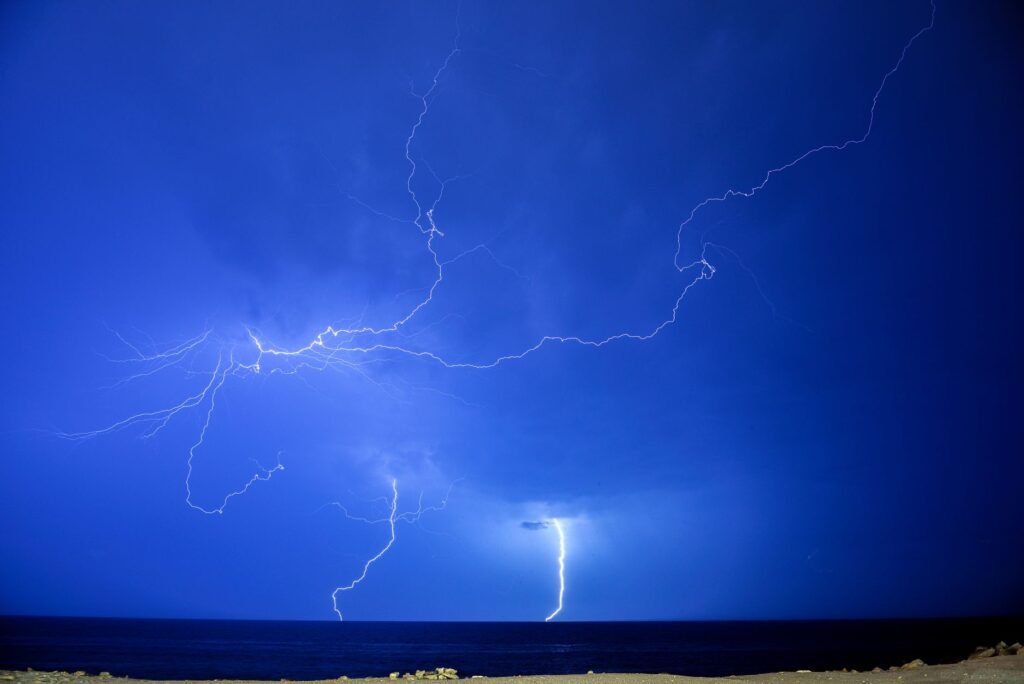
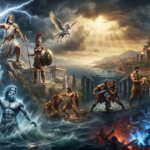
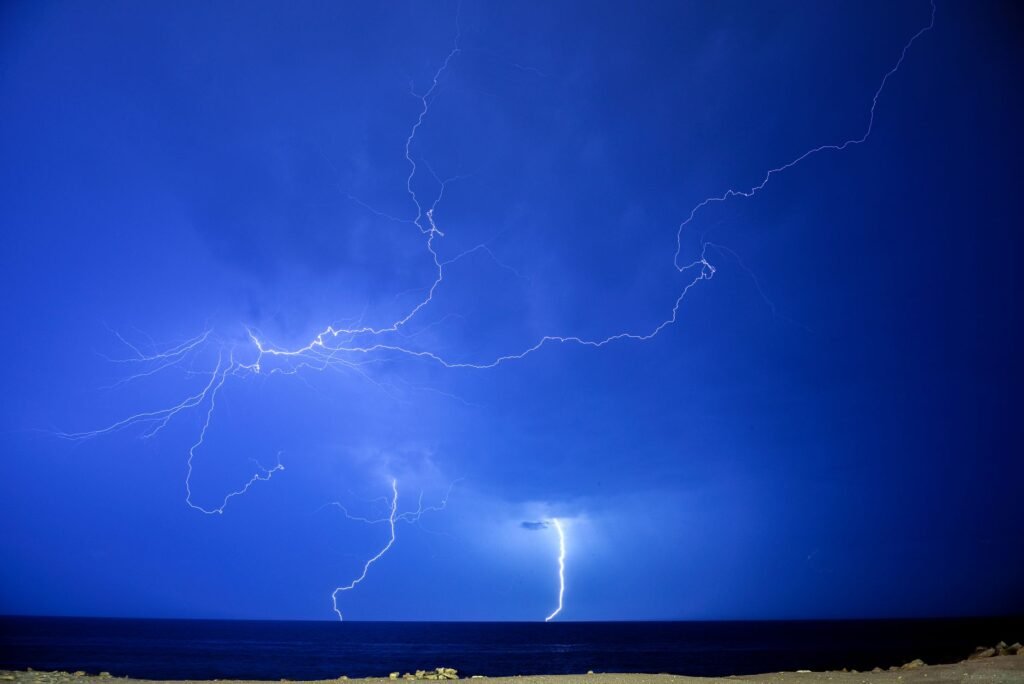
In Greek mythology, the thunderbolt of Zeus is one of the most powerful and recognizable divine weapons. It is the symbol of Zeus’s authority as king of the gods and ruler of the sky. When ancient Greeks imagined thunder crashing across the heavens, they often saw it as a sign of Zeus casting his thunderbolt from Mount Olympus.
The thunderbolt was not just a weapon. It represented justice, punishment, divine power, and cosmic order. To understand Zeus, it is essential to understand the meaning of his thunderbolt.
Zeus: King of the Gods
Zeus was the supreme god in the ancient Greek pantheon. He ruled over Mount Olympus and held authority over gods and mortals alike. His domains included the sky, weather, law, kingship, hospitality, and fate in certain traditions.
As the god of the sky, Zeus was closely associated with storms, lightning, thunder, clouds, and rain. His thunderbolt was the clearest expression of this power. It showed that he could command the natural world and enforce his will instantly.
In ancient Greek art, Zeus is often shown as a strong, bearded figure holding a lightning bolt in his hand. This image made his role clear: Zeus was not only a ruler but also a force of overwhelming divine strength.
What Is the Thunderbolt of Zeus?
The thunderbolt of Zeus is a divine weapon made of lightning. It is usually described as a fiery, flashing bolt that Zeus throws at his enemies or uses to display his power. In myths, it can destroy monsters, punish wrongdoers, and strike fear into both humans and gods.
The thunderbolt is sometimes treated almost like a physical object, forged and given to Zeus. At other times, it represents the natural force of lightning itself. Either way, it is the ultimate weapon of the Olympian king.
The thunderbolt could be used to:
- Defeat powerful enemies
- Punish humans who defied the gods
- Enforce divine law
- Show Zeus’s anger
- Protect the order of the universe
Because of this, the thunderbolt became one of the most important symbols in all of Greek mythology.
Who Made Zeus’s Thunderbolt?
According to many ancient sources, Zeus’s thunderbolt was crafted by the Cyclopes. These were giant, one-eyed beings known for their incredible skill as divine smiths.
The story is closely connected to the great war between the Olympian gods and the Titans. Zeus and his siblings fought against the Titans, who were older gods led by Cronus, Zeus’s father. Before the war, Cronus had imprisoned the Cyclopes in the depths of Tartarus.
Zeus freed the Cyclopes, and in gratitude, they gave him the thunderbolt. They also gave other powerful gifts to his brothers:
- Zeus received the thunderbolt
- Poseidon received the trident
- Hades received the helmet of invisibility
With these weapons, Zeus and his brothers gained the strength they needed to defeat the Titans and establish the rule of the Olympian gods.
The Thunderbolt in the War Against the Titans
The thunderbolt played a key role in the Titanomachy, the great war between the Olympians and the Titans. This battle lasted for ten years and determined who would rule the cosmos.
Zeus used his thunderbolts to overwhelm the Titans with fire, noise, and force. The weapon allowed him to strike from the sky with unmatched power. In mythic terms, the thunderbolt helped Zeus bring an end to chaos and establish a new divine order.
After the Titans were defeated, Zeus became king of the gods. His thunderbolt remained the symbol of his victory and his right to rule.
Zeus’s Thunderbolt as a Symbol of Justice
The thunderbolt of Zeus was not only a weapon of war. It was also a symbol of justice. Zeus was believed to watch over oaths, laws, guests, strangers, and rulers. When someone violated sacred customs or acted with arrogance, Zeus could punish them.
In Greek mythology, excessive pride against the gods was called hubris. Mortals who showed hubris often faced divine punishment. Zeus’s thunderbolt was one of the most dramatic ways that punishment could appear.
For example, Zeus used his thunderbolt to punish figures who crossed divine boundaries. One famous example is Phaethon, the son of the sun god Helios. When Phaethon lost control of the sun chariot and endangered the world, Zeus struck him down with a thunderbolt to prevent total disaster.
This kind of myth shows how the thunderbolt could be destructive but also protective. It preserved balance when the natural or moral order was threatened.
The Thunderbolt and Zeus’s Power Over Mortals
To the ancient Greeks, lightning was mysterious and terrifying. A sudden bolt from the sky could destroy trees, homes, animals, or people. Since Zeus ruled the sky, lightning became a direct sign of his presence.
If lightning struck during a battle, ceremony, or important event, people might interpret it as an omen. It could mean Zeus approved, warned, or expressed anger. In this way, the thunderbolt connected myth with everyday religious experience.
The thunderbolt reminded mortals that the gods were powerful and that human life was subject to divine forces.
How the Thunderbolt Appears in Ancient Art
The thunderbolt of Zeus appears frequently in ancient Greek sculpture, pottery, coins, and temple decoration. Artists often represented it as a stylized bundle of flames, wings, or jagged lines. Sometimes it looks like a spear-shaped flash of lightning.
Zeus may be shown:
- Holding the thunderbolt upright like a royal emblem
- Preparing to throw it
- Standing beside an eagle, another of his symbols
- Seated on a throne with the thunderbolt in hand
These images reinforced Zeus’s identity as the sky god and supreme ruler.
The Thunderbolt Beyond Greek Mythology
Although the thunderbolt is especially famous in Greek mythology, similar symbols appear in other ancient cultures. Sky gods and storm gods often carry lightning weapons. This includes figures such as Jupiter in Roman mythology, Thor in Norse mythology, and Indra in Hindu tradition.
The Roman god Jupiter, who was closely identified with Zeus, also used the thunderbolt as his main symbol. Through Greek and Roman influence, the image of a supreme god wielding lightning became a lasting part of Western art and literature.
Why Zeus’s Thunderbolt Still Matters
The thunderbolt of Zeus remains powerful because it represents more than a mythological weapon. It stands for authority, sudden judgment, natural force, and the mystery of the sky. It captures the ancient Greek belief that the universe was governed by divine powers who could reward, punish, and protect.
In modern culture, Zeus is still almost always associated with lightning. Whether in books, films, games, or art, the thunderbolt instantly identifies him. It is a simple symbol, but it carries thousands of years of mythic meaning.
Conclusion
So, what is the thunderbolt of Zeus in Greek mythology? It is the divine lightning weapon of Zeus, forged by the Cyclopes and used to defeat the Titans, punish wrongdoing, and uphold cosmic order. More than a tool of destruction, it is the central symbol of Zeus’s kingship and power over the sky.
For the ancient Greeks, every crash of thunder could be a reminder of Zeus’s presence. His thunderbolt was the sound and flash of divine authority, striking from the heavens with unstoppable force.

Orin Vale has spent the better part of two decades tracing the threads that connect the world’s oldest stories — from the halls of Asgard to the banks of the Nile, from Olympus to the jungles of the Maya. What began as a childhood fascination with flood myths and trickster gods grew into years of independent study across comparative mythology and ancient religion, always chasing the same question: what did these stories mean to the people who first told them? Orin writes for readers who want more than trivia — the ones looking for the beliefs, fears, and truths that myths were built to carry.