Sow of Lavinium
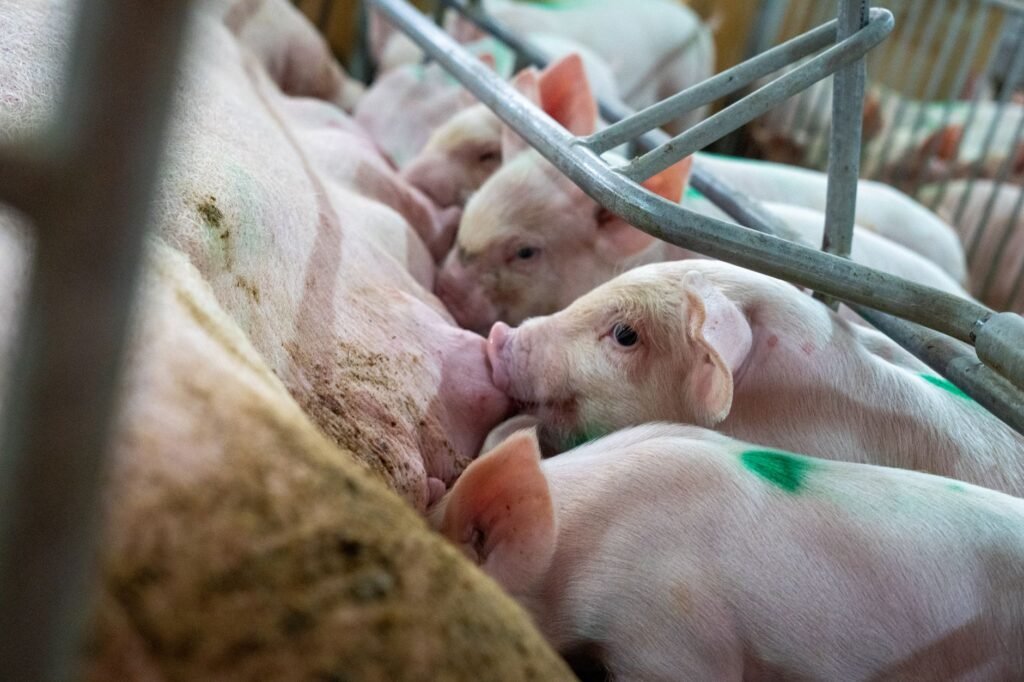
The Sow of Lavinium is one of the most famous omen-animals in Roman foundation legend. In ancient tradition, a white sow with a litter of thirty piglets was discovered at Lavinium, an early Latin settlement closely linked to Aeneas and the origins of Rome. The episode became a powerful symbol of destiny, territorial settlement, and divine approval in Roman myth.
Although the story is brief in surviving sources, its significance is large. It connects the Trojan migration narrative to the landscape of Latium, explains a sacred place associated with Rome’s origins, and gives Rome a memorable prophetic sign. The sow of Lavinium is not a goddess or hero in the usual sense, but an animal of omen whose appearance helped mark the fulfillment of prophecy.
Origin and Meaning
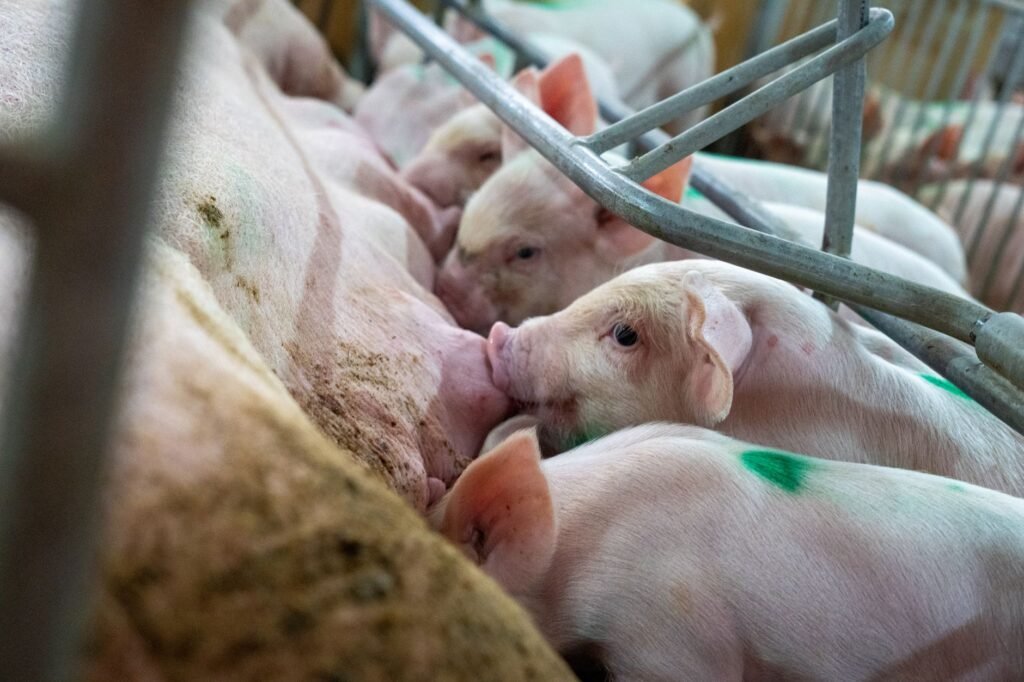
The phrase “Sow of Lavinium” refers to the white female pig reported in Roman myth to have been found at Lavinium, bearing thirty piglets. The number thirty was later interpreted in relation to the thirty years that would pass before the founding of Alba Longa, the city traditionally linked to Aeneas’s descendants.
The animal itself is not named in the surviving ancient accounts. The importance lies in the omen rather than a personal identity. In Latin tradition, the sow is generally described as:
- white in color
- pregnant or nursing
- accompanied by thirty young
- connected with prophecy and foundation
The name “Lavinium” derives from the city associated with Lavinia, the daughter of King Latinus, and with Aeneas after his arrival in Italy. The sow became attached to the place because its discovery served as a sign confirming that the land had been divinely chosen.
Historical Context
The story belongs to the broader body of Roman foundation myth, especially the cycle involving Aeneas, the Trojan arrival in Italy, and the early settlement of the Latins. It is part of the ideological landscape through which Romans explained their origins, their connections to Troy, and the sacred antiquity of central Italy.
Lavinium itself was an important cultic and legendary center in Roman memory. Ancient writers associated it with:
- Aeneas
- the Latin kings
- early Roman religion
- the Penates, household gods brought from Troy in myth
The sow episode fits the Roman habit of interpreting signs from nature as divine confirmation. Animals, particularly unusual ones, were often read as messages from the gods. A sow was especially fitting in an agricultural and sacrificial culture where swine featured prominently in ritual life.
In the mythic chronology, the sow appears after Aeneas has landed in Latium and after divine guidance has indicated the site where he should settle. The discovery of the sow then confirms or enriches the prophecy by adding a visible, countable sign.
Main Characteristics
The sow of Lavinium is defined by a few striking features preserved across the tradition.
Identifying features
| Feature | Description |
|---|---|
| Species | Sow, that is, a female pig |
| Color | White in the best-known versions |
| Number of offspring | Thirty piglets |
| Location | Lavinium in Latium |
| Function | Omen of foundation and destiny |
| Symbolic meaning | Confirmation of prophecy, fertility, future settlement |
Why the sow matters
The most important characteristic of the sow is not physical appearance alone, but its prophetic function. It serves as a sign that the region is destined for settlement and that a future city or line of cities will arise there.
The piglets have often been linked to the number of years before a later foundation. In this interpretation, the sow helps encode a timeline of Roman beginnings. The animal therefore functions like a living oracle.
Religious and mythic qualities
The sow is associated with:
- fertility
- land possession
- divine sanction
- foundational prophecy
Unlike a sacred beast in a formal cult, it is remembered mainly for a single mythic event. Its meaning comes from being a sign, not from worship as an independent divine being.
Family and Genealogy
Because the sow is an animal omen rather than a deity or hero, it does not belong to a genealogy in the usual mythological sense. However, the tradition surrounding it is embedded in the family history of the Trojan-Roman mythic line.
Mythic associations
- Aeneas: the Trojan hero who reaches Italy
- Lavinia: daughter of King Latinus and eponym of Lavinium in later tradition
- Latinus: king of the Latins
- Ascanius or Iulus: Aeneas’s son, linked to the future line of Alban and Roman kings
- Alba Longa: later city founded according to the prophetic timetable associated with the sow
The sow’s piglets were interpreted in some traditions as corresponding to the years until the founding of Alba Longa. In that sense, the sow is tied indirectly to the dynastic genealogy that leads from Troy to Rome.
Symbols
The sow of Lavinium carries a rich symbolic load in Roman tradition.
Major symbols
- White color: purity, divine favor, and extraordinary significance
- Sow: fertility, abundance, and maternal generation
- Thirty piglets: a measurable prophetic number, often linked to years
- Location at Lavinium: sacred territorial confirmation
- Pig family: continuity, reproduction, and future settlement
Symbolic interpretation
In Roman religious thinking, signs from animals were not random. A remarkable birth or encounter could be interpreted as a divine message. The sow thus symbolizes:
- The fertility of the land
- The approval of the gods
- The future multiplication of communities
- The legitimacy of settlement and succession
The number thirty is especially important because ancient stories often use numbers to shape memory. Here, number and narrative work together to transform an animal sighting into a foundational prophecy.
Sacred Animals
The sow of Lavinium belongs to a wider ancient pattern in which animals serve as omens, messengers, or sacred signs. In Roman culture, many animals had symbolic or ritual associations.
Associated animals in Roman myth and religion
| Animal | Common significance |
|---|---|
| Sow / pig | Fertility, sacrifice, foundation omens |
| Wolf | Founding, nursing, martial power |
| Eagle | Divine authority, especially in Roman state symbolism |
| Horse | Speed, war, elite status, omen-reading |
| Ox / bull | Agriculture, plowing, sacrifice, civic ritual |
Why the sow is important among sacred animals
Swine were common sacrificial animals in the ancient Mediterranean. Their presence in ritual settings made them apt symbols of purification, boundary-marking, and covenant-like acts. A sow with piglets, especially a white one, would have stood out as an extraordinary event.
The animal’s importance is not that it was permanently sacred in the way a temple animal might be, but that it became sacred through the mythic interpretation of its appearance.
Sacred Plants
There is no securely attested sacred plant uniquely associated with the sow of Lavinium in the surviving ancient tradition. However, the broader Lavinian and Trojan-Roman mythic context often involves sacred landscape rather than a single plant symbol.
Plants and ritual landscape in context
Ancient Roman foundation myths often place emphasis on:
- groves
- trees marking boundaries
- cultivated land
- sacred laurel and fig traditions in Roman legend more broadly
Because the sow myth is tied to settlement and land, its meaning is best understood through terrain and fertility rather than a specific plant cult. If plants are considered at all, they function as part of the agricultural backdrop that makes the sow’s fertility symbolism meaningful.
Sacred Places
The central sacred place in this tradition is Lavinium, an ancient settlement in Latium.
Lavinium
Lavinium was regarded in Roman memory as one of the earliest religious and political centers of Latium. It is especially important because it is tied to:
- Aeneas’s arrival in Italy
- the Trojan Penates
- early Latin kingship
- foundational Roman religious memory
Associated locations
| Place | Significance |
|---|---|
| Lavinium | Site where the sow is said to have been found |
| Latium | Region of the Latin peoples and early Roman myth |
| Alba Longa | Later city whose foundation is linked to the sow’s piglets in some accounts |
| Troy | Mythic ancestral homeland of Aeneas |
| Rome | Ultimate recipient of the Trojan-Latin foundation tradition |
Religious landscape
The territory around Lavinium was remembered as sacred because it held traces of origins. In Roman ideology, such places were not merely historical sites but locations where divine history had unfolded. The sow’s discovery helped transform the landscape into a meaningful sign of destiny.
Powers and Attributes
The sow of Lavinium is not a supernatural being with independent powers. Still, within the myth, it possesses a set of attributes through its omen function.
Attributes
- Prophetic significance
- Fertility
- Settlement omen
- Dynastic symbolism
- Territorial validation
Domain of influence
Its “domain” is best understood as symbolic rather than divine. The sow influences the narrative of:
- where a city should be founded
- how future generations will be counted
- how divine favor is recognized
- how myth connects land to destiny
The sow’s role is therefore interpretive. It turns a natural event into a meaningful sign.
Main Myths
The principal myth involving the sow of Lavinium is the foundation omen associated with Aeneas and the settlement of Latium.
The omen at Lavinium
In the usual version of the story, a white sow with thirty piglets is discovered at Lavinium. The sight is understood as an omen. The thirty piglets are taken to signify thirty years, after which a later city will be founded.
The exact details vary in the ancient sources. Some versions focus on the act of discovery; others emphasize the interpretation of the number thirty. In all cases, the central point is that the sow validates the future of the Trojan-descended line in Italy.
Related foundation sequence
The mythic sequence generally runs as follows:
- Aeneas arrives in Italy.
- He or his descendants are linked to Lavinium.
- A white sow with thirty piglets appears.
- The omen is interpreted as prophetic.
- A later foundation, especially Alba Longa, is foretold.
- Rome’s distant origins are thereby anchored in sacred time.
Meaning of the myth
The myth serves several purposes:
- it links Trojan destiny to Italian soil
- it offers an omen-based explanation for later urban succession
- it embeds Roman origins in a sacred chronology
- it reinforces the idea that Roman history was foreseen by the gods
Relationship with Other Mythological Figures
The sow of Lavinium is connected indirectly to a number of major mythological and legendary figures.
Aeneas
Aeneas is the most important figure in the story. The sow belongs to the Latin settlement narrative that follows his arrival. It confirms his place in Italy and the future of his line.
Ascanius / Iulus
The piglets are often interpreted as a sign relevant to the next generation, especially Aeneas’s son Ascanius, also called Iulus in some traditions. The omen thereby supports the legitimacy of the dynastic continuation.
Latinus
As king of the Latins, Latinus belongs to the same mythic world. The sow is part of the settlement process that joins Trojan and Latin elements.
Lavinia
The city Lavinium and the figure Lavinia are central to the naming and memory of the place. Depending on the version, the city is tied to her marriage to Aeneas or to the broader memory of the union between Trojans and Latins.
Divine figures
Although the sow itself is not a god, the interpretation of the omen reflects the will of the gods. In Roman tradition, such signs are often associated with Jupiter or with divine providence more generally.
Worship and Cult
There is no evidence of a distinct cult directed specifically at the sow of Lavinium. However, the place and omen belong to a broader cultic environment.
Lavinium’s religious importance
Ancient Lavinium was associated with important rites and traditions, including cults connected with the Trojan Penates. The city was remembered as sacred because it preserved the memory of origins.
Ritual significance of the omen
The sow likely mattered in connection with:
- foundation ritual
- haruspicy and omen interpretation
- sacred geography
- ancestral cult and civic memory
Possible ritual context
While no specific festival of the sow is securely attested, the story aligns with Roman practices in which unusual animal signs were read by priests or leaders. The episode would have had value as a foundational charter myth rather than as a recurring devotional rite.
Ancient Sources
The sow of Lavinium is not a major subject in the surviving mythographic tradition, but it appears in several Roman and later ancient discussions of Italian origins and foundation legends.
Key ancient and classical sources
| Author | Relevance |
|---|---|
| Virgil | Reworks Lavinian and Aeneid traditions in the Aeneid |
| Dionysius of Halicarnassus | Discusses early Roman and Italian traditions |
| Livy | References Roman foundation lore and early Italian history |
| Servius | Provides commentary on Virgil with mythographic detail |
| Ovid | Engages with Roman mythic origins in poetic form |
| Justin / Pompeius Trogus epitome | Sometimes preserves related foundation traditions |
Source caution
The exact handling of the sow varies by author. Some emphasize the prophetic meaning of the number thirty; others integrate the omen into broader narratives of Aeneas’s settlement and the founding of Alba Longa. Ancient tradition is not always uniform, so modern accounts should treat the story as a mythic complex rather than a single fixed version.
Roman Equivalent
The sow of Lavinium does not have a separate “Roman equivalent” because it already belongs to Roman mythic tradition. However, it can be compared with other Roman and Italic foundation signs.
Comparable Roman motifs
- the Capitoline she-wolf, which becomes a symbol of Rome’s nurture and origin
- bird omens used in augury
- unusual births or signs interpreted as markers of destiny
- foundation legends connecting animals with future cities
Roman adaptation of the motif
Romans often absorbed Greek-style heroic mythology and reshaped it into a local Italian narrative. The sow of Lavinium is a distinctly Romanized omen: it links a Trojan exile story to Latin land and to the future of Roman civic identity.
Influence on Modern Culture
The sow of Lavinium is not as widely known in modern culture as the she-wolf of Rome, but it continues to appear in works on Roman mythology, classical reception, and foundation symbolism.
Areas of modern influence
- Classical scholarship
- books on Roman myth
- museum and educational exhibitions about Roman origins
- historical fiction about Aeneas and early Italy
- digital reference works and encyclopedias
- artistic representations of Roman foundation myths
Cultural significance today
Modern interest in the sow often reflects broader fascination with how the Romans explained their beginnings. The image of a white sow with thirty piglets remains memorable because it combines fertility, prophecy, and counting into one compact mythic sign.
In modern cultural memory, it is usually treated as part of the larger Aeneas story rather than as a standalone legend.
Curiosities
Lesser-known facts
- The sow of Lavinium is one of the rare examples of a foundation omen involving a mother animal and her young.
- The number thirty is central to the story and likely carried chronological meaning.
- The myth is tied to Lavinium, an important but often overlooked place in Roman origin narratives.
- The animal is remembered mainly through interpretation, not through action.
- Unlike many Roman myths, this one focuses on sign-reading rather than combat or heroism.
Frequently Asked Questions
What is the Sow of Lavinium?
The Sow of Lavinium is a legendary white sow said to have been found at Lavinium with thirty piglets. In Roman myth, it served as an omen connected to the future foundation of cities in Italy.
Why is the sow important?
It is important because it confirmed, in mythic terms, that the land of Lavinium was destined for a great future. The thirty piglets were interpreted as a prophetic number.
Is the story found in one single ancient source?
No. The episode appears in Roman mythic tradition and is referenced or alluded to in different ways by ancient authors. The details vary across sources.
What does the number thirty mean?
In the traditional interpretation, the thirty piglets signified thirty years before a later foundation, especially the founding of Alba Longa. The exact interpretation may vary by source.
Is the sow a goddess or sacred creature?
It is not a goddess. It is a mythic omen-animal whose significance comes from its role in prophecy and foundation legend.
How is the sow connected to Aeneas?
The sow belongs to the broader Aeneas cycle. Its appearance at Lavinium marks the fulfillment of the Trojan hero’s arrival in Italy and supports the future of his descendants.
Does the sow have a cult today or in antiquity?
There is no evidence of a distinct cult devoted to the sow itself. Its importance is narrative and symbolic rather than devotional in a narrow sense.
Why does this myth matter for Roman history?
The story helped Romans imagine their origins as divinely guided, deeply ancient, and connected both to Troy and to the sacred land of Latium.
Conclusion
The Sow of Lavinium is a small episode with a large place in Roman mythic memory. As a white sow with thirty piglets, it functioned as an omen of fertility, succession, and future settlement. It linked Aeneas’s arrival in Italy to the later history of Alba Longa and, by extension, to Rome itself.
The story is valuable because it shows how Romans understood signs, land, and destiny. It also illustrates the way ancient myth transformed an animal encounter into a charter for political and religious identity. Though not a deity or hero, the sow of Lavinium remains an enduring symbol of foundation, prophecy, and the sacred geography of early Rome.

Orin Vale has spent the better part of two decades tracing the threads that connect the world’s oldest stories — from the halls of Asgard to the banks of the Nile, from Olympus to the jungles of the Maya. What began as a childhood fascination with flood myths and trickster gods grew into years of independent study across comparative mythology and ancient religion, always chasing the same question: what did these stories mean to the people who first told them? Orin writes for readers who want more than trivia — the ones looking for the beliefs, fears, and truths that myths were built to carry.