Roman religion
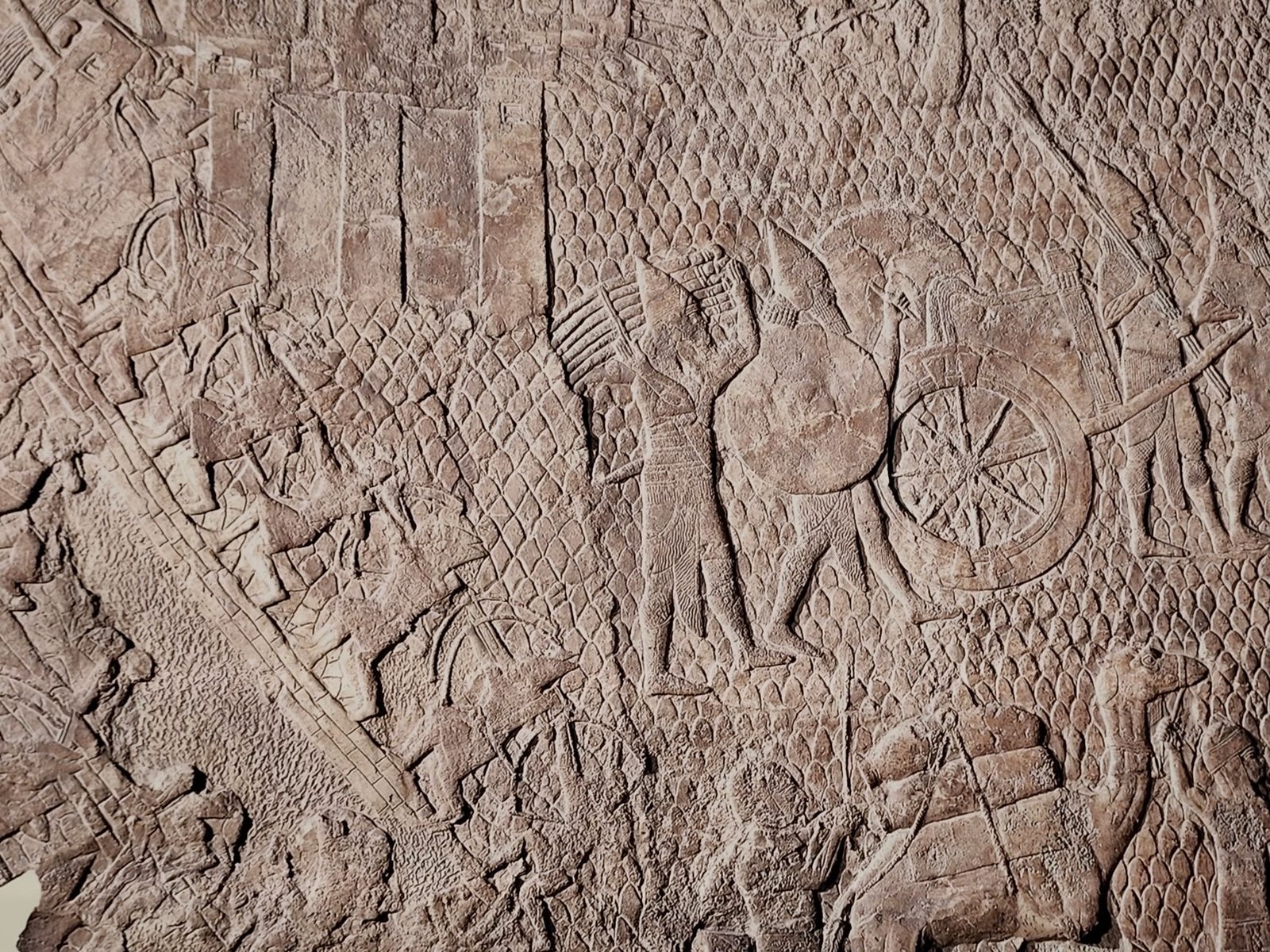
War in Latium: History, Causes, and Significance
The War in Latium refers to the early conflicts that shaped Rome’s rise among the Latin communities of central Italy, blending history, legend, and civic memory. Exploring its origins, major battles, and political consequences reveals how these struggles helped define Roman identity and set the stage for later expansion.

The Founding of Rome by Romulus and Remus Explained
The founding of Rome by Romulus and Remus is the enduring Roman foundation myth, blending divine lineage, royal conflict, abandonment, survival, and brotherly rivalry into a story that explained the city’s sacred origins. Though not verifiable history, it shaped Roman identity and continues to illuminate how legends can serve politics, memory, and cultural authority.

The Death of Remus: Roman Mythology and Meaning
The death of Remus is a central episode in Roman foundation myth, portraying the fatal conflict between the twin brothers Remus and Romulus as a turning point in the birth of Rome. Told in multiple ancient versions, the story explores themes of boundary, authority, and fratricide, inviting readers to examine how myth shaped Roman ideas of law and power.
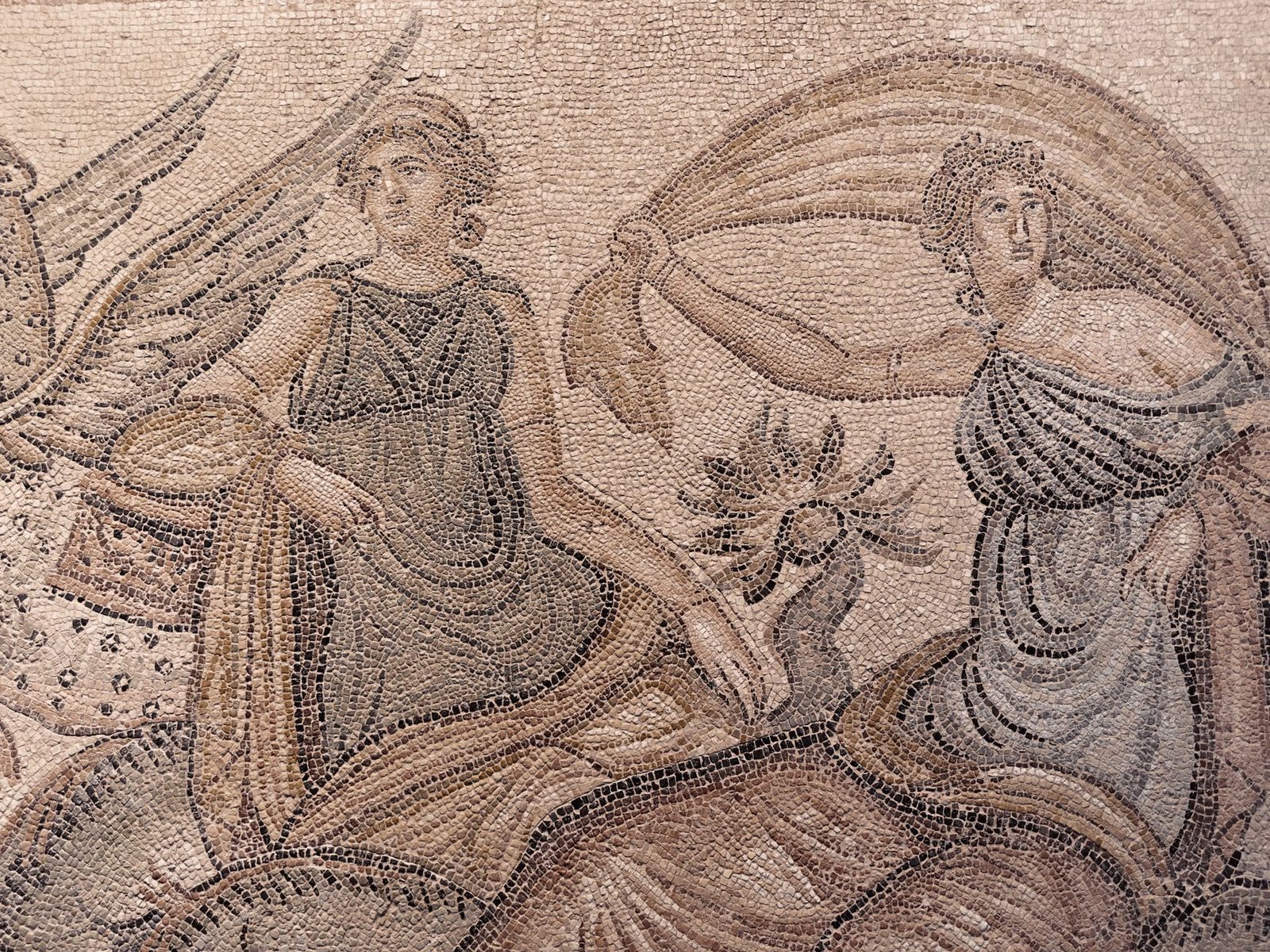
Numa Pompilius and the Nymph Egeria: Roman Legend
Numa Pompilius and the nymph Egeria stand at the crossroads of Roman legend and religious history, linking the city’s second king with the divine source of his reforms. This article explores how ancient writers used their association to explain Rome’s rites, calendar, and priesthoods, while revealing the shifting traditions that kept Egeria’s role both sacred and mysterious.
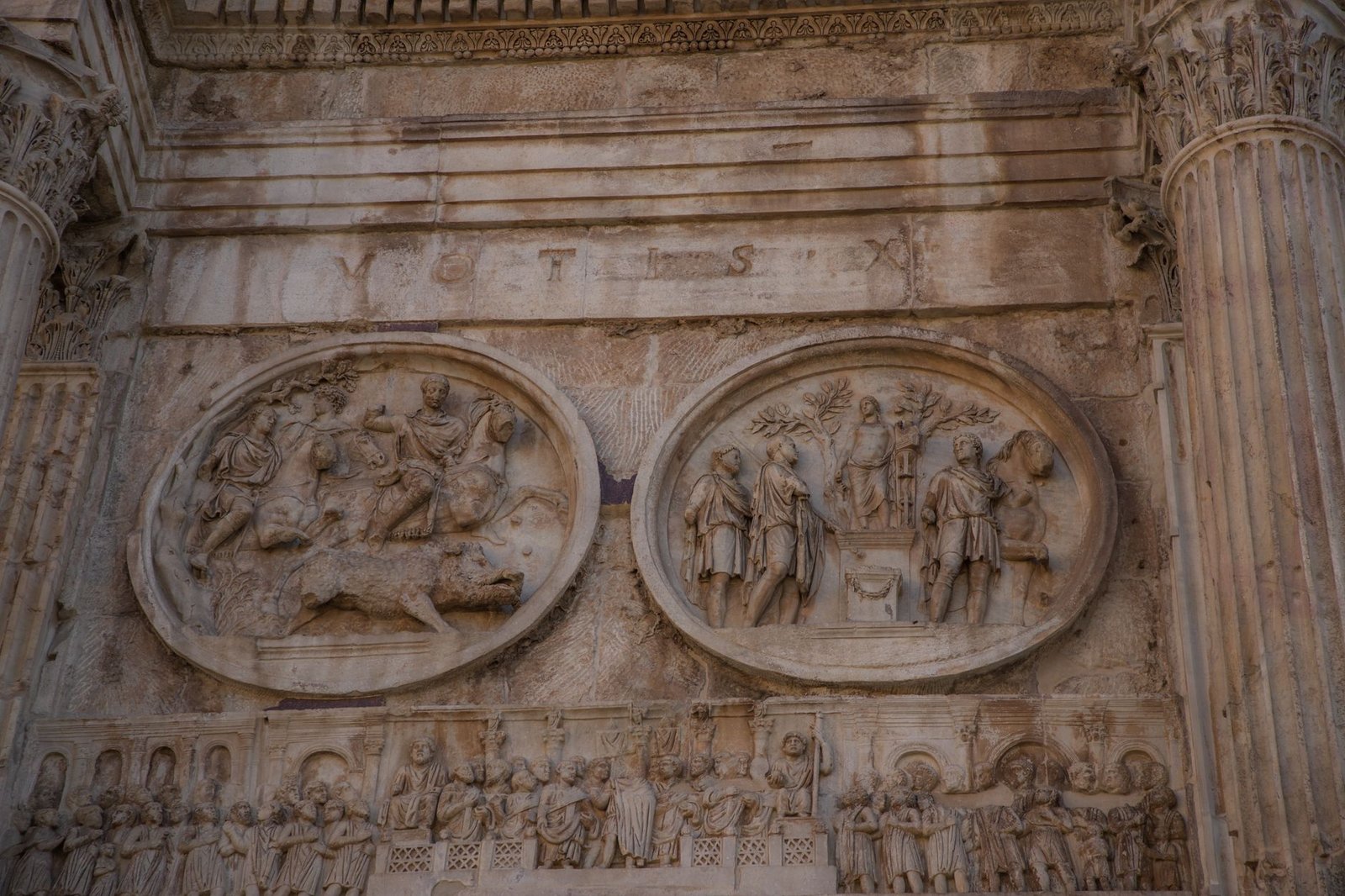
Romulus Apotheosis Into Quirinus: Roman Deification
The **apotheosis of Romulus into Quirinus** is a central Roman myth linking the legendary founder of Rome to a god associated with civic identity, martial order, and the sacred life of the community. Exploring this tradition reveals how Romans fused kingship, religion, and political memory, while the shifting ancient accounts leave open questions about how the transformation was understood.

Founding of Rome: Myth or History Explained
The founding of Rome lies between myth and history, preserving the legendary tale of Romulus and Remus while also reflecting the real growth of Iron Age settlements along the Tiber. This article examines how Roman tradition, archaeology, and later historical writing shaped the enduring question of whether Rome began in 753 BCE or emerged gradually from earlier communities.

Why Rome Has Two Founding Myths: Aeneas and Romulus
Rome’s two founding myths, Aeneas and Romulus, reveal more than a contradiction: they preserve different ways Romans explained their origins, one reaching back to Troy and the wider Mediterranean, the other rooted in Italy and civic violence. This excerpt explores how both traditions shaped Roman identity, authority, and historical memory, and why neither ever fully displaced the other.
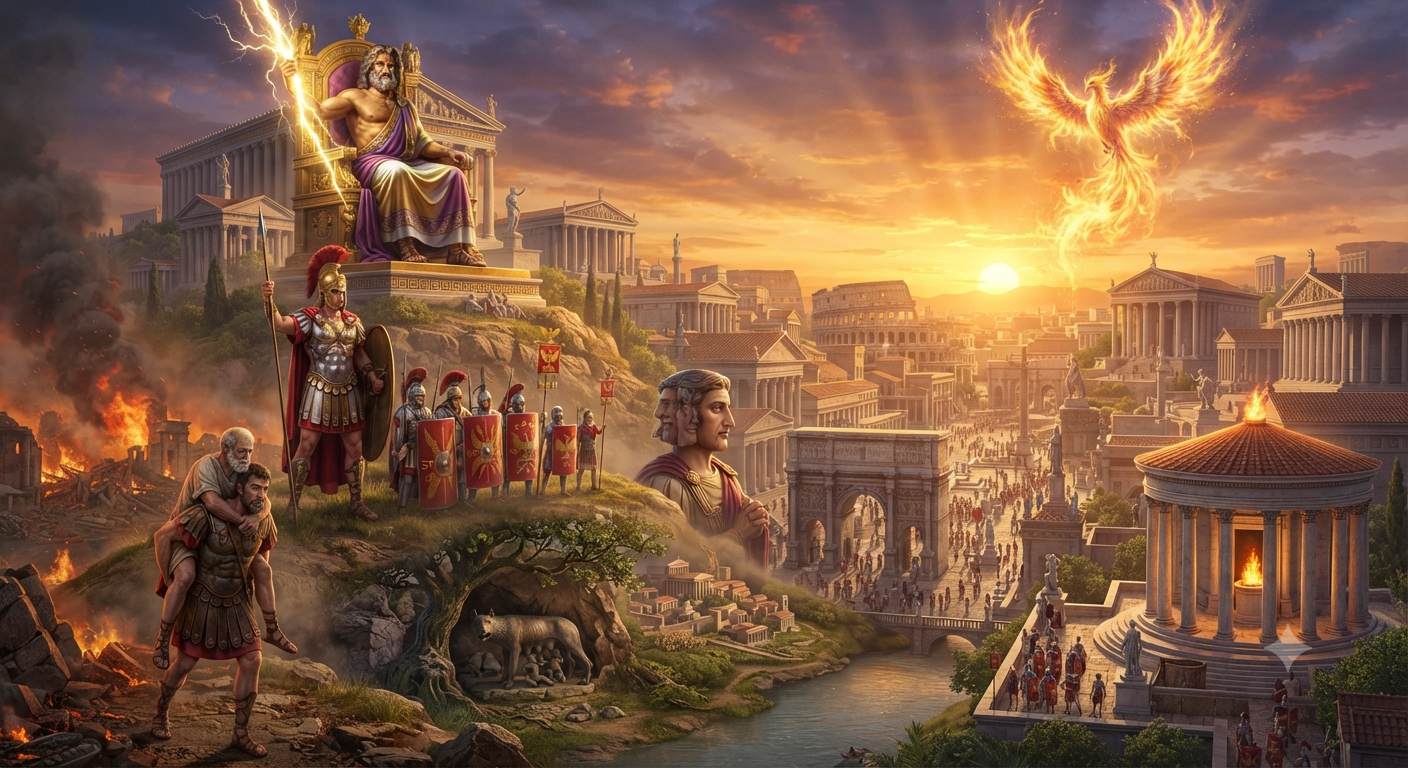
Roman Mythology: The Complete Guide to the Gods, Symbols, Creatures, and Myths of Ancient Rome
Historical and Geographic Context Roman mythology developed across more than a thousand years, from the legendary founding of Rome in ...
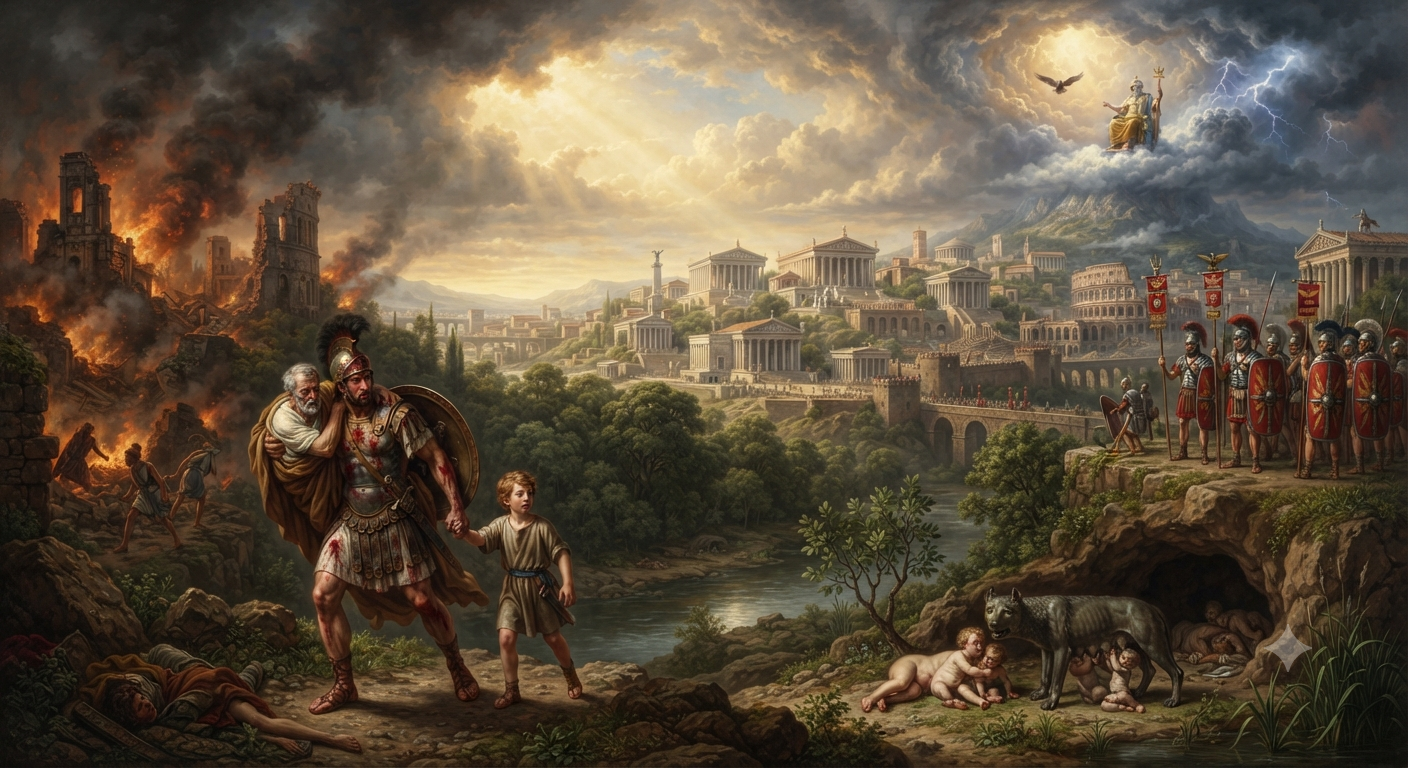
Roman Myths and Legends: The Complete Guide
Roman mythology’s greatest narratives are stories of founding — of a city, a people, and a set of values. This ...

Difference Between Lemures and Larvae
The difference between Lemures and related Roman spirit-terms lies in their role, tone, and ritual context: lemures were usually restless or potentially harmful dead, while manes could be a more neutral designation for the departed and lares protective household spirits. Exploring these distinctions reveals how Roman religion classified the afterlife, explained haunting, and distinguished between ancestral reverence and fear.