Roman religion
Roman Myths and Legends: The Complete Guide
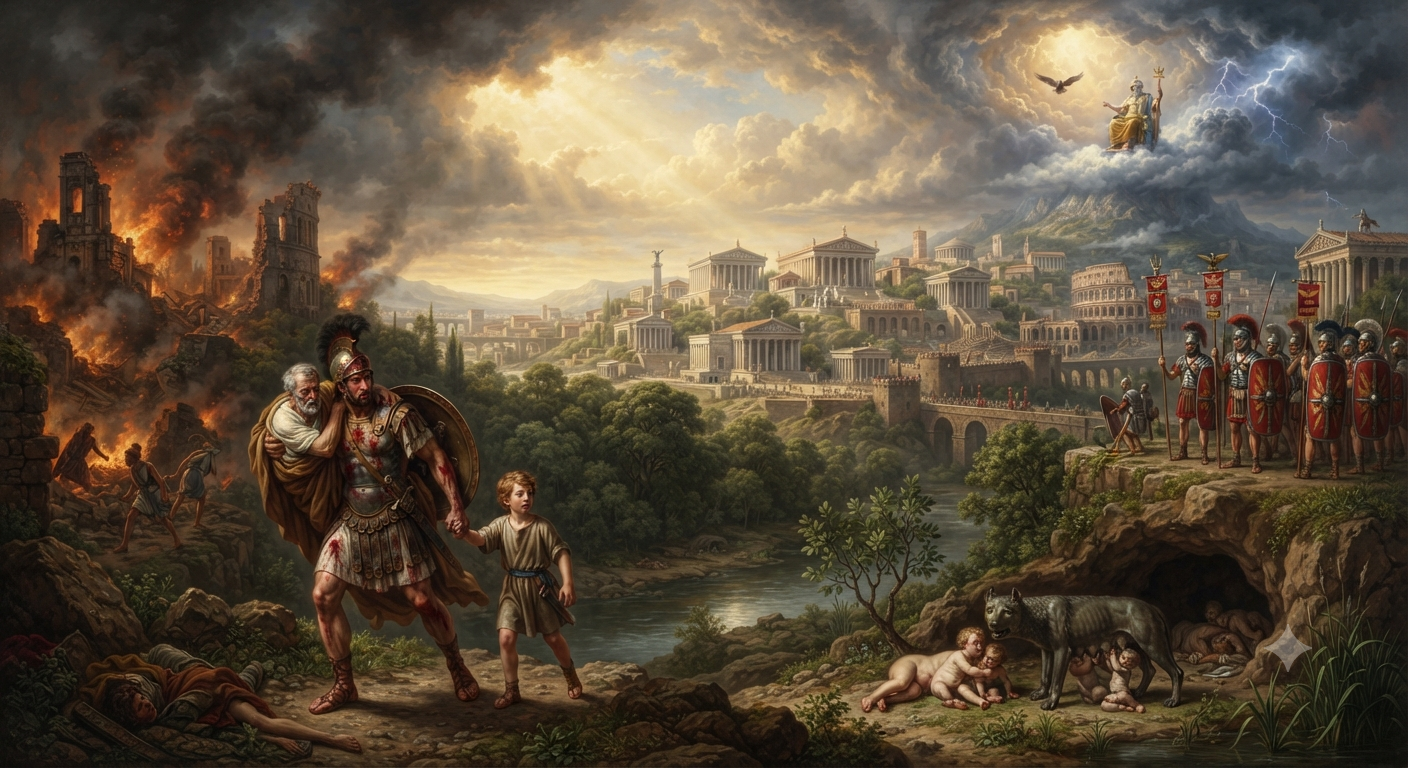
Roman mythology’s greatest narratives are stories of founding — of a city, a people, and a set of values. This ...

Difference Between Lemures and Larvae
The difference between Lemures and related Roman spirit-terms lies in their role, tone, and ritual context: lemures were usually restless or potentially harmful dead, while manes could be a more neutral designation for the departed and lares protective household spirits. Exploring these distinctions reveals how Roman religion classified the afterlife, explained haunting, and distinguished between ancestral reverence and fear.
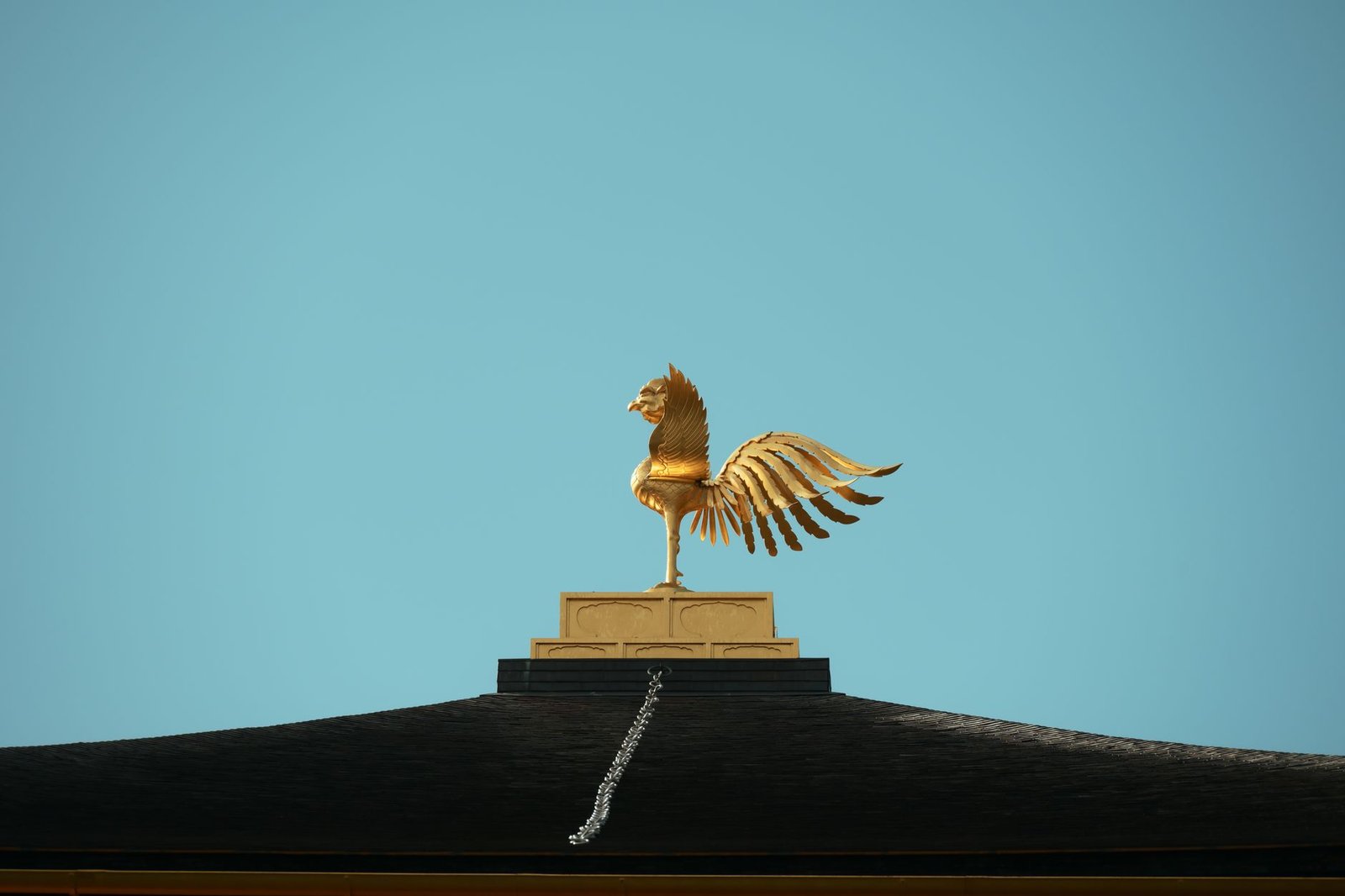
Roman Phoenix: History, Mythology, and Symbolism
The Roman Phoenix was not a distinct deity but a powerful mythic symbol in Roman religion, literature, art, and imperial imagery, representing renewal, immortality, and the continuity of empire. Traced through Greek and Egyptian influences and reinterpreted by Roman writers and rulers, its meaning reveals how ancient Rome used the phoenix to express endurance after crisis and the promise of restoration.

Capitoline Geese: History, Legend, and Roman Significance
The Capitoline Geese are remembered in Roman tradition as the temple birds whose sudden cries warned the city of a Gallic assault on the Capitoline Hill, an episode that became a lasting emblem of vigilance and divine protection. Blending legend, religion, and civic memory, their story reveals how ancient Romans understood sacred animals and omens—and why this celebrated tale continued to resonate long after the siege itself.

Manes: Definition, History, and Cultural Significance
The Manes were central to Roman ideas about death, honoring the deceased as divine or semi-divine spirits who received rites, offerings, and commemorative language. Their varied use in literature and inscriptions reveals a complex boundary between ancestors, ghosts, and the afterlife, inviting closer study of Roman religious thought.

Sow of Lavinium: Ancient Roman Myth and Symbolism
The **Sow of Lavinium** is a striking omen in Roman foundation legend, when a white sow with thirty piglets was said to appear at Lavinium, signaling divine approval of Aeneas’s settlement in Latium. Brief in the sources but rich in meaning, the episode links prophecy, place, and dynastic destiny, inviting closer attention to Rome’s mythical beginnings.

Lemures: Definition, History, and Cultural Significance
Lemures were feared in ancient Roman religion as restless, neglected spirits of the dead who could disturb the living when funerary rites were incomplete. This article explores their uncertain origins, their distinction from honored ancestors such as the *manes*, and the role they played in Roman beliefs about death, ritual, and social order.

Aquila (Roman Eagle Standard): Roman Military Symbol
The **aquila**, or Roman eagle standard, was the sacred emblem of a legion, symbolizing honor, unity, and Rome’s divine authority. From its uncertain rise in the Marian reforms to its role as a prized battlefield object, its story reveals why losing—or recovering—an aquila could define a legion’s fate.

She-Wolf of Rome (Lupa Capitolina): History and Meaning
The She-Wolf of Rome, or Lupa Capitolina, is a powerful emblem of the city’s legendary origins, combining the myth of Romulus and Remus with a bronze image that has shaped Roman identity for centuries. Its debated dating, layered meanings, and enduring political and artistic influence reveal why this familiar figure continues to invite closer study.

Wheel of Fortuna: Meaning, Origins, and Symbolism
The Wheel of Fortuna is a lasting symbol of fate’s unpredictability, linking Roman ideas of Fortuna with medieval philosophy, literature, and art. Its turning wheel captures the rise and fall of human fortune, inviting readers to explore how this powerful image shaped Western ideas of luck, destiny, and loss.