Afanc
Introduction
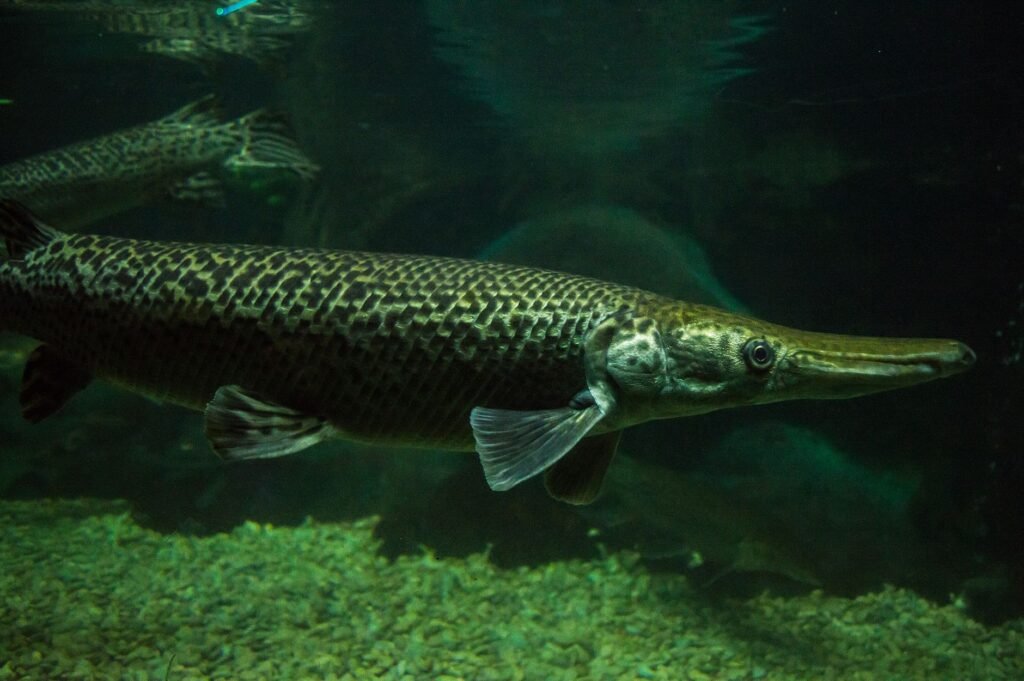
The Afanc is a legendary creature from Welsh tradition, usually described as a monstrous water-being associated with lakes, rivers, and other deep bodies of water. In Welsh folklore, it appears in different forms and with different spellings and interpretations, but it is most often presented as a dangerous, fearsome creature inhabiting remote waters. The Afanc is important not only as a figure of myth and folklore, but also as part of the broader Celtic imaginative world in which dangerous landscapes were populated by supernatural beings.
Unlike the clearly systematized gods of Greek or Roman religion, the Afanc belongs to the more fluid world of oral tradition. Its stories survive in medieval Welsh literature, later folklore, and modern retellings. As a result, the Afanc is best understood as a composite legendary being whose appearance, powers, and role vary across sources.
Origin and Meaning
The etymology of Afanc is not entirely certain, and scholars have offered different explanations. In Welsh, afanc is the modern and historical form of the word used for the creature, but in older sources the term can also refer to an animal, often translated as “beaver.” This overlap has led to debate over how the monster’s name developed.
Possible points of origin include:
- A native Welsh word connected to the idea of an aquatic animal, especially a beaver
- A later mythological development in which a real animal name was transformed into a supernatural being
- Regional storytelling traditions in which the term came to denote a lake monster or water demon
Because medieval Welsh texts do not always use the word in the same way, caution is necessary when defining it too narrowly. Some traditions treat the Afanc as a specific monster; others use the name more generally for a dangerous water creature.
Historical Context
The Afanc belongs to the mythic and folkloric heritage of Wales, a region with a strong tradition of oral storytelling, heroic literature, and local supernatural lore. In Celtic societies, water was often imagined as a threshold between the human world and the otherworld. Lakes, springs, and river pools were not merely geographic features; they could be sites of danger, mystery, healing, and divine or monstrous presence.
Medieval Welsh literature preserved many tales in which the natural landscape was animated by beings that tested heroes, threatened communities, or embodied forces of chaos. The Afanc fits this pattern well. It is usually associated with:
- Deep water and submerged places
- Isolation and wilderness
- Threats to human settlement or travel
- A struggle between order and the untamed natural world
In later Welsh folklore, especially during the early modern and modern periods, the Afanc became a more recognizable monster figure in local legends. At the same time, antiquarian writers and collectors of folklore helped shape how later readers imagined it, sometimes unifying scattered traditions into one “lake monster” identity.
Main Characteristics
Descriptions of the Afanc vary significantly, which is typical of folklore creatures transmitted over centuries. Depending on the source, it may resemble a beast, a reptilian monster, a giant water creature, or a more ambiguous aquatic terror.
Common characteristics
- Lives in lakes, rivers, or deep pools
- Associated with dangerous or inaccessible waters
- Presents a threat to humans and livestock
- Often difficult to capture, kill, or drive away
- In some traditions, can cause flooding or other environmental destruction
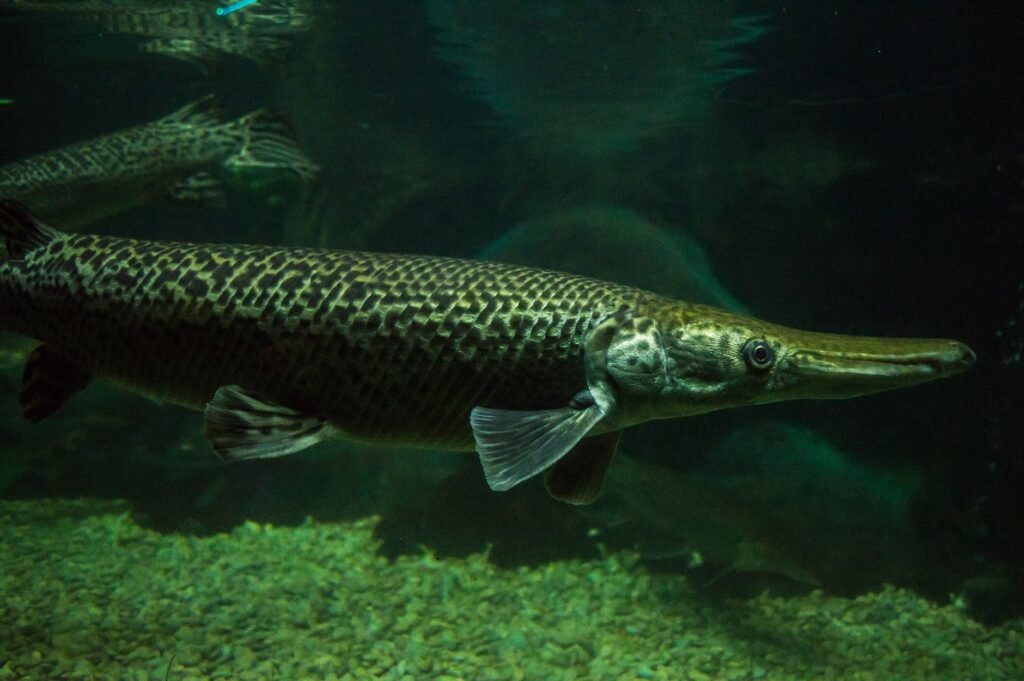
In some modern summaries, the Afanc is described as a lake monster with bearlike, crocodilian, or beaver-like traits. However, these visual details should not be treated as fixed ancient descriptions. Welsh sources are generally less specific than later popular images.
Variability in depiction
The Afanc is not a single standardized monster like a zoological species. Rather, it is a folkloric category that can shift according to place and story. Some accounts emphasize its size and strength; others its elusiveness or magical resistance. This variation reflects the oral nature of the tradition.
Family and Genealogy
Unlike gods and heroes in classical mythologies, the Afanc does not have a stable genealogy. There is no universally accepted family tree, parentage, spouse, or offspring attached to the creature.
Different traditions treat the Afanc in one of three ways:
- As a solitary monster with no kinship structure
- As one of several dangerous beings in Welsh folklore, without a detailed genealogy
- As a creature with transformed or local associations that sometimes connect it loosely to other water spirits or monsters
Because of this, genealogical questions are generally not central to the Afanc tradition. Its importance lies in its behavior, habitat, and symbolic function rather than in family relationships.
Symbols
The Afanc is primarily symbolized through its environment rather than through fixed ritual emblems.
Associated symbolic themes
| Symbol | Meaning |
|---|---|
| Water | Mystery, danger, the unknown, the otherworld |
| Lake or deep pool | Hidden power, liminality, supernatural threat |
| Darkness | Concealment, fear, the unreachable |
| Monster imagery | Chaos, disorder, the untamed natural world |
In Welsh folklore, water itself often functions as a symbol of boundary and transition. The Afanc, as a being of water, inherits this symbolism. It represents what lies beneath the surface: invisible danger, unstable natural forces, and the possibility that ordinary landscapes conceal extraordinary beings.
Sacred Animals
No set of sacred animals belongs to the Afanc in the way some deities or cult figures have associated creatures. However, several animals are relevant in interpretive and comparative discussions.
Animals associated with the Afanc
- Beaver: possibly linked through the etymology of the name in Welsh usage
- Fish: as a general emblem of aquatic life
- Reptiles: in later imaginative depictions of the creature
- Waterfowl: indirectly connected to lake and marsh environments
The beaver connection is especially important because the word afanc has historically been used for a beaver in Welsh. This does not mean the monster was literally a beaver, but it suggests that the creature may have grown out of observations or mythologization of a real aquatic animal. In folklore, ordinary animals often become enlarged into supernatural forms.
Sacred Plants
There are no universally recognized sacred plants linked specifically to the Afanc. Welsh folklore does, however, often place supernatural creatures in environments rich with reeds, rushes, moss, and waterside vegetation.
Plants commonly associated through habitat
- Reeds: concealment, marshy boundaries
- Rushes and sedges: wetland terrain, liminal spaces
- Moss and water plants: depth, stillness, obscured movement
- Trees near lakes or riverbanks: markers of haunted or enchanted places
Because the Afanc is a water creature, plant associations are mainly ecological and symbolic rather than ritual. Dense vegetation around lakes and pools reinforces the sense of hidden danger and unreadable depth.
Sacred Places
The Afanc is connected to specific watery landscapes rather than to formal temples or shrines. In Welsh tradition, certain lakes and pools are more likely to be associated with supernatural beings, including monstrous or otherworldly presences.
Typical locations
- Lakes
- Deep river pools
- Remote mountain waters
- Isolated marshes
- Waters near legendary or historical sites
Some later traditions associate the Afanc with named lakes in Wales, though details vary by region and storyteller. Because Welsh folklore often localizes monsters to particular places, the Afanc can be attached to more than one water body depending on the narrative tradition.
Broader spatial significance
In mythic terms, the Afanc’s habitat is not accidental. Lakes and deep waters are often imagined as entrances to hidden worlds. They are places of reflection, danger, and silence, making them ideal settings for a creature that embodies concealed power.
Powers and Attributes
The Afanc is typically characterized by its strength, hostility, and aquatic nature. Its exact powers vary by source, but several themes recur.
Commonly attributed powers
- Immense physical strength
- Resistance to injury or capture
- Ability to dwell in deep water with ease
- Potential to frighten or kill humans and animals
- In some stories, ability to cause environmental disruption
In some later tellings, the Afanc is nearly unstoppable and requires extraordinary effort to subdue. Heroes or communities who confront it often succeed only through ingenuity, teamwork, or special knowledge. This places the creature within a familiar folkloric pattern: the monster is not simply defeated by force, but by wit or supernatural help.
Main Myths
The Afanc appears in a number of Welsh legends, though the details differ from source to source. These tales often emphasize the difficulty of controlling the creature and the danger it poses to nearby communities.
The sleeping or hidden monster
One recurring idea is that the Afanc lies concealed in a lake or pool, emerging only when disturbed. This motif reflects the folklore notion that dangerous waters conceal powerful beings beneath calm surfaces.
The creature that must be driven away
Some stories describe the Afanc as terrorizing a district until a hero or group takes action to expel it. The methods of removal vary. In some versions, cleverness is more important than brute force.
The chain or binding motif
A later and widely known tradition tells of a creature from a lake that can be restrained or dragged from its waters only with exceptional effort. While the specifics differ, the image of a powerful water monster being chained, yoked, or forced out of its habitat is one of the most enduring themes associated with the Afanc.
Localized legend cycles
Because the Afanc is a folkloric being, different regions may preserve different stories. Some versions are closer to cautionary tales, while others resemble hero legends or etiological stories explaining strange sounds, waves, or deaths in the water.
Relationship with Other Mythological Figures
The Afanc does not occupy a highly structured mythological pantheon, but it does interact conceptually with several categories of Welsh supernatural figures.
Similar beings and contrasts
- Water spirits and lake monsters: the Afanc belongs to the same broad category of aquatic supernatural beings
- Heroes and dragonslayers: unlike heroic beasts in some tales, the Afanc is often associated with local struggle rather than national epic
- Otherworld beings: it shares with many Celtic creatures a connection to liminal spaces and hidden realms
Human adversaries
The most important relationships in Afanc stories are usually adversarial. The creature opposes settlers, travelers, or local defenders. In some narratives, a hero or community figure becomes significant through the act of confronting it. The Afanc thus serves as a test of human courage and intelligence.
Comparative mythological parallels
The Afanc is sometimes compared with lake monsters and water demons from other traditions, though such comparisons should be used carefully. Similar motifs appear in Celtic, Scandinavian, and broader European folklore: a dangerous aquatic being, a hidden lake, and a hero who restores safety to the land.
Worship and Cult
There is no evidence of a formal cult, organized worship, or priesthood devoted to the Afanc. It is best understood as a folkloric and mythological creature rather than an object of religious devotion.
Possible functions in folk belief
Although not worshipped, the Afanc may have served several cultural functions:
- Explaining mysterious deaths or accidents in water
- Warning people to avoid dangerous lakes and rivers
- Symbolizing the hazards of the natural world
- Providing a dramatic focus for local storytelling
In premodern communities, stories about monsters often had practical value. They could reinforce safety around hazardous terrain while also preserving a sense of awe toward nature. The Afanc likely functioned in this way within oral tradition.
Ancient Sources
The Afanc is not as extensively documented in ancient literature as Greek or Roman gods. References are found in Welsh sources and later antiquarian scholarship rather than in the classical canon.
Important source traditions
- Medieval Welsh literature: contains the earliest known literary contexts in which related terms and motifs appear
- Welsh folklore collections: preserve regional stories and later interpretations
- Antiquarian and folkloristic writings: helped codify the Afanc as a named monster in modern readership
Because source traditions vary, it is important not to overstate certainty. The Afanc is a product of layered transmission, and surviving texts do not always agree on whether the term denotes a real animal, a monster, or both.
On classical authors
The Afanc is not a figure from Homer, Hesiod, Apollodorus, Pausanias, or Ovid. Those authors are relevant only as points of comparison in broader mythological study, not as direct sources for the Afanc tradition.
Roman Equivalent
There is no exact Roman equivalent to the Afanc. Roman religion and mythology include water deities and monsters, but none correspond perfectly to a Welsh lake monster with shifting folkloric identity.
Approximate parallels, not direct equivalents
- River gods and nymphs: associated with water, but generally not monstrous
- Monstrous aquatic beings in Roman literature: sometimes function as dangers of the wild
- Local spirits or numina: a broader category that may be compared with localized folklore beings
Because the Afanc is rooted in Welsh tradition, any Roman parallel is comparative rather than translational. It is more accurate to describe analogues than equivalents.
Influence on Modern Culture
The Afanc has experienced renewed interest through modern fantasy, folklore studies, and Welsh cultural identity. It appears in discussions of Celtic mythology, monster lore, and regional heritage.
Areas of modern influence
- Literature: used in fantasy fiction inspired by Welsh myth
- Tabletop and role-playing games: appears as a monster concept or setting element
- Video games: sometimes adapted as a Welsh-themed creature
- Popular mythology books: included among Celtic monsters and legendary beasts
- Art and illustration: depicted in dramatic lake-monster forms
- Welsh cultural revival: referenced as part of national and linguistic heritage
Modern portrayals often give the Afanc a more standardized appearance than older sources do. While this helps audience recognition, it can also flatten the creature’s folkloric complexity. Scholarly treatments usually emphasize that the Afanc is better understood as a tradition of related stories rather than a single fixed monster design.
Curiosities
- The word afanc has historical connections with the word for beaver in Welsh, which may have influenced the creature’s development.
- The Afanc is one of several Welsh legendary beings whose stories are tied to specific landscapes rather than abstract mythic realms.
- Its identity is not fully uniform across texts, making it a good example of how folklore changes over time.
- The creature is often discussed alongside lake monsters, although its literary and folkloric roots are distinctly Welsh.
- The Afanc’s enduring appeal comes partly from its ambiguity: it is both a local monster and a symbolic embodiment of hidden natural danger.
- Some modern depictions make the Afanc look like a reptile or crocodile, but this is a later imaginative convention rather than a fixed ancient description.
- The monster’s home in deep water reflects a widespread mythic pattern in which depth equals mystery and threat.
Frequently Asked Questions
What is the Afanc?
The Afanc is a legendary Welsh water creature, usually described as a dangerous monster living in lakes, rivers, or deep pools.
Is the Afanc a god or a monster?
It is generally considered a monster or folkloric creature, not a god. There is no evidence of a formal cult devoted to it.
What does the name Afanc mean?
The etymology is uncertain. The word has historical links with Welsh terms associated with the beaver, but the exact development of the monster’s name is debated.
Where did the Afanc live?
Traditionally, the Afanc lived in deep waters such as lakes, river pools, marshes, or other isolated aquatic places.
What powers does the Afanc have?
Different traditions describe it as strong, dangerous, difficult to kill or capture, and sometimes capable of harming people, animals, or the surrounding environment.
Is the Afanc mentioned in ancient Greek or Roman sources?
No. The Afanc belongs to Welsh tradition, not Greek or Roman mythology.
Does the Afanc appear in modern media?
Yes. It appears in fantasy literature, games, artwork, and popular discussions of Celtic monsters, especially in contexts inspired by Welsh folklore.
Is the Afanc the same as the Loch Ness Monster?
No. They are different traditions. The Afanc is a Welsh folkloric creature, while the Loch Ness Monster belongs to Scottish legend and modern cryptid culture.
Conclusion
The Afanc is a compelling figure in Welsh mythology and folklore, representing the enduring human fascination with hidden dangers in the natural world. Though its exact appearance and origins vary across sources, the creature consistently symbolizes deep water, unpredictability, and the power of landscapes that resist easy control.
As a monster of oral tradition rather than formal religion, the Afanc has no fixed canon. Its value lies in its flexibility: it can be a beast, a warning, a local legend, or a symbol of the mysterious forces beneath the surface of everyday life. For this reason, the Afanc remains an important part of Welsh cultural memory and a distinctive presence in the wider study of European myth and folklore.

Orin Vale has spent the better part of two decades tracing the threads that connect the world’s oldest stories — from the halls of Asgard to the banks of the Nile, from Olympus to the jungles of the Maya. What began as a childhood fascination with flood myths and trickster gods grew into years of independent study across comparative mythology and ancient religion, always chasing the same question: what did these stories mean to the people who first told them? Orin writes for readers who want more than trivia — the ones looking for the beliefs, fears, and truths that myths were built to carry.