Greek Mythology
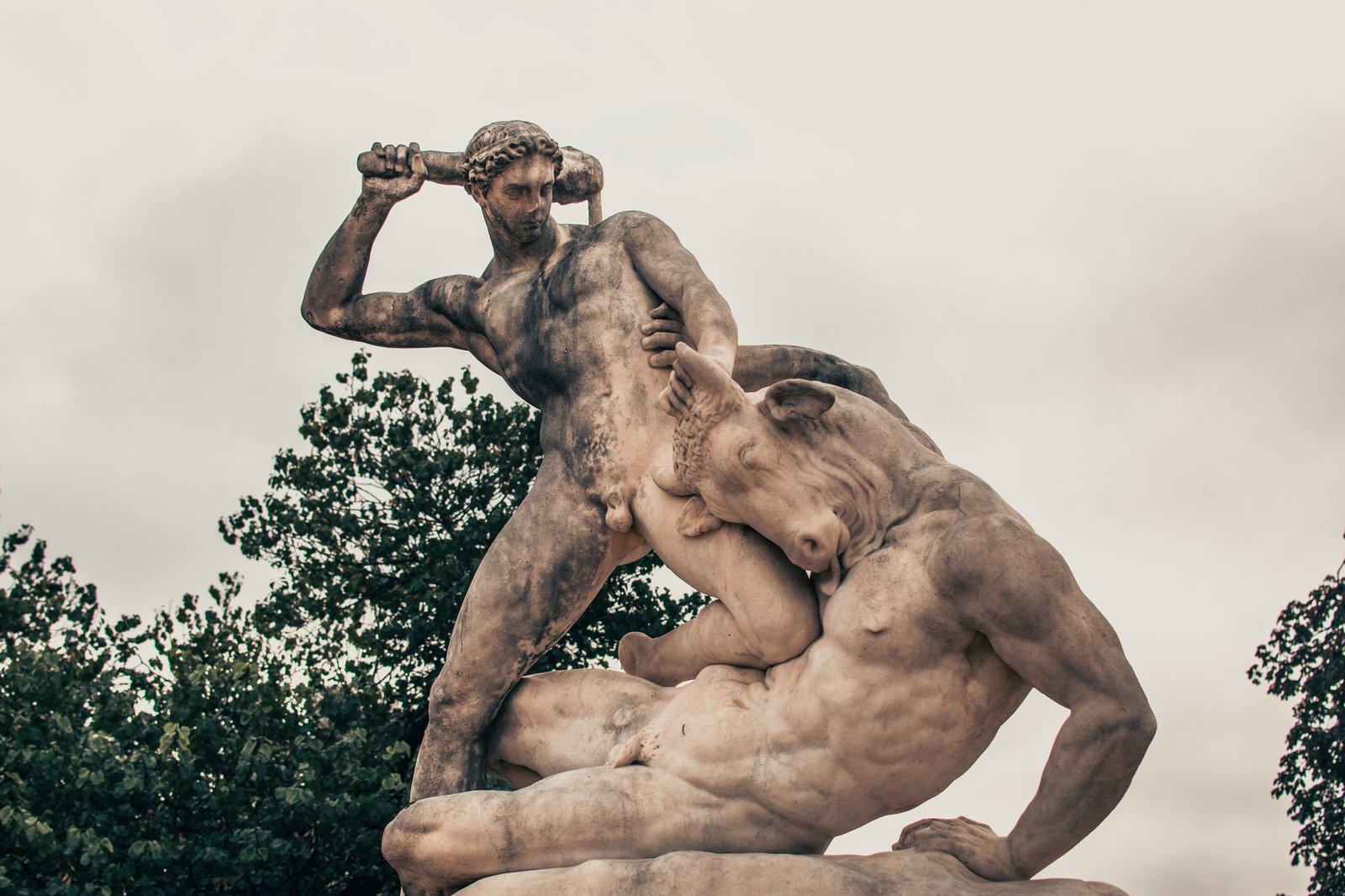
Difference Between Giants And Monsters In Greek Mythology
In Greek mythology, the difference between a giant and a monster is more than a matter of size: giants, especially the Gigantes, are a specific race tied to earth and rebellion against the gods, while monsters form a wider category of unnatural, fearsome beings. Exploring how ancient writers used these terms reveals a more subtle system of mythic classification than modern readers often expect.

Greek Sphinx vs Egyptian Sphinx: Key Differences Explained
The Greek sphinx vs Egyptian sphinx comparison highlights two strikingly different traditions: one a riddling monster of Greek myth, the other a lion-bodied guardian of royal and sacred power in ancient Egypt. Exploring their origins, symbolism, and artistic forms reveals how a shared image could carry profoundly different meanings across cultures.

Typhon and Echidna: Why So Many Monsters Descend From Them
In Greek mythology, the focus keyword explains how Typhon and Echidna came to be cast as the progenitors of a remarkable line of monsters, from Cerberus and the Hydra to the Chimera and beyond. Their family tree is more than a catalogue of horrors: it reveals how the Greeks gave shape, order, and meaning to chaos, and why these figures remained central to mythic storytelling.
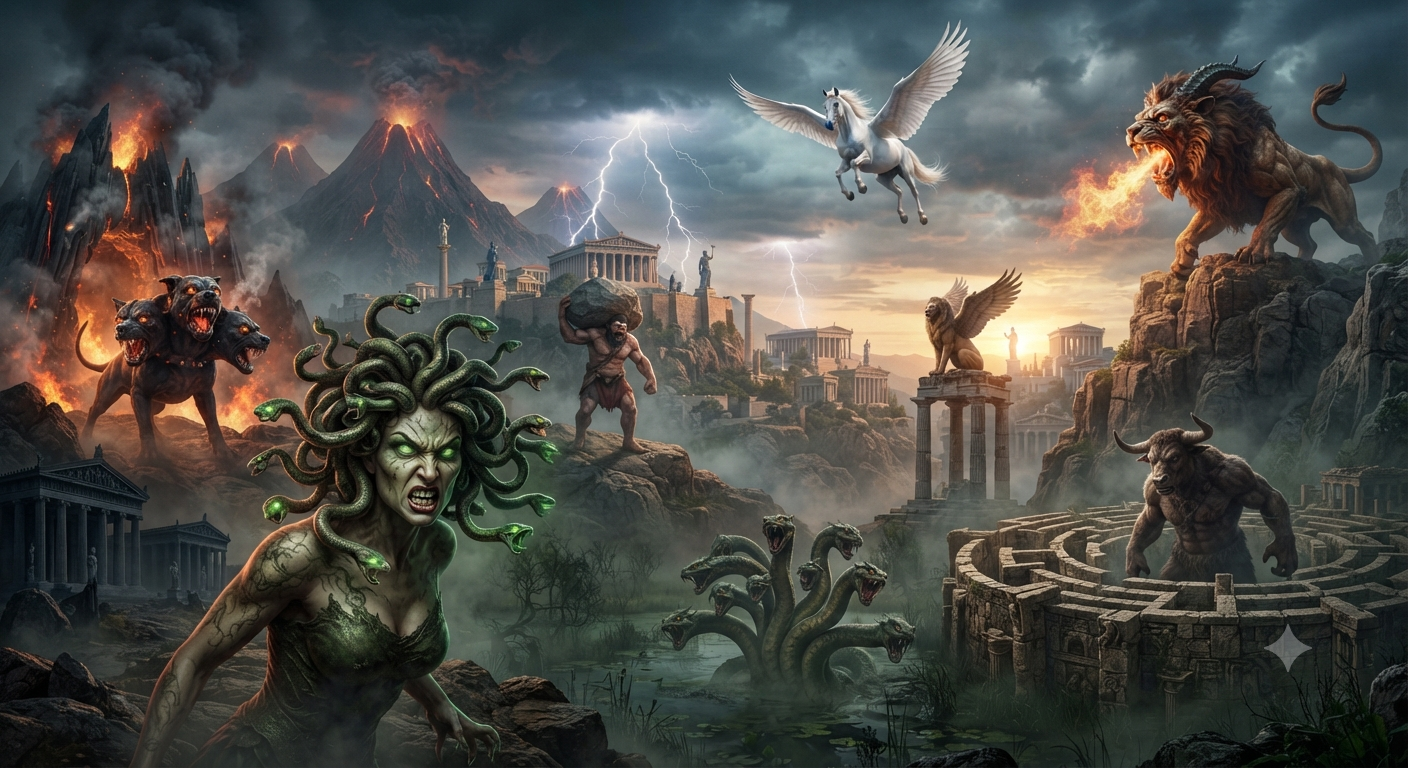
Greek Creatures and Monsters: The Complete Guide
Greek mythology’s monsters are more than obstacles for its heroes — they embody the chaos, danger, and wildness that civilization ...