Greek Myths & Legends

Niobe’s Tragedy: Greek Mythology and the Story of Niobe
Niobe’s tragedy tells of the Theban queen whose boastful claim to outshine Leto provokes Apollo and Artemis into killing her children, turning pride into unbearable grief. Central to Greek ideas of divine retribution and mortal limits, the myth endures as a powerful symbol of mourning, punishment, and the fragility of fortune.

Arachne and Athena: Greek Mythology Story and Meaning
Arachne and Athena is a foundational Greek myth about a mortal weaver whose unmatched skill and pride provoke a contest with the goddess of wisdom and craft. Retold most famously by Ovid, the story explores artistic excellence, divine authority, and the perilous line between achievement and hubris, inviting deeper reflection on creativity and punishment.

Midas and the Golden Touch: Myth, Meaning, and Origin
Midas and the golden touch is a classic Greek myth about King Midas of Phrygia, who receives the power to turn everything he touches into gold, only to find that wealth can quickly become a burden. Exploring its ancient sources, symbolic meanings, and lasting influence, the story reveals why this tale still fascinates readers as a meditation on desire, power, and regret.
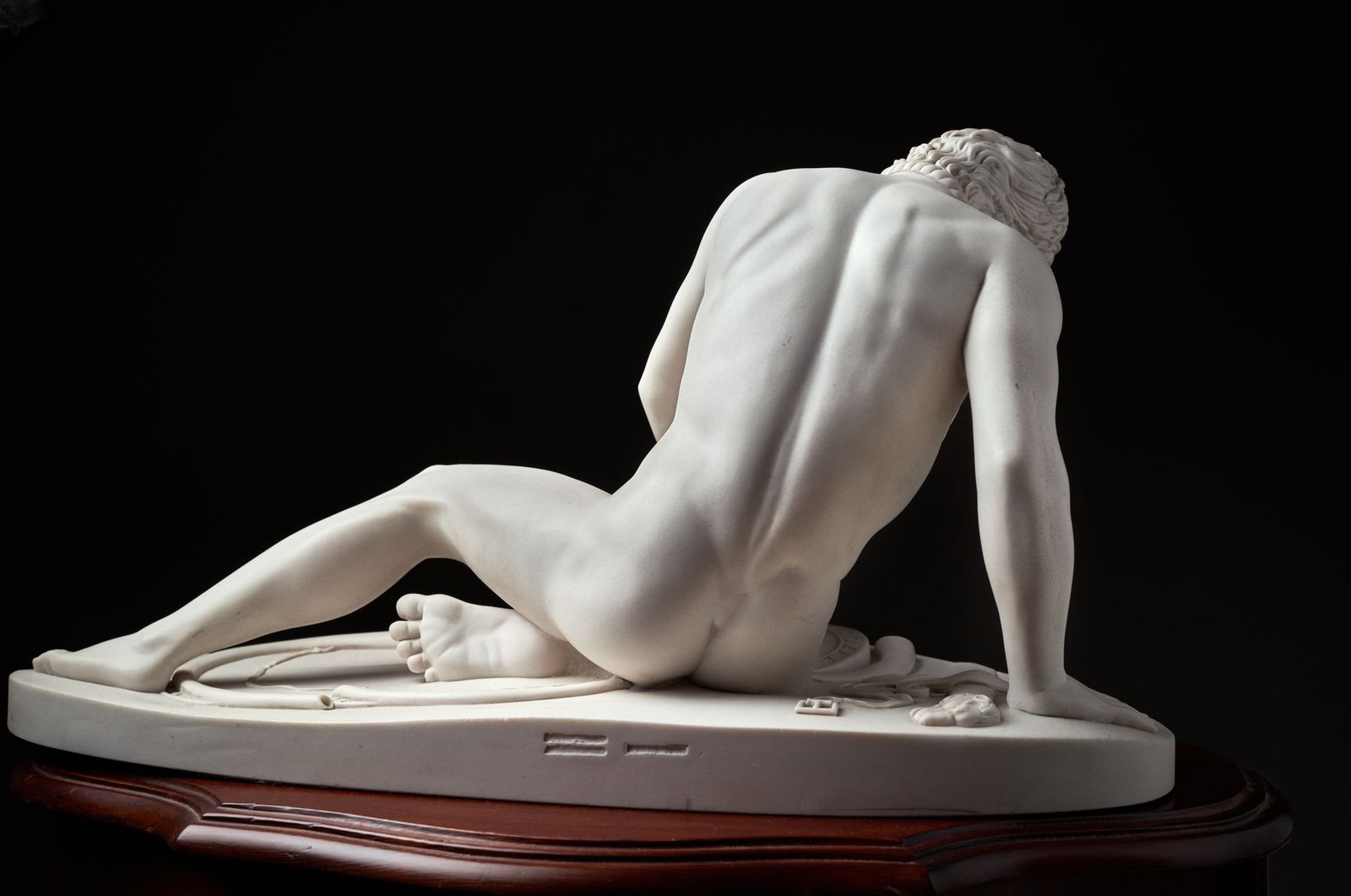
Sisyphus and His Eternal Punishment in Greek Mythology
Sisyphus and his eternal punishment have long symbolized the futility of repeated effort, drawing on the myth of a cunning Corinthian king condemned to roll a stone uphill forever. This article explores how his defiance, divine retribution, and fate in Hades shaped ancient Greek ideas about mortality, law, and the limits of human ingenuity.
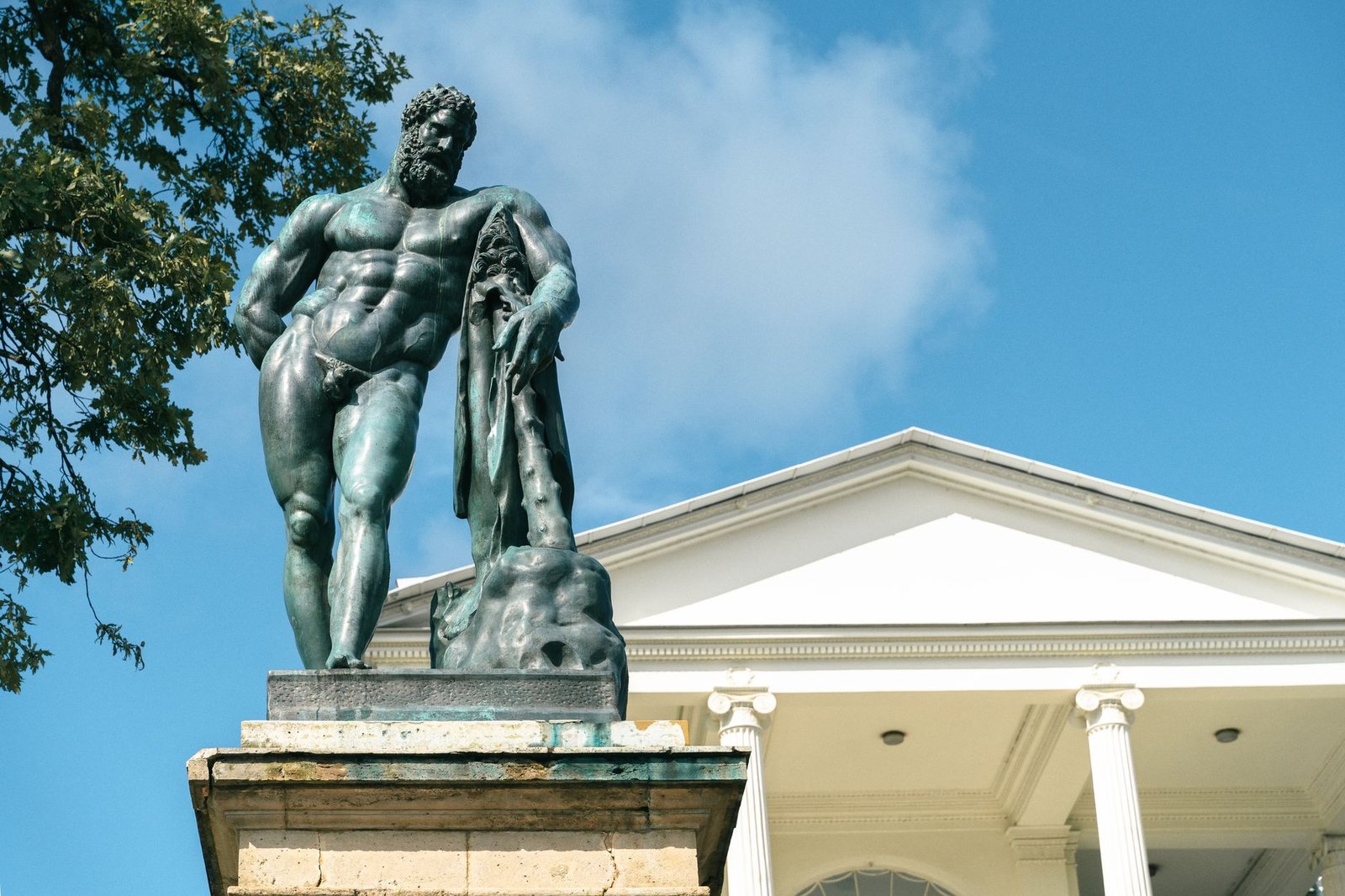
Tantalus and His Eternal Punishment in Greek Mythology
Tantalus and his eternal punishment is one of Greek mythology’s most memorable accounts of divine retribution: a favored mortal is condemned in the underworld to hunger and thirst beside food and water forever out of reach. This enduring myth, rooted in themes of hubris, impiety, and broken trust, also gave English the word “tantalize,” inviting readers to explore how ancient storytellers turned punishment into a lasting cultural symbol.

Ixion’s Punishment in Greek Mythology Explained
Ixion’s punishment is a central episode in Greek mythology, telling how the king Ixion incurred Zeus’s wrath by violating hospitality and attempting to seduce Hera. Condemned to an eternal spinning wheel of fire, his fate became a lasting symbol of divine justice, hubris, and the severe consequences of sacred transgression.

The Danaides’ Punishment in Greek Mythology Explained
The Danaides punishment is a classic Greek myth of eternal penance, in which the fifty daughters of Danaus are condemned in Hades to fill perforated jars with water, a labor doomed to fail. Beyond its striking image of futile effort, the story has shaped interpretations of divine justice, guilt, and the symbolic meaning of endless, meaningless work.

Echo and Narcissus: Greek Myth and Story Summary
Echo and Narcissus is a central episode in Greco-Roman mythology, best known from Ovid’s Metamorphoses, where two separate but intertwined tales explore unreturned desire, identity, and transformation. Echo, cursed to repeat the words of others, and Narcissus, condemned by self-obsession, became enduring symbols that continue to shape literature, art, and psychology.

Hyacinthus and Apollo: Myth, Story, and Meaning
**Hyacinthus and Apollo** is a central Greek myth of divine love, tragic accident, and transformation, in which Apollo’s beloved Spartan youth dies and is commemorated through the hyacinth flower. Examining its origins, symbolic meanings, and later adaptations reveals how ancient poets turned mourning and beauty into an enduring etiological tale.

Endymion and Selene: Greek Myth of Moon and Love
Endymion and Selene is a classic Greek myth that joins mortal beauty, divine longing, and the moon’s quiet power in a story of sleep and enchantment. This article traces the myth’s shifting ancient versions, the meanings behind its names, and the ways it shaped later poetry, art, and interpretations of love, immortality, and dreams.