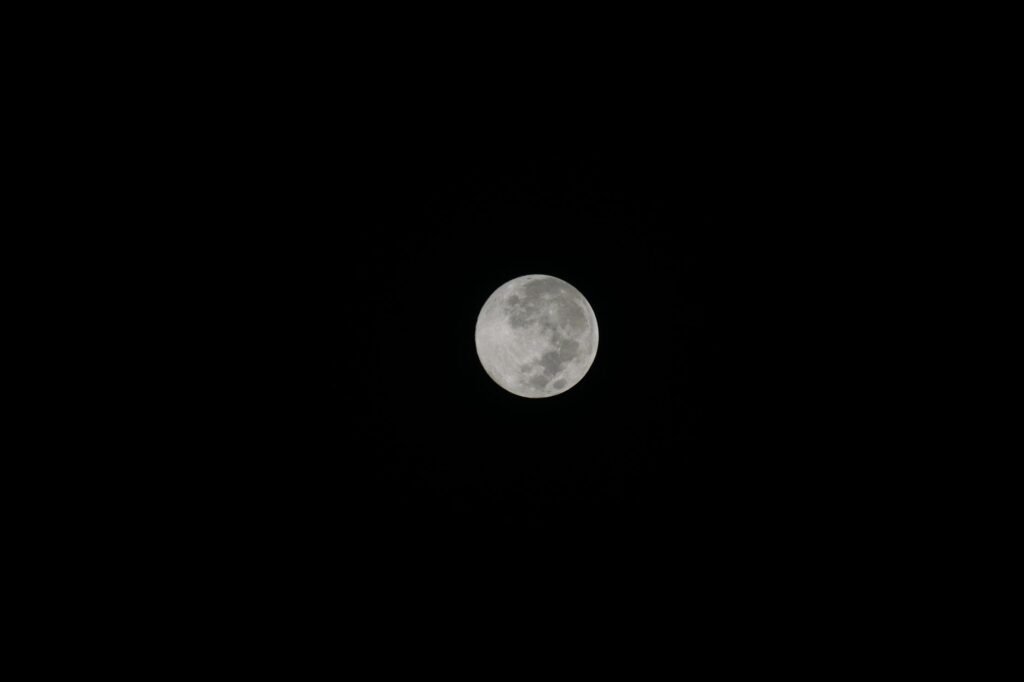
Endymion and Selene
Introduction

Endymion and Selene are among the most enduring figures in Greek myth, associated with love, sleep, youth, and the luminous mystery of the moon. Their story is best known as the tale of a mortal youth, Endymion, granted eternal sleep and visited by the moon goddess Selene, who fell in love with him. In some versions, this relationship is gentle and poetic; in others, it is more explicitly tied to divine desire, immortality, and the strange boundary between waking life and dream.
The myth has fascinated readers for centuries because it combines romance with cosmic symbolism. It also appears in multiple ancient traditions, with differences in genealogy, setting, and interpretation. As a result, “Endymion and Selene” is not a single fixed story but a cluster of related myths and later literary reworkings that became important in Greek and Roman culture, as well as in later art, poetry, and popular imagination.
Origin and Meaning
The name Endymion is ancient Greek in form, but its precise etymology is not certain. Ancient authors do not provide a definitive explanation, and modern scholars have proposed several possibilities without universal agreement. The name is closely associated with endyein, a Greek verb meaning “to enter” or “to sink into,” which has encouraged interpretations linking Endymion to sleep or descent, though this remains speculative.
Selene is more transparent linguistically. Her name is commonly connected with the Greek word selas, meaning “light” or “brightness,” especially the light of the moon. She is the personified moon in Greek religion and poetry, distinct from but related to other lunar deities such as Artemis in later poetic and philosophical traditions.
Historically, the myth of Endymion appears to have developed within Greek literary and local cult traditions rather than from a single identifiable origin. Ancient sources vary widely: some describe Endymion as a shepherd, others as a hunter, king, or astronomer. The myth likely accumulated elements over time, especially in connection with moon worship, local hero cults, and poetic allegory.
Historical Context
The story of Endymion and Selene belongs to the world of ancient Greek myth, in which gods often interact with mortals through love, punishment, favor, or transformation. It reflects several recurring themes in Greek religion and literature:
- the contrast between mortality and immortality
- the power of divine desire
- the symbolism of sleep and dreams
- the moon as a celestial and emotional presence
- the idea of a beloved preserved from aging or decay
Endymion was especially associated with Elis, in the Peloponnese, though traditions also place him elsewhere. In Greek local mythology, hero cults often developed around figures whose stories were linked to specific landscapes, tombs, mountains, or sacred caves. Endymion is one such figure: sometimes a mortal king, sometimes a shepherd, sometimes a symbol of perpetual sleep.
Selene, by contrast, belonged to the broader divine order. In Homeric and later Greek thought, she was one of the celestial deities who governed the night sky. Unlike the Olympian gods with extensive cult institutions, Selene is more prominent in poetry and myth than in large-scale public worship. Her union with Endymion reflects the ancient habit of turning natural phenomena into stories of divine relationship.
Main Characteristics
Endymion
Endymion is usually portrayed as:
- extraordinarily beautiful
- youthful and eternally unchanged
- connected with sleep, dreams, or suspended animation
- sometimes mortal, sometimes granted a quasi-divine afterlife
- associated with pastoral or royal settings depending on the source
A central feature of the myth is his eternal sleep or perpetual rest. Ancient sources differ on whether this sleep is a gift, a punishment, or a condition chosen by the god or by Endymion himself. In later tradition, his beauty remains undiminished while he sleeps, which makes him an object of idealized love.
Selene
Selene is typically described as:
- the moon goddess or moon personified
- radiant and beautiful
- moving across the night sky in a chariot or on horseback in some artistic representations
- associated with night, tides, dew, and the rhythms of time
- capable of love for mortals, as in the Endymion myth
In art and poetry, she is often shown as a luminous female figure, sometimes with a crescent moon, veil, or torch-like radiance. Her role in the myth is both cosmic and intimate: she governs the moon’s movement, yet she is emotionally moved by mortal beauty.
Family and Genealogy
The genealogy of Endymion varies significantly in ancient sources.
Endymion’s parentage and descendants
Different traditions identify him as the son of:
- Aethlius and Calyce
- Zeus
- Aethlius as part of a local Elis tradition that connects him to the first kings of the region
Some accounts make Endymion a king of Elis; others make him a shepherd on Mount Latmos in Caria. His family relationships are similarly variable.
In one important tradition, Endymion and Selene are the parents of fifty daughters, often named the Menae or associated with lunar months. This interpretation makes the myth cosmological, connecting the moon with the division of time. Other versions state that Selene bore him a single child, or that the daughters belong to Endymion through another union. Ancient sources do not agree.
Selene’s family
Selene is commonly identified as the daughter of the Titans:
- Hyperion
- Theia
Her siblings are usually:
- Helios (the Sun)
- Eos (the Dawn)
This Titan genealogy is standard in Greek literature and places Selene within a celestial family that symbolizes the cycle of day, dawn, and night.
Symbols
The myth of Endymion and Selene is associated with several enduring symbols.
| Symbol | Meaning | Association |
|---|---|---|
| Moon | Beauty, change, cycles, night | Selene |
| Crescent moon | Lunar identity, feminine radiance | Selene in art |
| Sleep | Timelessness, suspended mortality | Endymion |
| Cave or mountain | Isolation, hidden sacred space | Endymion in some local traditions |
| Torch or radiance | Night light, divine presence | Selene |
| Stars | Celestial order, nocturnal sky | Selene’s domain |
The most important symbolic pairing is moon and sleep. Endymion’s endless rest mirrors the nightly disappearance of the moon and its return, while Selene’s recurring visits reflect the cyclic nature of lunar time. The myth can therefore be read as a poetic model for natural rhythm as well as romantic longing.
Sacred Animals
There is no universally fixed “sacred animal” for Endymion and Selene in the way there is for some Olympian gods. However, later artistic and literary traditions often associate Selene with animals linked to her nocturnal and celestial character.
Common associations include:
- Horses: Selene is frequently imagined riding in a chariot drawn by horses across the night sky.
- Mules or cattle in some local stories: Greek myth can vary regionally, but these are not universally established symbols.
- Sheep or pastoral animals: linked to Endymion in versions where he is a shepherd.
- Dogs: sometimes associated indirectly with night and hunting, though not central to this myth.
The horse is the most recognizable symbolic animal because it appears in visual representations of lunar travel. Endymion’s pastoral associations, where present, connect him more to the landscape than to a specific sacred animal.
Sacred Plants
Ancient sources do not identify a single sacred plant specifically belonging to Endymion or Selene. Still, several plants recur in Greek lunar and nocturnal symbolism:
- Laurel: often linked to divine favor in Greek religion generally
- Poppy: associated with sleep and dreams
- Night-blooming flowers: in later symbolic and literary uses
- Willow or soft foliage: occasionally linked to melancholy, moonlight, or sleep in later art
Because the myth emphasizes sleep, beauty, and the night, later interpreters often associated it with plants that suggest softness, coolness, or dreamlike atmosphere. These associations are largely literary rather than evidence of a specific ancient cult.
Sacred Places
The most important locations connected with Endymion and Selene vary by tradition.
Mount Latmos
One of the best-known settings is Mount Latmos in Caria (in southwestern Anatolia, in the region of modern Turkey). Later sources place Endymion there, and the mountain became strongly associated with his eternal sleep and Selene’s visits. The location helped the myth acquire a landscape of solitude and nocturnal beauty.
Elis
Another major setting is Elis in the Peloponnese. Some traditions identify Endymion as a king of Elis and connect him to local heroic genealogy. This version likely reflects regional attempts to anchor myth in local identity and political memory.
Caves and secluded places
Although ancient sources differ, Endymion is often imagined in a cave, on a mountain, or in another hidden place of rest. Such settings suit the myth’s themes of withdrawal, timelessness, and moonlit visitation.
There is no securely attested major temple dedicated jointly to Endymion and Selene, but their stories circulated in local cult, poetry, and philosophical allegory.
Powers and Attributes
Selene
Selene’s powers and domains include:
- the moon and lunar light
- the night sky
- time measured by months
- sleep, dream, and nocturnal calm in poetic tradition
- fertility and cyclical renewal in symbolic interpretation
As a lunar goddess, Selene embodies regular motion and change. Ancient literature often stresses her brightness and motion across heaven.
Endymion
Endymion is not a god of broad cosmic power. His significance lies in:
- eternal youth or unaging beauty
- the condition of sleep
- mortal intimacy with divinity
- symbolic suspension between life and death
In some later interpretations, Endymion becomes a figure of contemplative stillness or idealized beauty. He is less an active divine agent than a mythic recipient of divine love and preservation.
Main Myths
The Love of Selene for Endymion
The central myth tells of Selene’s love for Endymion. In many versions, she sees him while he sleeps and becomes deeply enamored. Because he is mortally beautiful, she either:
- asks Zeus to grant him eternal sleep and preserve his beauty, or
- causes or receives divine sanction for his immortal rest, or
- loves him in a way that keeps him perpetually unchanged
Different sources handle the cause of his sleep differently. Some emphasize divine favor; others imply a strange compromise that allows Selene to love him without loss. The core idea remains the same: Endymion is preserved in a timeless state, and Selene returns to him in the night.
The gift or burden of sleep
A major interpretive question in ancient and later traditions is whether Endymion’s sleep is a blessing or punishment. The answer varies:
- Blessing: he is kept eternally beautiful and untouched by age
- Punishment: he is denied ordinary human life
- Ambiguous divine condition: his sleep is both fortunate and tragic
This ambiguity gives the myth its enduring power. It is not simply a love story, but a meditation on what immortality means when separated from waking experience.
The fifty daughters
Some versions say Selene bore Endymion fifty daughters. These daughters may represent:
- lunar months
- a symbolic calendar
- the continuity of time despite the fixed sleep of Endymion
The number fifty is significant in Greek thought but not consistently explained in the sources. It varies by tradition and should not be treated as universally canonical.
Endymion as king, shepherd, or hunter
Ancient texts offer different identities for Endymion:
- king of Elis
- shepherd
- hunter
- astronomer or observer of the heavens in later rationalizing accounts
These roles reflect the flexibility of myth. A king can become a pastoral youth, and a shepherd can become a cosmic beloved. The shifting identity suggests that Endymion was adapted to different local and literary contexts.
Relationship with Other Mythological Figures
Endymion and Selene are connected to a wide network of Greek mythological figures.
Zeus
Zeus is central in some accounts because he grants or authorizes Endymion’s sleep. In this role, Zeus acts as the ultimate regulator of divine-mortal relations.
Helios and Eos
Selene’s siblings, Helios and Eos, are important for understanding her place in the cosmic cycle. Together they represent:
- dawn
- day
- night and moonlight
Their family structure reinforces the mythic ordering of time.
Artemis
In later tradition, Selene may be associated with Artemis, though the two are not identical in classical Greek religion. Artemis is a goddess of the hunt, wilderness, and virginity, while Selene is specifically lunar. Later interpreters sometimes blur these figures because both are linked to the moon.
Aphrodite
Aphrodite is not central to the myth, but Selene’s love for Endymion belongs to the broader Greek theme of divine passion, often associated with Aphrodite’s influence over desire. Some later readings interpret Selene’s longing through a Venus-like lens, although this is not the myth’s core classical form.
Worship and Cult
Selene did not have the same widespread public cult as major Olympian gods, and Endymion is more a heroic or local mythic figure than a widely worshiped deity. Nevertheless, both were important in religious imagination.
Selene
Selene may have received:
- poetic invocation
- private prayer
- astronomical and calendrical significance
- local or syncretic worship in some areas
In Greek religion, lunar deities mattered for measuring time and for ritual timing, since months were based on the moon. Selene’s significance was therefore both practical and symbolic.
Endymion
Endymion’s cult is less clearly documented than his mythic presence. In local traditions, he may have been honored as a heroic figure linked to place, ancestry, or sacred sleep. However, surviving evidence does not support a large, standardized cult comparable to that of Olympian gods.
Ritual and symbolic use
The myth of Endymion and Selene influenced:
- literary descriptions of nocturnal ritual
- philosophical discussions of sleep and beauty
- artistic motifs in painting, mosaics, and sculpture
Direct evidence for specific festivals devoted jointly to them is limited and should not be overstated.
Ancient Sources
The myth appears in several ancient sources, but no single author gives the only authoritative version.
Important classical sources include:
| Author | Work | Contribution |
|---|---|---|
| Hesiod | Theogony and related fragments | Background on Selene’s divine family |
| Homeric Hymns | Hymnic tradition | Broader context for lunar divinity |
| Apollodorus | Bibliotheca | Brief mythographic summaries, including Endymion traditions |
| Pausanias | Description of Greece | Local traditions about Elis and hero cult |
| Theocritus | Idyllic poetry | Pastoral and poetic treatments of Selene/Endymion themes |
| Ovid | Metamorphoses and related works | Roman literary adaptation of Greek myth |
| Lucian | Select works | Literary and satirical references to lunar motifs |
| Propertius and other elegists | Love poetry | Later poetic reception of the myth |
Pausanias is especially valuable for local Greek variants, while Ovid is significant for the myth’s afterlife in Latin literature. Mythographical sources often preserve alternative genealogies and identities for Endymion.
Roman Equivalent
There is no exact Roman equivalent to Endymion, but the Roman adaptation of the myth is strong. Selene is usually identified with Luna, the Roman moon goddess. In Roman poetry and art, Luna takes over many of Selene’s features.
Endymion remains Endymion in Latin literature, although his story is retold through Roman aesthetic and philosophical tastes. Ovid and later Latin poets helped make the myth one of the classic examples of divine love for mortal beauty.
In Roman culture, the myth often became more openly romantic and artistic, emphasizing:
- nocturnal beauty
- longing
- dreamlike suspension
- the moon’s emotional symbolism
Influence on Modern Culture
The myth of Endymion and Selene has had a long afterlife in Western culture.
Literature
Writers have returned to the myth because it combines beauty, sleep, and unattainable love. It appears in:
- Renaissance poetry
- Romantic literature
- Victorian verse
- modern retellings of Greek myth
John Keats’s poem “Endymion” is one of the most famous literary works inspired by the myth, although it transforms the classical story into a broader romantic quest for ideal beauty.
Art
Painters, sculptors, and illustrators have often depicted:
- Selene descending to Endymion
- the sleeping youth in moonlight
- the moon goddess with a crescent crown
- eroticized or idealized scenes of divine visitation
The subject became especially popular in neoclassical and academic art.
Music and stage
The names Endymion and Selene have appeared in:
- operatic and theatrical works
- choral compositions
- ballets
- lyric and symbolic performance traditions
Popular culture
The myth continues to inspire:
- fantasy novels
- video games
- comics
- cinematic references
- music albums and song titles
Its modern appeal lies in its visual power and emotional ambiguity: it is at once romantic, eerie, and timeless.
Curiosities
- Endymion is one of the few mythic figures whose defining characteristic is continuous sleep rather than action.
- The story can be read as a myth about the moon’s cyclical return to the same beloved place each night.
- In some philosophical or allegorical interpretations, Endymion represents the soul’s immersion in contemplative stillness.
- Ancient sources do not agree on whether Selene loved Endymion because of his beauty alone or because his sleep made him divinely untouchable.
- The myth became especially popular in later European art because it offered a socially acceptable way to portray the nude or semi-nude male body in a classical setting.
- Endymion’s many local identities show how Greek myth often blended regional history with cosmic storytelling.
- The tale is unusual because the central romantic act is not pursuit or union, but repeated visitation.
Frequently Asked Questions
Who are Endymion and Selene?
Endymion is a mythological youth or king associated with eternal sleep, and Selene is the Greek moon goddess. Their myth centers on Selene’s love for Endymion and his timeless slumber.
Why does Endymion sleep forever?
Ancient sources differ. In some versions, Zeus grants him eternal sleep; in others, his condition is a divine favor or a form of preservation. The myth does not offer a single explanation.
Was Endymion a god or a mortal?
He is usually treated as a mortal or semi-mortal figure, though some traditions give him divine ancestry or exceptional status.
Did Selene and Endymion have children?
Some ancient traditions say they had fifty daughters, often linked symbolically to lunar months. Other versions differ, so this is not consistent across all sources.
Where did the myth take place?
Common settings include Mount Latmos in Caria and Elis in Greece. Different ancient traditions place Endymion in different locations.
Is Selene the same as Artemis?
No. Selene is the moon personified, while Artemis is primarily the goddess of the hunt, wilderness, and virginity. Later writers sometimes associate them, but they are distinct deities.
What is the main meaning of the myth?
The myth explores beauty, time, sleep, and the tension between mortal life and divine eternity. It also reflects the moon’s cyclical nature and the allure of unattainable love.
Conclusion
The myth of Endymion and Selene occupies a distinctive place in Greek and Roman cultural memory. It is not only a love story but also a myth about time, beauty, sleep, and celestial order. Because ancient sources preserve multiple versions, the tale remains open to interpretation, moving between local legend, cosmic symbolism, and poetic romance.
Endymion’s eternal sleep and Selene’s nightly devotion continue to resonate because they express a universal human fascination with permanence in the face of change. In mythology, literature, and art, the pair endures as one of the most evocative images of moonlit longing and timeless beauty.

Orin Vale has spent the better part of two decades tracing the threads that connect the world’s oldest stories — from the halls of Asgard to the banks of the Nile, from Olympus to the jungles of the Maya. What began as a childhood fascination with flood myths and trickster gods grew into years of independent study across comparative mythology and ancient religion, always chasing the same question: what did these stories mean to the people who first told them? Orin writes for readers who want more than trivia — the ones looking for the beliefs, fears, and truths that myths were built to carry.