ancient Egyptian deities
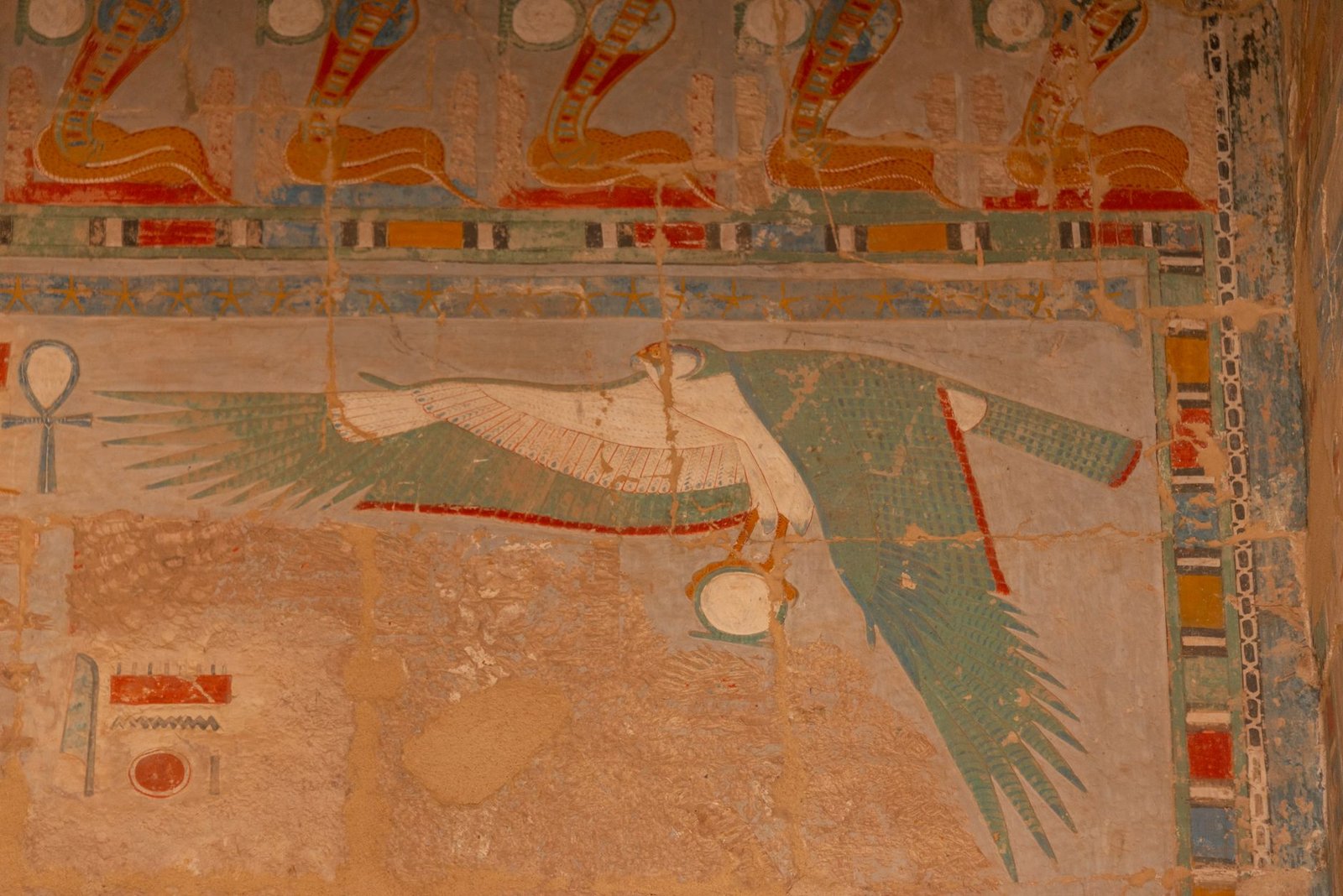
Nut in Egyptian Mythology: Who Is the Sky Goddess?
Nut is a central goddess in ancient Egyptian mythology, best known as the sky deity who arches over the world and embodies the heavens themselves. Exploring who is Nut in Egyptian mythology reveals her role as a cosmic mother, protector of the dead, and key figure in myths of the sun, stars, and renewal.
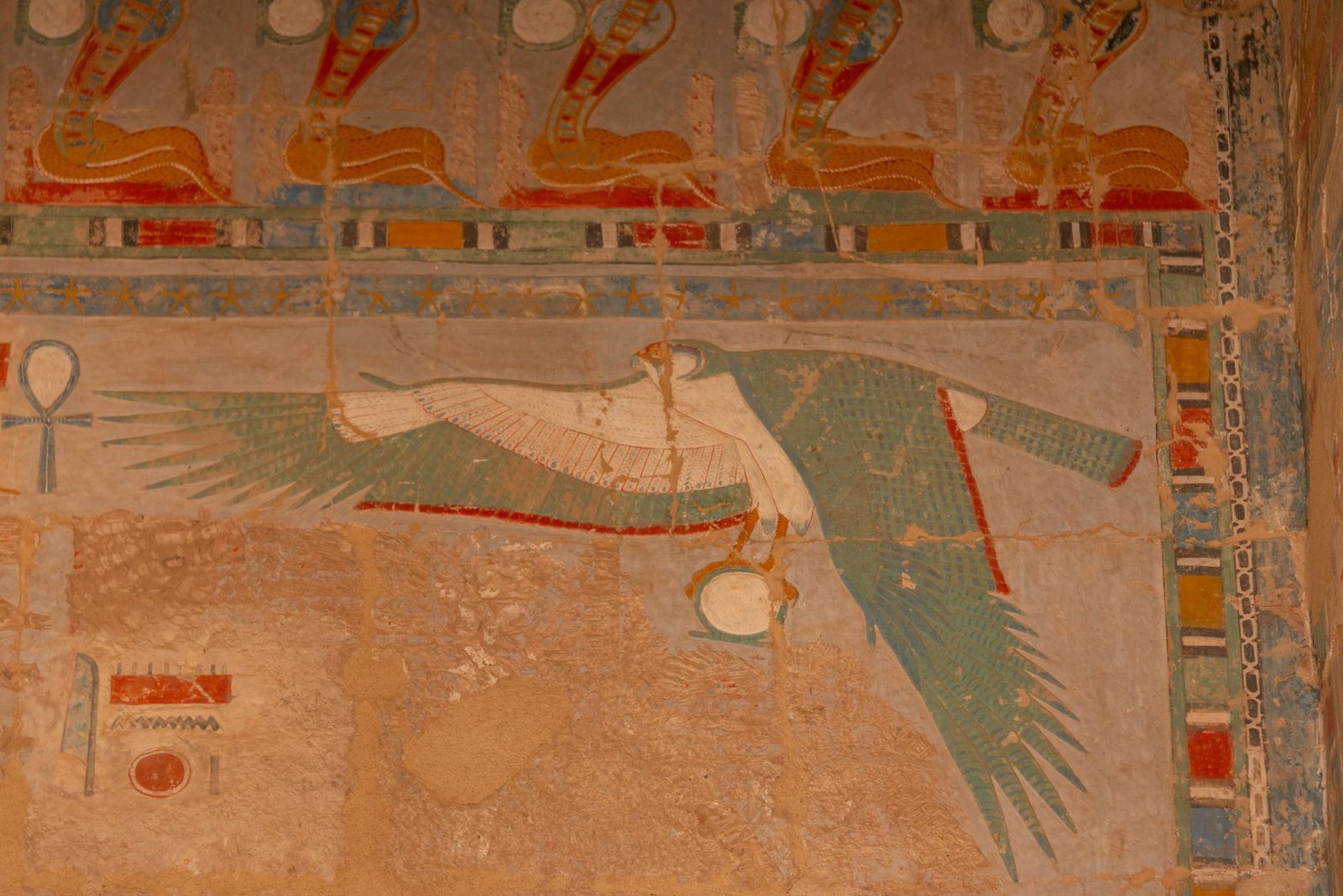
Who Is Nekhbet in Egyptian Mythology? Meaning and Role
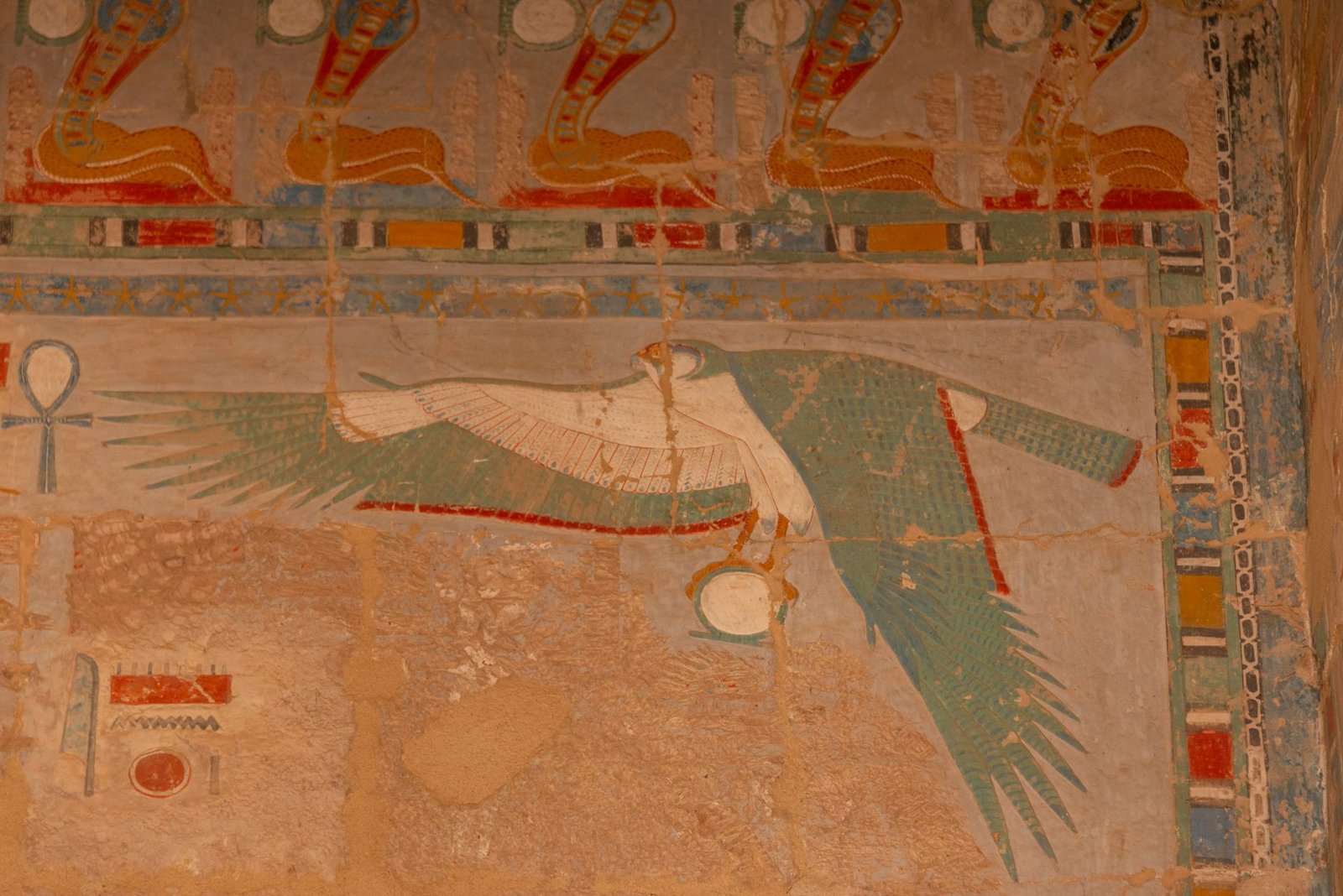
Nekhbet, the vulture goddess of Upper Egypt, was a major protective deity who embodied royal authority, maternal guardianship, and the divine unity of the Egyptian state. This excerpt explores who is nekhbet in Egyptian mythology, tracing her links to El Kab, her role beside Wadjet, and the enduring symbolism that made her a constant presence in kingship and temple art.
Who Is Anuket in Egyptian Mythology? Meaning and Facts
Anuket is a goddess in Egyptian mythology closely tied to the Nile, especially the southern reaches near Aswan and Elephantine, where she was revered as a protector of water, fertility, and the seasonal inundation. Understanding who is Anuket in Egyptian mythology reveals how a local river goddess could embody both the practical needs of ancient life and the sacred power Egyptians saw in nature.
Who Is Khonsu in Egyptian Mythology? Role, Symbols, Meaning
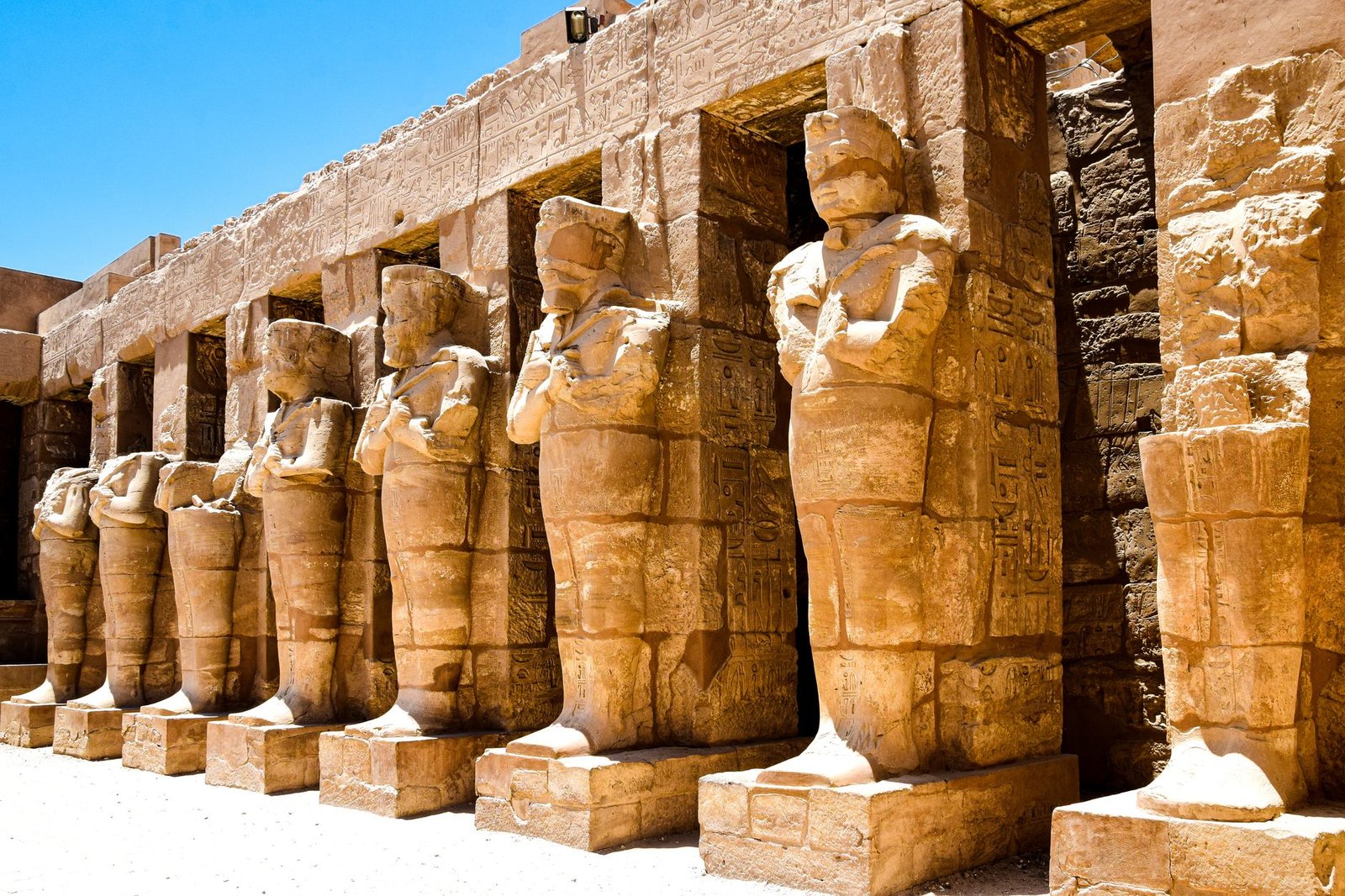
Khonsu in Egyptian mythology is the Theban moon god, known for governing time, healing, protection, and the night sky as part of the Amun-Re-Mut-Khonsu triad. His name, often understood as “the traveler,” reflects the moon’s journey and reveals why this deity became both a celestial marker and a powerful protector whose roles evolved across ancient Egyptian religion.
How Many Gods and Goddesses Did Ancient Egyptians Worship?
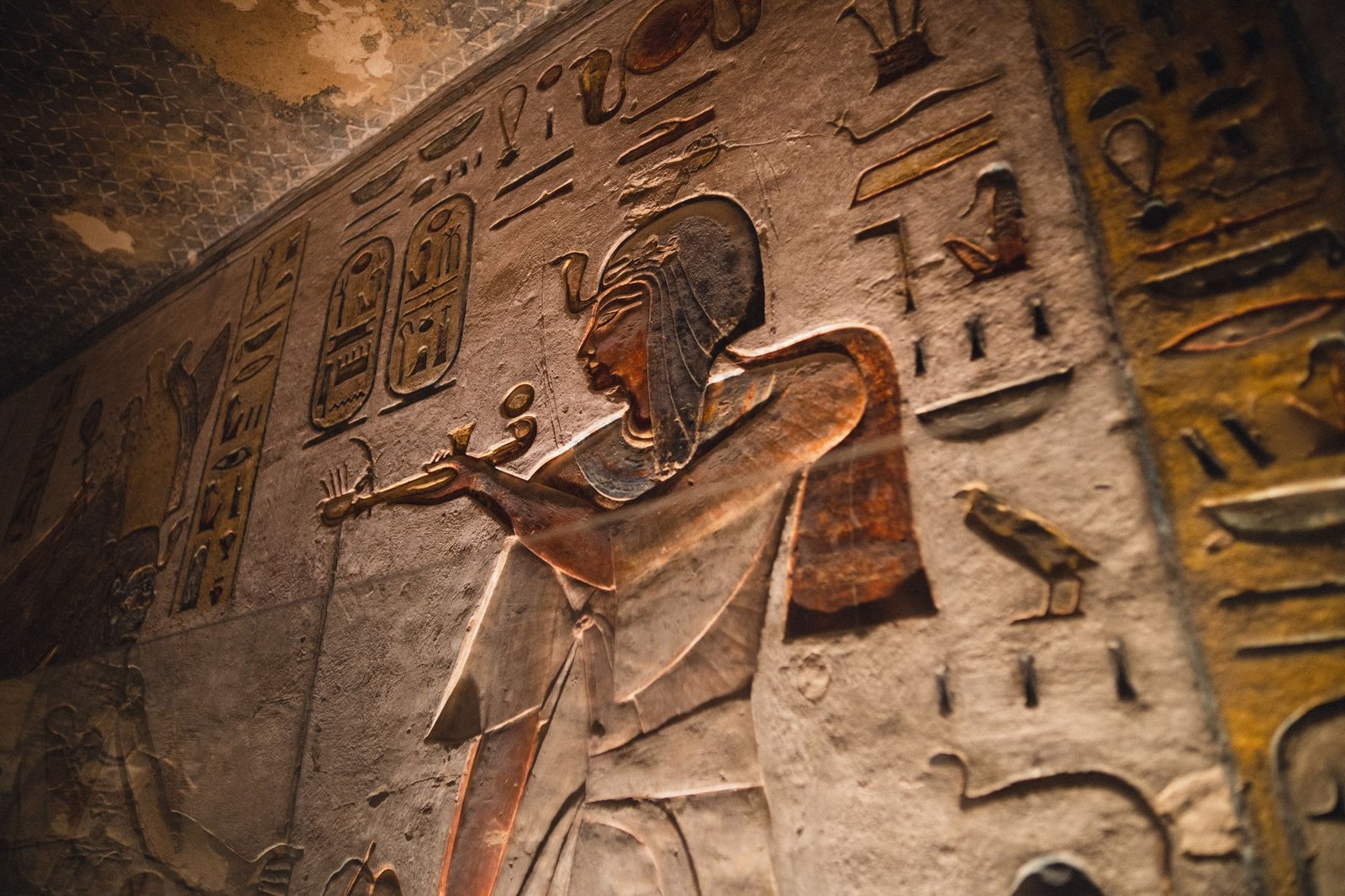
The ancient Egyptians worshipped a vast and changing array of divine beings, so the question how many gods and goddesses did the ancient Egyptians worship has no single exact answer. This article explains how scholars identify hundreds of named deities, from major national gods to local and specialized figures, and why that flexible religious system shaped Egyptian life for millennia.