Ancient Greece
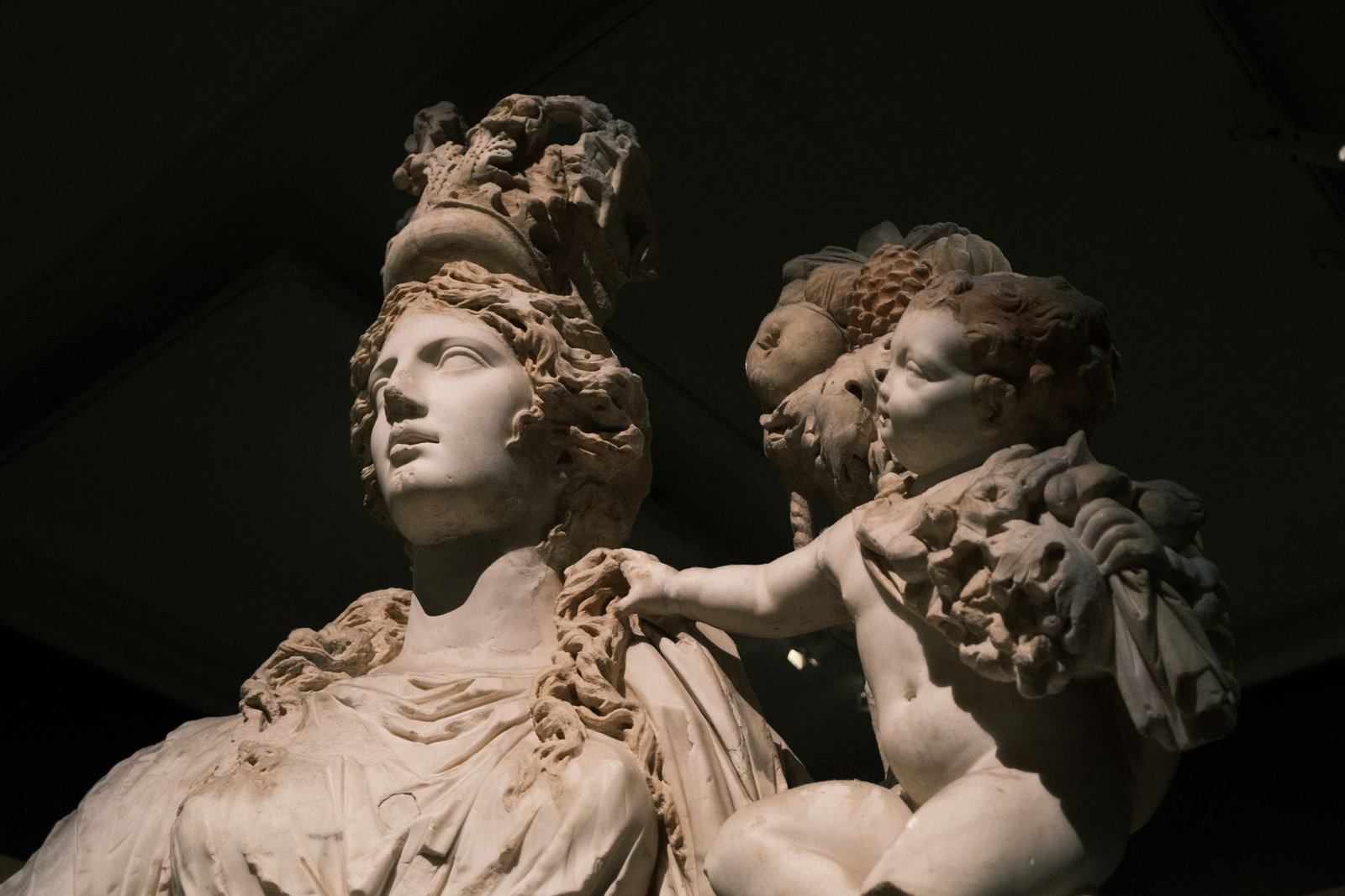
Procne and Philomela: Greek Myth of Sibling Revenge
Procne and Philomela are central figures in Greek mythology, whose tragic story of violated trust, revenge, and transformation has resonated for centuries. Best known through Ovid’s *Metamorphoses*, the myth explores silence, justice, and the symbolic power of birds, inviting readers to uncover how suffering becomes enduring legend.
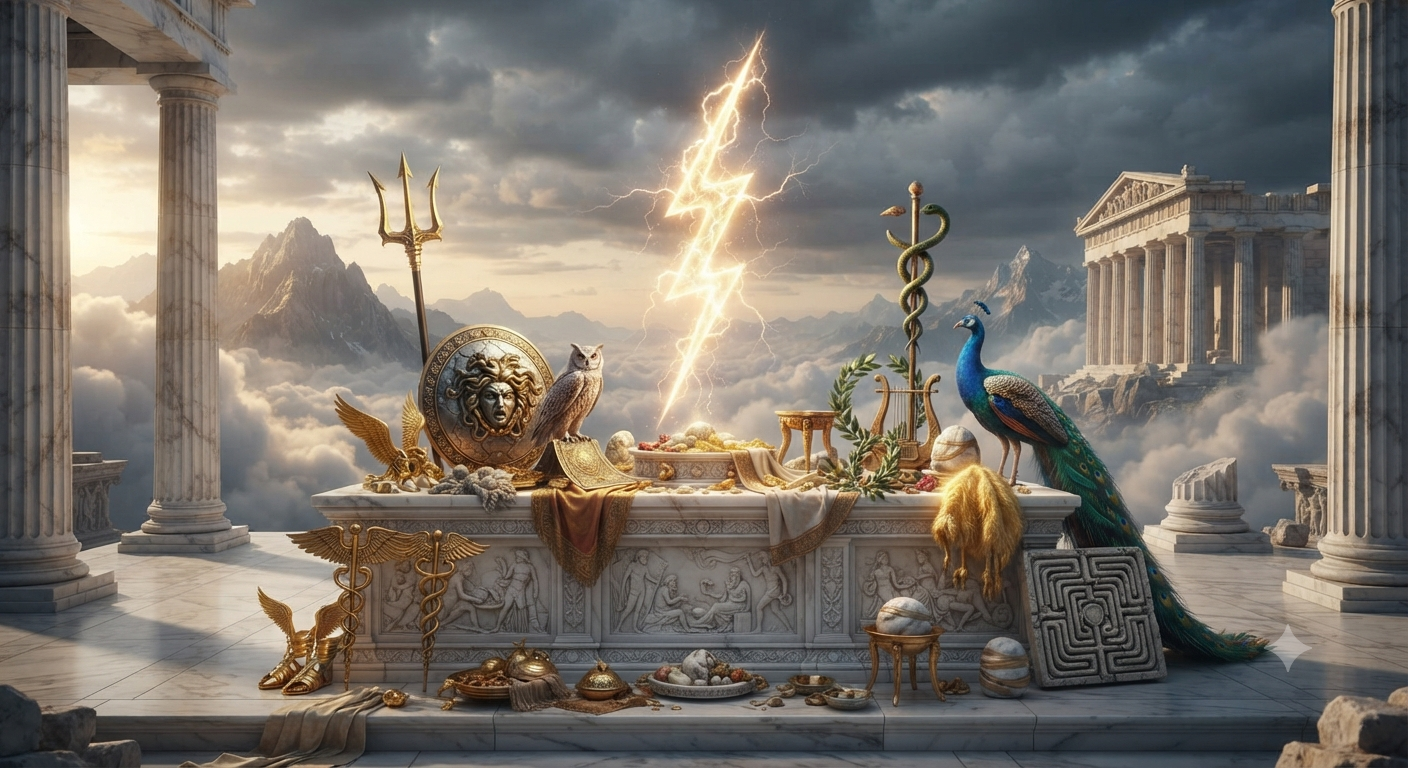
Greek Symbols: The Complete Guide to the Sacred Objects and Signs of Greek Mythology
Greek mythology’s sacred objects gave visible, recognizable form to divine power, allowing worshippers, artists, and storytellers to identify a god’s ...
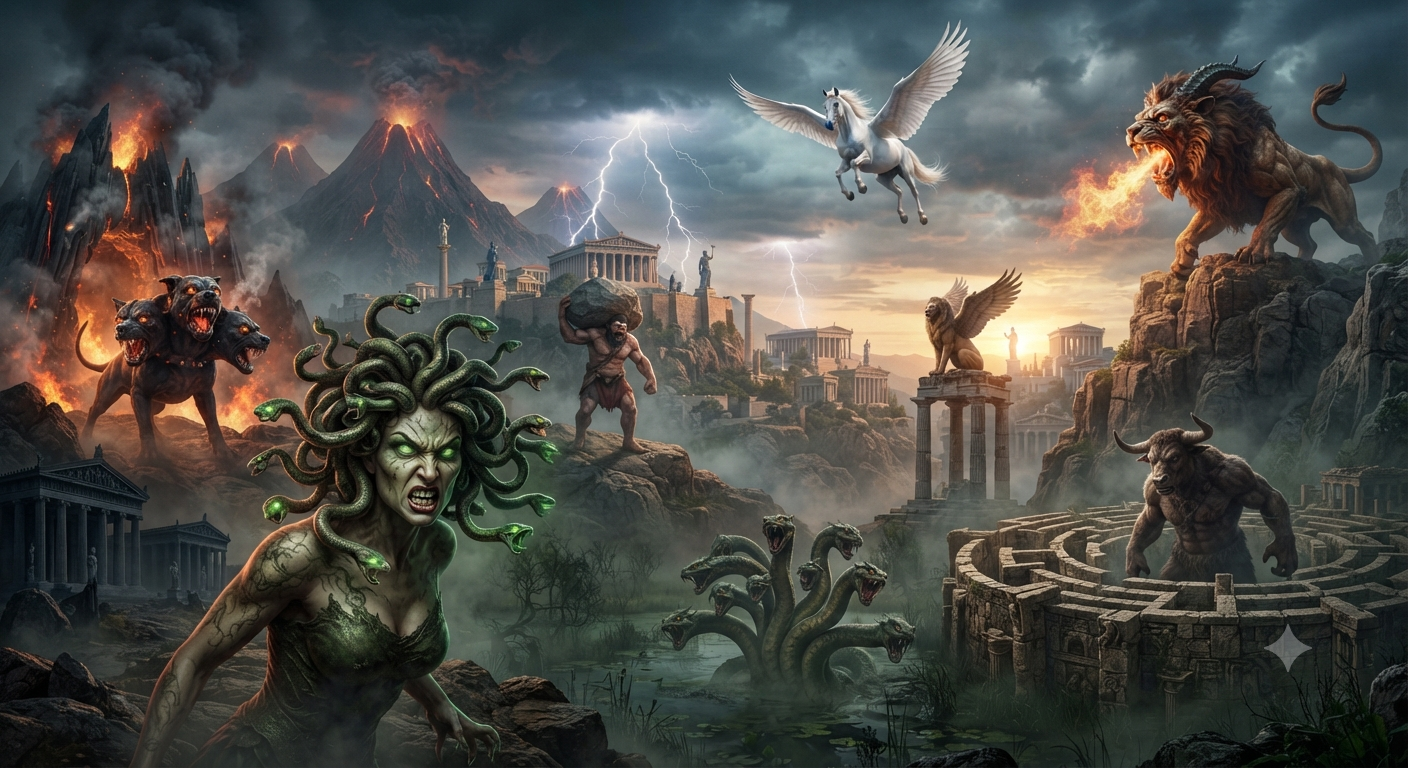
Greek Creatures and Monsters: The Complete Guide
Greek mythology’s monsters are more than obstacles for its heroes — they embody the chaos, danger, and wildness that civilization ...
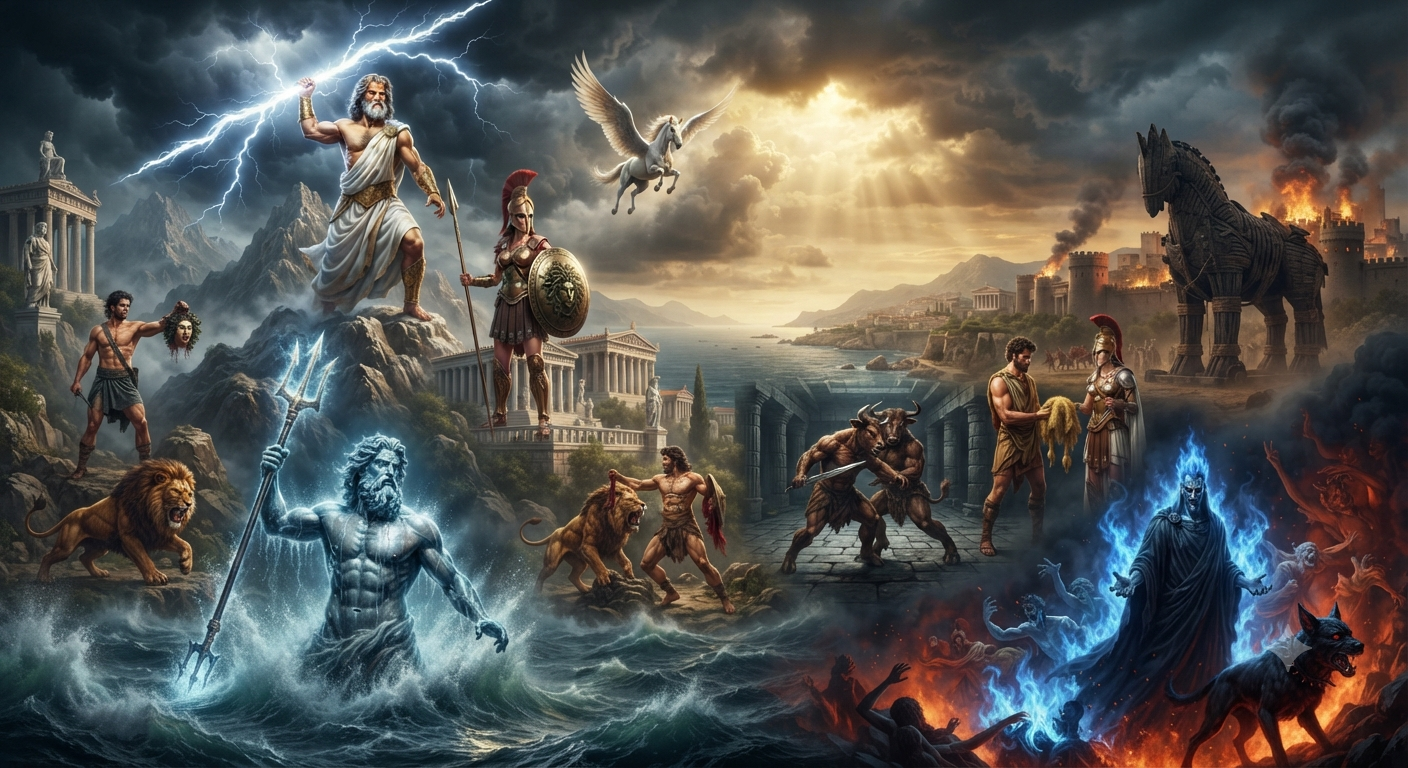
Greek Myths and Legends: The Complete Guide
Greek mythology is built not only from its gods and monsters but from the stories that connect them — tales ...
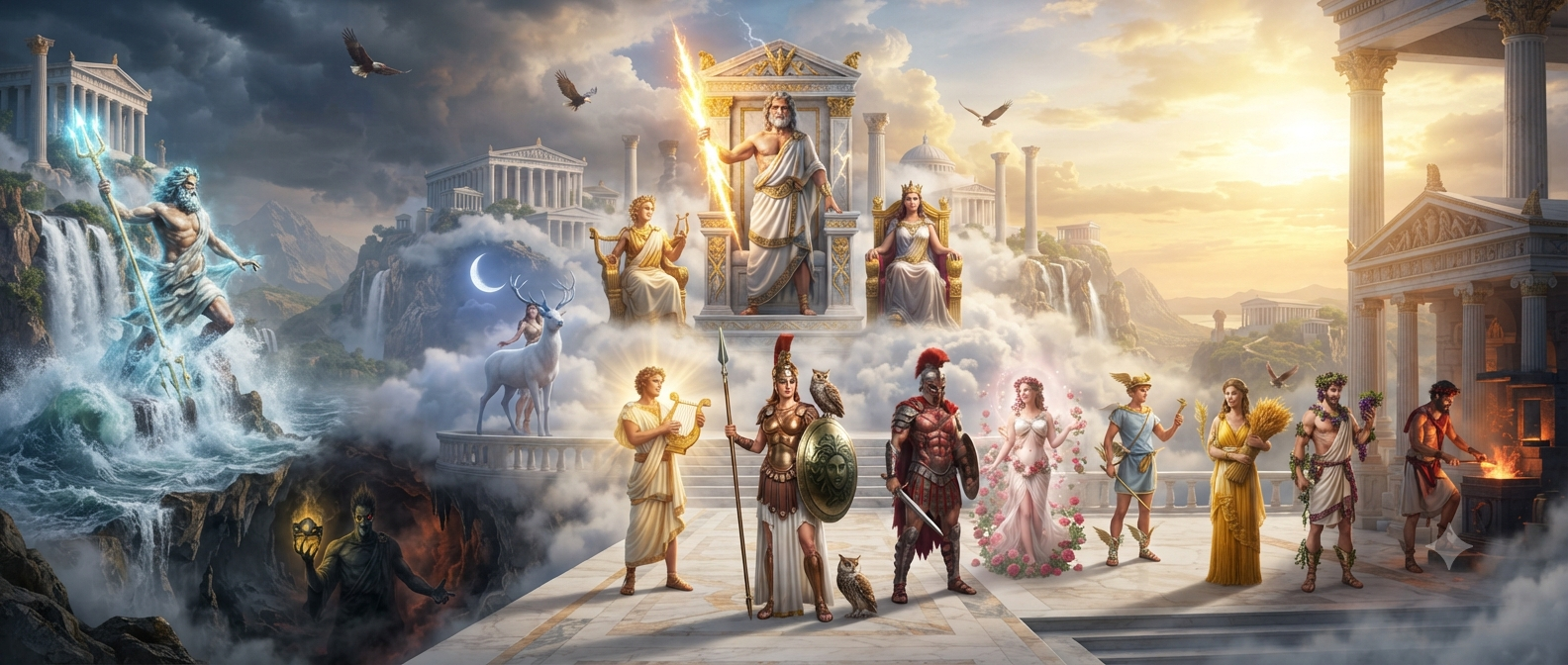
Greek Gods and Goddesses: The Complete Guide
Greek mythology’s pantheon spans several generations, from the formless primordial forces at the very beginning of creation, through the Titans ...
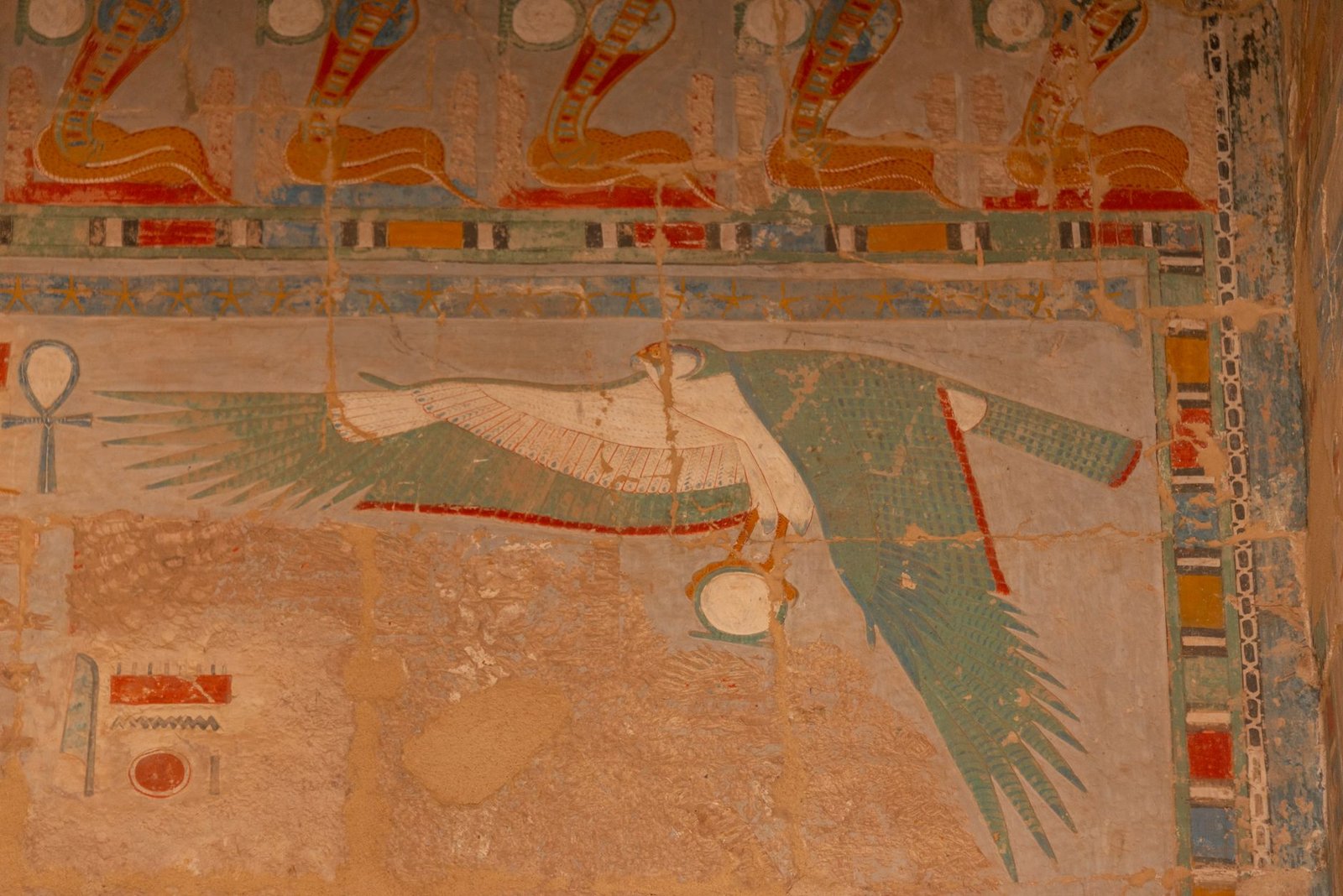
Who Is Neith in Egyptian Mythology? A Guide
Neith in Egyptian mythology is one of the oldest and most complex goddesses, blending roles as creator, warrior, weaver, and guardian across millennia of worship. This overview traces her shifting symbolism, major cult center at Sais, and the meanings ancient Egyptians and later Greek writers drew from her enduring presence.
Who Is Apep in Egyptian Mythology? Meaning and Role
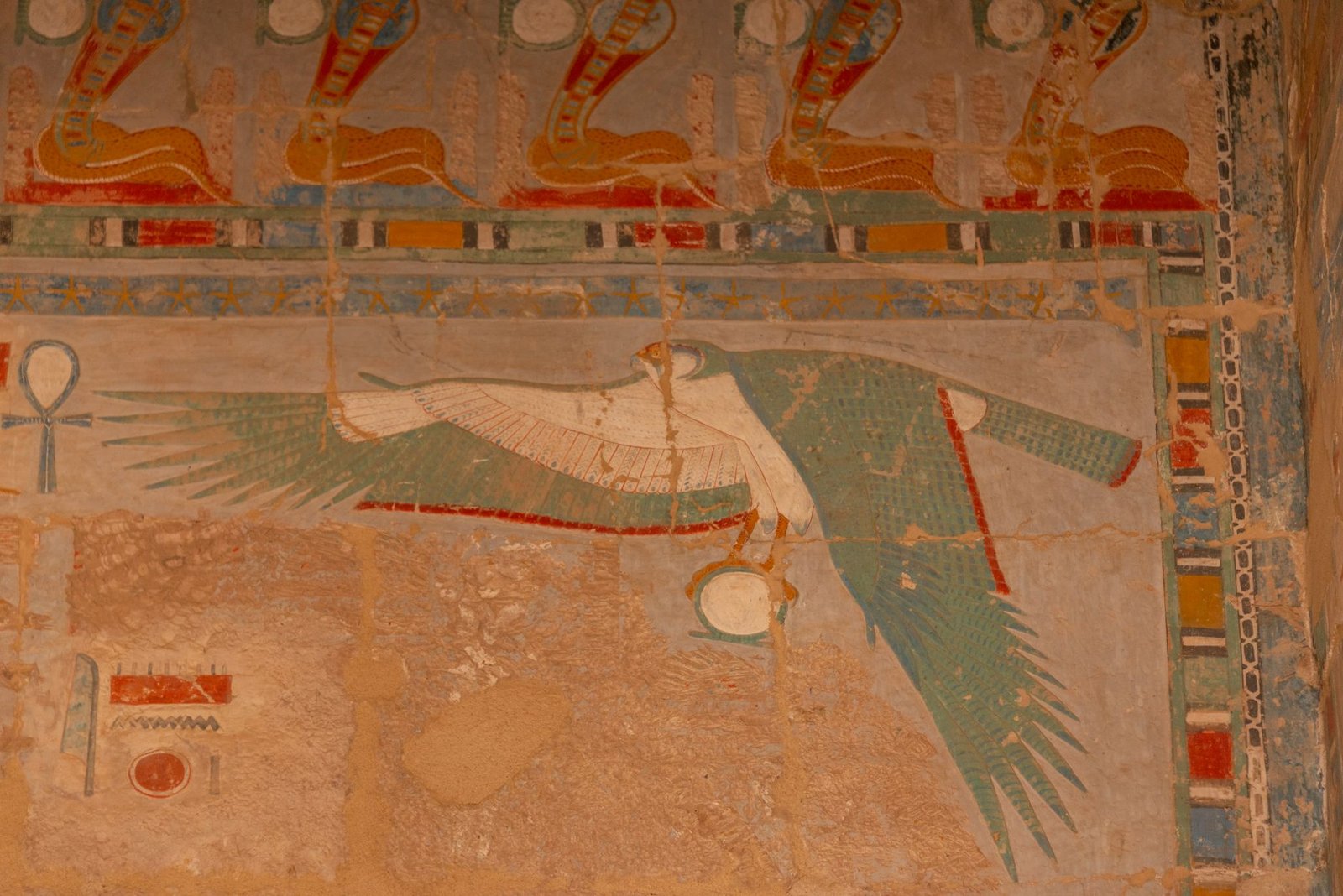
Apep in Egyptian mythology is the great serpent of chaos, darkness, and cosmic disruption, better known in Greek as Apophis and feared as the eternal enemy of Ra. Exploring who Apep is reveals how the ancient Egyptians explained the nightly struggle between order and disorder, and why his threat mattered so deeply to their view of the universe.
Why Do Egyptian Gods Have Animal Heads? Explained
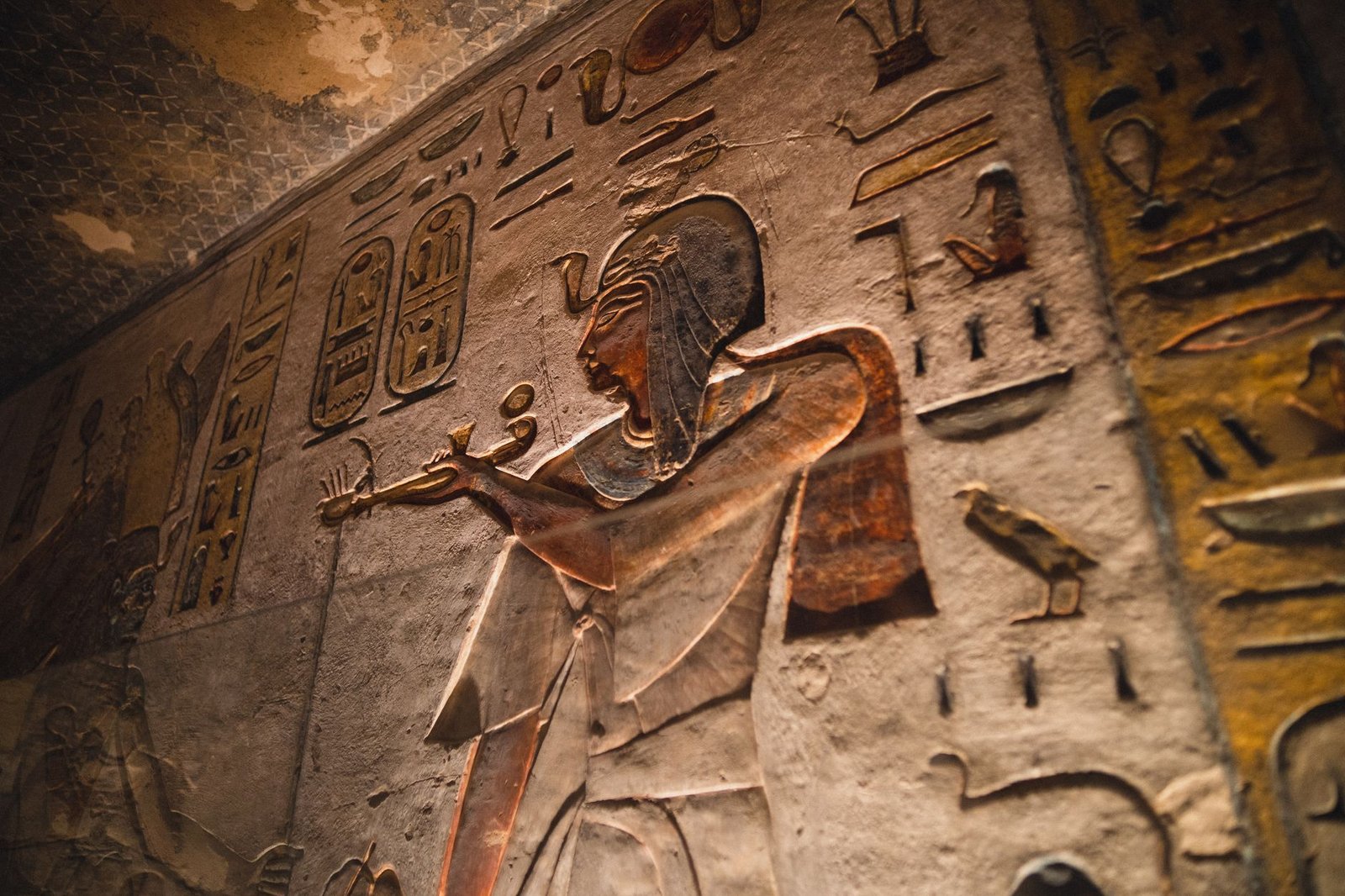
Why do Egyptian gods have animal heads? Ancient Egyptian religion used animal-headed forms to express divine powers, natural forces, and ideal qualities through symbols drawn from everyday life and the Nile world. This article explains how these images developed, what animals like falcons and jackals represented, and why they remain central to understanding Egyptian beliefs.