divine punishment
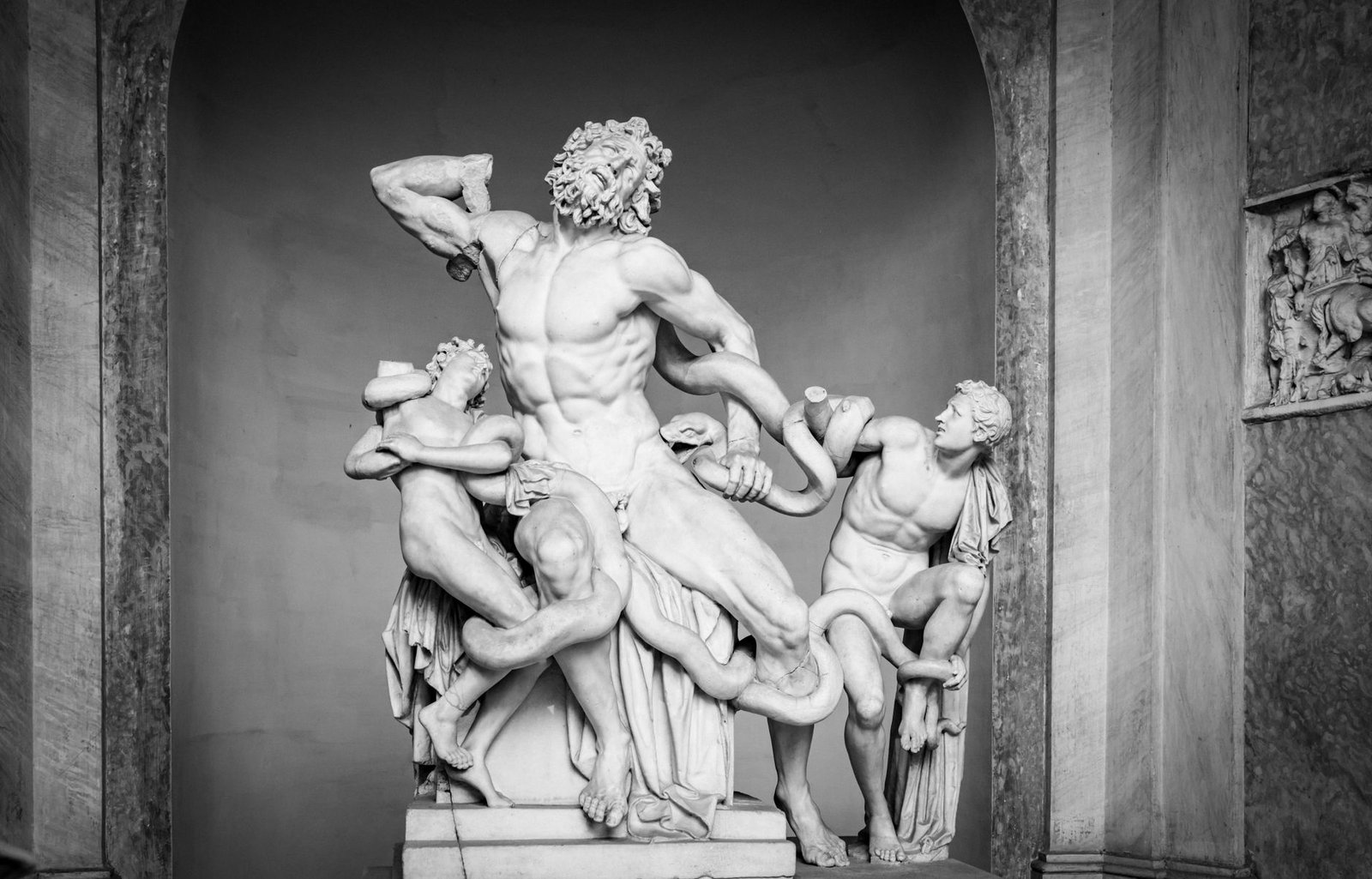
Serpents of Laocoön: Meaning, Myth, and Artistic Significance
The Serpents of Laocoön are central to a celebrated Greek myth in which divine snakes punish Laocoön, a Trojan priest, and his sons after he warns against the wooden horse. This episode became a lasting symbol in art and literature, shaping interpretations of fate, suffering, and the peril of defying the gods.
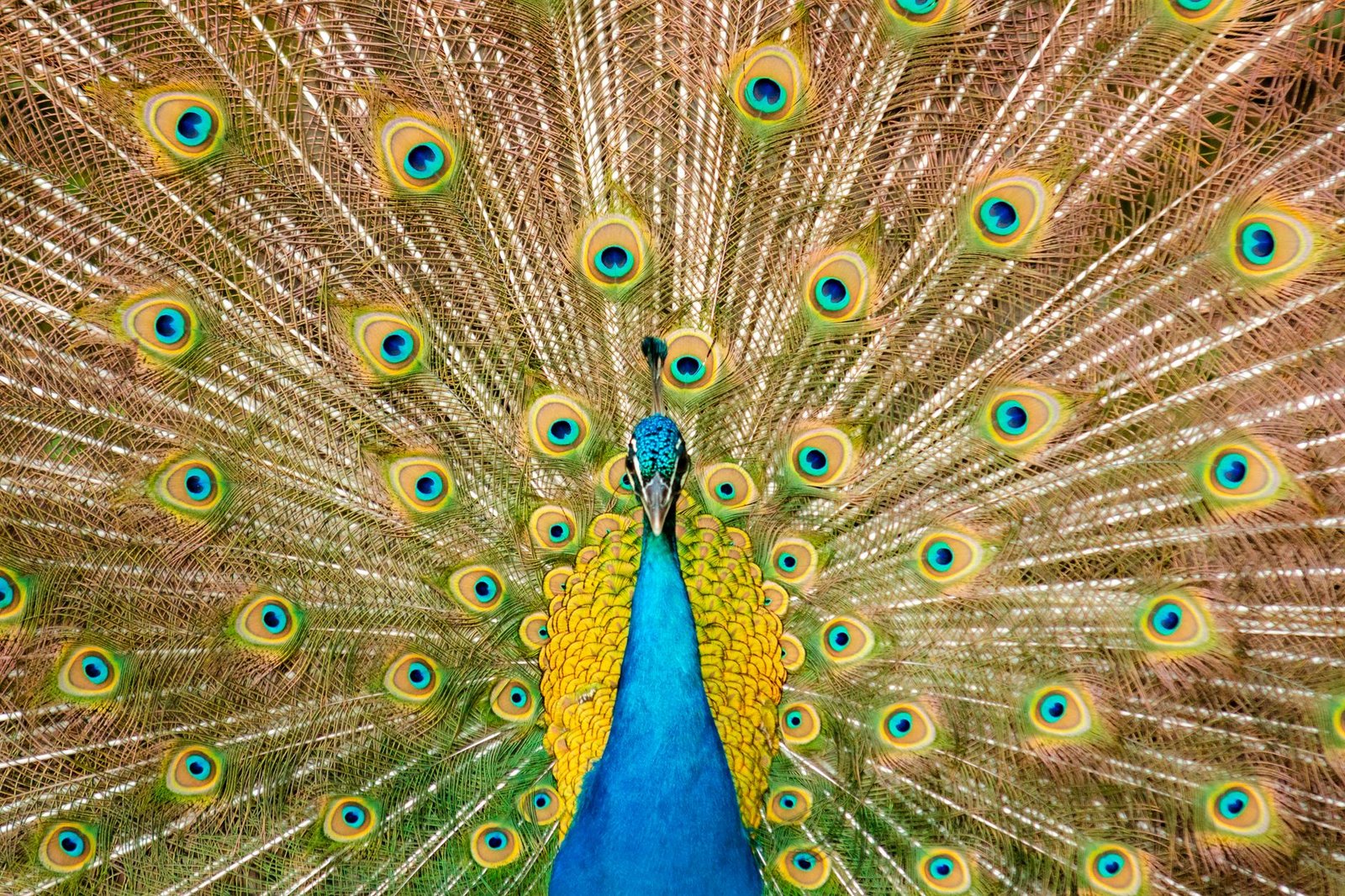
Hera’s Peacock: Meaning, Mythology, and Symbolism
Hera’s peacock is a striking emblem of the Greek queen of the gods, uniting royal grandeur, vigilance, and mythic meaning in a single image. Emerging in later tradition, especially through the story of Argus Panoptes and in classical art, it reveals how a foreign bird became one of mythology’s most enduring symbols.
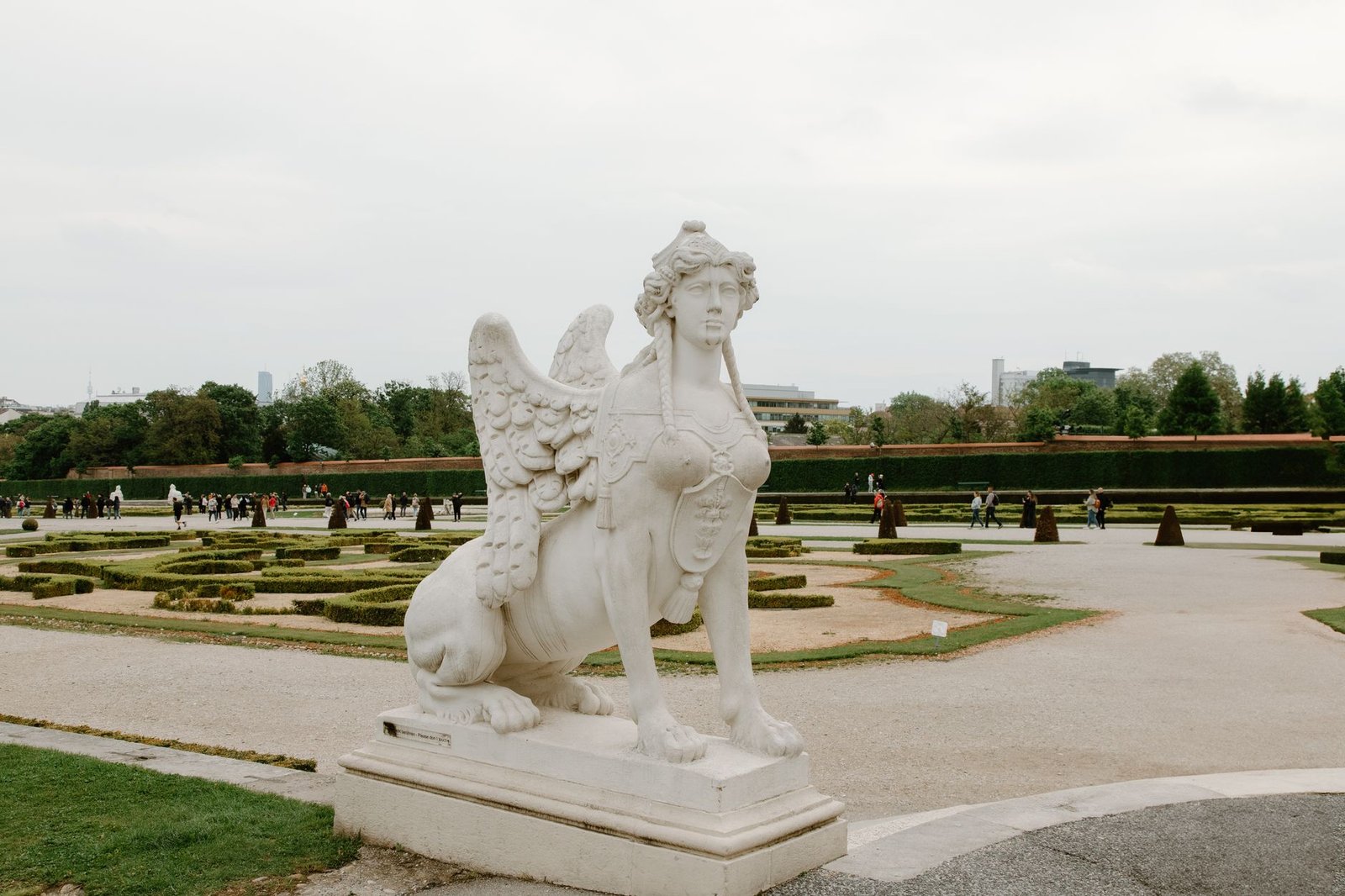
Greek Sphinx: Mythology, History, and Symbolism
The Greek Sphinx is a striking figure of Greek mythology, blending human intelligence with lion, bird, and sometimes serpent traits to embody riddles, danger, and the limits of knowledge. From the Theban story of Oedipus to its roles in art, ritual, and symbolism, it appears as both a deadly test and a powerful guardian, inviting closer study.
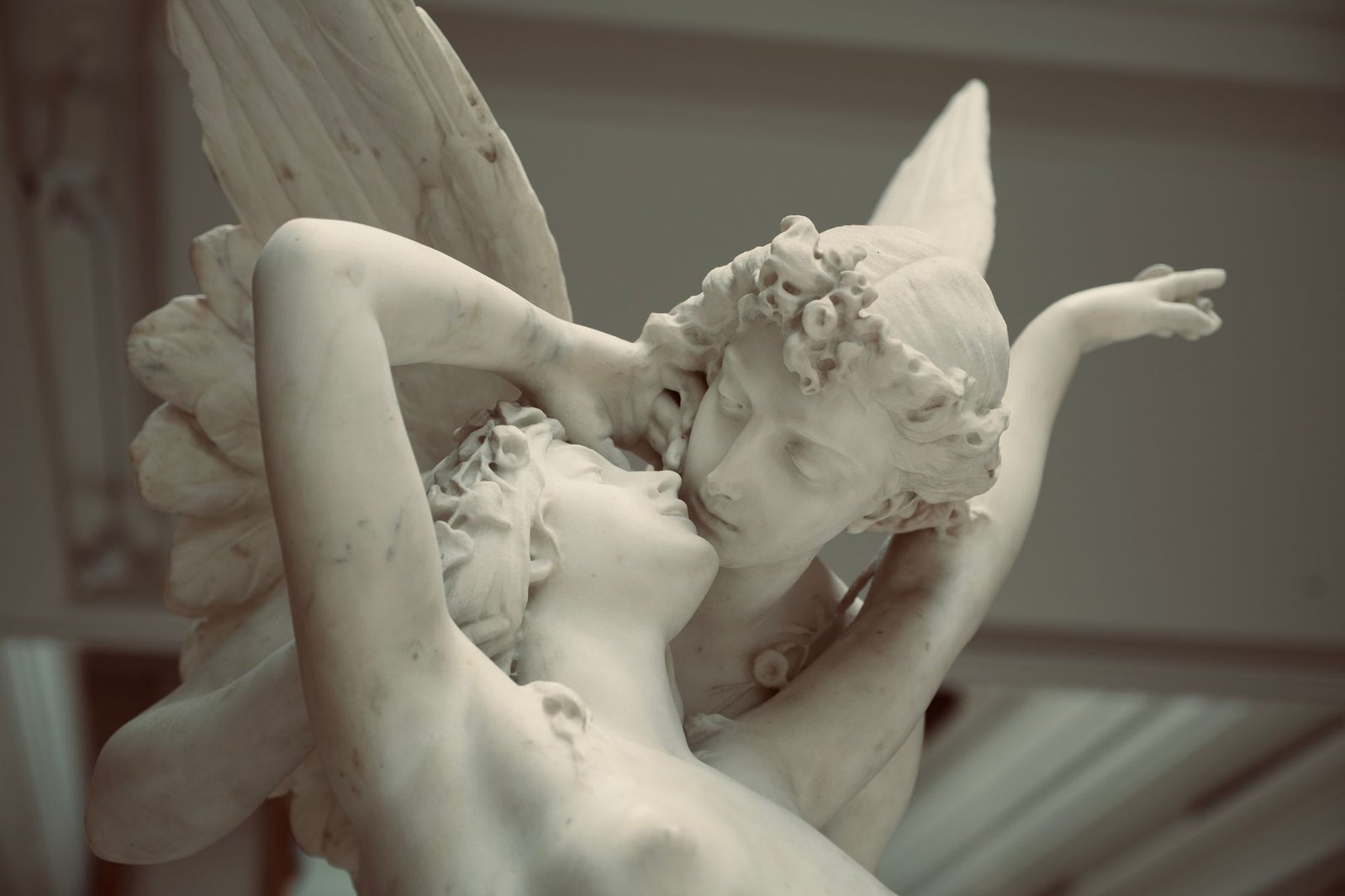
Harpies: Mythology, Origins, and Cultural Significance
Harpies are enduring figures of Greek mythology, described as swift spirits of violent wind, sudden seizure, and divine punishment rather than merely bird-women in later art. Tracing their changing roles from early poetry to Roman literature reveals how ancient Greeks used harpies to explain loss, contamination, and the hidden force of stormy air.
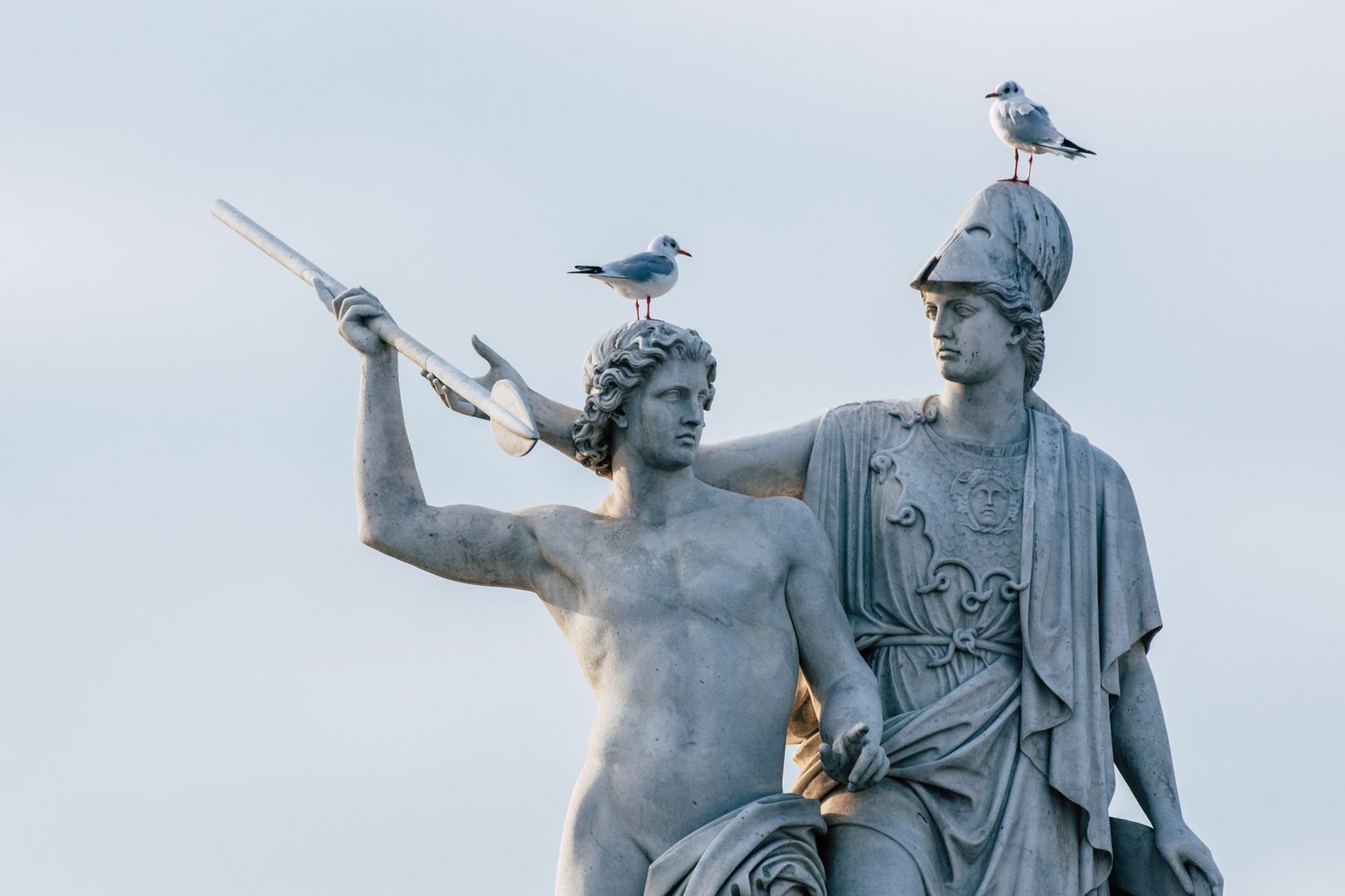
Stymphalian Birds: Greek Mythology and Heroic Legend
The Stymphalian Birds are among the most memorable monsters of Greek mythology, known from Heracles’ Twelve Labours as deadly creatures inhabiting the marshes of Lake Stymphalia in Arcadia. This article explores their name, origins, symbolic meaning, and enduring role as a vivid image of untamed nature awaiting the hero’s intervention.

Deucalion’s Flood: Greek Myth of the Great Flood
Deucalions flood is the Greek myth of a cataclysmic deluge sent by Zeus to destroy a corrupt human race, sparing only Deucalion and Pyrrha to preserve life. This enduring story, echoed in other ancient flood traditions, reveals how Greek myth linked divine judgment, human survival, and the possibility of renewal.
Io and Her Wanderings: Mythology and Journey Explained
Io and her wanderings is a celebrated Greek myth in which a mortal woman, transformed by divine jealousy, is driven across the world through suffering and exile. Connecting Argos, the eastern Mediterranean, and Egypt, the story reveals how ancient writers used Io’s journey to explain geography, cult, and the enduring tension between gods and mortals.

Ixion’s Punishment in Greek Mythology Explained
Ixion’s punishment is a central episode in Greek mythology, telling how the king Ixion incurred Zeus’s wrath by violating hospitality and attempting to seduce Hera. Condemned to an eternal spinning wheel of fire, his fate became a lasting symbol of divine justice, hubris, and the severe consequences of sacred transgression.

The Danaides’ Punishment in Greek Mythology Explained
The Danaides punishment is a classic Greek myth of eternal penance, in which the fifty daughters of Danaus are condemned in Hades to fill perforated jars with water, a labor doomed to fail. Beyond its striking image of futile effort, the story has shaped interpretations of divine justice, guilt, and the symbolic meaning of endless, meaningless work.
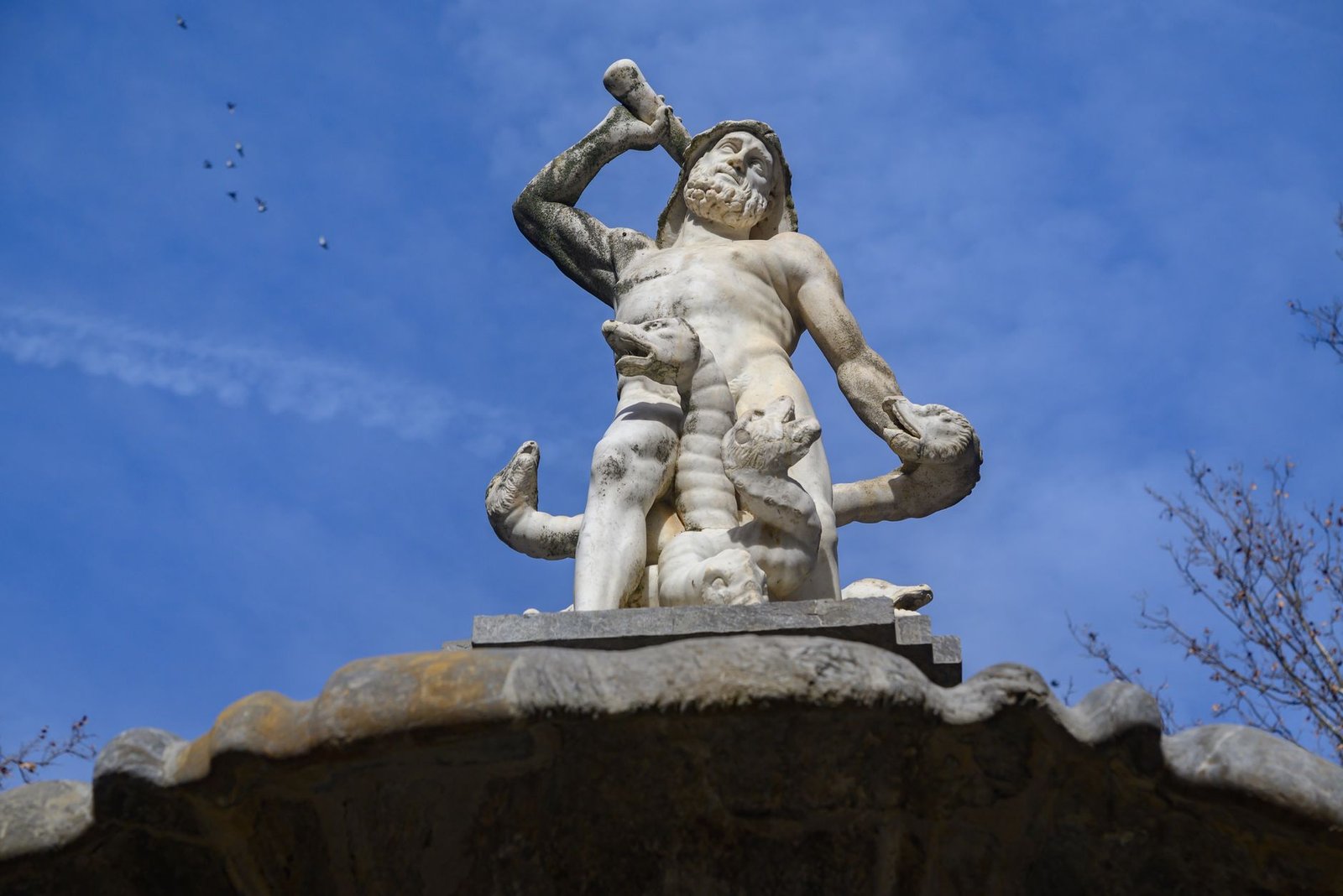
The Twelve Labors of Heracles: Greek Mythology Explained
The Twelve Labors of Heracles recount the punished hero’s impossible feats, from slaying monsters to mastering wild landscapes, as he seeks purification after a tragic act of madness. Rooted in Greek mythology and cultural memory, this cycle reveals how Heracles became a lasting symbol of endurance, divine conflict, and heroic achievement.