Egyptian cosmology
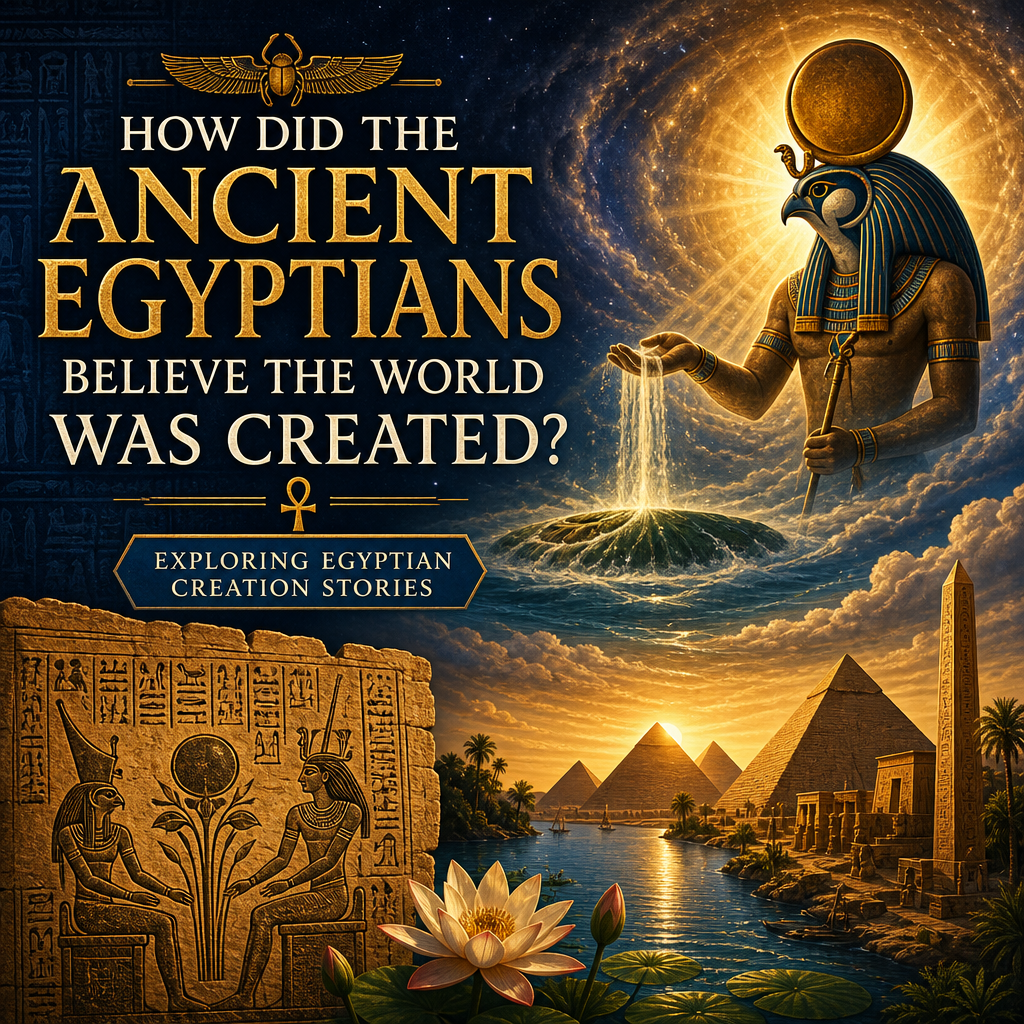
How Did the Ancient Egyptians Believe the World Was Created
Egyptian creation stories imagined the world beginning in dark, endless waters, where the first land, gods, and life slowly emerged. These ancient myths show how Egyptians saw creation as a cycle renewed by the sun, the Nile, and the triumph of order over chaos.
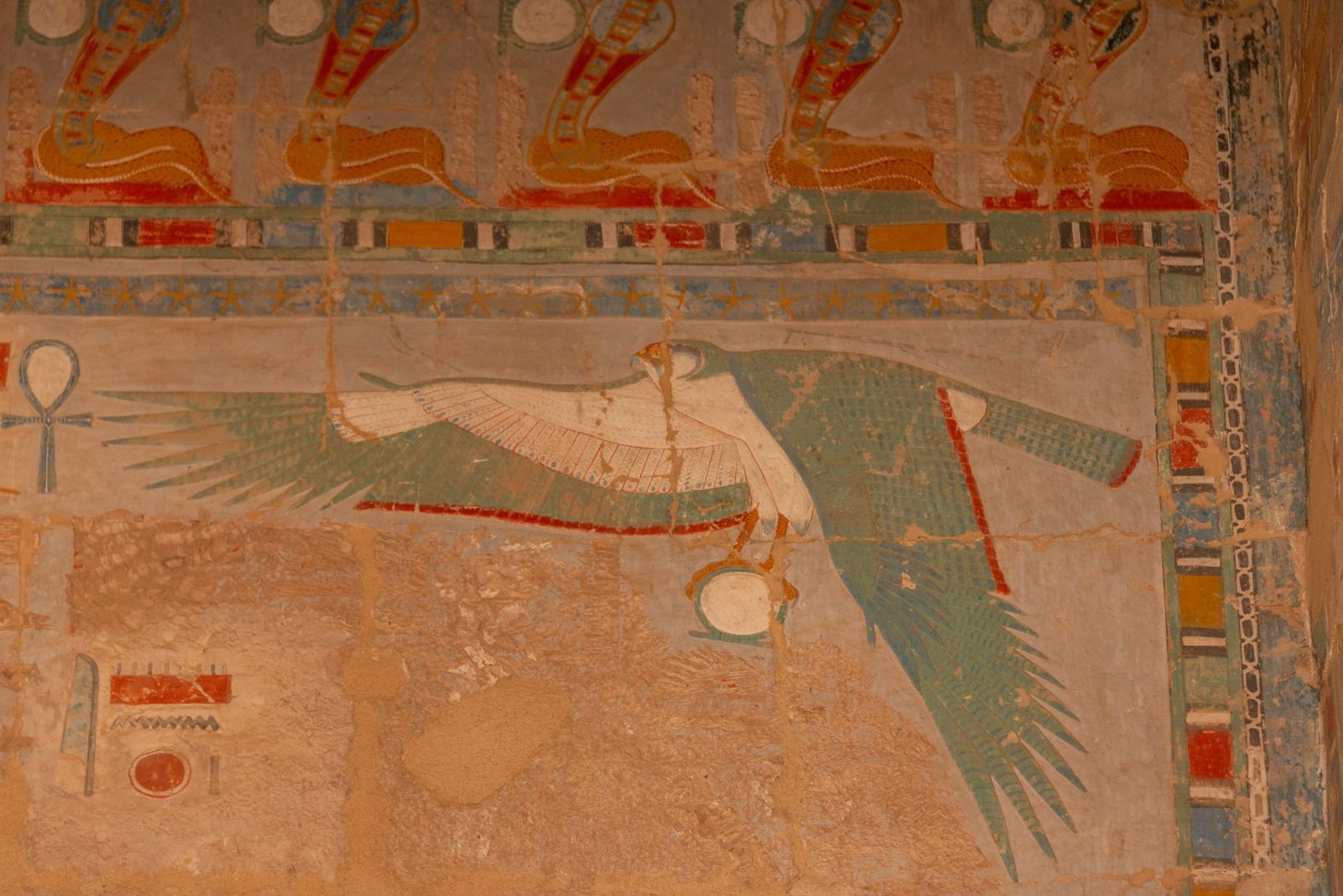
Who Is Atum in Egyptian Mythology? Origin and Meaning
Atum in Egyptian mythology is the self-created creator god who emerged from the primeval waters of Nun, embodying completeness, order, and the first act of creation. Closely tied to Heliopolis and the setting sun, he anchors major Egyptian creation traditions and reveals how ancient theologians understood the origins of the cosmos.
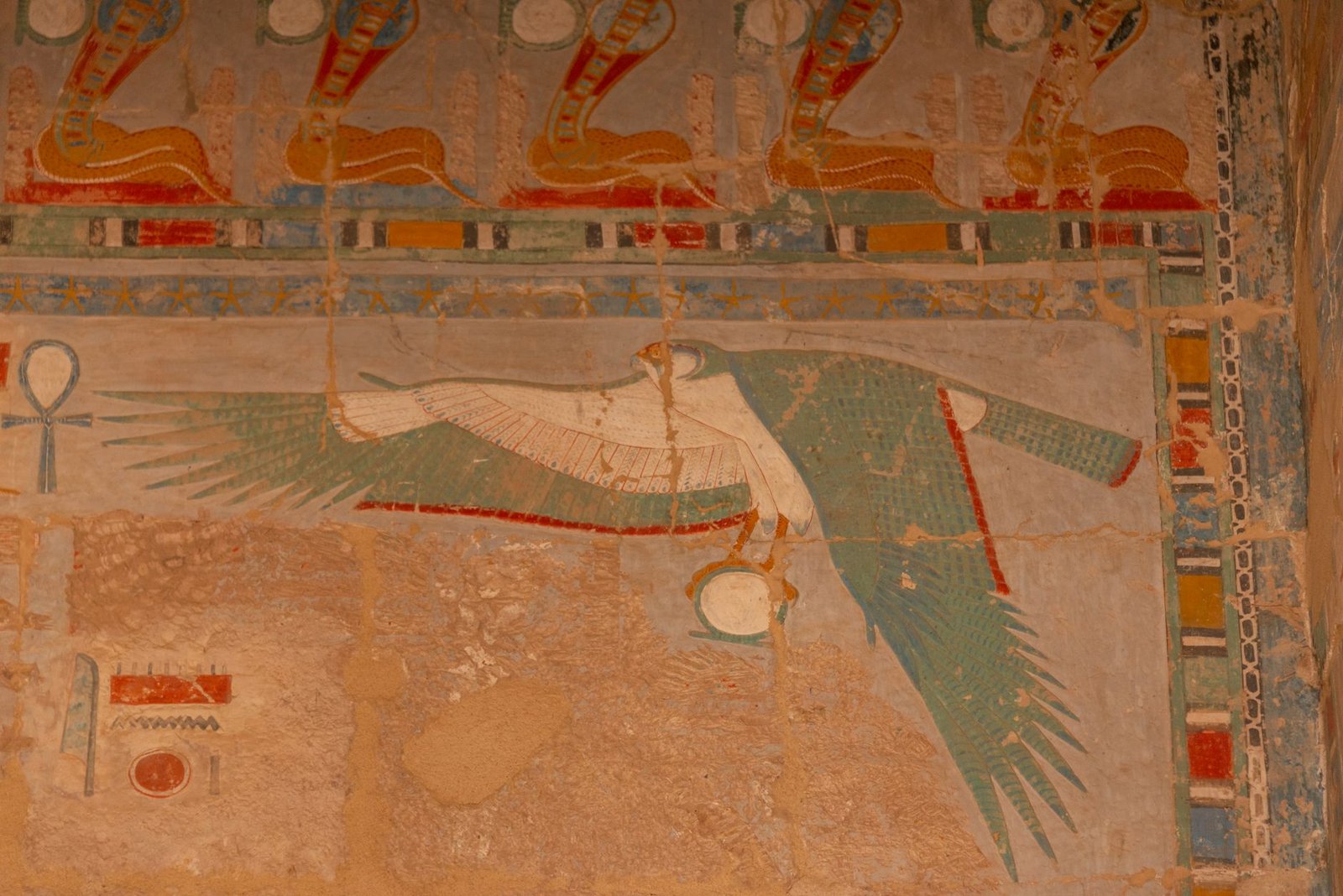
Who Is Shu in Egyptian Mythology? Meaning and Role
Who is Shu in Egyptian mythology? He is the ancient Egyptian god of air, light, and the space between heaven and earth, famed for lifting Nut away from Geb and helping establish cosmic order. This article explores his name, origins, role in creation myths, and lasting place in Egyptian religious thought.
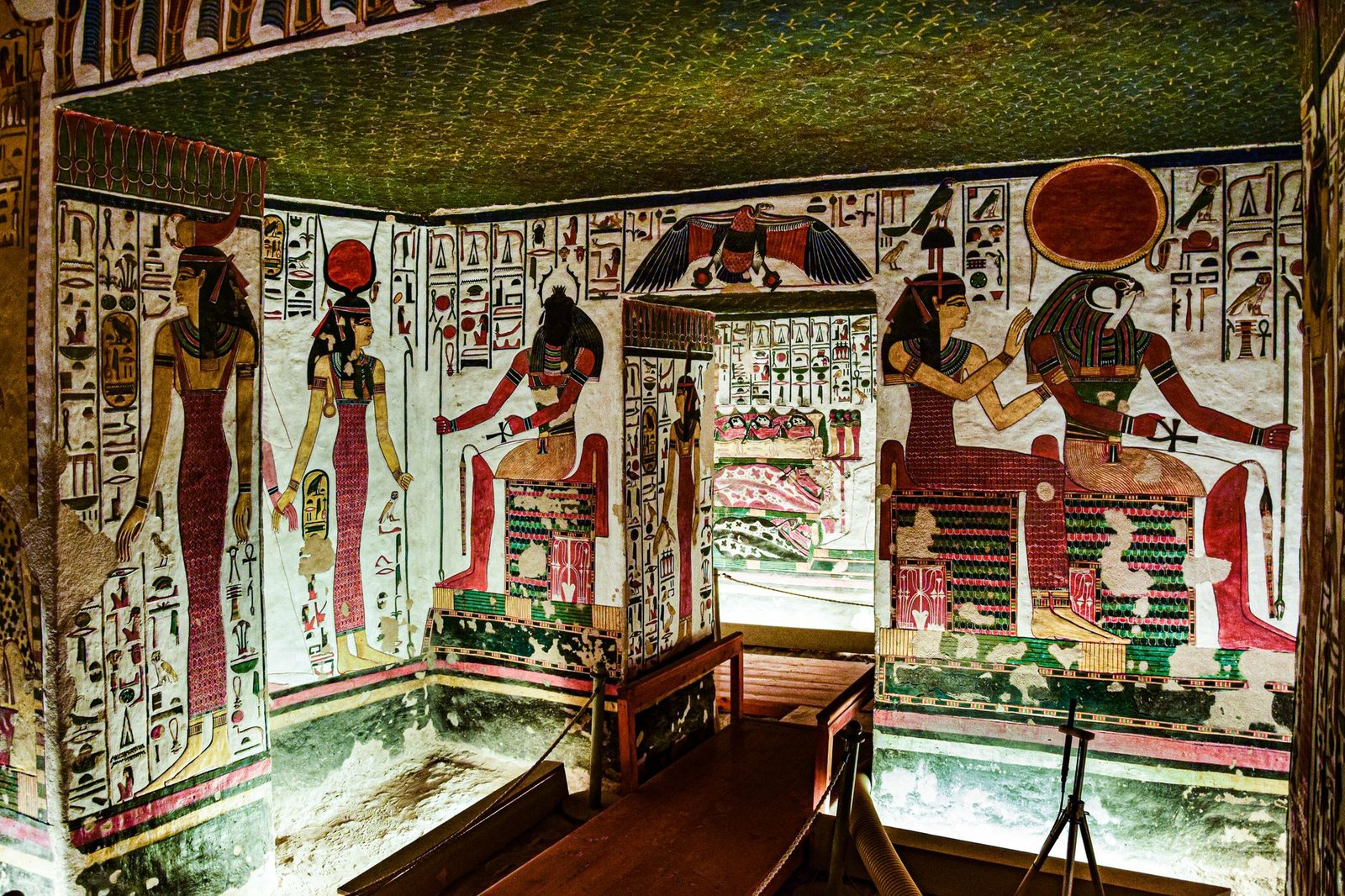
Who Is Geb in Egyptian Mythology? Facts and Meaning
Who is Geb in Egyptian mythology? He is the ancient earth god, a central figure tied to fertility, vegetation, kingship, and the ordered cosmos, and one member of a powerful divine family that includes Nut, Osiris, Isis, Set, and Nephthys. Exploring Geb reveals how Egyptians understood the land itself as a living force, shaping myths of creation, inheritance, and rebirth.
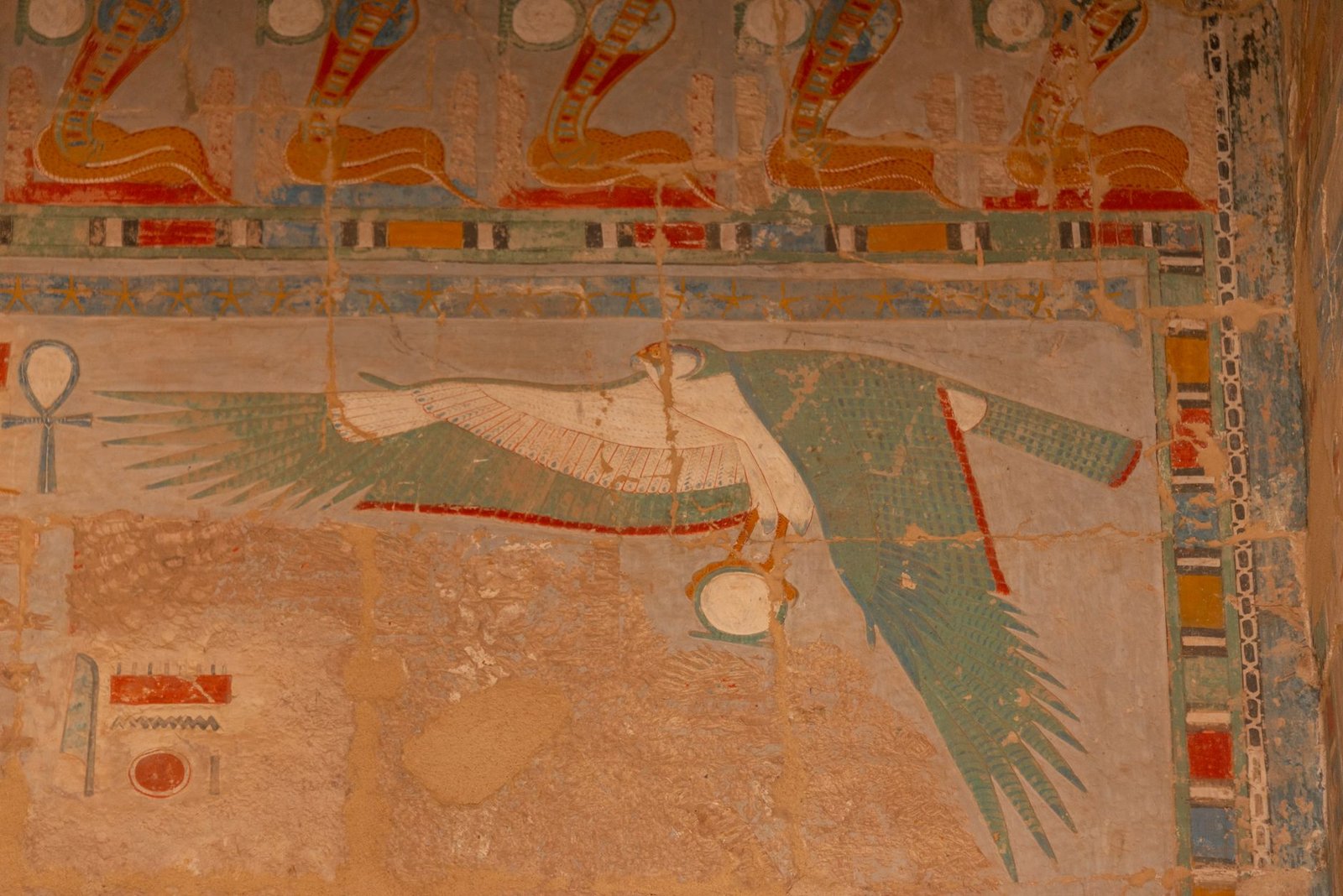
Nut in Egyptian Mythology: Who Is the Sky Goddess?
Nut is a central goddess in ancient Egyptian mythology, best known as the sky deity who arches over the world and embodies the heavens themselves. Exploring who is Nut in Egyptian mythology reveals her role as a cosmic mother, protector of the dead, and key figure in myths of the sun, stars, and renewal.
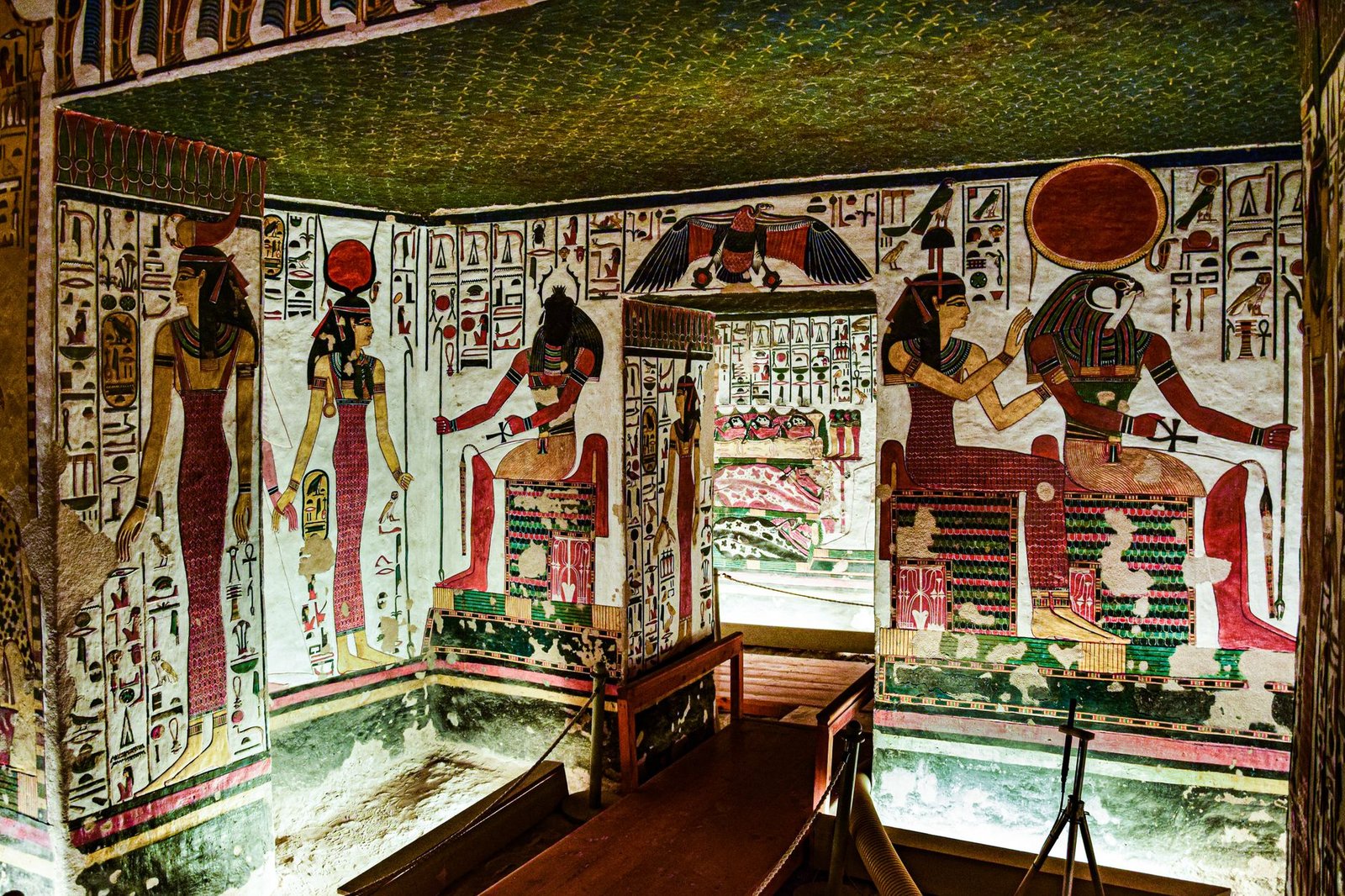
Who Is Heka in Egyptian Mythology? Meaning and Role
Who is Heka in Egyptian mythology? He is both a divine force and a personified deity linked to magic, ritual power, and the spoken word, shaping religion, healing, kingship, and cosmic order. Understanding Heka reveals how ancient Egyptians explained the unseen power behind creation and sacred action.