Egyptian Gods
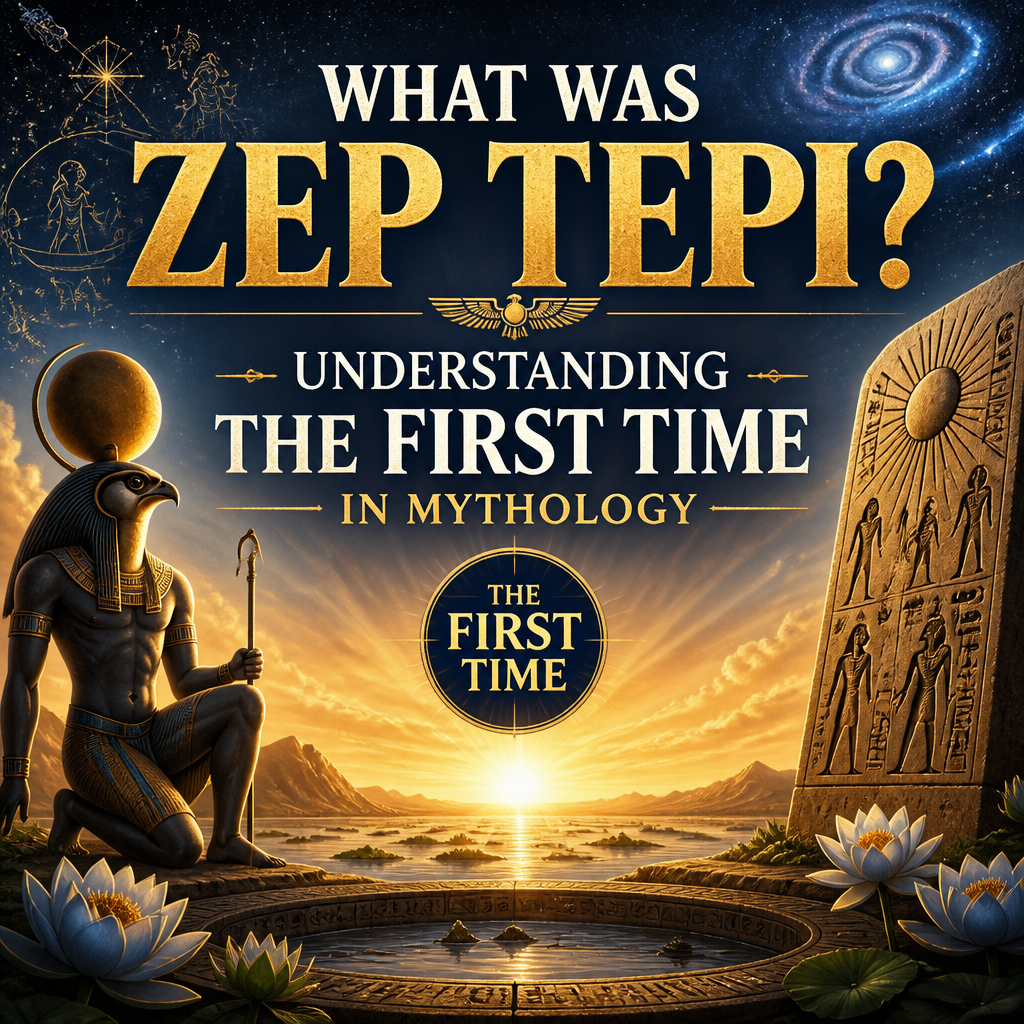
What Was Zep Tepi? Understanding The First Time in Mythology
Zep Tepi, meaning “the first time,” reveals how ancient Egyptians imagined creation as the moment divine order rose from chaos. This sacred beginning shaped their myths, rituals, kingship, and understanding of the universe.
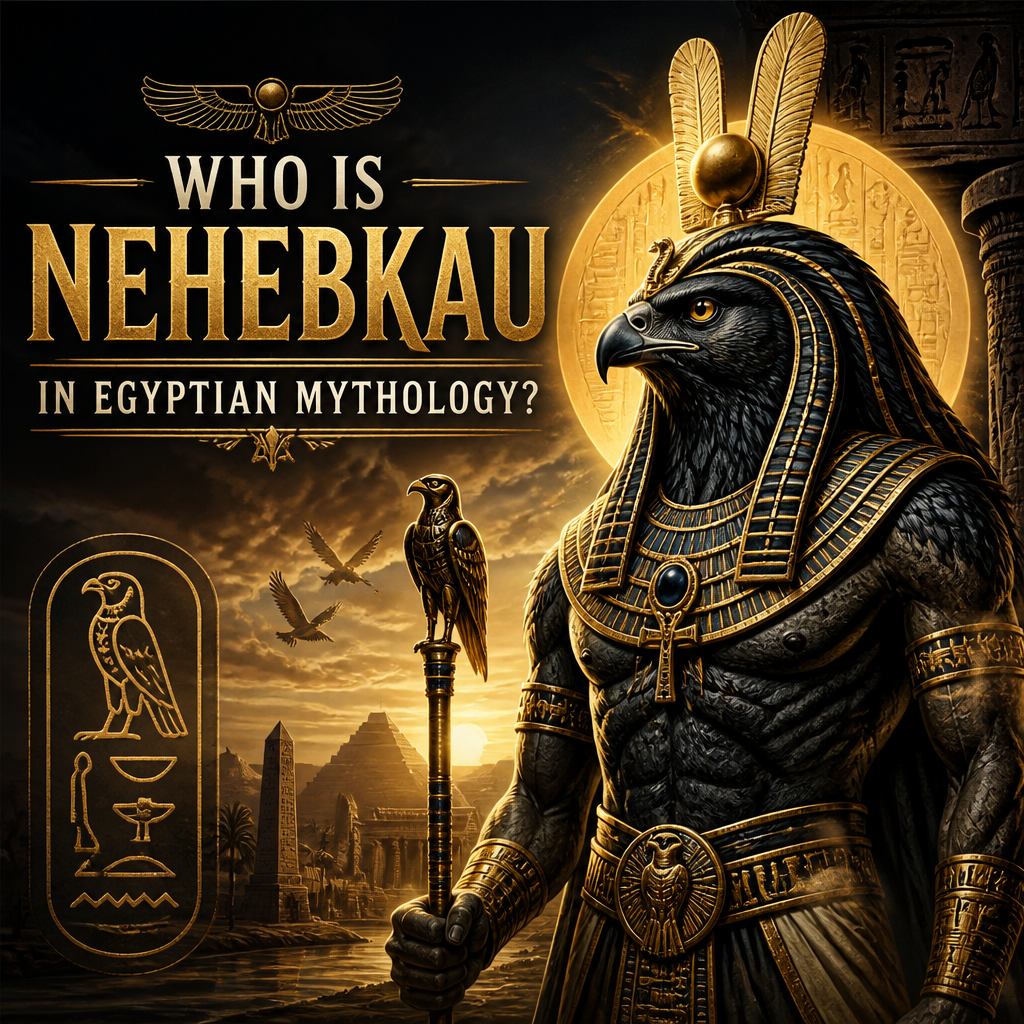
Who Is Nehebkau in Egyptian Mythology?
Nehebkau in Egyptian mythology is a mysterious serpent god linked to protection, the afterlife, and the spiritual power of the ka. His story reveals how ancient Egyptians saw snakes as both sacred guardians and powerful forces of transformation.
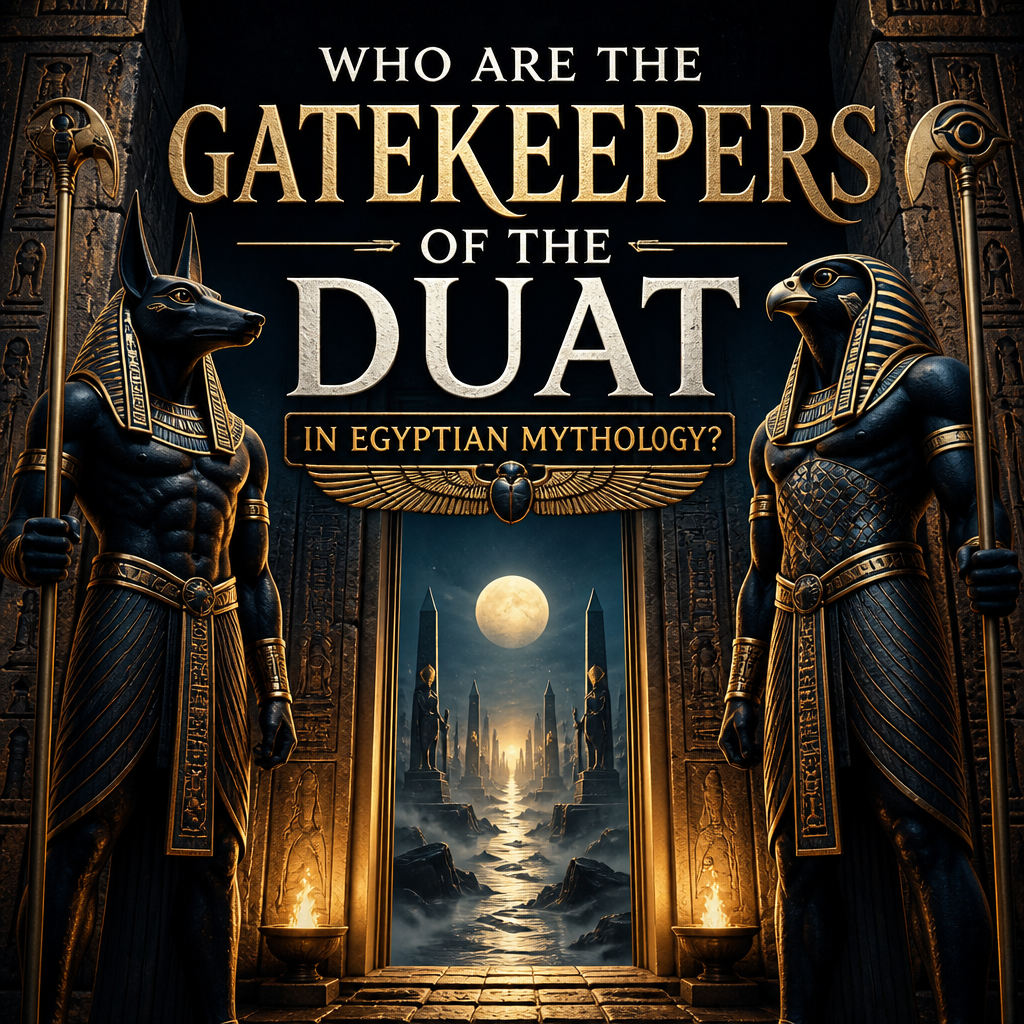
Who Are the Gatekeepers of the Duat in Egyptian Mythology?
Discover who the gatekeepers of the Duat were, why they guarded Egypt’s underworld passages, and how souls used sacred knowledge to continue their journey toward the afterlife.
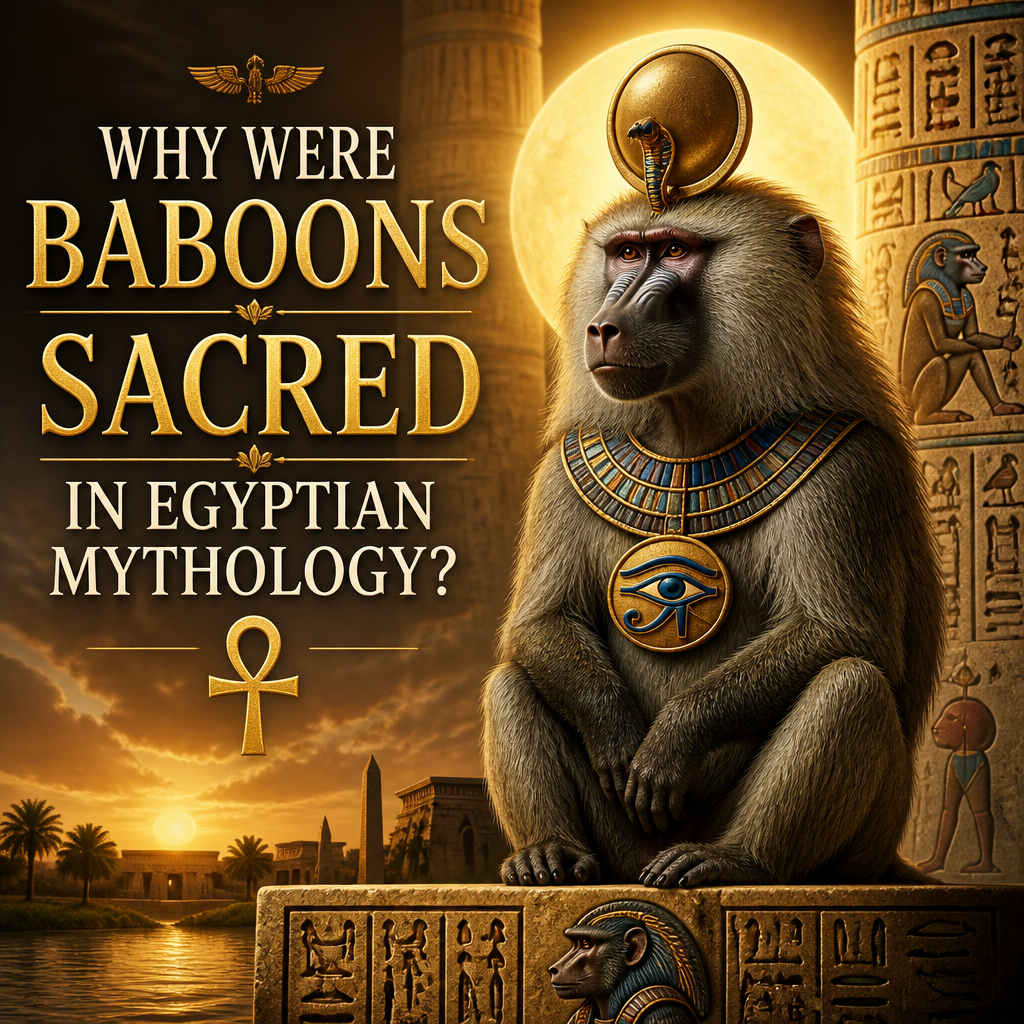
Why Were Baboons Sacred in Egyptian Mythology?
Discover why baboons sacred in Egyptian mythology were linked to Thoth, wisdom, the moon, and divine judgment in ancient Egyptian belief.
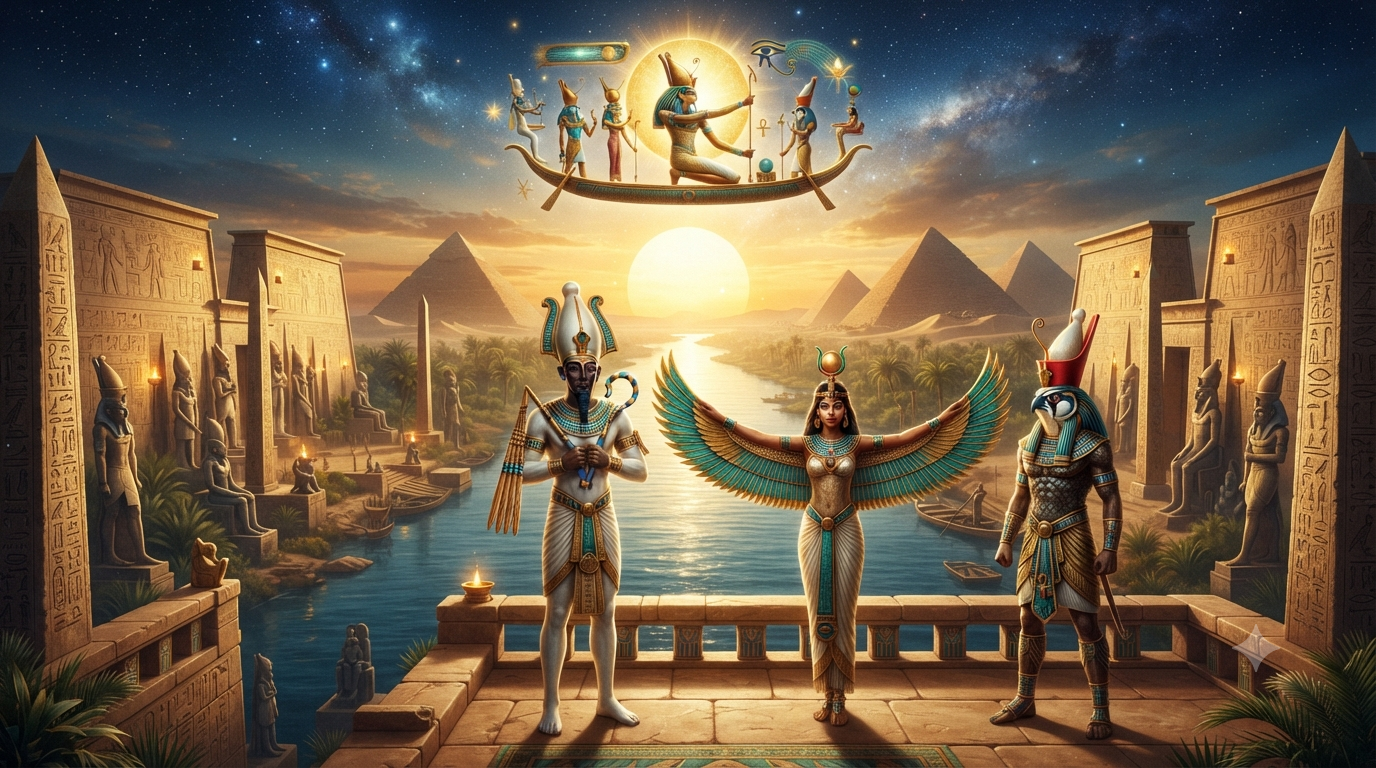
Egyptian Myths and Legends: The Complete Guide to Ancient Egypt’s Sacred Stories
Egyptian mythology is not only a collection of gods and symbols; it is, at its core, a body of stories ...
Eye of Horus vs. Eye of Ra: Key Differences Explained
The difference between the Eye of Horus and the Eye of Ra lies in their divine associations: one symbolizes Horus’s restored, protective power, while the other embodies Ra’s solar force and often its destructive aspect. Exploring their origins, meanings, and uses in ancient Egyptian belief reveals why these two sacred eyes are related, yet never interchangeable.
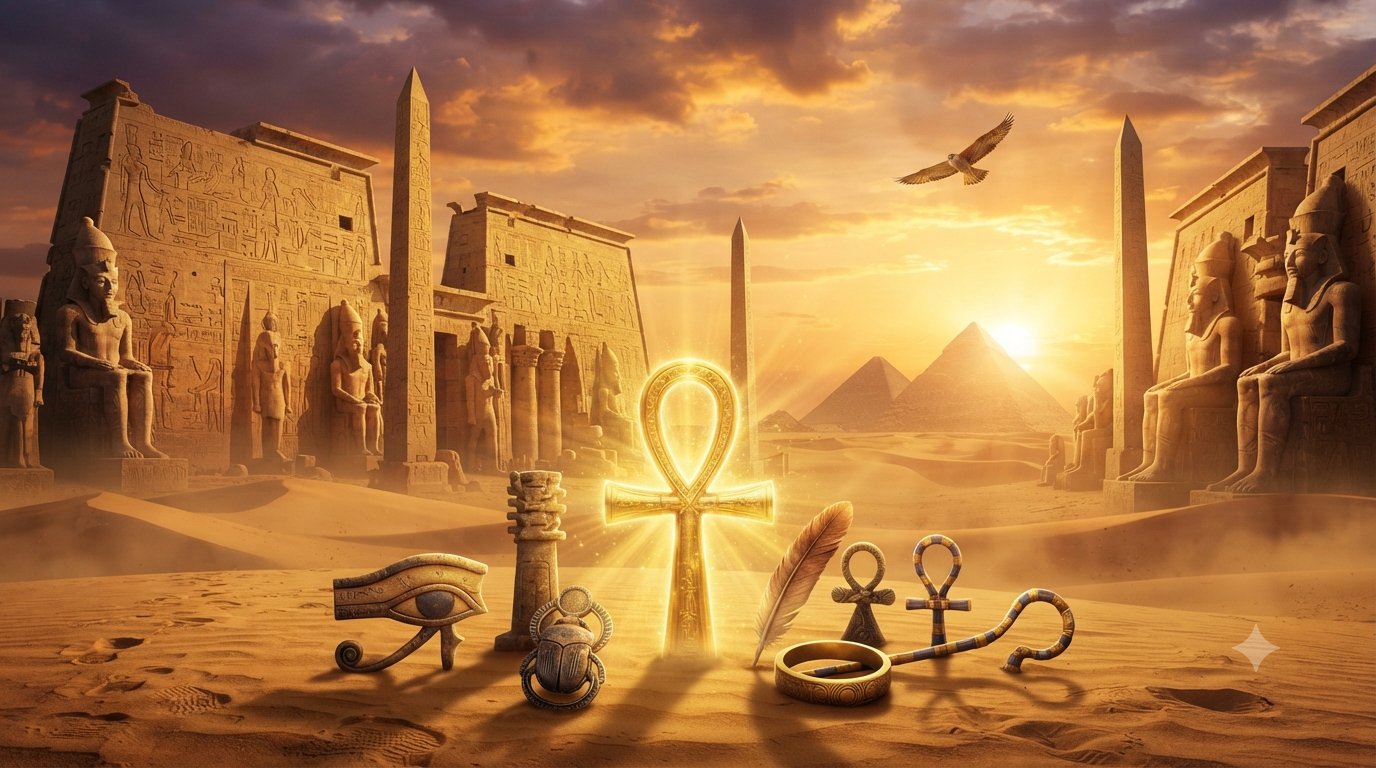
Egyptian Symbols: The Complete Guide to Ancient Egypt’s Sacred Signs and Their Meanings
Ancient Egypt communicated its deepest religious beliefs through images long before most of its population could read a single hieroglyph. ...
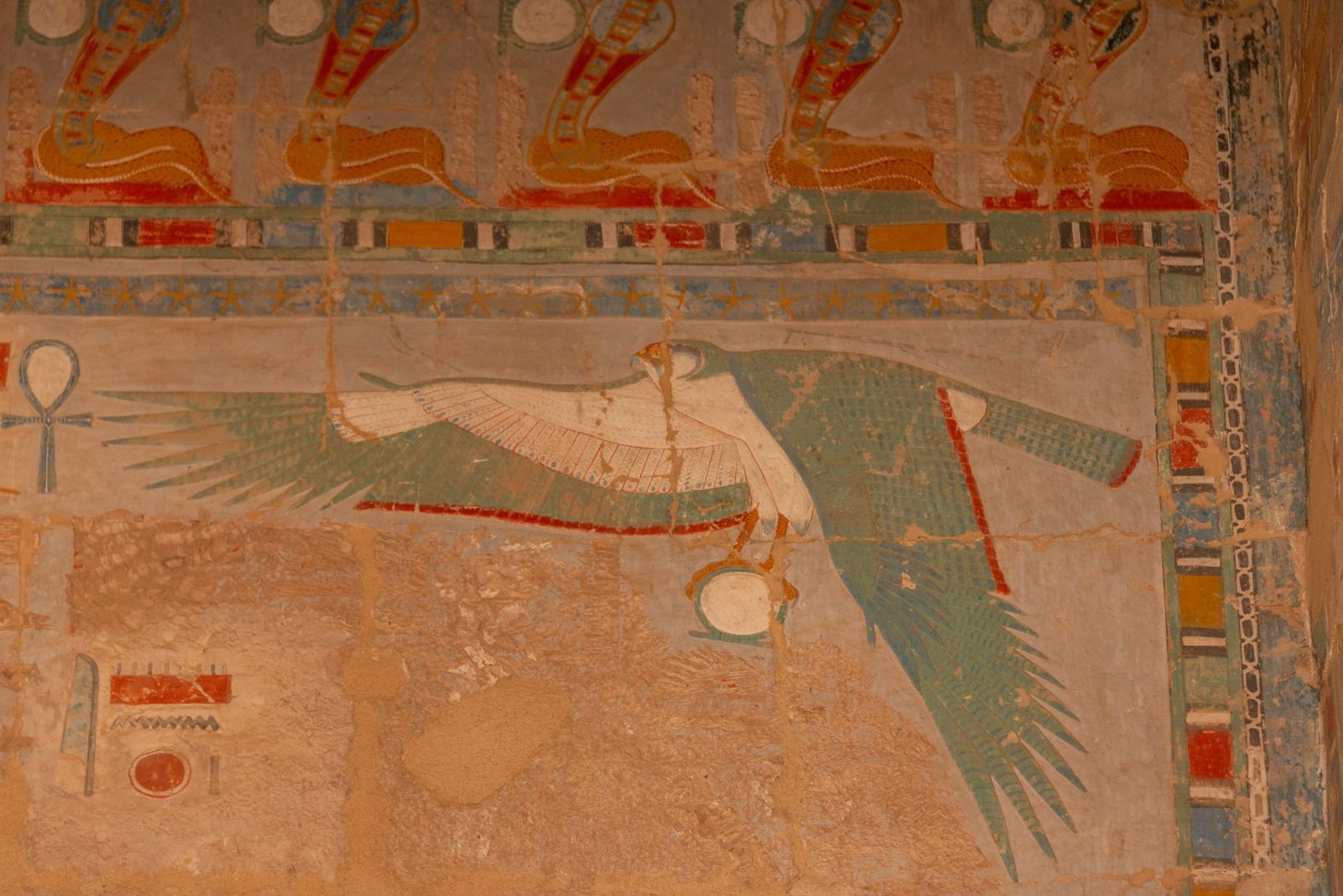
Who Is Atum in Egyptian Mythology? Origin and Meaning
Atum in Egyptian mythology is the self-created creator god who emerged from the primeval waters of Nun, embodying completeness, order, and the first act of creation. Closely tied to Heliopolis and the setting sun, he anchors major Egyptian creation traditions and reveals how ancient theologians understood the origins of the cosmos.
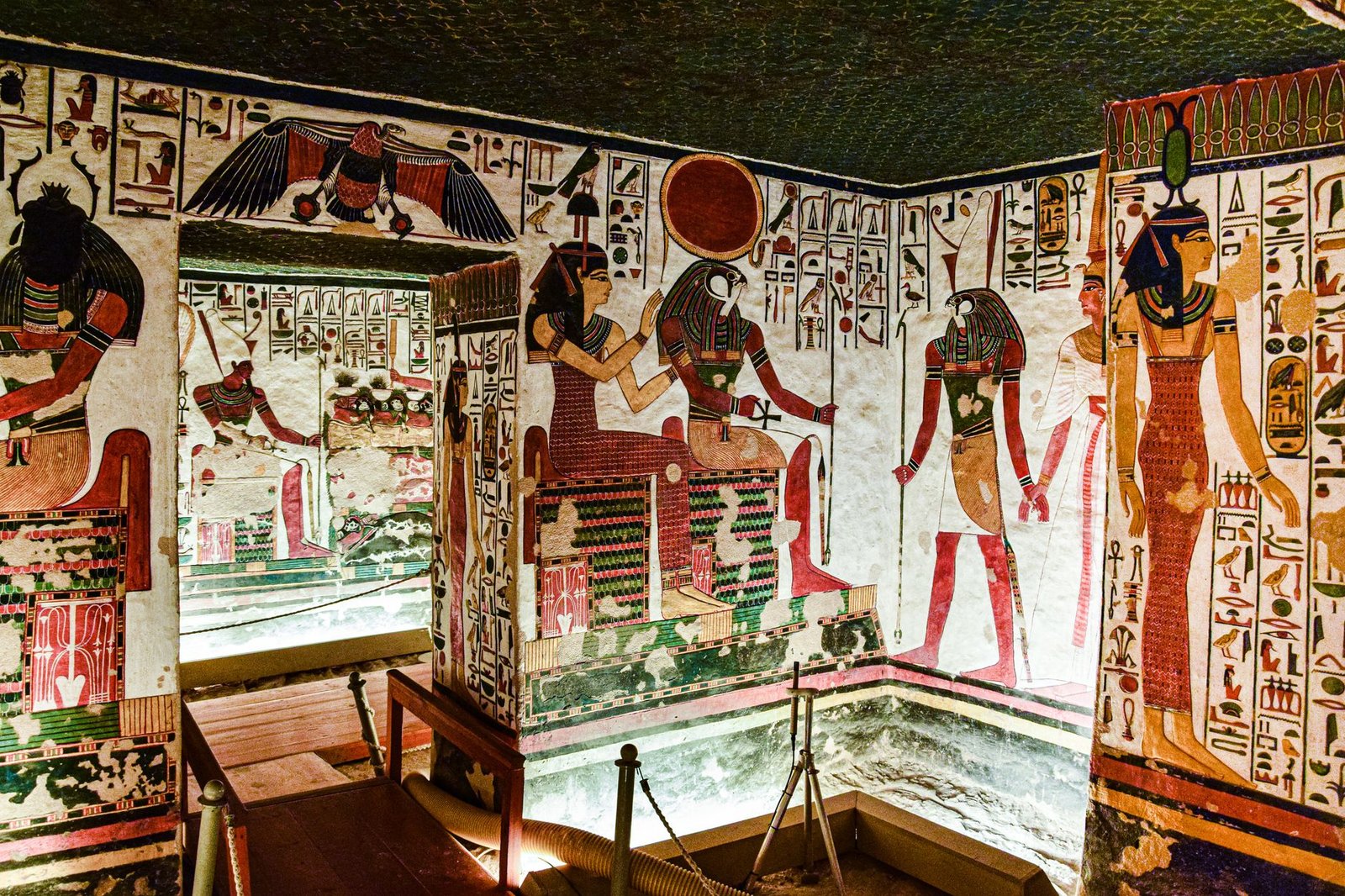
Who Is Isis in Egyptian Mythology? Meaning and Role
Isis is a central goddess in Egyptian mythology, known as a divine mother, magician, mourner, and protector whose power was tied to kingship, rebirth, and the afterlife. Her name, linked to the throne, hints at a long religious history that transformed her from a royal figure into a widely revered universal deity.
Who Is Set in Egyptian Mythology? Origins and Role
Set in Egyptian mythology is one of ancient Egypt’s most complex gods, associated with chaos, storms, the desert, and violent upheaval, yet also capable of protecting Ra on his perilous nightly journey. This excerpt traces how Set—also called Seth or Sutekh—moved from an early frontier deity to a central figure in myths of Osiris, Horus, and kingship, revealing why his legacy remains so debated.