fertility symbolism

Cauldron of the Dagda: Meaning, Myth and History
The Cauldron of the Dagda is a central object in Irish mythology, linked to the Tuatha Dé Danann and celebrated as a vessel of abundance, hospitality, and sovereignty. Its changing descriptions across sources reveal more than a magical cooking pot, inviting readers to explore its role among the Four Treasures and its wider significance in Celtic tradition.

Green Man: Mythology, Symbolism, and Cultural History
The Green Man is a recurring figure in European art, folklore, and religious symbolism, usually shown as a face entwined with leaves, vines, or other vegetation. Often linked with renewal, fertility, and the cycle of life and death, this enigmatic motif invites debate over its origins, meanings, and enduring appeal across medieval and modern traditions.
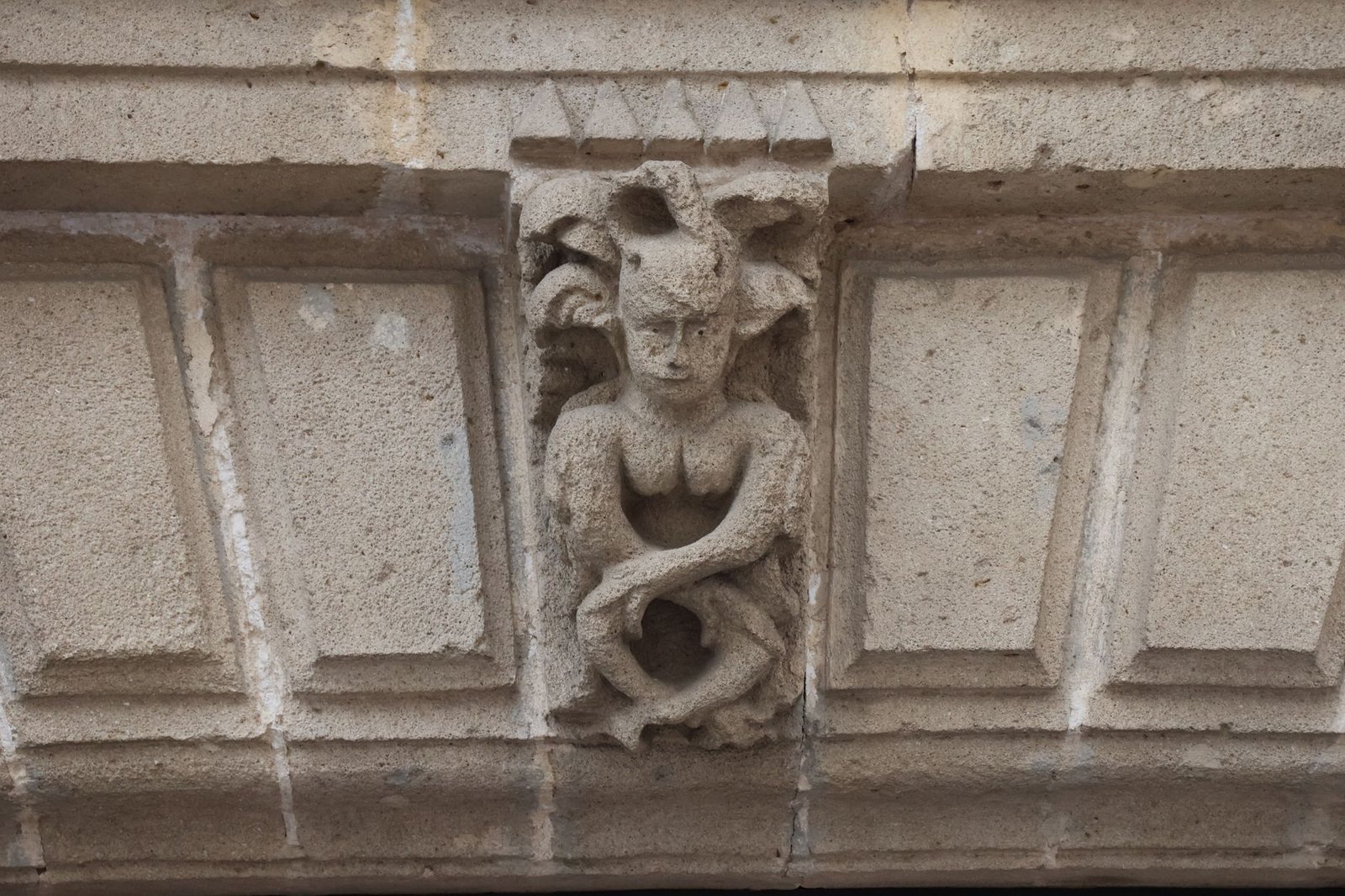
Sheela Na Gig: Meaning, History, and Cultural Significance
Sheela na Gig refers to the enigmatic carved female figures found on medieval buildings in Ireland and Britain, where their naked forms and exaggerated anatomy have prompted centuries of debate. Exploring their uncertain origins, symbolic meanings, and historical context reveals how these sculptures bridge religion, folklore, and art history, while still resisting a single explanation.

Cornucopia of Abundance: Meaning, Symbolism, and History
The Cornucopia of Abundance, or horn of plenty, is an enduring symbol of prosperity rooted in Greek and Roman myth, where overflowing fruit and grain signified divine favor, fertility, and harvest wealth. Its long history in art, coinage, and emblematic tradition reveals how a single image came to embody the idea of plenty across centuries and cultures.