Greek mythology
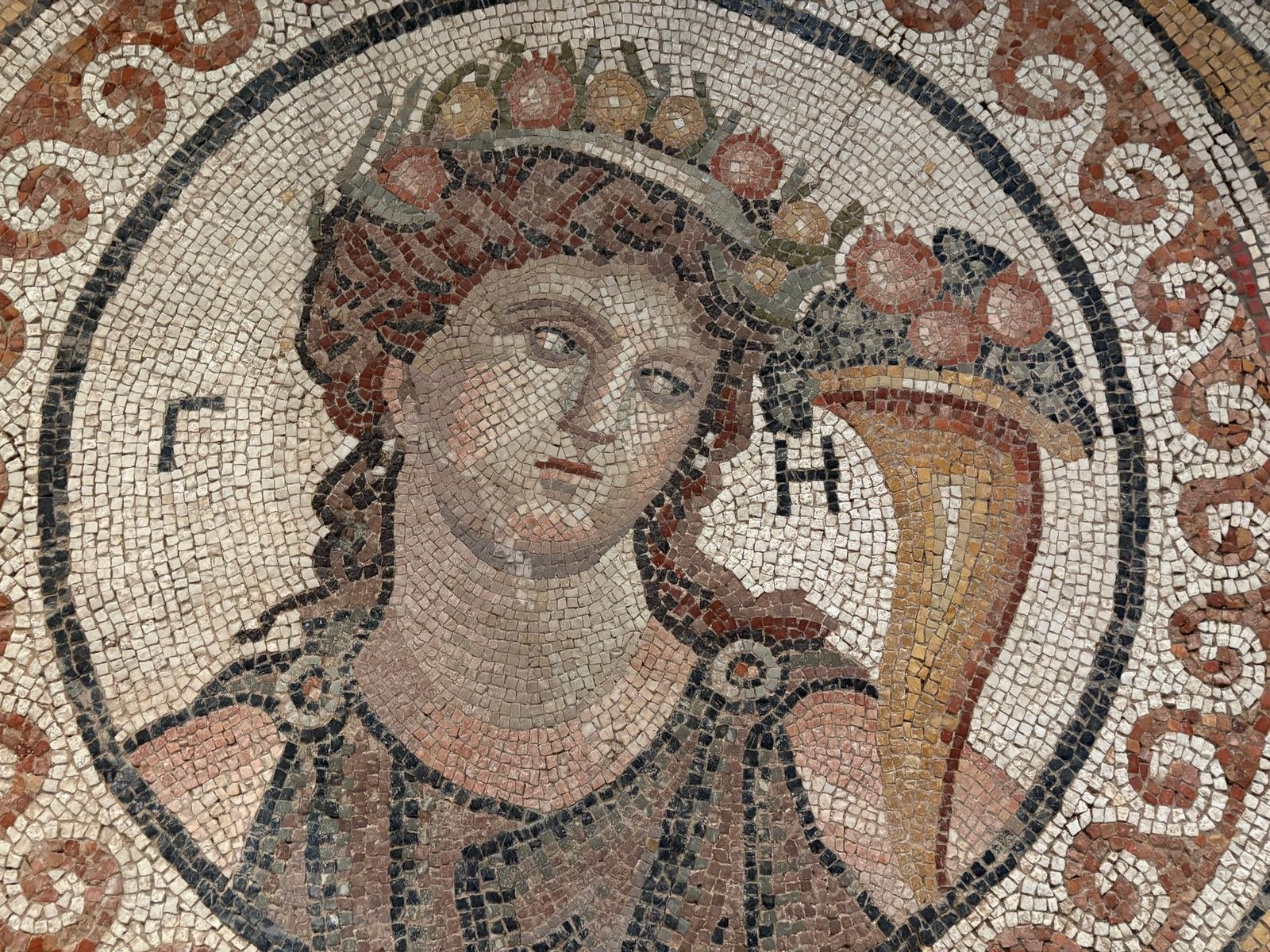
Who Is Gaia in Greek Mythology? Meaning, Myths, and Origins
Gaia in Greek mythology is the ancient Earth goddess and mother of countless gods, giants, and creatures. Her story reveals how the Greeks imagined creation, nature, and the powerful forces beneath the world itself.
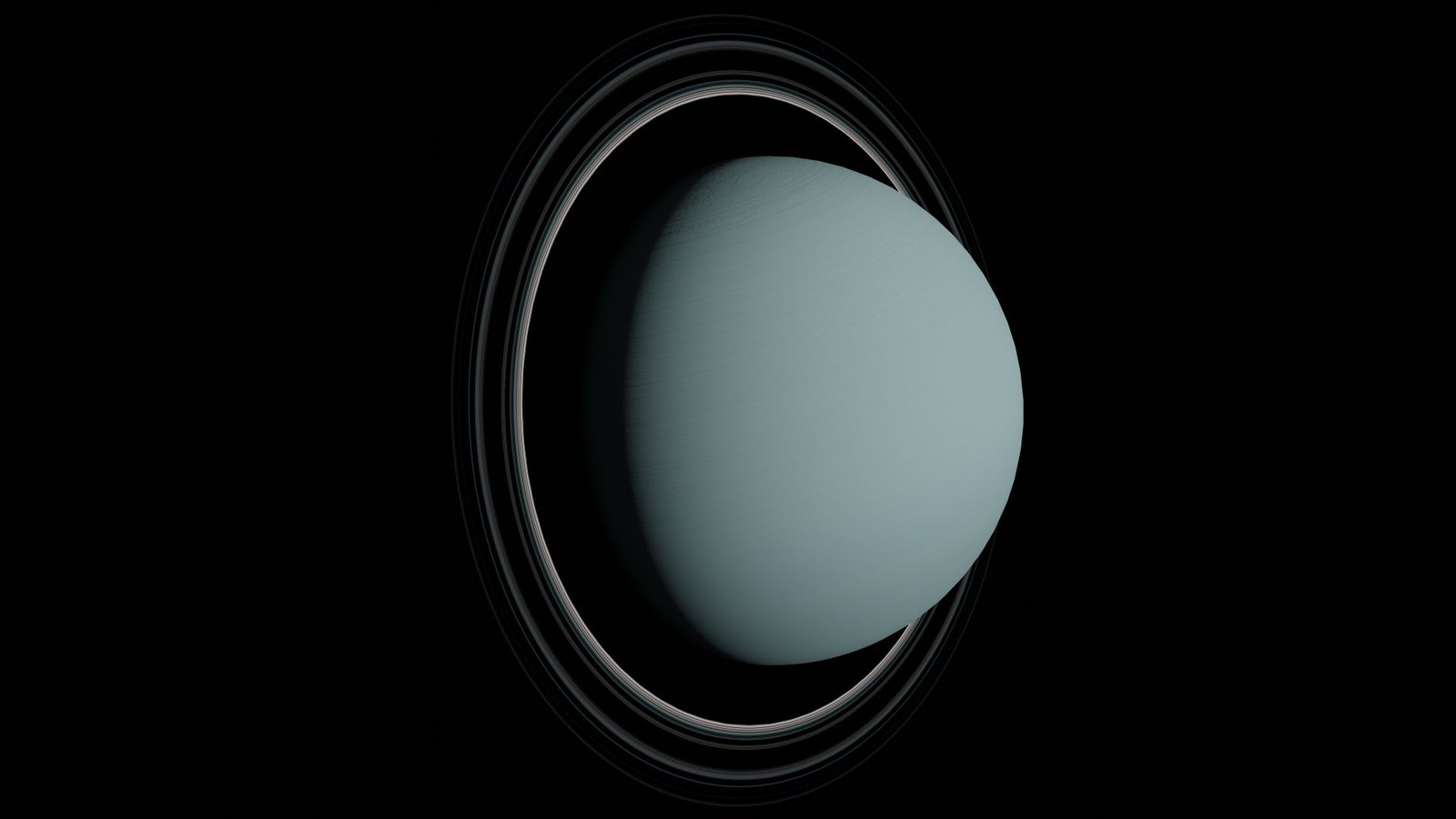
Who Is Uranus in Greek Mythology? A Quick Guide
Uranus in Greek mythology is the ancient sky god whose story begins the family drama of the Titans, Cronus, and eventually Zeus. As one of the first divine beings, he helps explain how the Greek cosmos took shape.
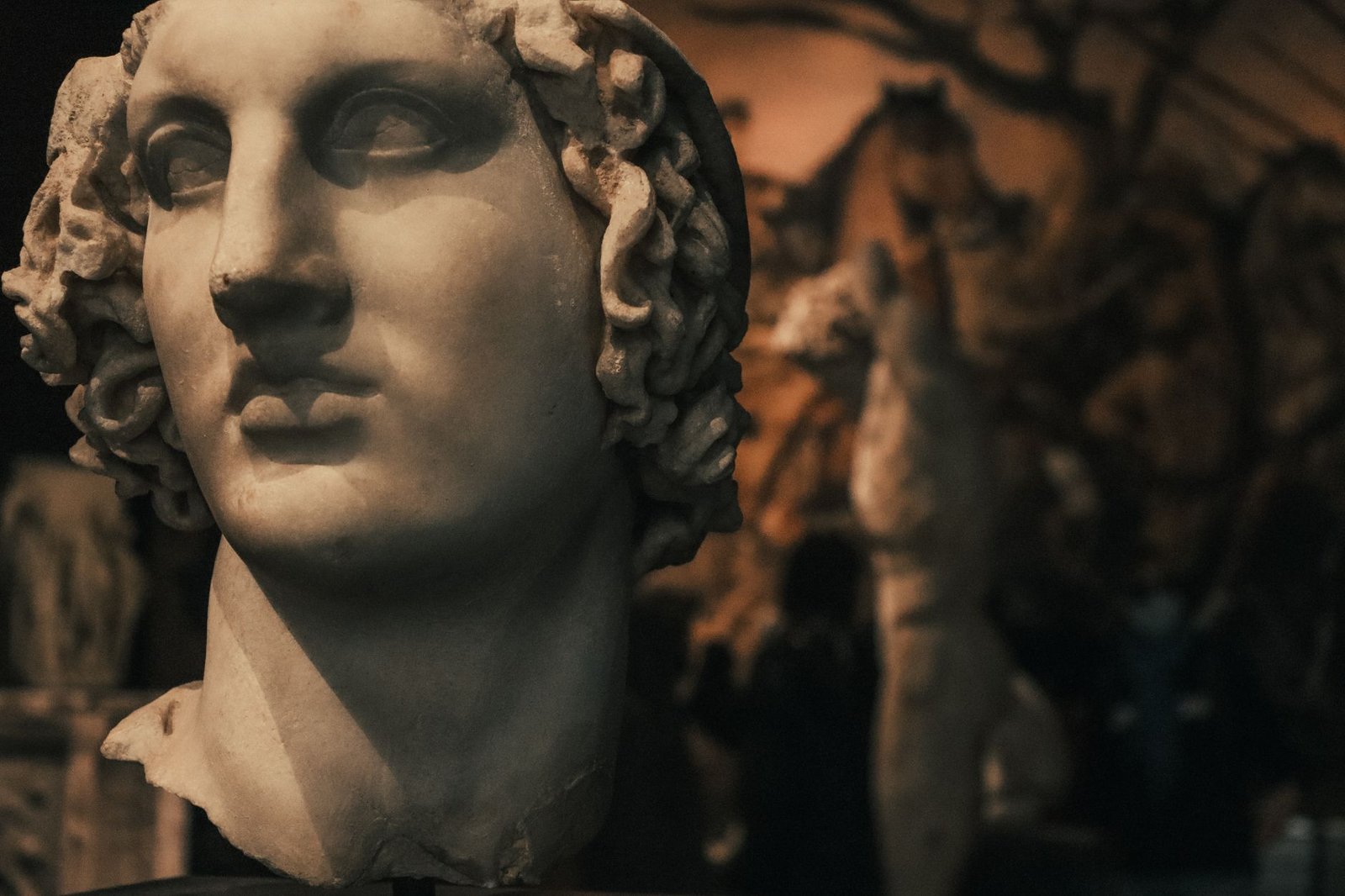
Who Is Nyx in Greek Mythology? Goddess of Night
Nyx in Greek mythology is the ancient goddess of night, a powerful primordial figure born from Chaos and respected even by Zeus. Mysterious and awe-inspiring, she represents darkness, dreams, and the hidden forces that shape the world.
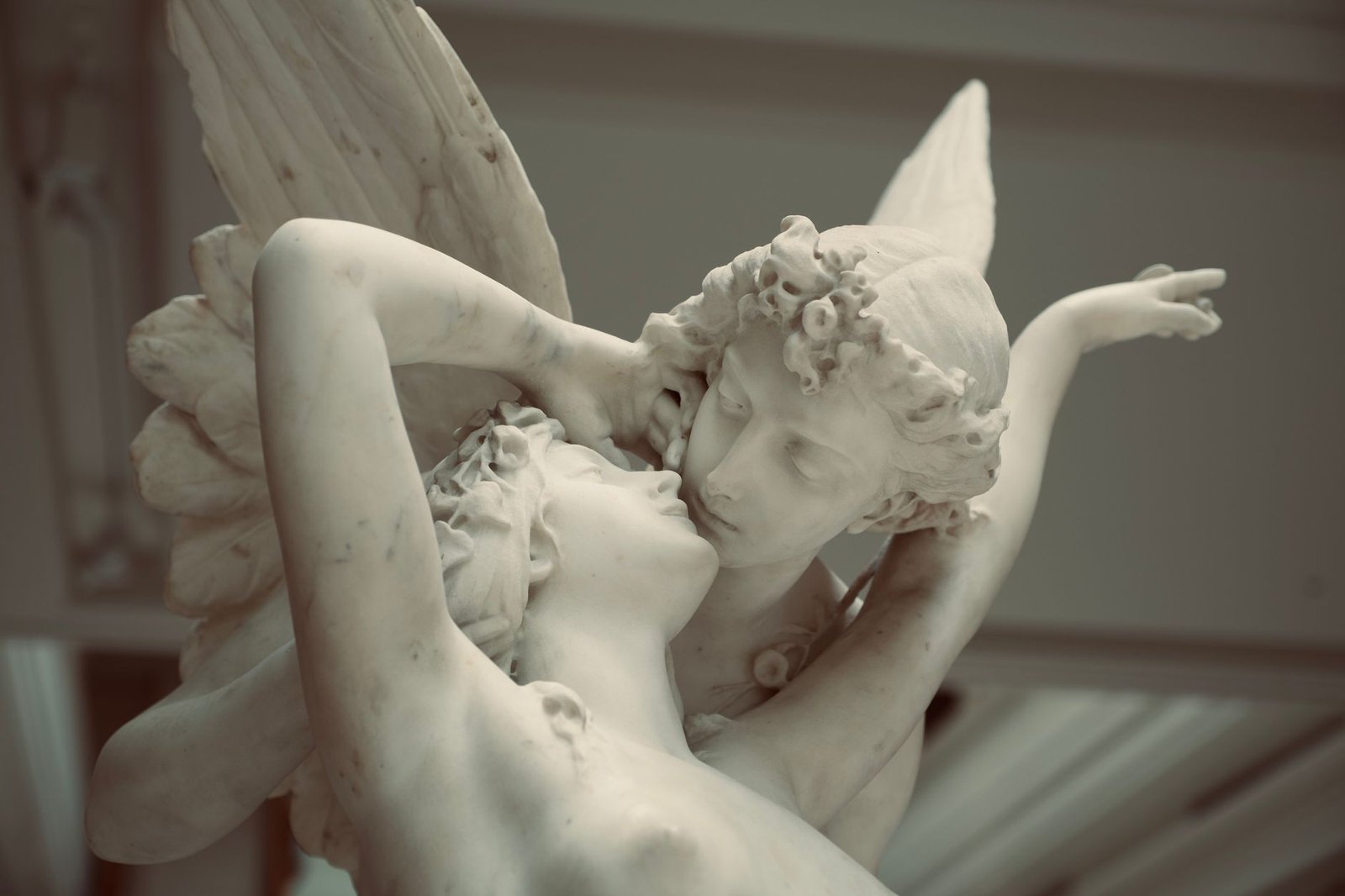
Who Is Nike in Greek Mythology? Meaning and Story
Nike in Greek mythology is the winged goddess of victory, symbolizing triumph in battle, athletics, and heroic achievement. Long before the famous brand, Nike represented the sacred power of success that inspired gods, warriors, and champions alike.
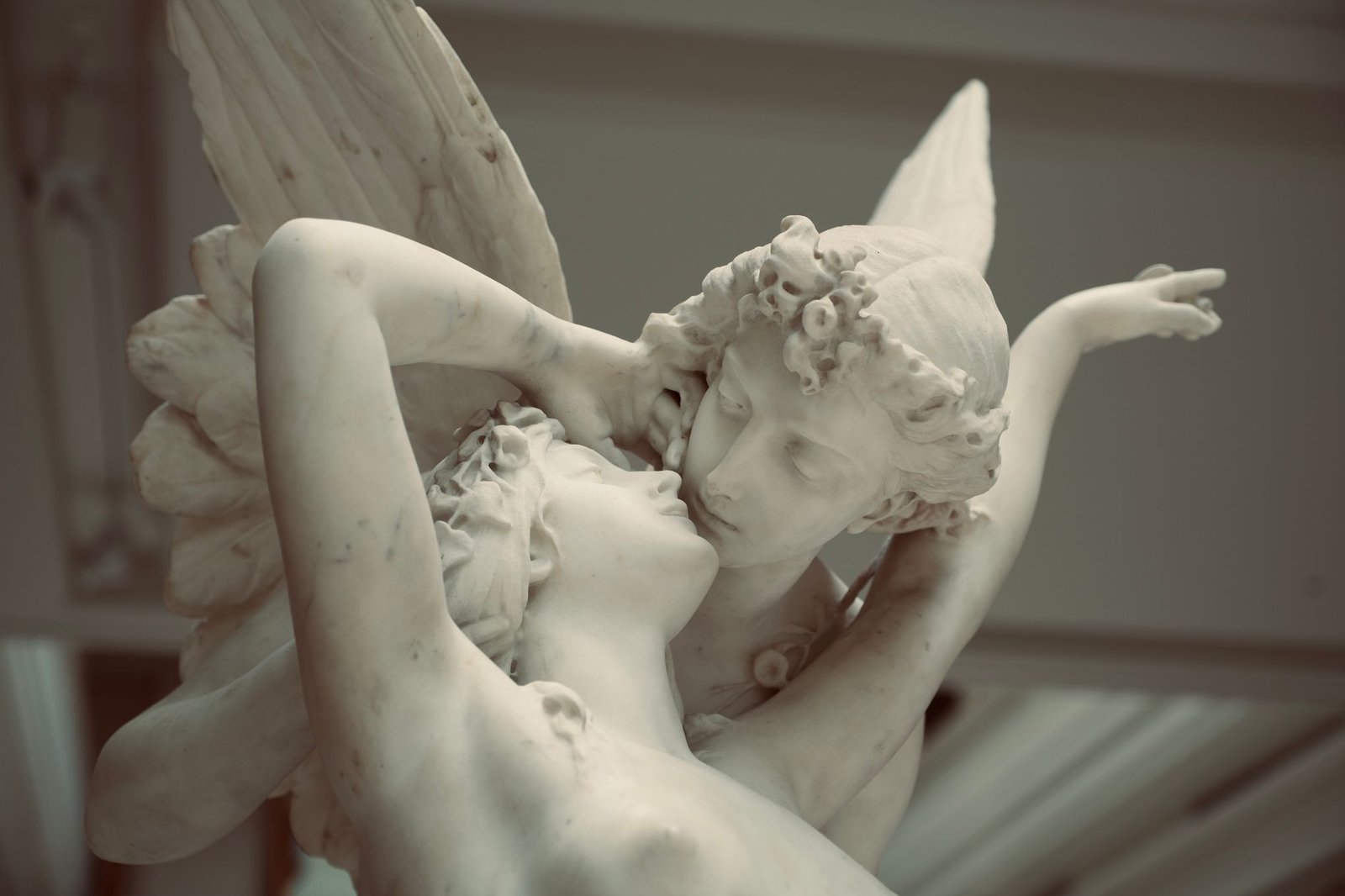
Who Is Iris in Greek Mythology? Goddess of the Rainbow
Iris in Greek mythology is the radiant goddess of the rainbow and a swift messenger of the gods, linking heaven, earth, and sea. Her story reveals a graceful divine figure who brings messages, movement, and color to the ancient world.

Who Is the King of the Greek Gods?
Zeus is known as the King of Mount Olympus, ruling over the Greek gods with thunderbolt in hand and authority over the skies. His myths reveal a powerful, dramatic figure at the heart of ancient Greek religion and storytelling.
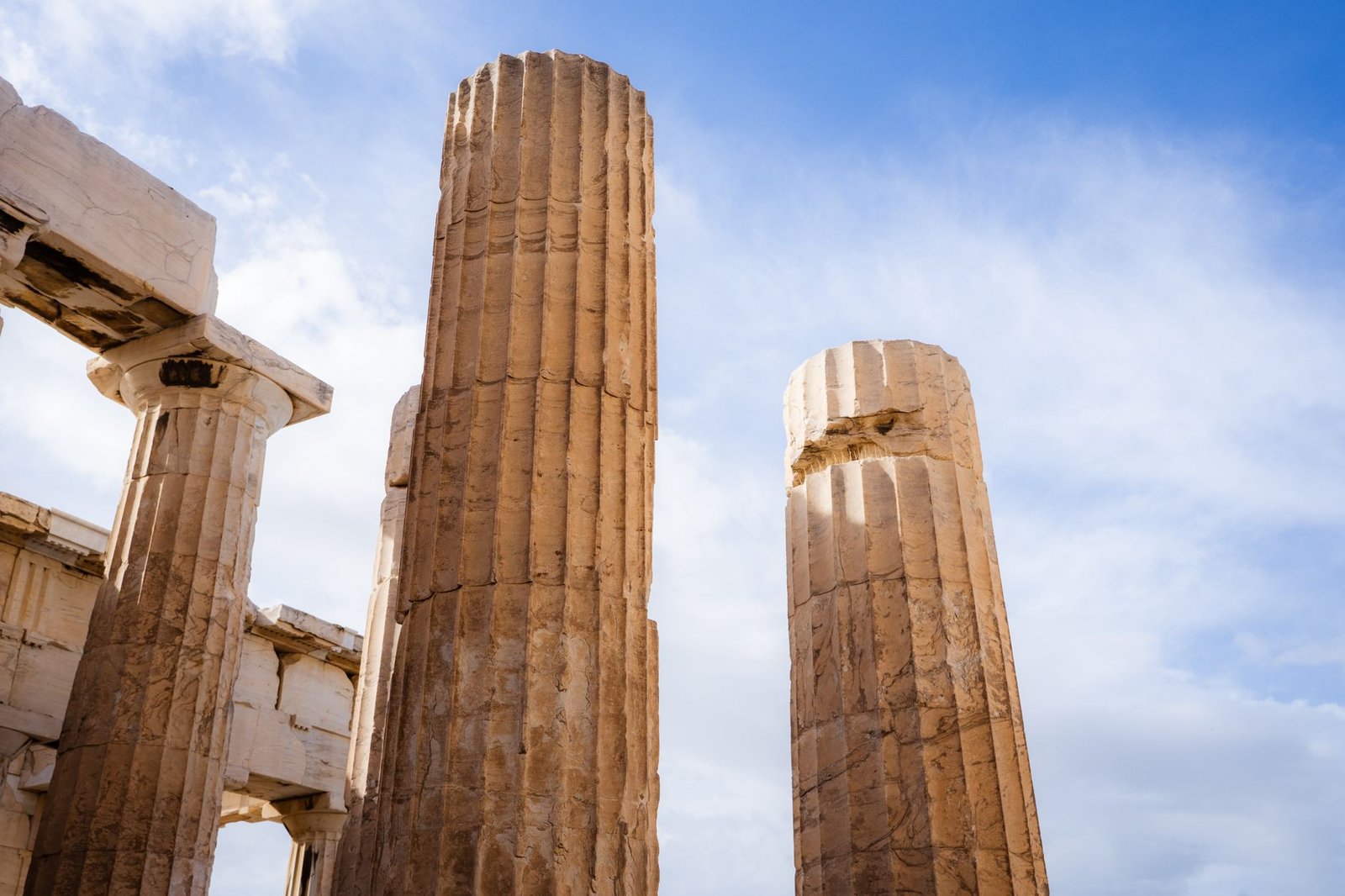
Who Are the Twelve Olympians in Greek Mythology?
Meet the Twelve Olympians, the powerful and unforgettable gods and goddesses of Greek mythology who ruled from Mount Olympus and shaped countless ancient stories. From Zeus’s thunderbolts to Athena’s wisdom, their myths are full of drama, adventure, and very human emotions.
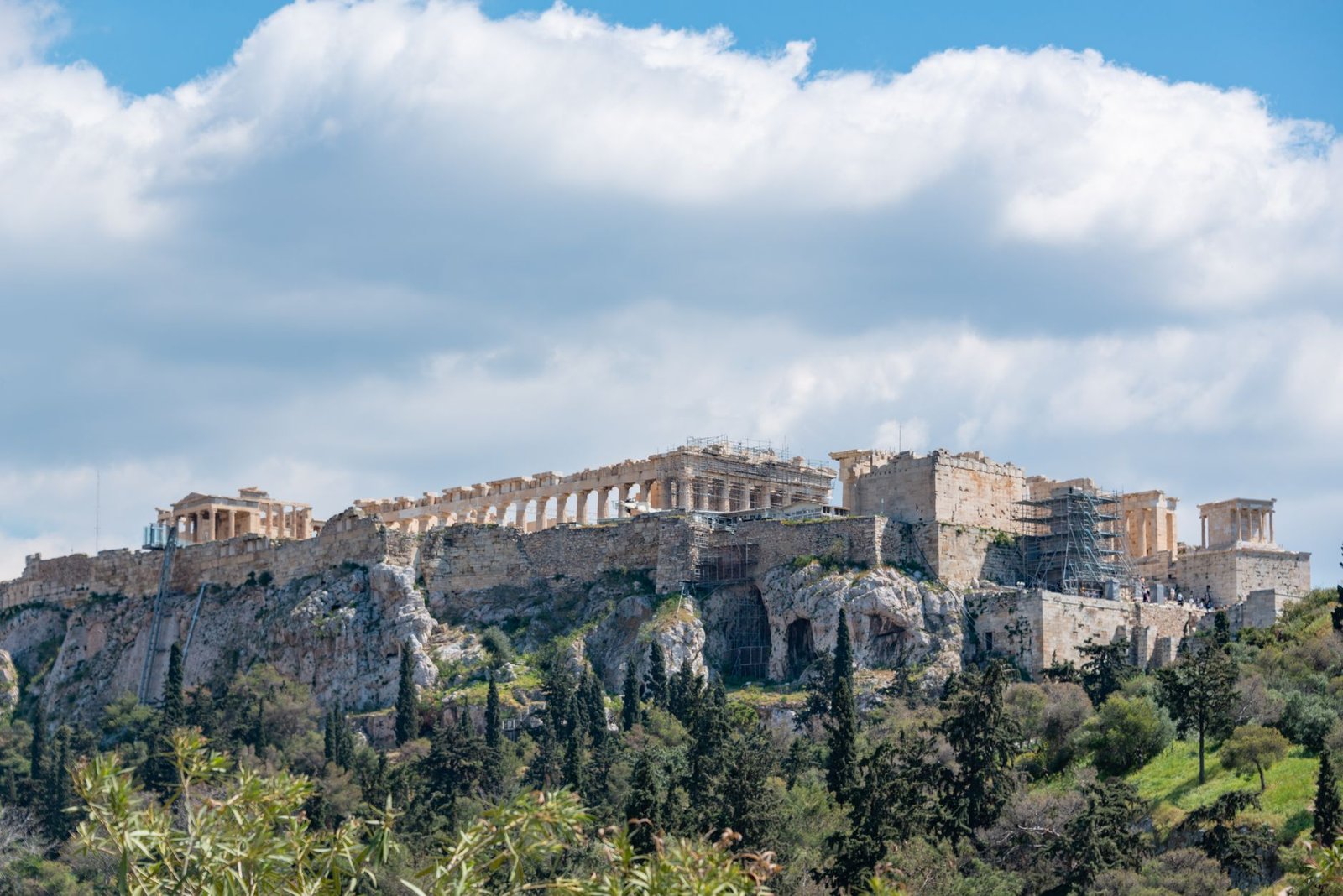
Difference Between Titans and Olympians in Greek Mythology
Discover how the Titans and Olympians differ in Greek mythology, from their ancient family roots to the epic battle that changed who ruled the universe.
Primordial Deities vs Titans in Greek Mythology: Key Differences
The primordial deities and Titans may both be ancient powers in Greek mythology, but they belong to different cosmic generations. This quick guide explains how the first forces of creation gave rise to the mighty gods who ruled before Olympus.
Hades vs Pluto: Key Differences in Greek Mythology
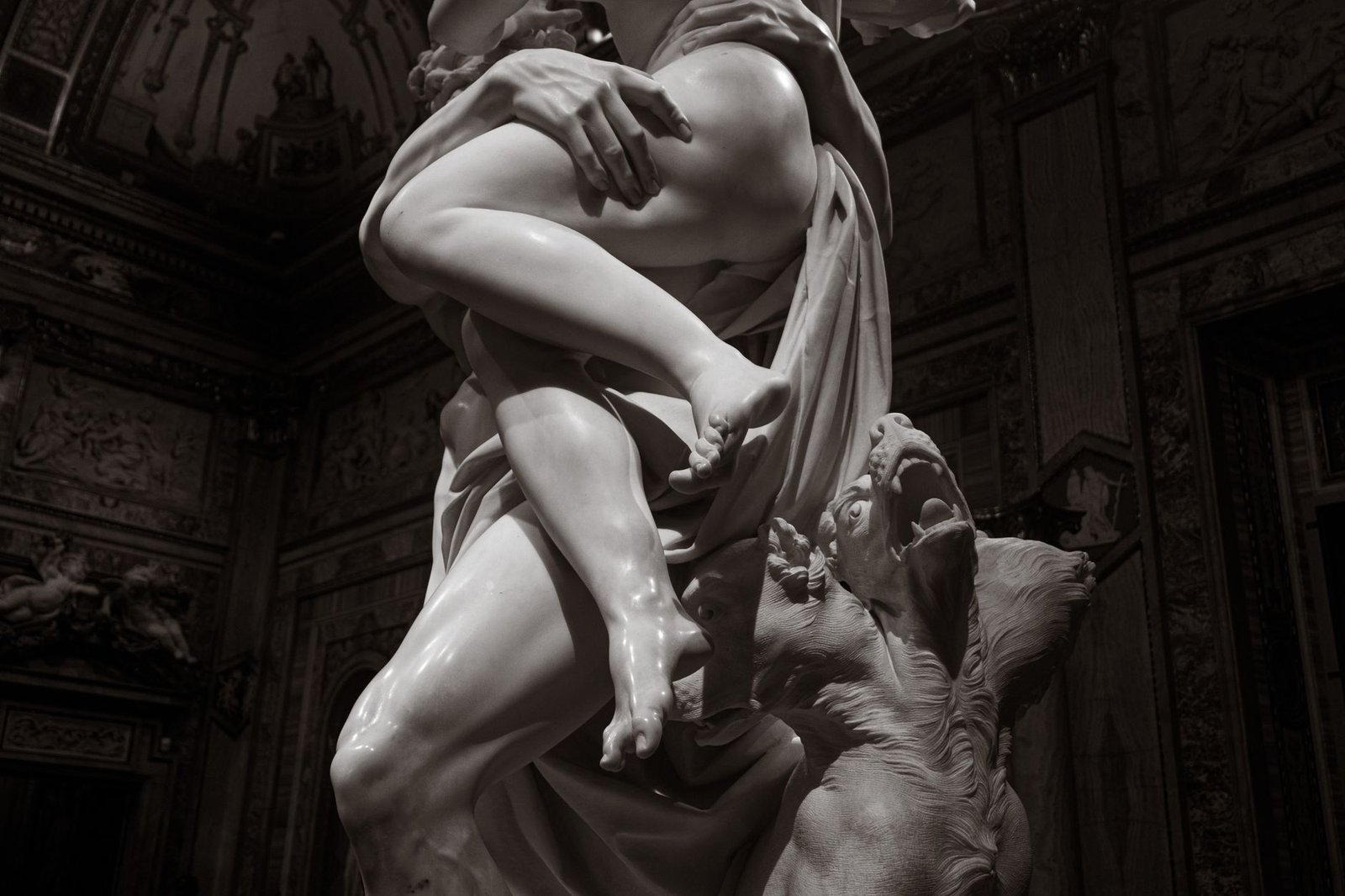
Hades and Pluto are often treated as the same underworld god, but their names reveal important differences between Greek and Roman mythology. Here’s how Hades and Pluto overlap, where they differ, and why the distinction matters.