Heliopolis
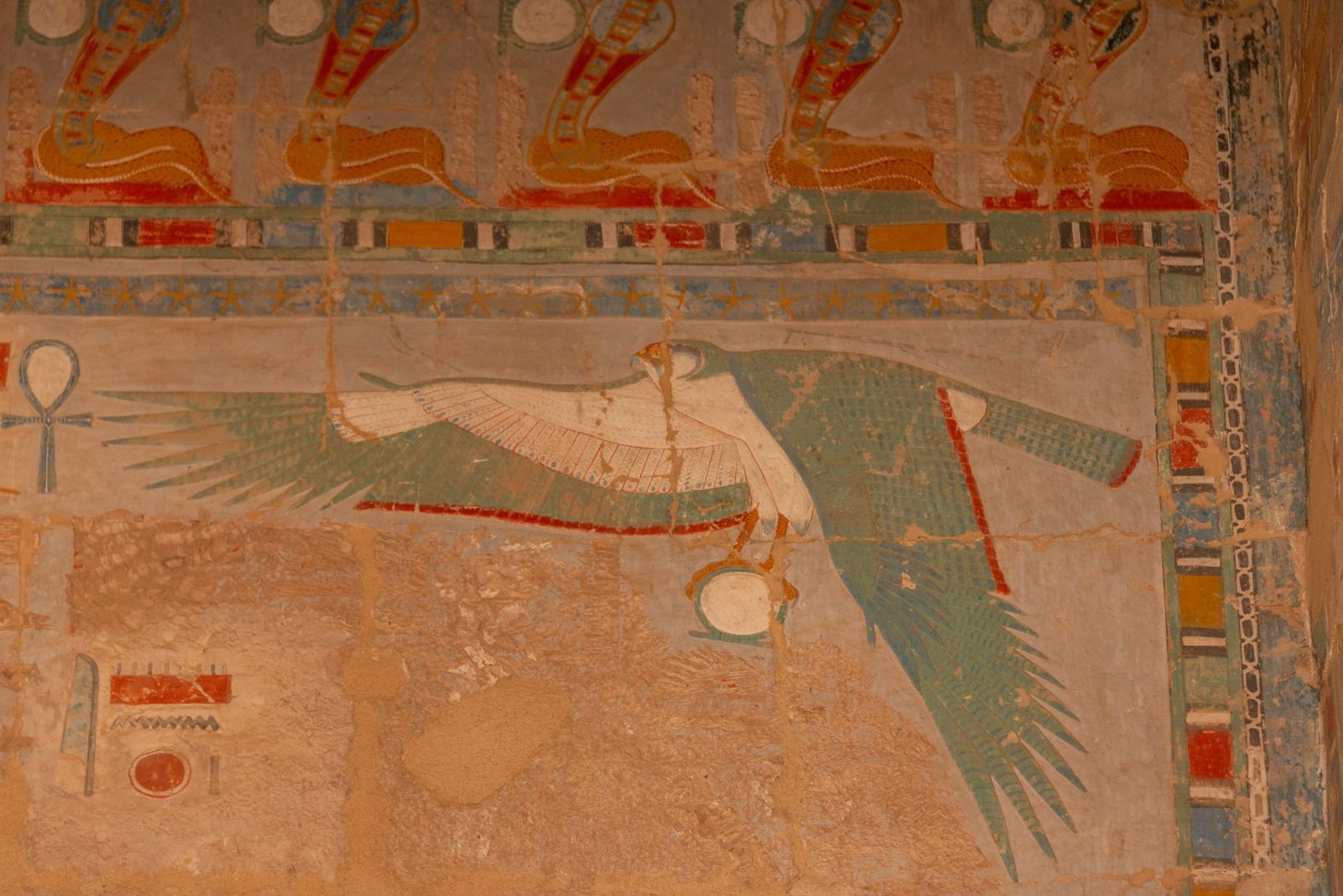
Who Is Atum in Egyptian Mythology? Origin and Meaning
Atum in Egyptian mythology is the self-created creator god who emerged from the primeval waters of Nun, embodying completeness, order, and the first act of creation. Closely tied to Heliopolis and the setting sun, he anchors major Egyptian creation traditions and reveals how ancient theologians understood the origins of the cosmos.
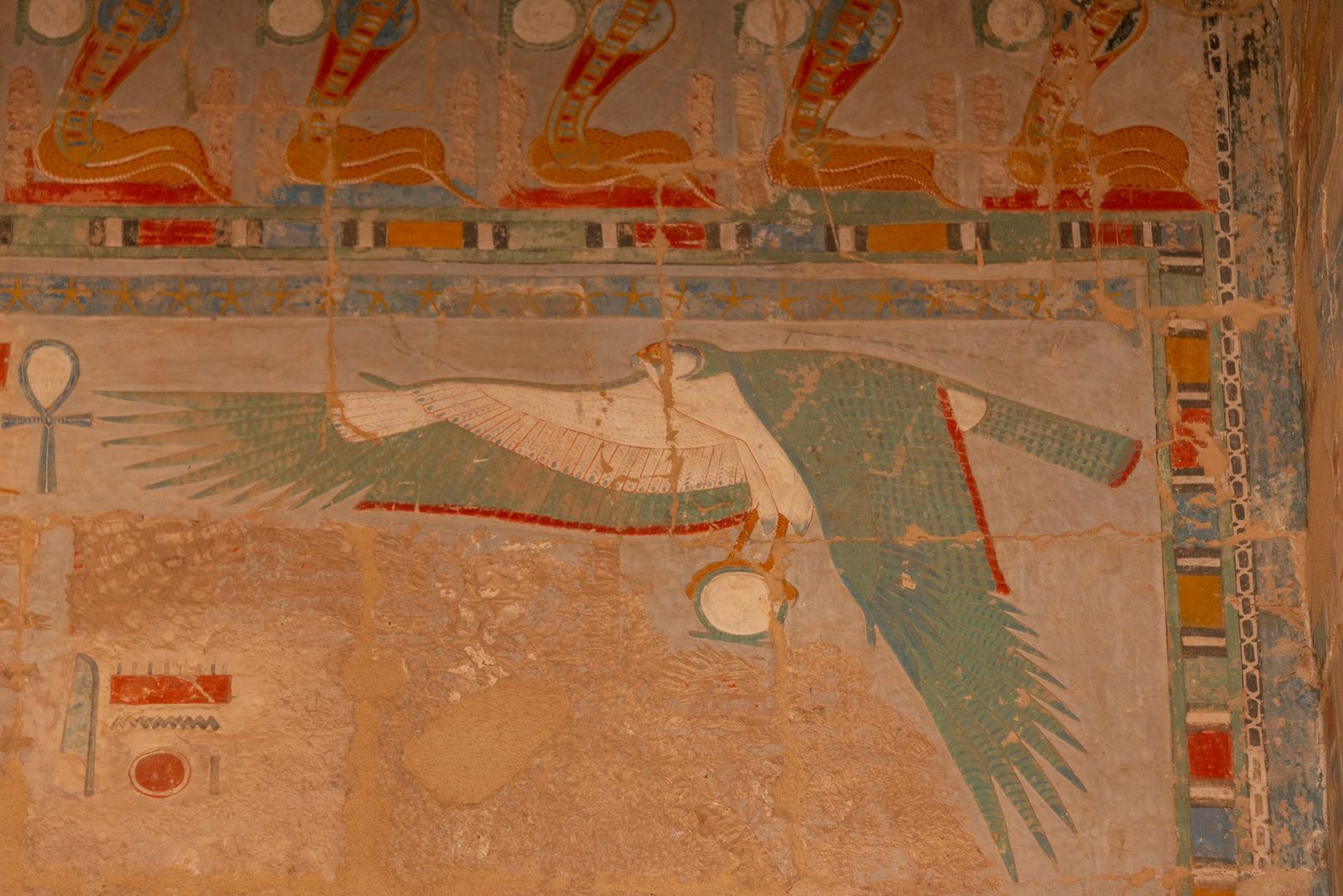
Tefnut in Egyptian Mythology: Goddess of Moisture and Rain
Who is Tefnut in Egyptian mythology? She is an ancient goddess of moisture, dew, and life-giving humidity, and a key figure in the Heliopolitan Ennead, where she helps explain creation, divine order, and the balance between air and water.

What Is the Ennead in Egyptian Mythology?
The ennead in Egyptian mythology refers to a nine-god divine family, most famously the Heliopolitan Ennead centered on Atum and the sun cult of Heliopolis. Its creation myths link the gods, the cosmos, and royal authority, revealing how ancient Egyptians explained order emerging from chaos and why this theology remained influential.
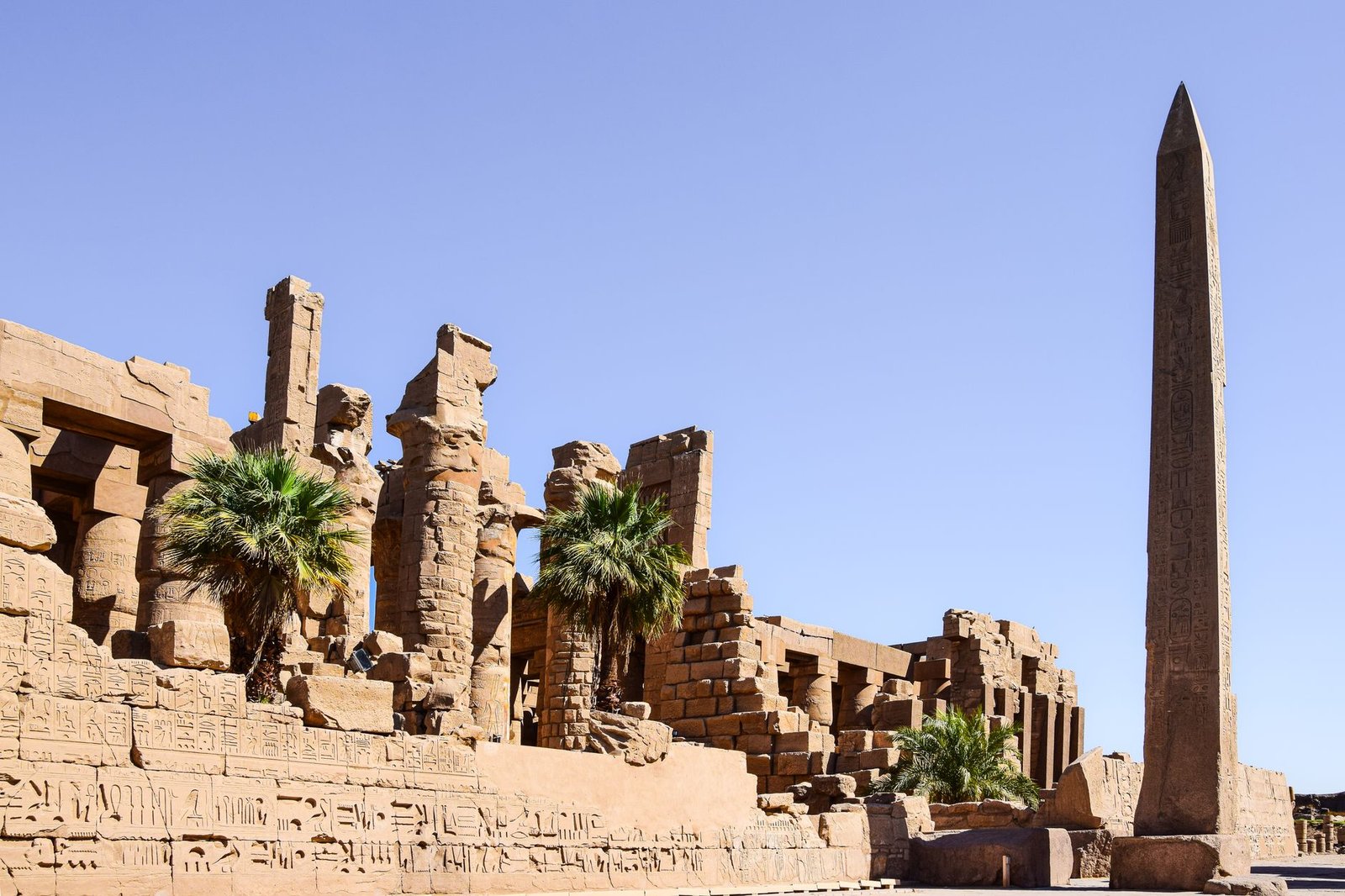
What Is the Difference Between Amun and Amun-Ra?
The difference between Amun and Amun-Ra lies in Egyptian religious development: Amun began as the hidden god of Thebes, linked to air and kingship, while Amun-Ra emerged when he was fused with Ra, the sun god. Exploring this transformation reveals how ancient Egyptians blended divine powers and reshaped major deities without abandoning earlier beliefs.