Hephaestus
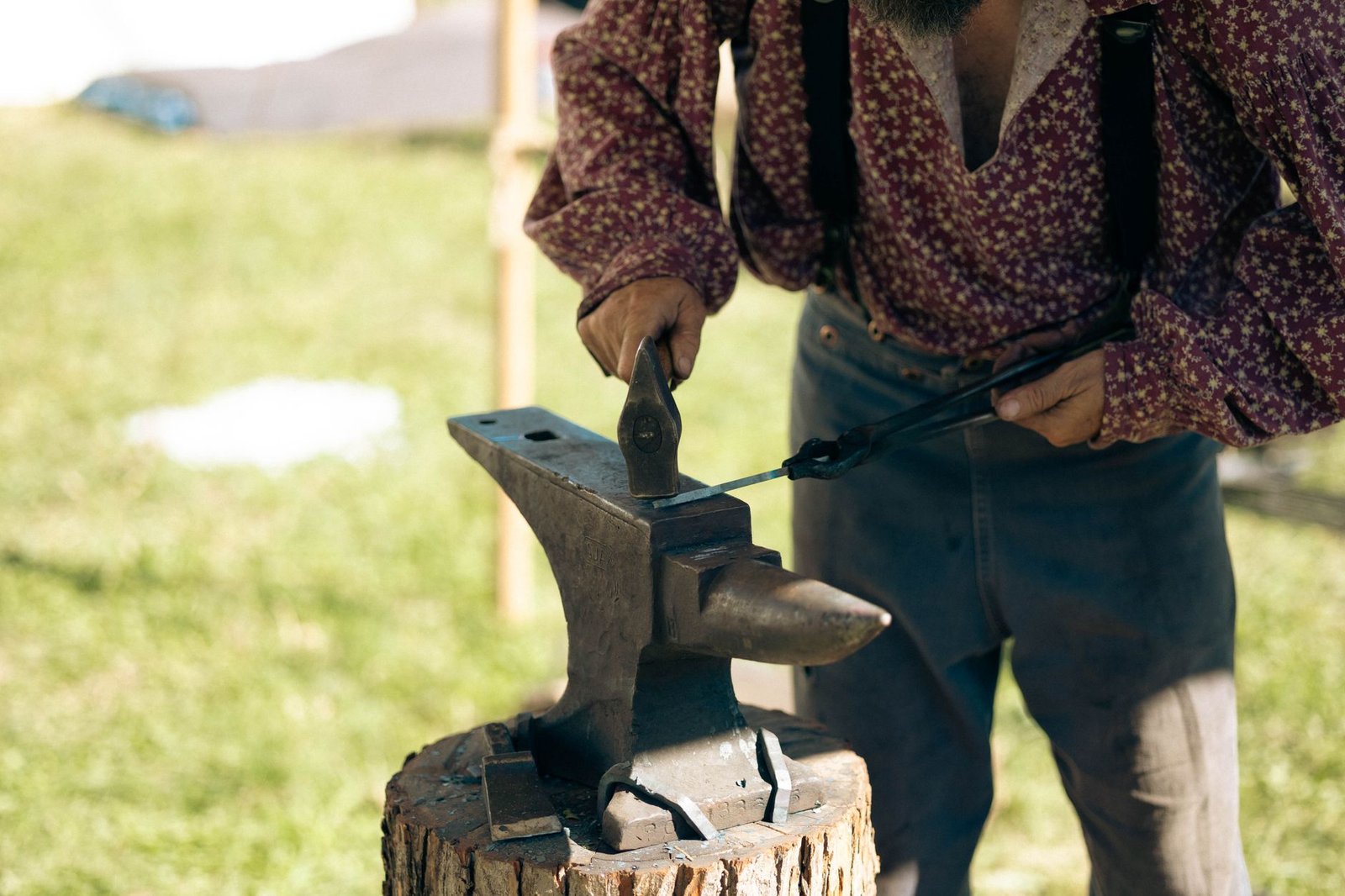
Hammer and Anvil of Vulcan: Meaning and Mythology
The Hammer and Anvil of Vulcan are enduring symbols of the Roman god’s mastery over fire, metallurgy, and the volatile power of the forge. Appearing in myth, art, and later cultural tradition, these tools embody both craftsmanship and destruction, offering a vivid entry point into Vulcan’s complex place in Roman religion.
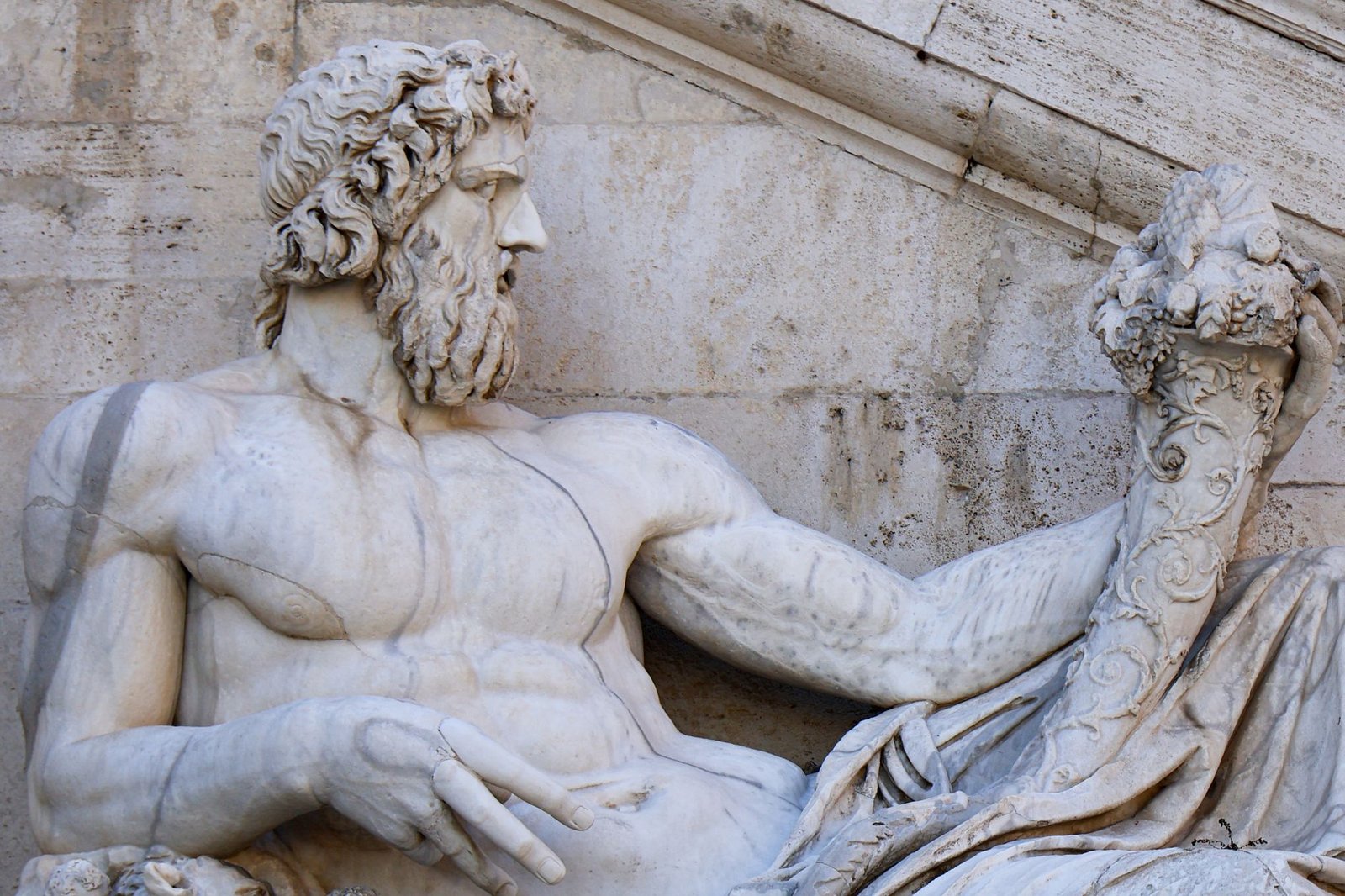
Vulcan: Roman God of Fire, Forge, and Volcanoes
Vulcan, the Roman god of fire, metalworking, and the forge, embodies both the destructive force of flames and the skilled craft that turns heat into tools, weapons, and art. This article traces his uncertain origins, his place in Roman religion and the Volcanalia festival, and his later identification with Hephaestus, revealing a deity central to ancient beliefs about danger and invention.
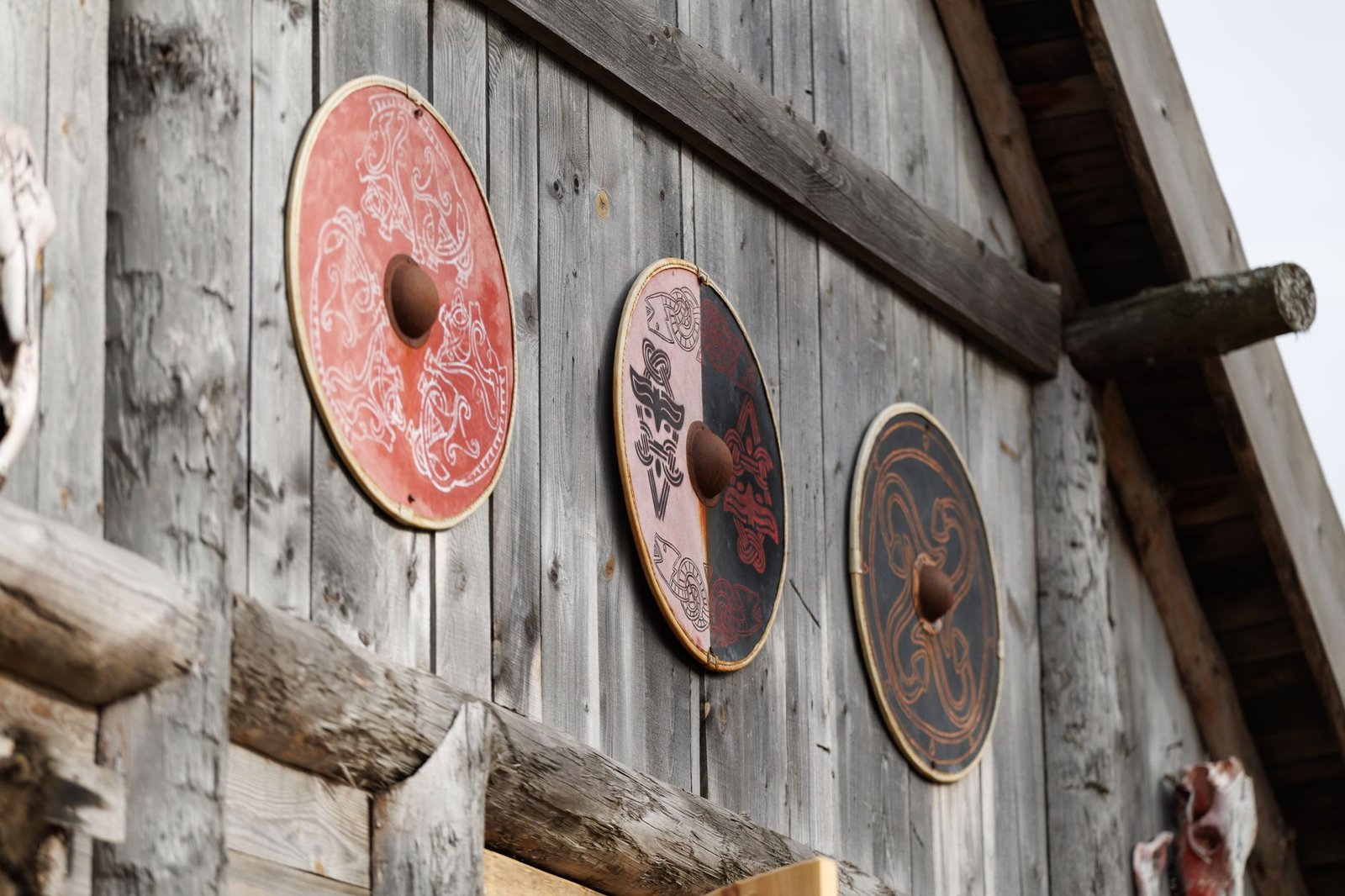
Shield of Achilles: Meaning, Description, and Mythology
The Shield of Achilles, forged by Hephaestus for Homer’s hero, is one of Greek literature’s most celebrated objects, famed not only for its divine craftsmanship but for the world it depicts. Through its scenes of war, peace, labor, and celebration, the shield offers a vivid vision of cosmic order and human life, inviting closer study of its symbolic power.