imperial legitimacy

The Transfer of the Land (Kuni-Yuzuri): Japanese Mythology
The Transfer of the Land (*Kuni-yuzuri*) is a foundational episode in Japanese mythology, recounting how rule of the earthly realm passed from Ōkuninushi’s descendants to the heavenly gods led by Takemikazuchi. Preserved in the *Kojiki* and *Nihon Shoki*, the myth reveals how early Japan linked political authority, divine legitimacy, and imperial ancestry in a single narrative.
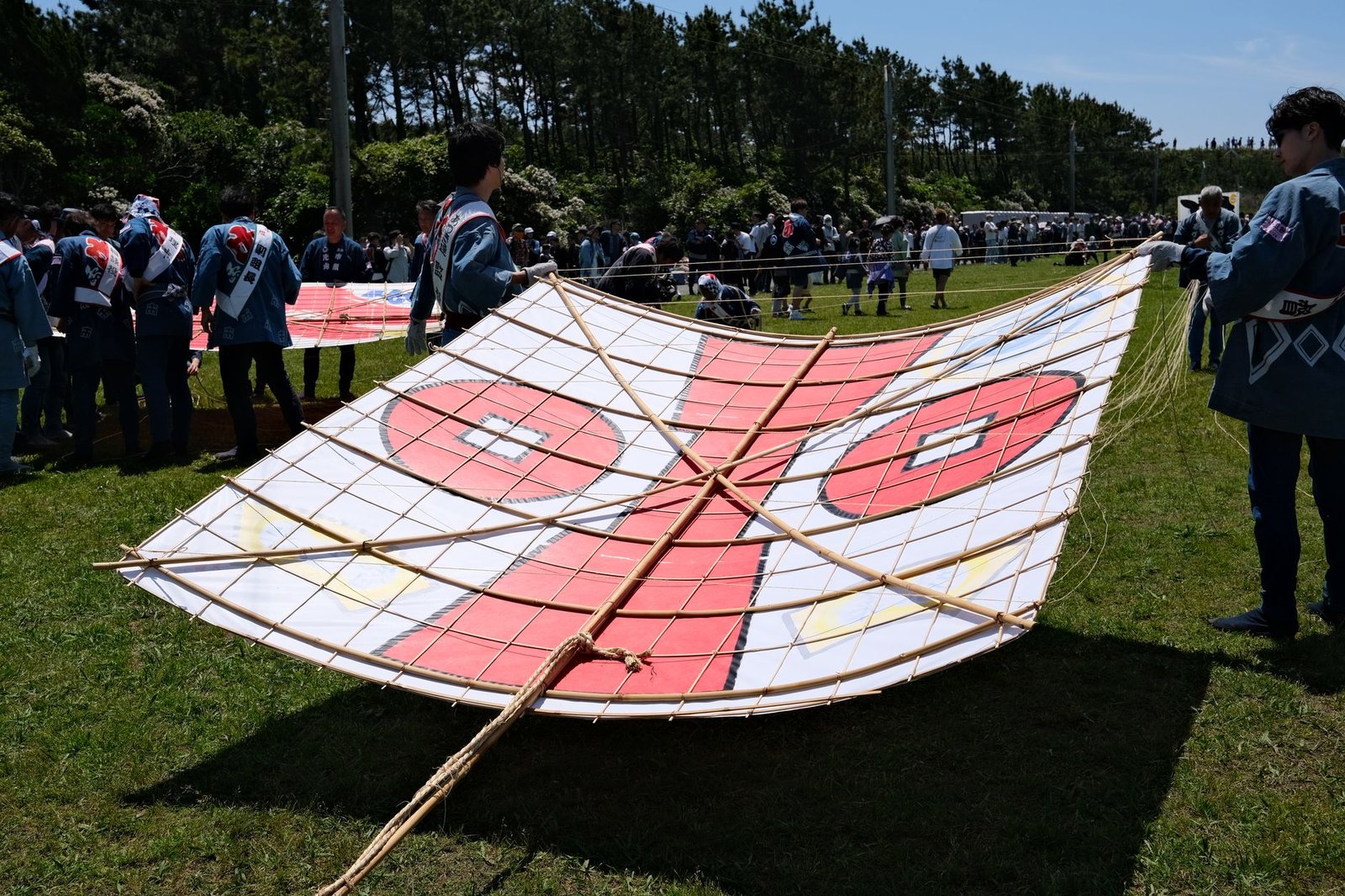
Yata No Kagami: The Sacred Mirror of Japanese Mythology
Yata no Kagami, the Sacred Mirror of Japanese mythology, is one of Japan’s three Imperial Regalia and a central symbol in the story of Amaterasu, the sun goddess and divine ancestor of the imperial line. Revered as an emblem of truth, wisdom, and legitimacy, it remains shrouded in secrecy, inviting closer study of its mythic origins, ritual role, and enduring political significance.
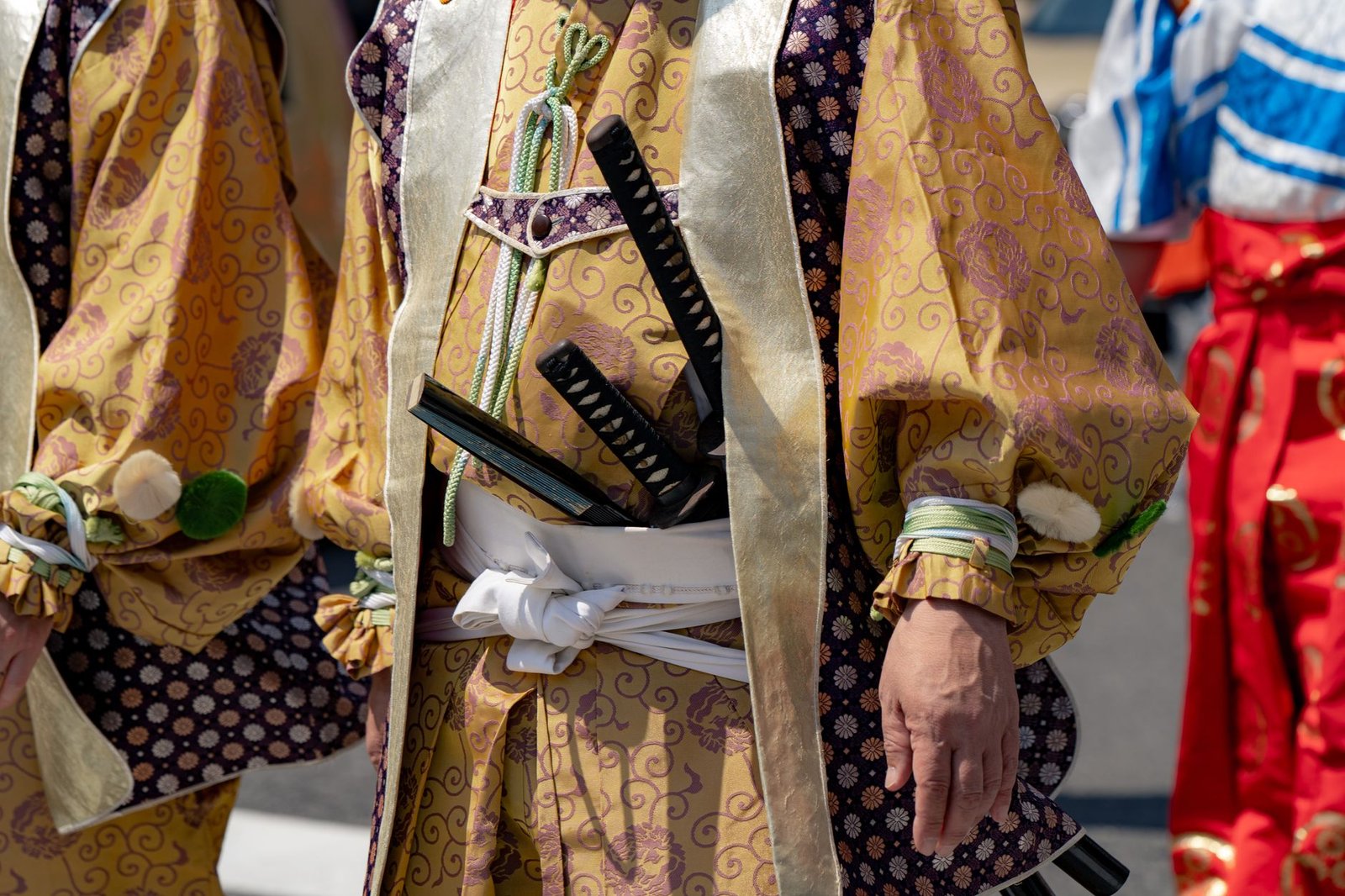
Kusanagi No Tsurugi: The Sacred Sword of Japan
Kusanagi no Tsurugi, the sacred sword of Japanese tradition, is one of the Three Imperial Regalia and a powerful symbol of imperial legitimacy, divine favor, and the continuity of the throne. Rooted in myths of Susanoo, Yamato Takeru, and Amaterasu, its story blends ritual, politics, and legend, inviting closer examination of how a hidden object can shape national identity.

Yasakani No Magatama: Sacred Jewel of Japan
Yasakani no Magatama is a central object in Japanese mythology and imperial tradition, revered as one of the Three Imperial Regalia alongside the sword and mirror. This article traces its ancient origins, symbolic role in legitimizing imperial authority, and the mystery surrounding a sacred jewel that remains hidden from public view.

Difference Between Magatama and Yasakani No Magatama
The difference between magatama and Yasakani no Magatama is one of category and significance: magatama are curved beads found throughout ancient Japan, while the Yasakani no Magatama is a single, named example revered as part of the Three Imperial Regalia. This article explains their origins, materials, and symbolic roles, showing why one is a broad cultural form and the other a uniquely sacred imperial treasure.
Is the Emperor of Japan Considered Descended From Gods?
The question of whether the Emperor of Japan is considered descended from the gods lies at the heart of Shinto mythology and imperial tradition. Tracing the imperial line to Amaterasu, this belief has shifted from sacred genealogy to symbolic authority, revealing how myth, history, and modern constitutional monarchy intersect in Japan.