kami worship

Gohei: Definition, Uses, and Cultural Significance
Gohei is a distinctive ritual implement of Japanese Shinto, typically a wooden wand or staff adorned with folded white paper streamers that marks sacred space, symbolizes purity, and signals the presence of kami. Its history, meanings, and varied ceremonial uses reveal how a simple object became one of the most recognizable emblems of shrine practice.
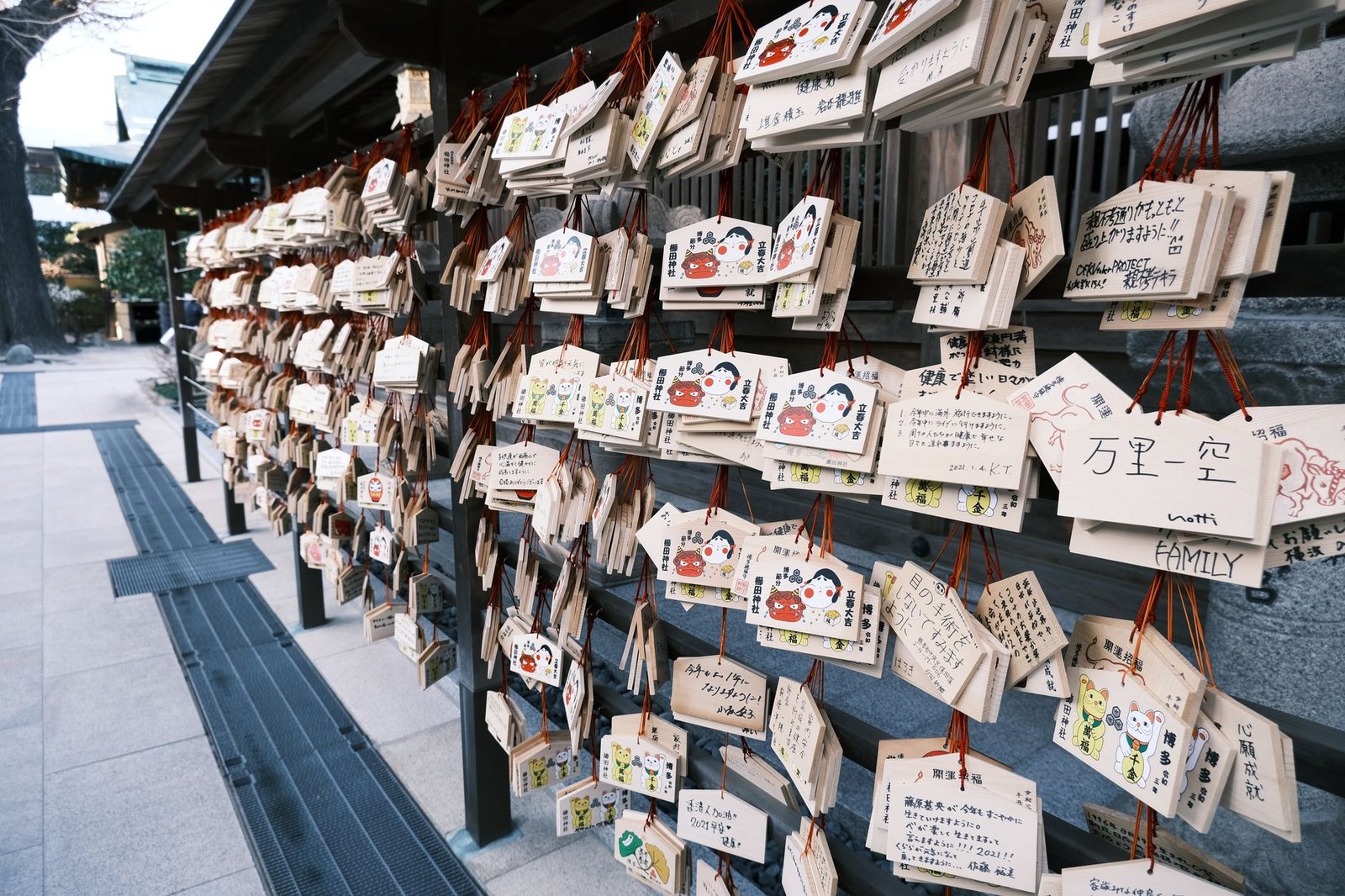
Ema: Meaning, Origins, and Cultural Significance
Ema are small wooden votive plaques used in Japanese religious practice, most commonly at Shinto shrines and Buddhist temples, where visitors write prayers, wishes, or thanks and leave them as offerings. Rooted in the historic shift from donated horses to painted wooden tablets, ema illuminate how sacred symbolism, personal devotion, and public ritual continue to shape everyday worship in Japan.
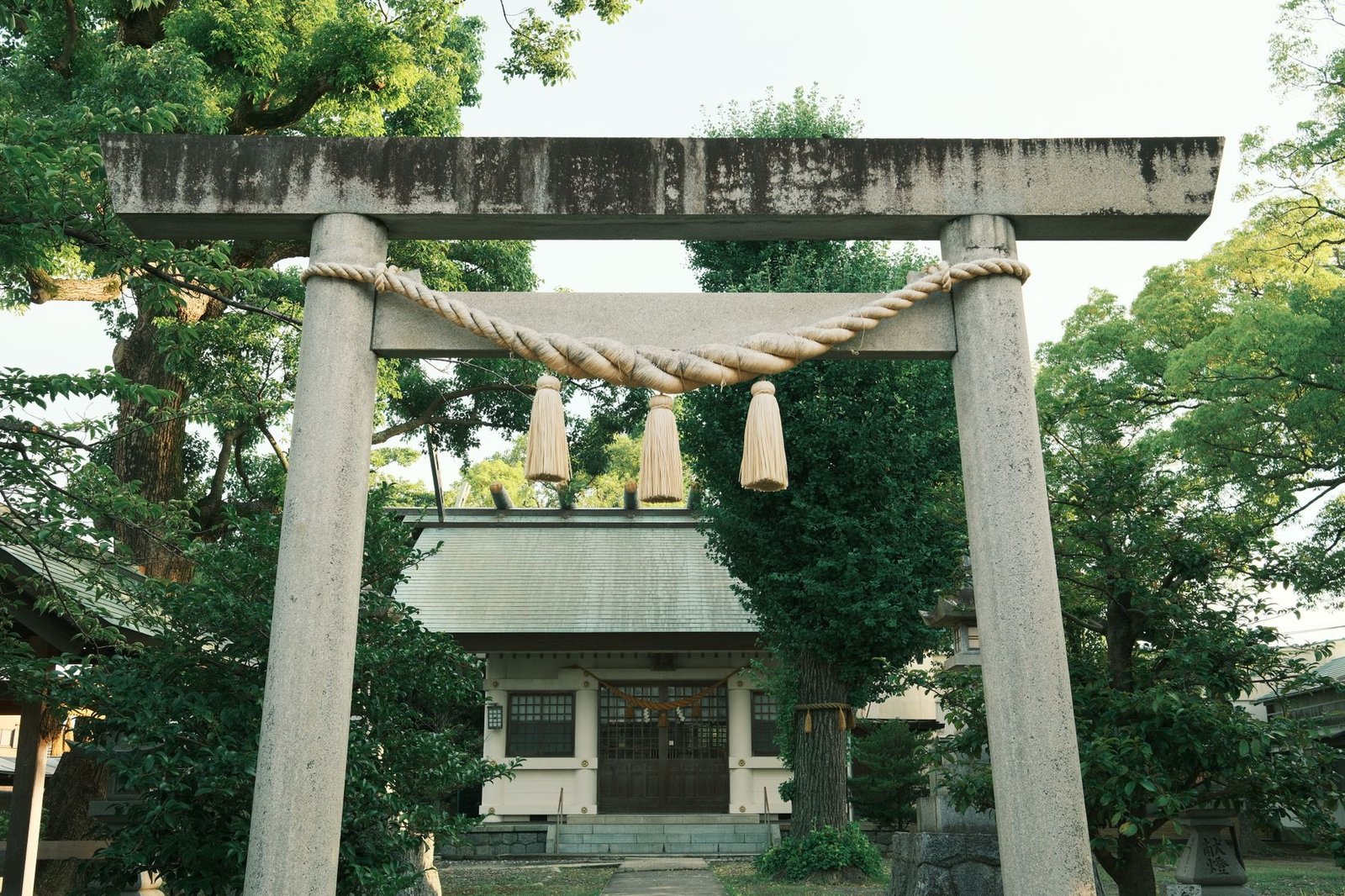
Sakaki Tree: Meaning, Uses, and Cultural Significance
The sakaki tree is an evergreen plant deeply embedded in Japanese religious life, especially in Shinto, where it marks sacred space, appears in offerings, and symbolizes purity and divine presence. Commonly identified with Cleyera japonica, its botanical identity, ritual use, and mythic associations reveal a tradition that is both practical and profoundly symbolic.
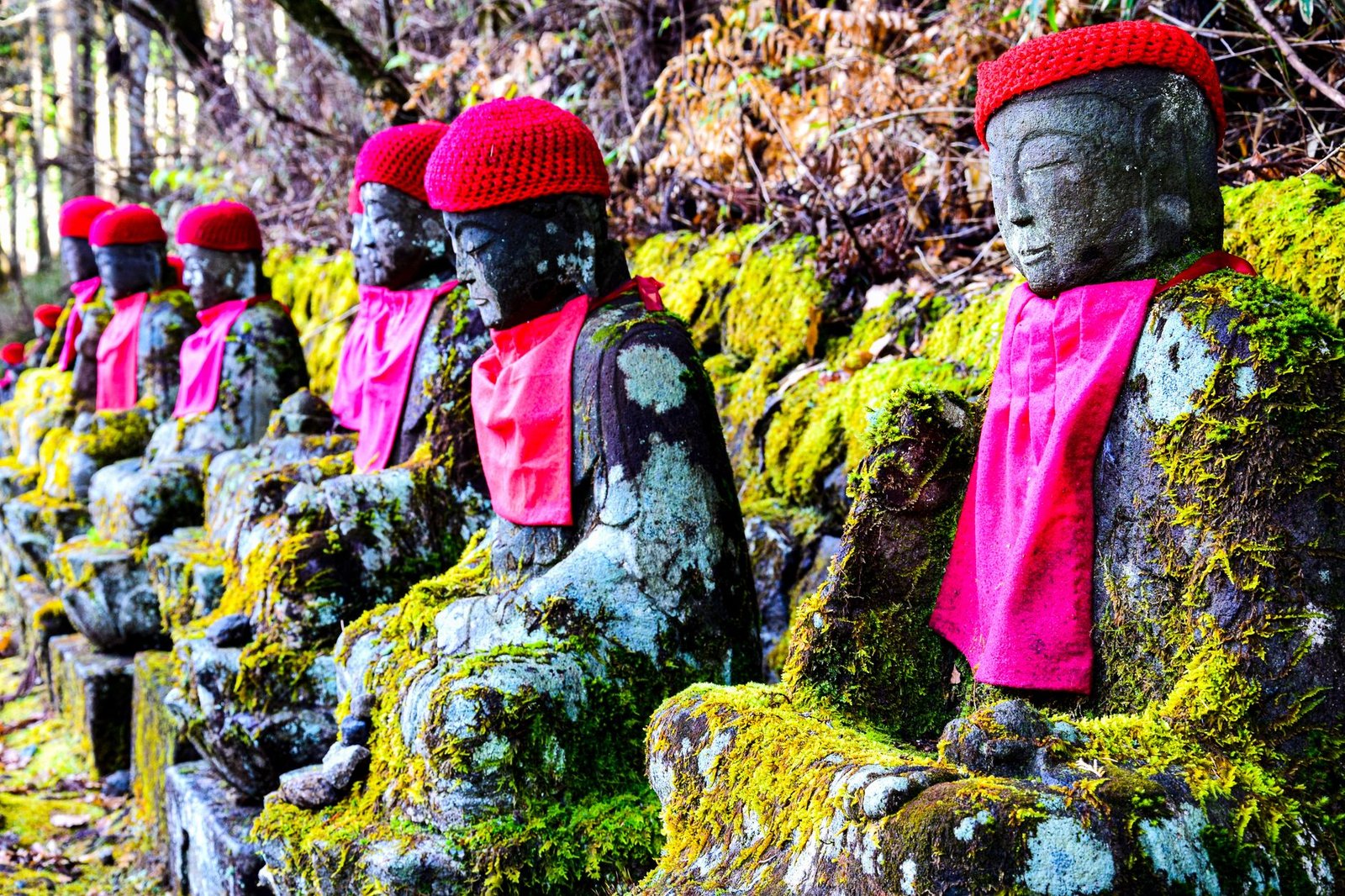
Difference Between Shinto Kami and Buddhist Deities in Japan
The difference between Shinto kami and Buddhist deities in Japan lies in their origins, functions, and religious meanings: kami are indigenous sacred presences tied to nature, ancestors, and place, while Buddhist figures such as Buddhas and bodhisattvas come from a continental tradition centered on enlightenment. Exploring how these beings were distinguished, blended, and reinterpreted in Japanese history reveals a complex spiritual landscape that still shapes shrine and temple culture today.