kingship in ancient Egypt
What Do the Crook and Flail Symbolize in Egyptian Mythology?
The crook and flail symbolize what do the crook and flail symbolize in Egyptian mythology: a balanced ideal of kingship in which the ruler protects, guides, and sustains the people while also enforcing order and fertility. Most closely associated with Osiris and royal iconography, these emblems reveal how Egyptian authority fused pastoral care with divine power.
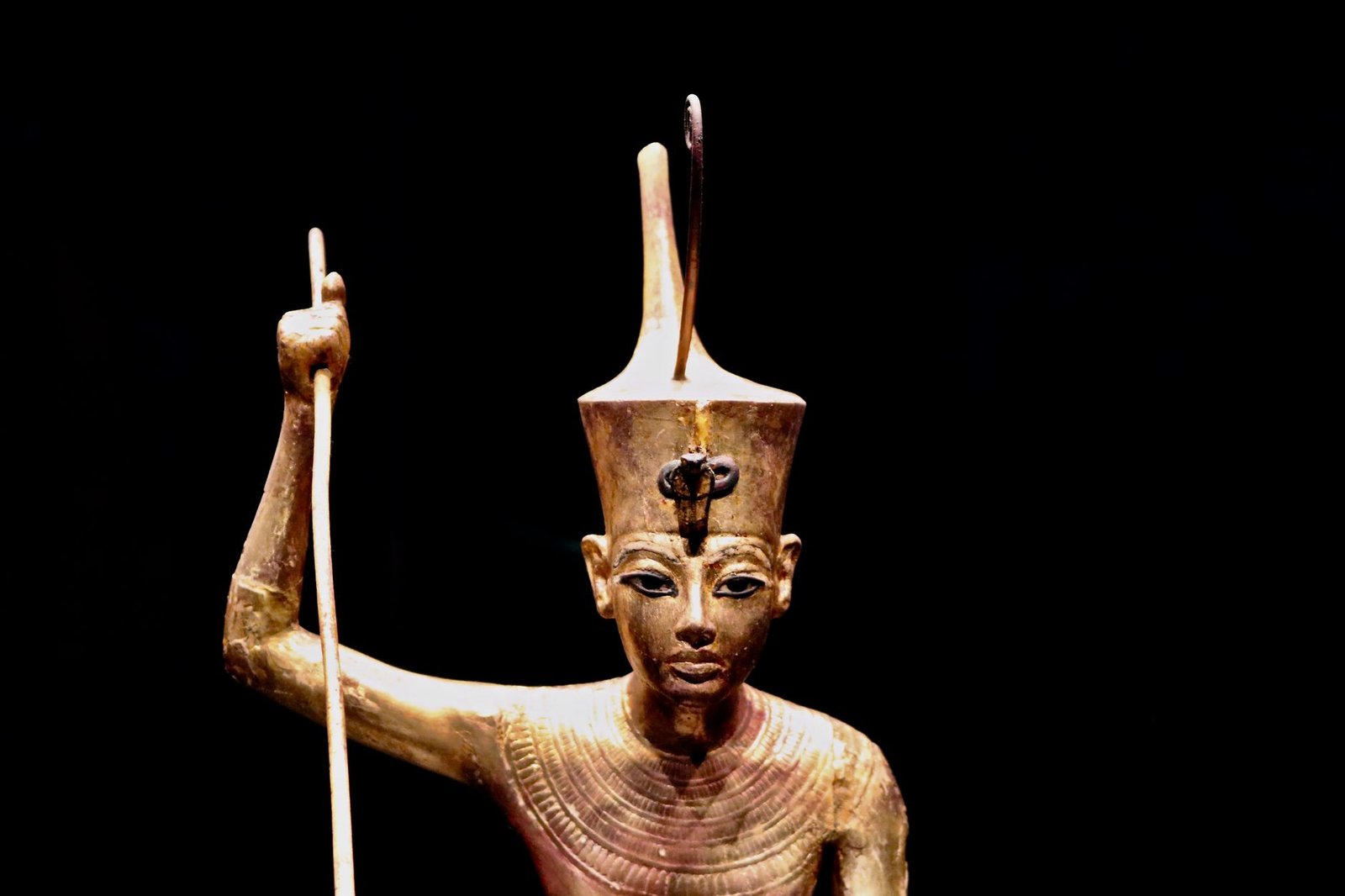
What Is the Double Crown of Egypt in Egyptian Mythology
The **double crown of Egypt** was the emblem of pharaonic rule over Upper and Lower Egypt, combining the white and red crowns into a single sign of unity, authority, and cosmic balance. In Egyptian mythology, it also reflected the king’s sacred duty to preserve *ma’at*—yet its deeper origins and symbolism reveal far more than a royal headdress.
What Is the Nemes Headdress in Egyptian Mythology?
The **Nemes headdress** is the striped royal headcloth most closely associated with pharaohs in ancient Egypt, where it signaled kingship, divine authority, and sacred legitimacy. In Egyptian mythology, it appears not as a deity but as a powerful emblem linking the ruler to Horus, Ra, and the afterlife, inviting a closer look at its ritual meaning.

Winged Sun Disk in Egyptian Mythology: Meaning and Symbolism
The winged sun disk is a major symbol in Egyptian mythology, combining the solar disk, outspread wings, and often protective serpents to express divine power, kingship, and cosmic order. Closely associated with Horus and Ra, it appears across temples, monuments, and sacred objects, revealing how one image could carry layered religious meaning.
Who Is Osiris in Egyptian Mythology? Meaning and Role
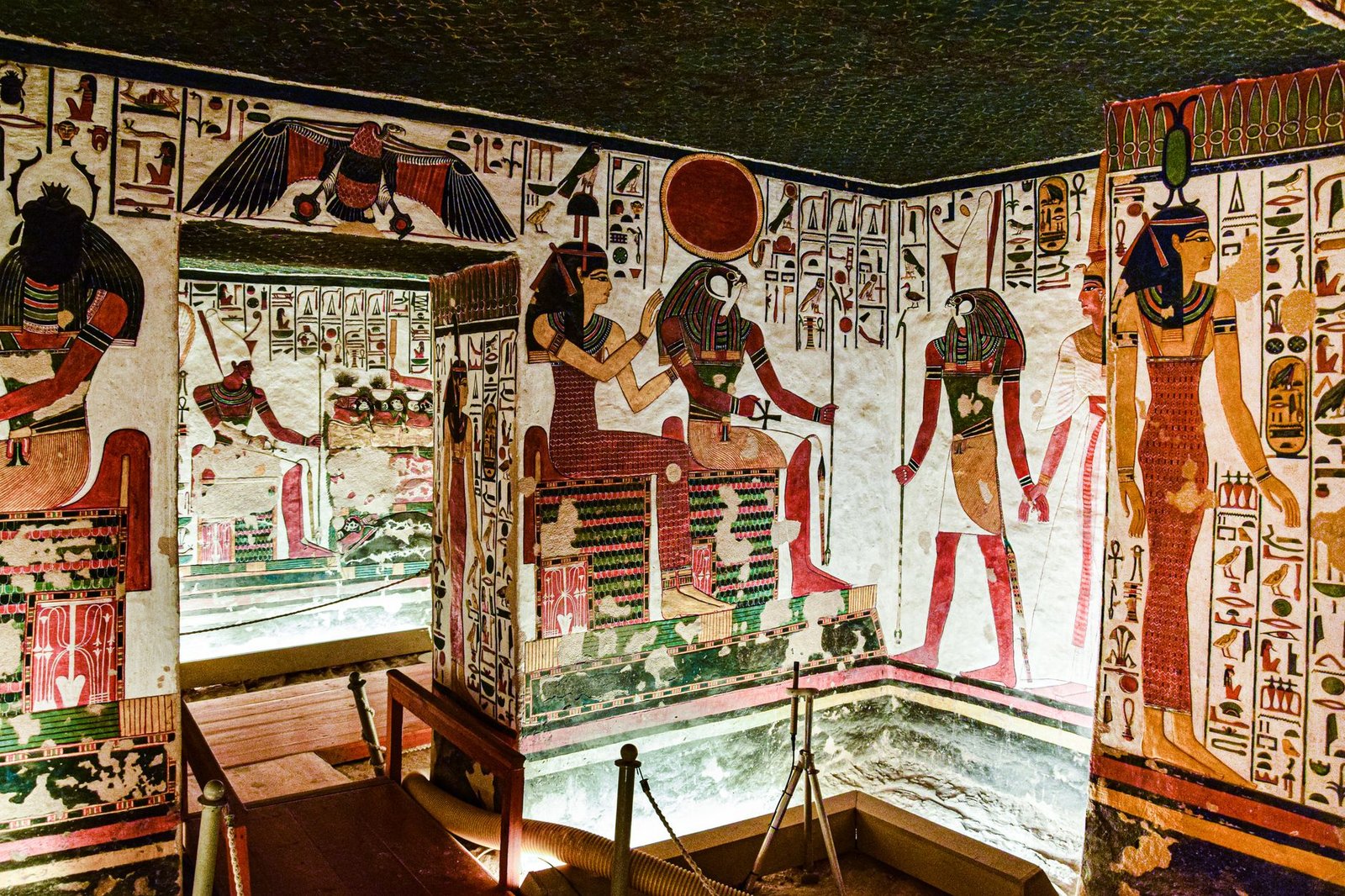
Osiris is a central figure in Egyptian mythology, revered as the god of death, resurrection, fertility, kingship, and the afterlife. His story of death and renewal shaped ancient Egyptian funerary beliefs, royal authority, and ideas about how ordered life could return after destruction.
Who Is Wadjet in Egyptian Mythology? Meaning and Role
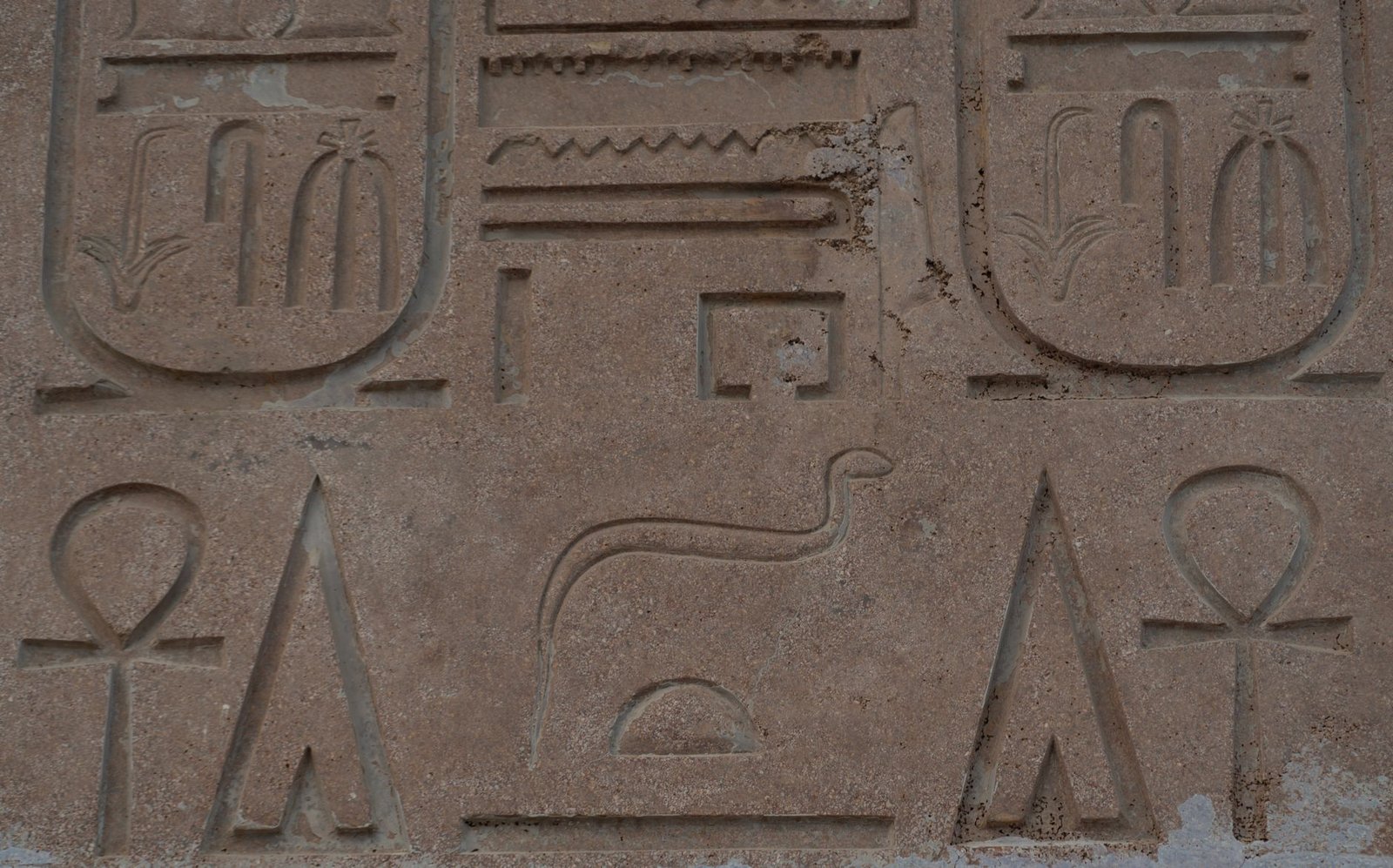
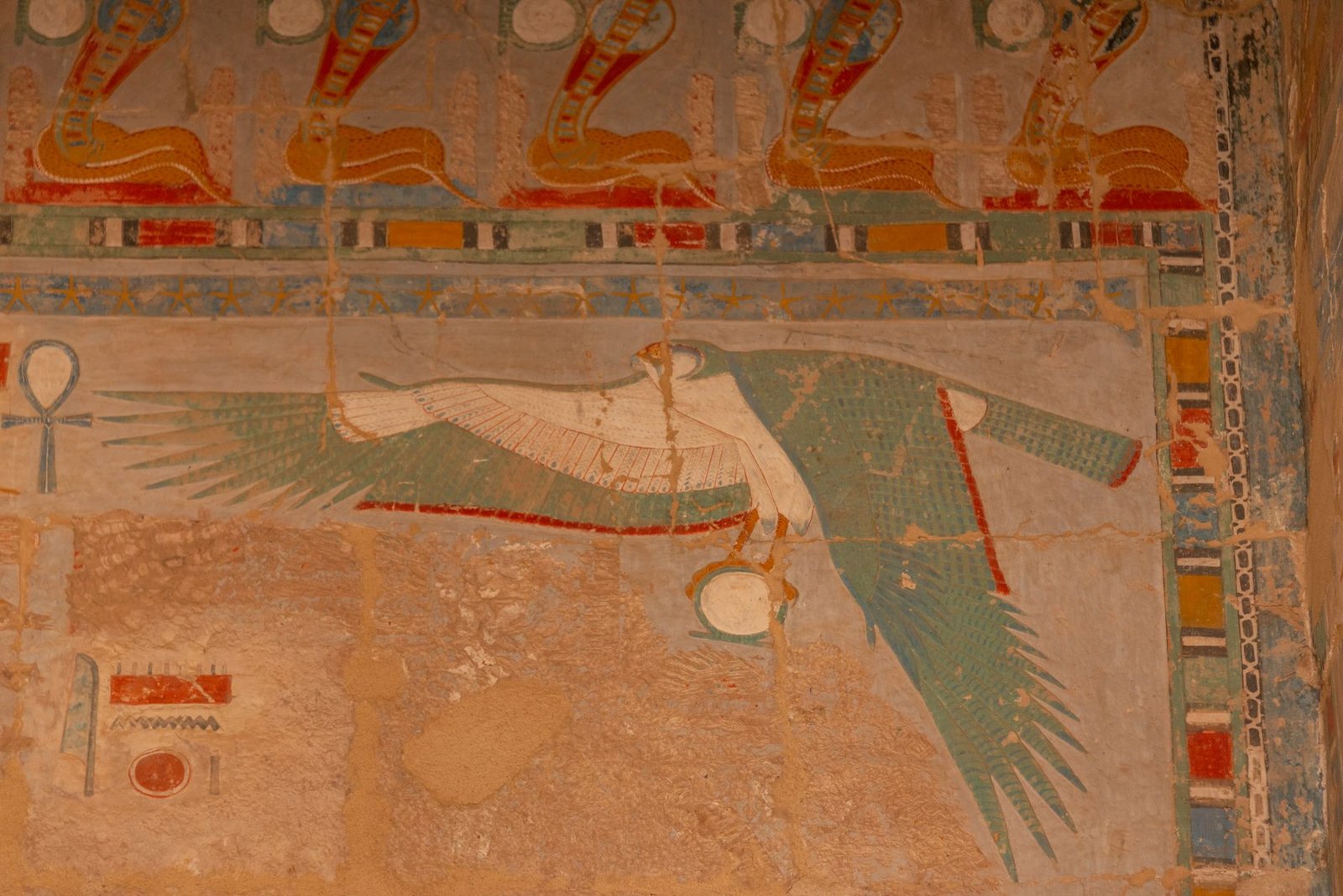
Wadjet is a major goddess in Egyptian mythology, revered as a cobra deity of protection, kingship, and the Nile Delta, and prominently shown as the uraeus on the pharaoh’s brow. Her cult, linked to Buto and the unification of the Two Lands, reveals how a local guardian became a lasting emblem of divine authority and royal power.
Who Is Nekhbet in Egyptian Mythology? Meaning and Role
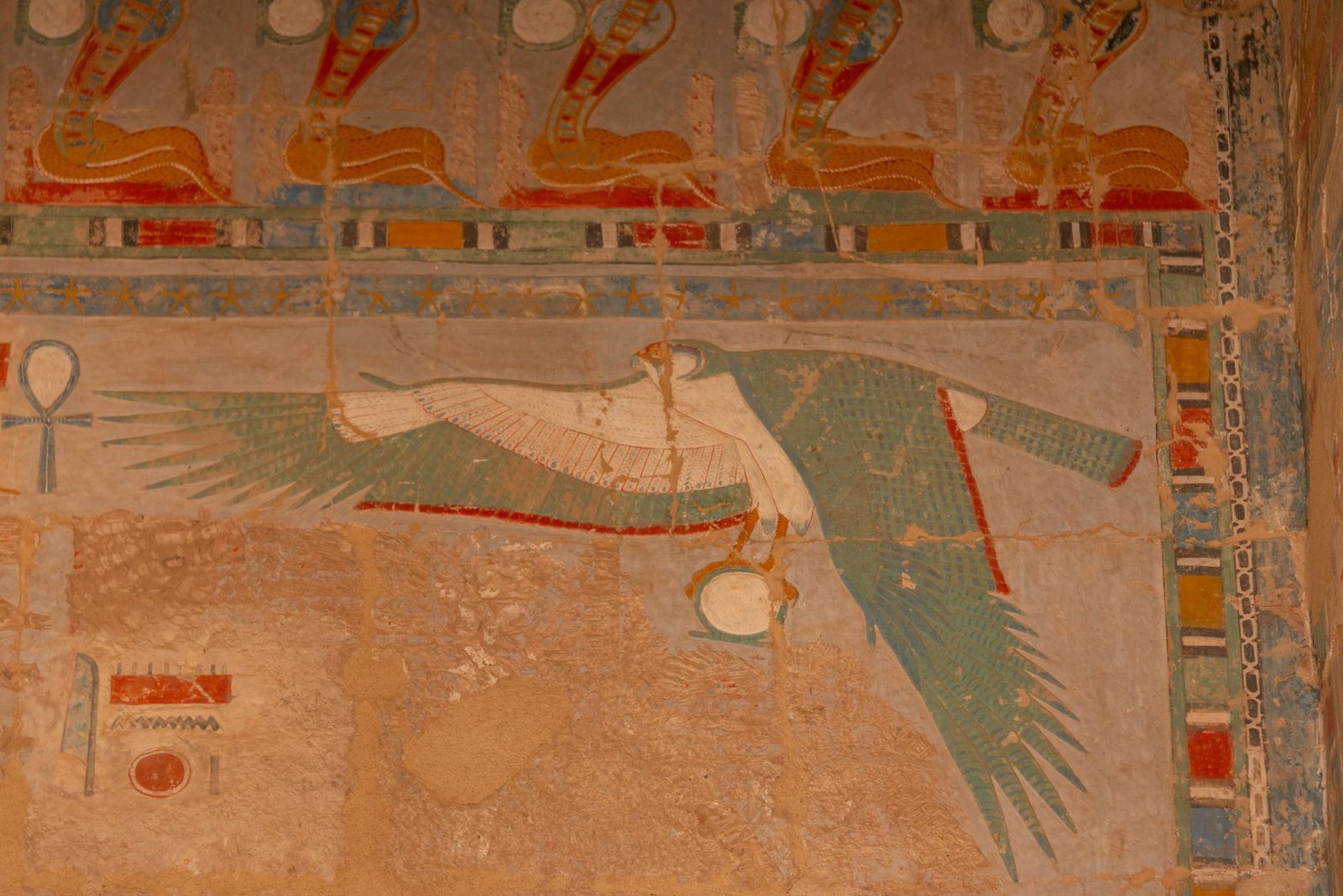
Nekhbet, the vulture goddess of Upper Egypt, was a major protective deity who embodied royal authority, maternal guardianship, and the divine unity of the Egyptian state. This excerpt explores who is nekhbet in Egyptian mythology, tracing her links to El Kab, her role beside Wadjet, and the enduring symbolism that made her a constant presence in kingship and temple art.
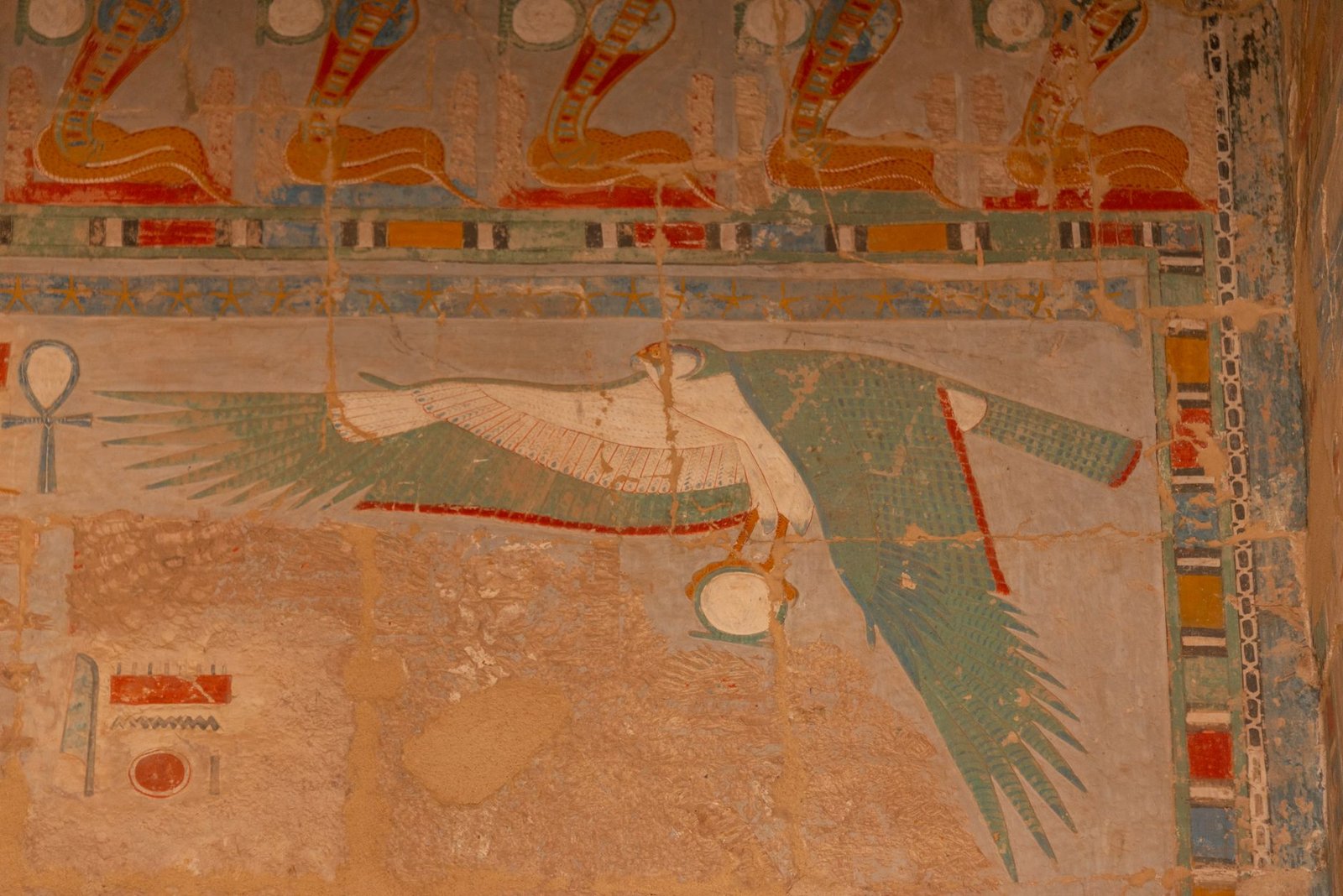
Who Is Anhur in Egyptian Mythology? God of War Explained
Anhur in Egyptian mythology is a warlike sky deity whose cult grew from Upper Egypt, where he was honored as a divine defender, royal patron, and symbol of order. His evolving role, later merging with other gods and acquiring new meanings, reveals how Egyptian religion adapted over centuries and why his identity remains intriguingly complex.
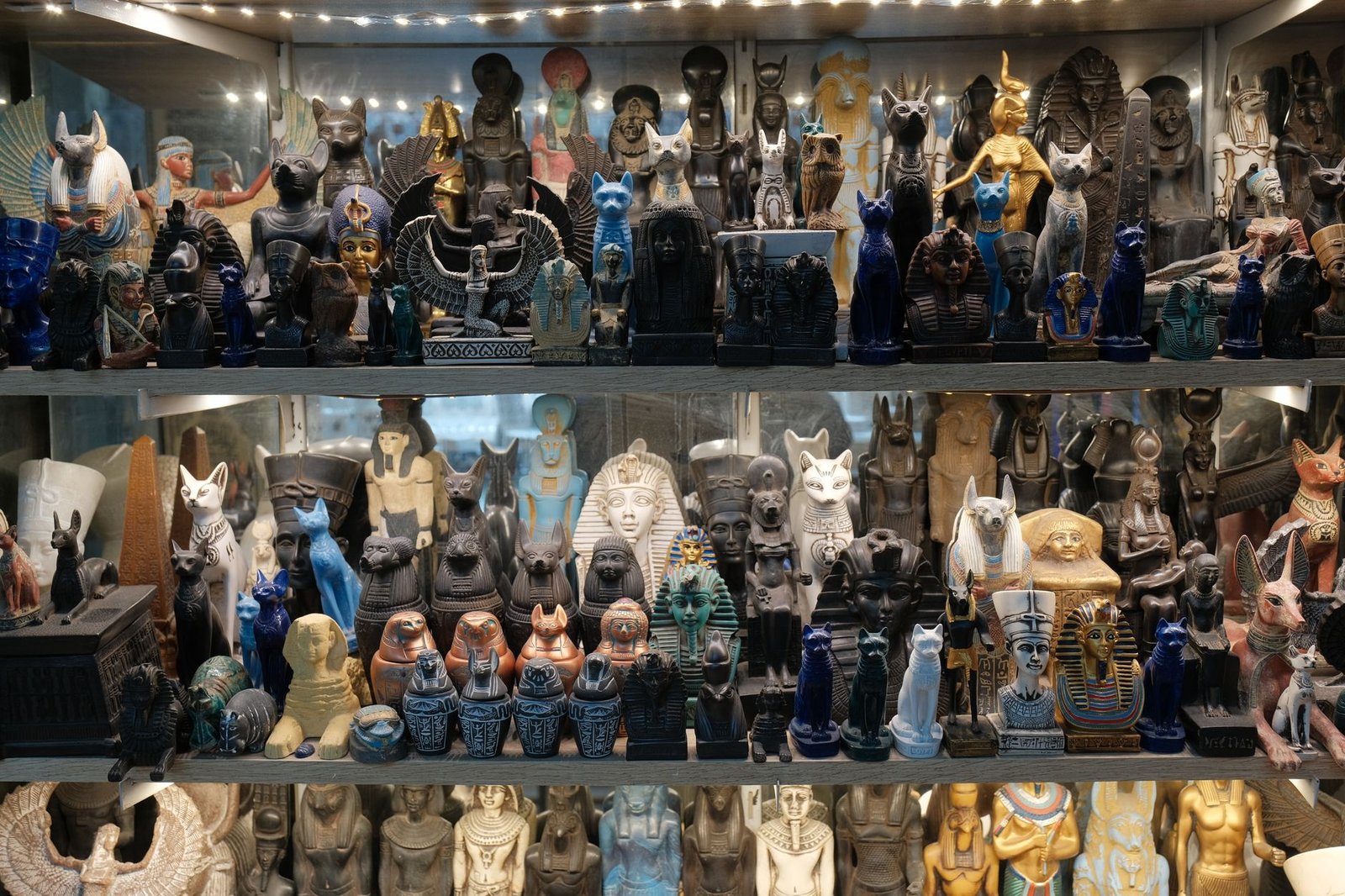
Who Is Wepwawet in Egyptian Mythology?
Wepwawet in Egyptian mythology is a jackal-headed deity associated with warfare, royal authority, funerary rites, and the opening of paths, guiding kings and the dead through perilous journeys. Often linked to Upper Egypt and the city of Asyut, he is distinct from Anubis and reveals how Egyptians connected protection, movement, and power in both life and the afterlife.

What Is the Ennead in Egyptian Mythology?
The ennead in Egyptian mythology refers to a nine-god divine family, most famously the Heliopolitan Ennead centered on Atum and the sun cult of Heliopolis. Its creation myths link the gods, the cosmos, and royal authority, revealing how ancient Egyptians explained order emerging from chaos and why this theology remained influential.