mythology explained
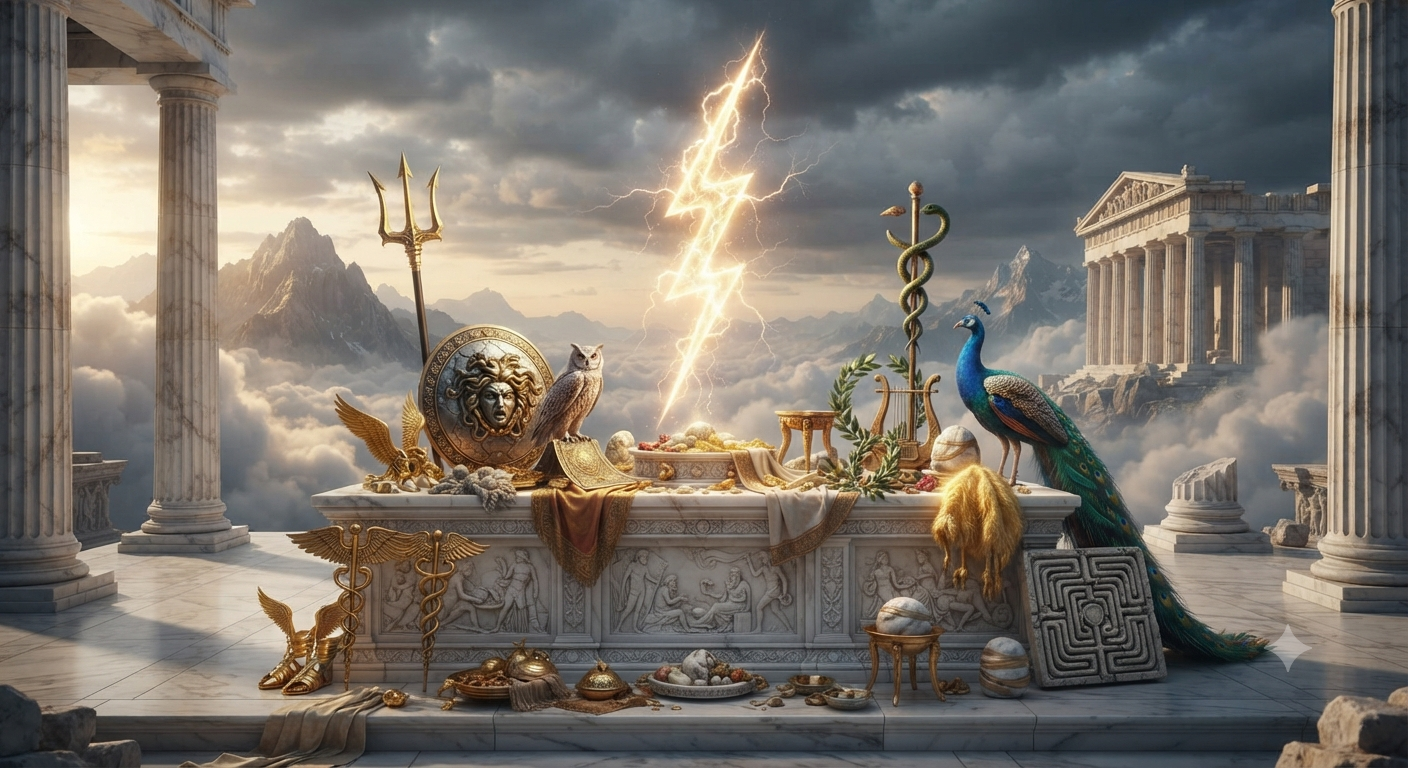
Greek Symbols: The Complete Guide to the Sacred Objects and Signs of Greek Mythology
Greek mythology’s sacred objects gave visible, recognizable form to divine power, allowing worshippers, artists, and storytellers to identify a god’s ...

Who Is Poseidon in Greek Mythology? God of the Sea
Poseidon in Greek mythology was far more than the god of the sea—he was a powerful Olympian who ruled storms, earthquakes, horses, and the unpredictable forces of nature. His myths reveal a deity who could protect, punish, and command awe across the ancient Greek world.
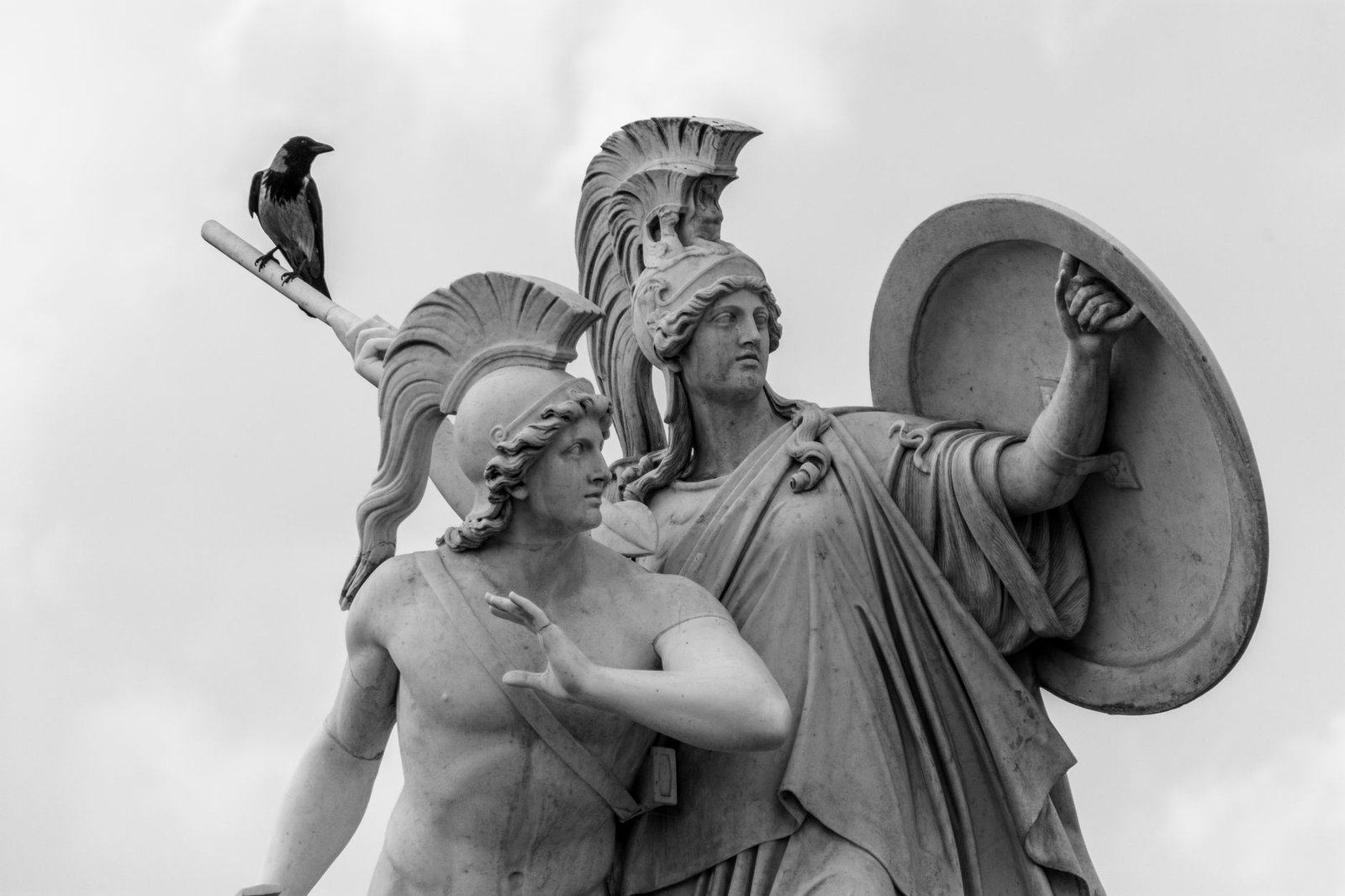
Who Is Athena in Greek Mythology? Goddess of Wisdom and War
Athena in Greek mythology is a powerful goddess of wisdom, strategy, and courage, admired for her intelligence as much as her strength. From her dramatic birth to her role as protector of heroes and cities, her myths reveal why she became one of Olympus’s most respected figures.
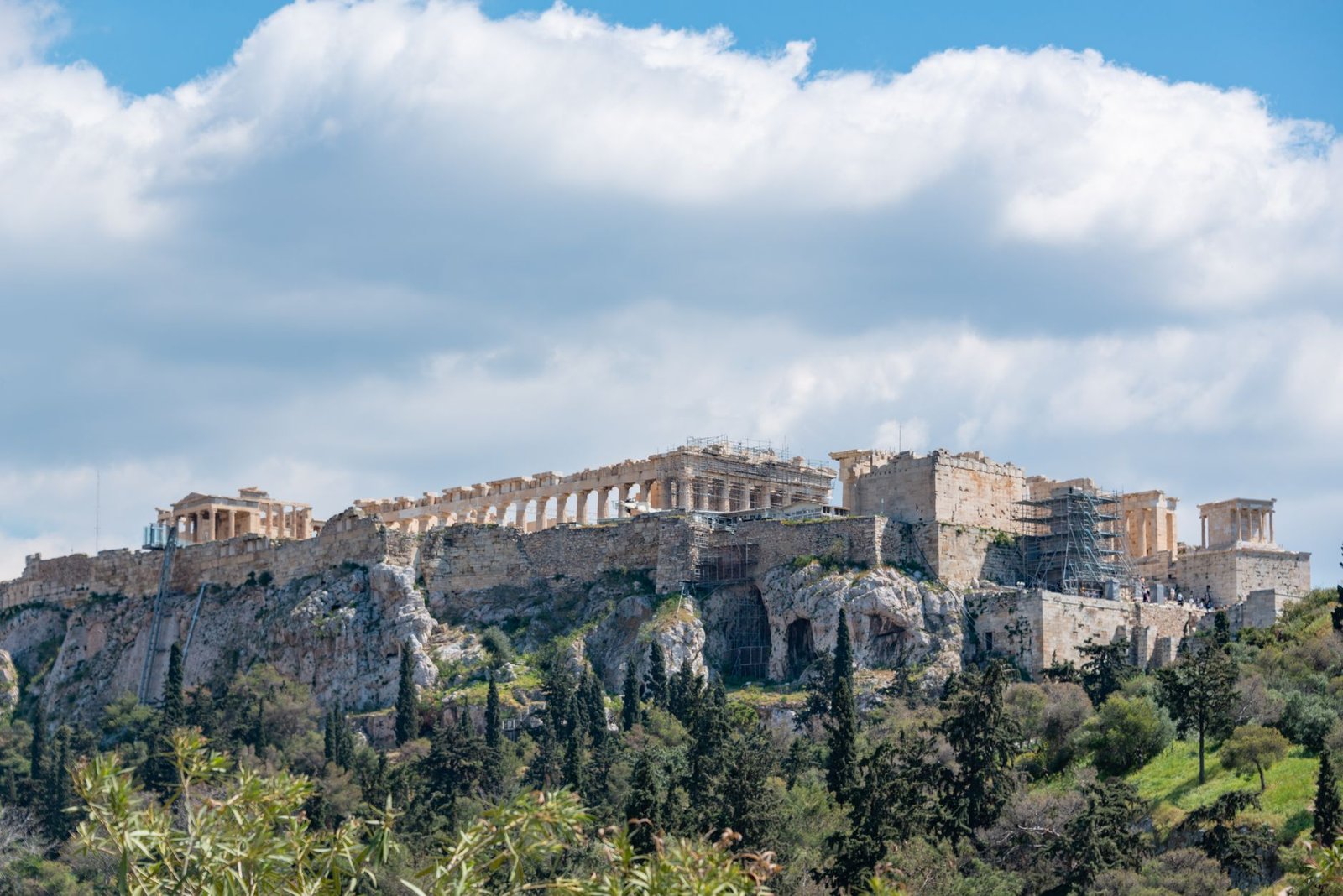
Difference Between Titans and Olympians in Greek Mythology
Discover how the Titans and Olympians differ in Greek mythology, from their ancient family roots to the epic battle that changed who ruled the universe.
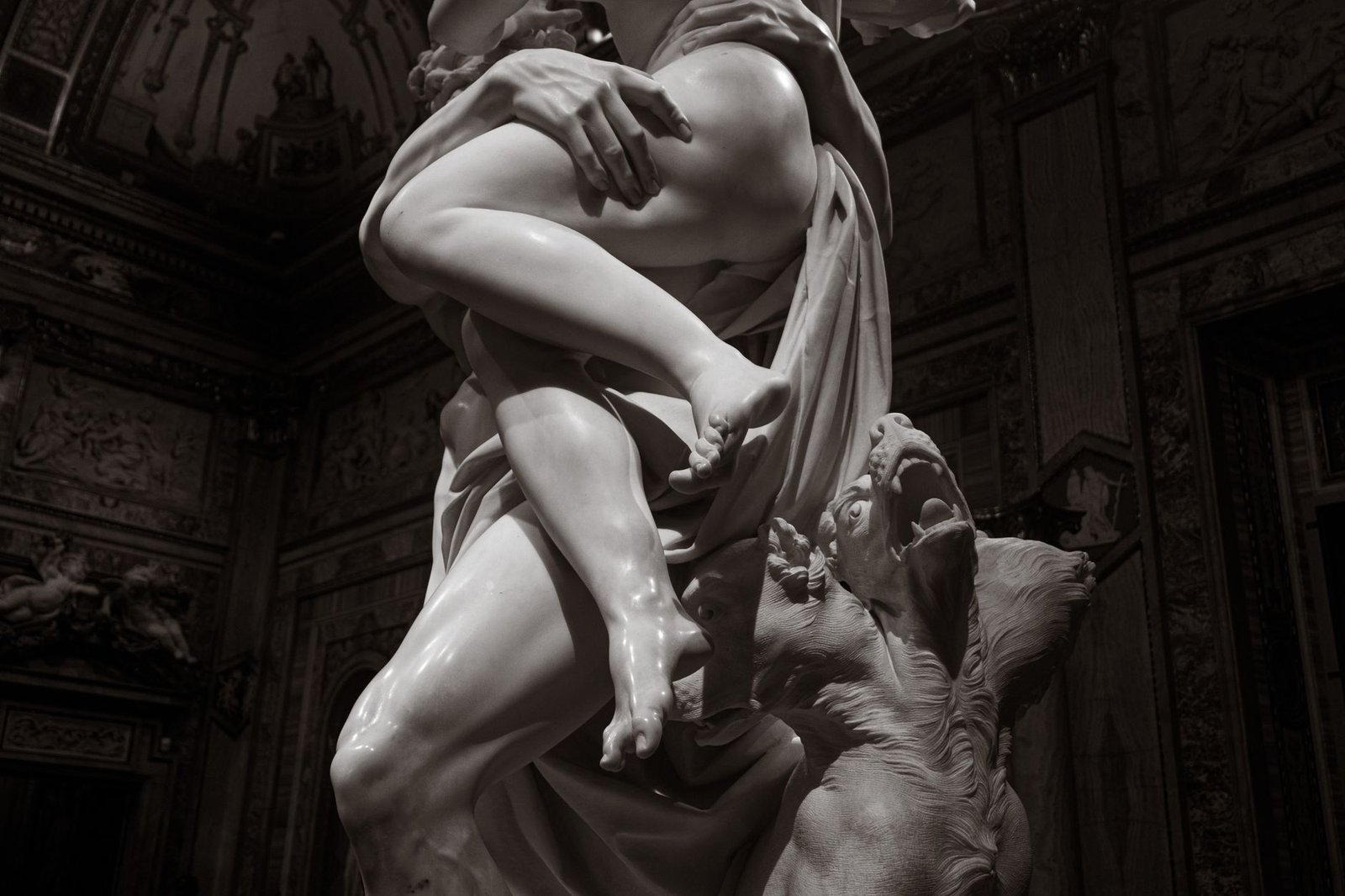
Hades vs Pluto: Key Differences in Greek Mythology
Hades and Pluto are often treated as the same underworld god, but their names reveal important differences between Greek and Roman mythology. Here’s how Hades and Pluto overlap, where they differ, and why the distinction matters.