mythology symbols
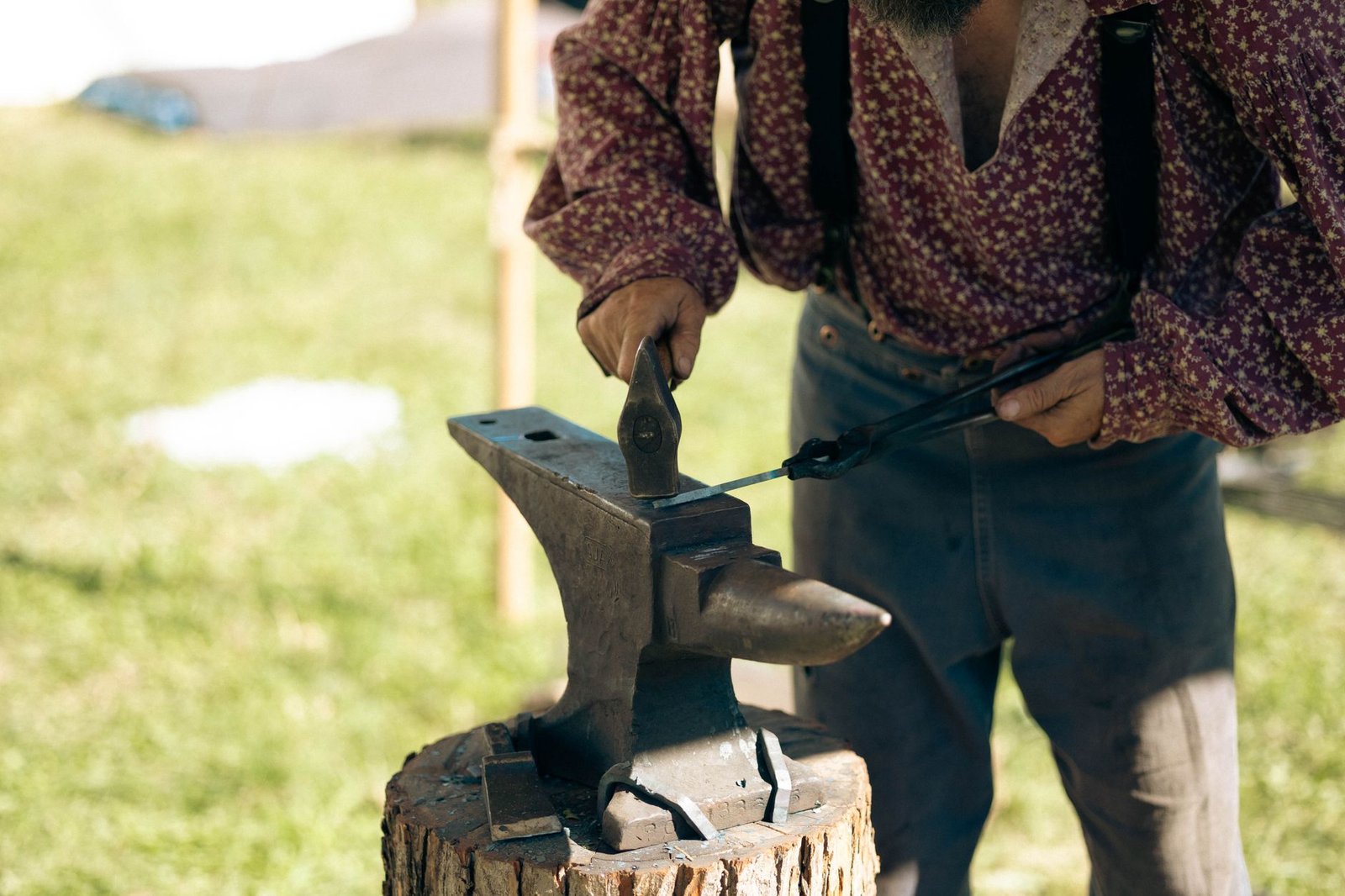
Hammer and Anvil of Vulcan: Meaning and Mythology
The Hammer and Anvil of Vulcan are enduring symbols of the Roman god’s mastery over fire, metallurgy, and the volatile power of the forge. Appearing in myth, art, and later cultural tradition, these tools embody both craftsmanship and destruction, offering a vivid entry point into Vulcan’s complex place in Roman religion.
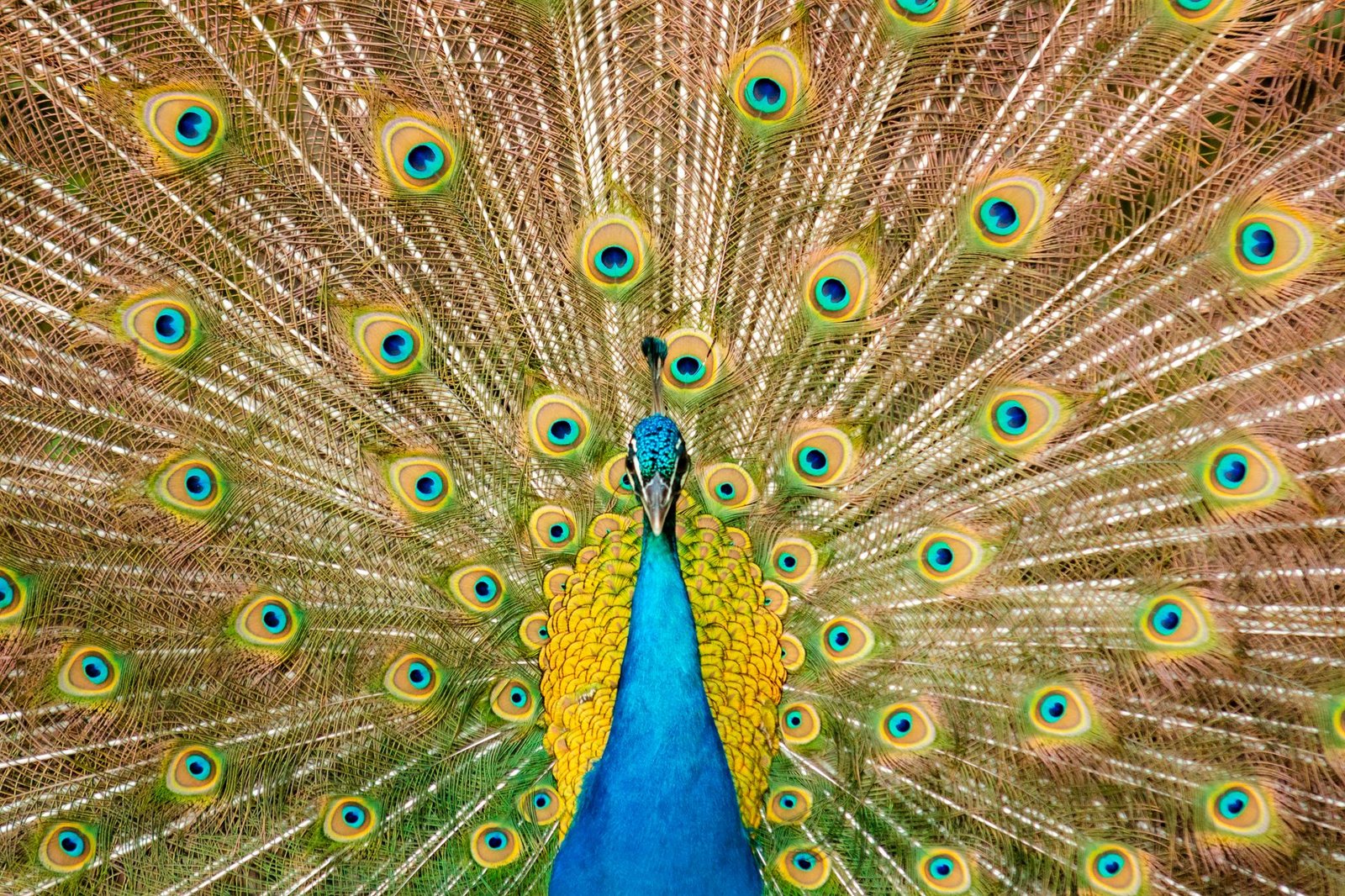
Peacock of Juno: Mythology, Symbolism, and Meaning
The Peacock of Juno is a renowned symbol in Greco-Roman mythology, linking the Roman queen of the gods with a bird revered for splendor, vigilance, and imperial dignity. Tracing its origins through myth, art, and religious meaning, the article explores how this emblem came to represent divine authority and the enduring legacy of Juno’s power.
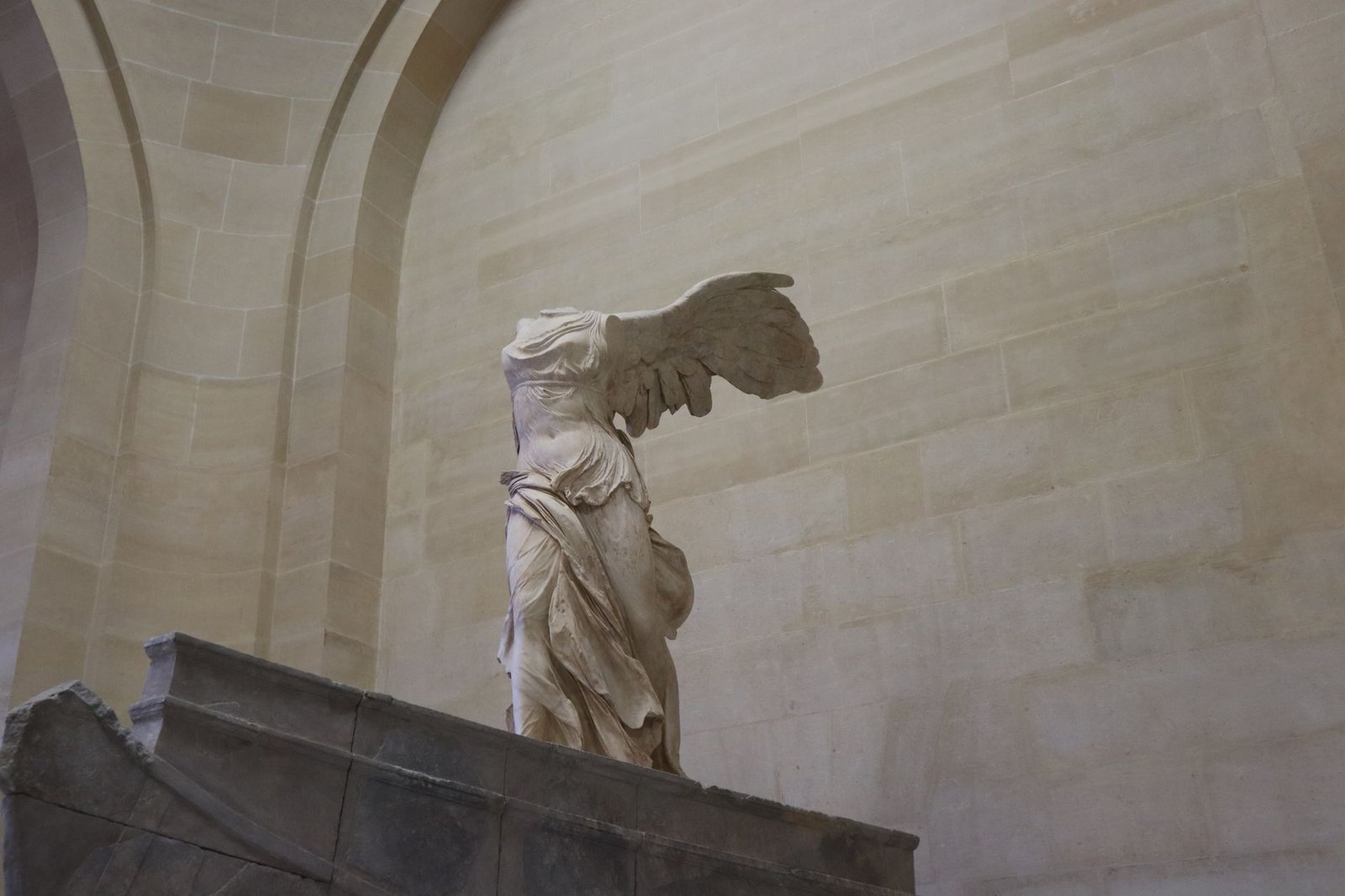
Nike’s Wings: Meaning, History, and Symbolism
Nike’s wings are a defining feature of Greek mythology and classical art, marking the goddess of victory as a swift, divine presence rather than a distant Olympian. They symbolize triumph, fleeting fortune, and heavenly favor, and their enduring image in sculpture, coinage, and literature invites a closer look at how victory was imagined in antiquity.
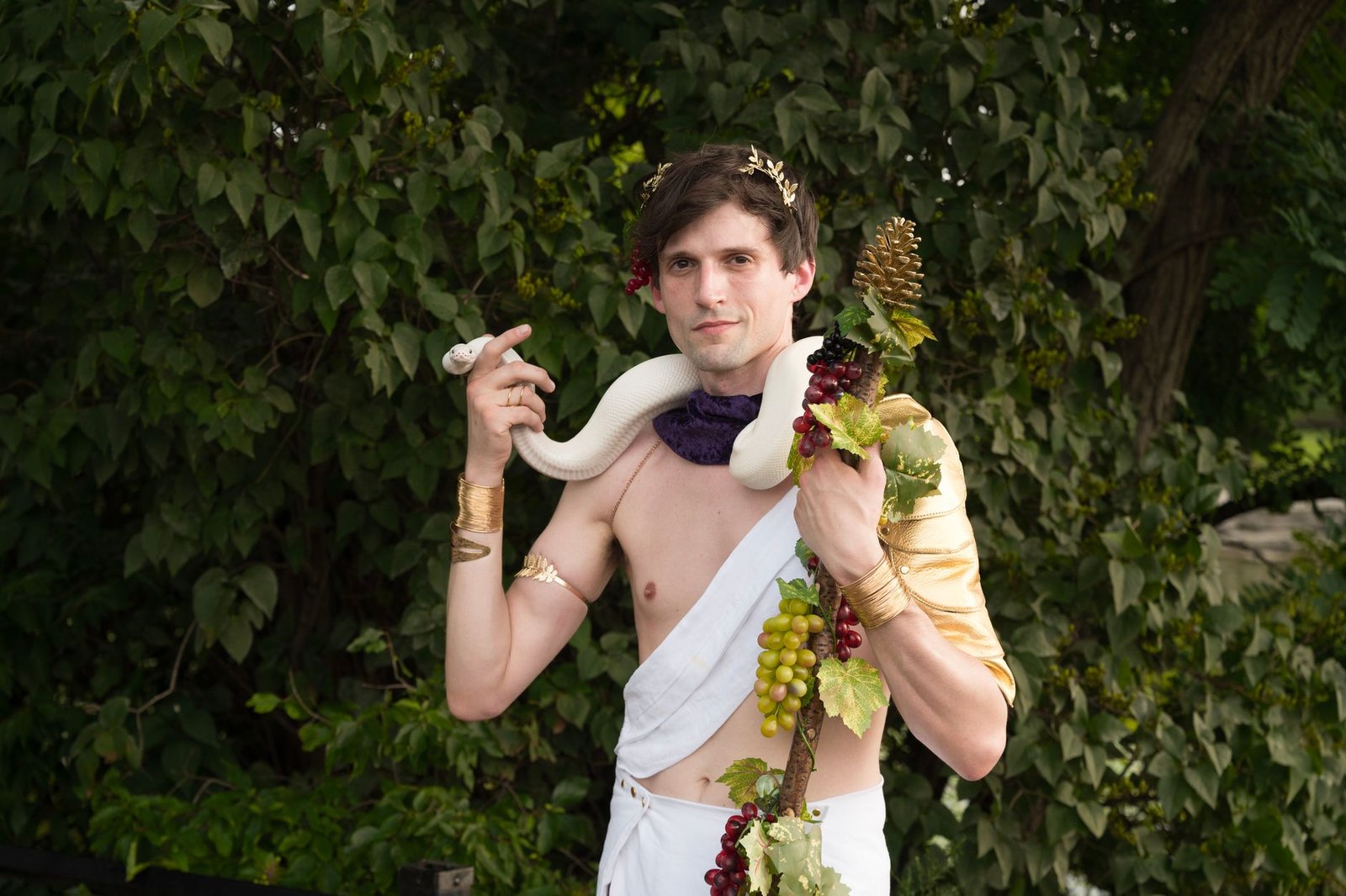
Winnowing Fan of Dionysus: Ancient Greek Symbol and Meaning
The winnowing fan of Dionysus is a distinctive emblem in Greek religion, linking the god of wine and ecstasy to agriculture, purification, and ritual mystery. Appearing in art and cult scenes, it reflects both Dionysus’s rural origins and the layered symbolism that made his worship at once familiar, transformative, and enigmatic.
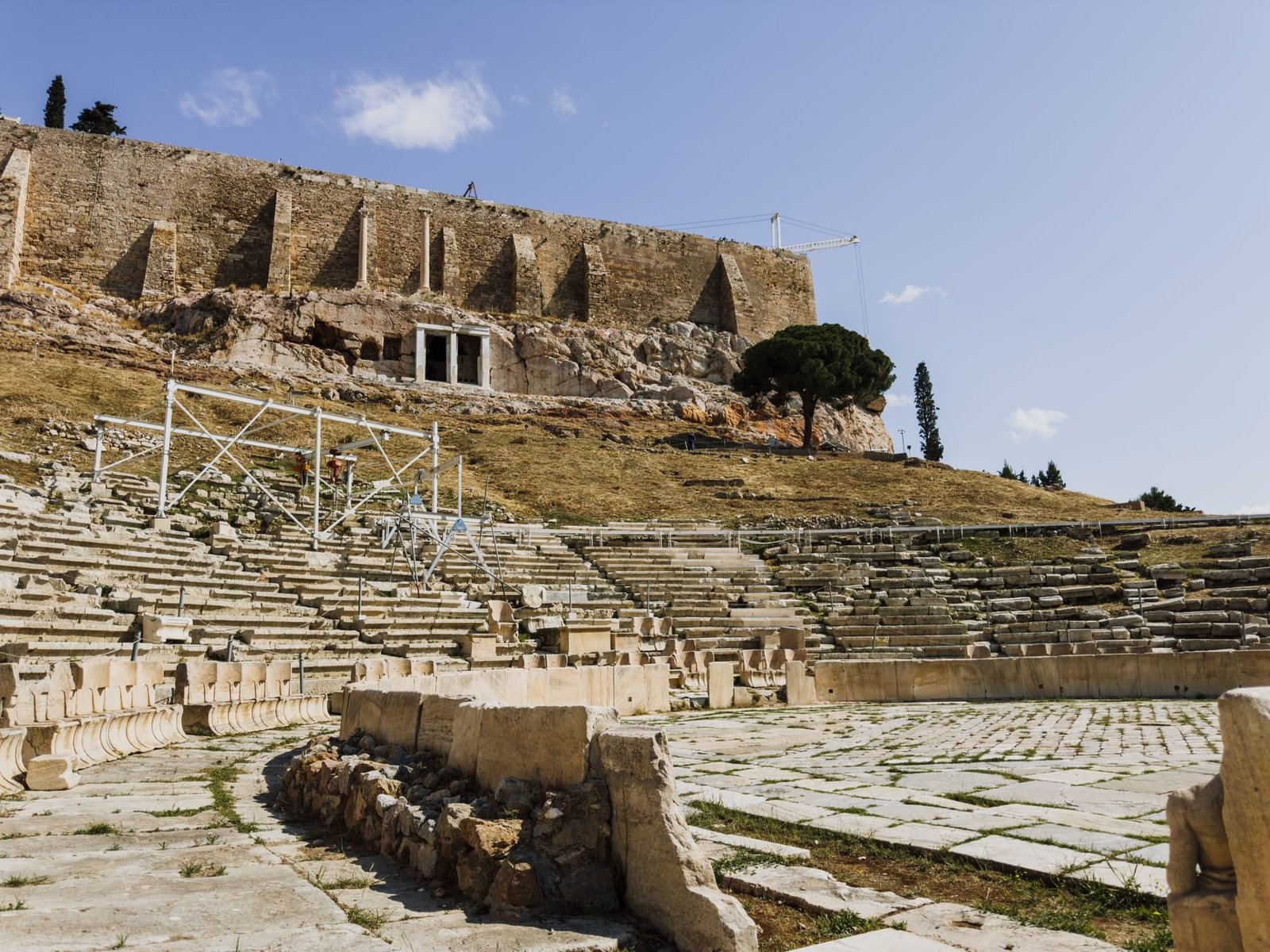
Kantharos of Dionysus: Ancient Greek Wine Vessel
The Kantharos of Dionysus is a deep, high-handled drinking cup that became one of the god’s most enduring symbols in Greek art and religion. Exploring its origins reveals how a simple vessel came to embody wine, ritual ecstasy, fertility, and the uneasy balance between sacred celebration and divine power.