Norse cosmology
What Is the Norse Creation Myth?
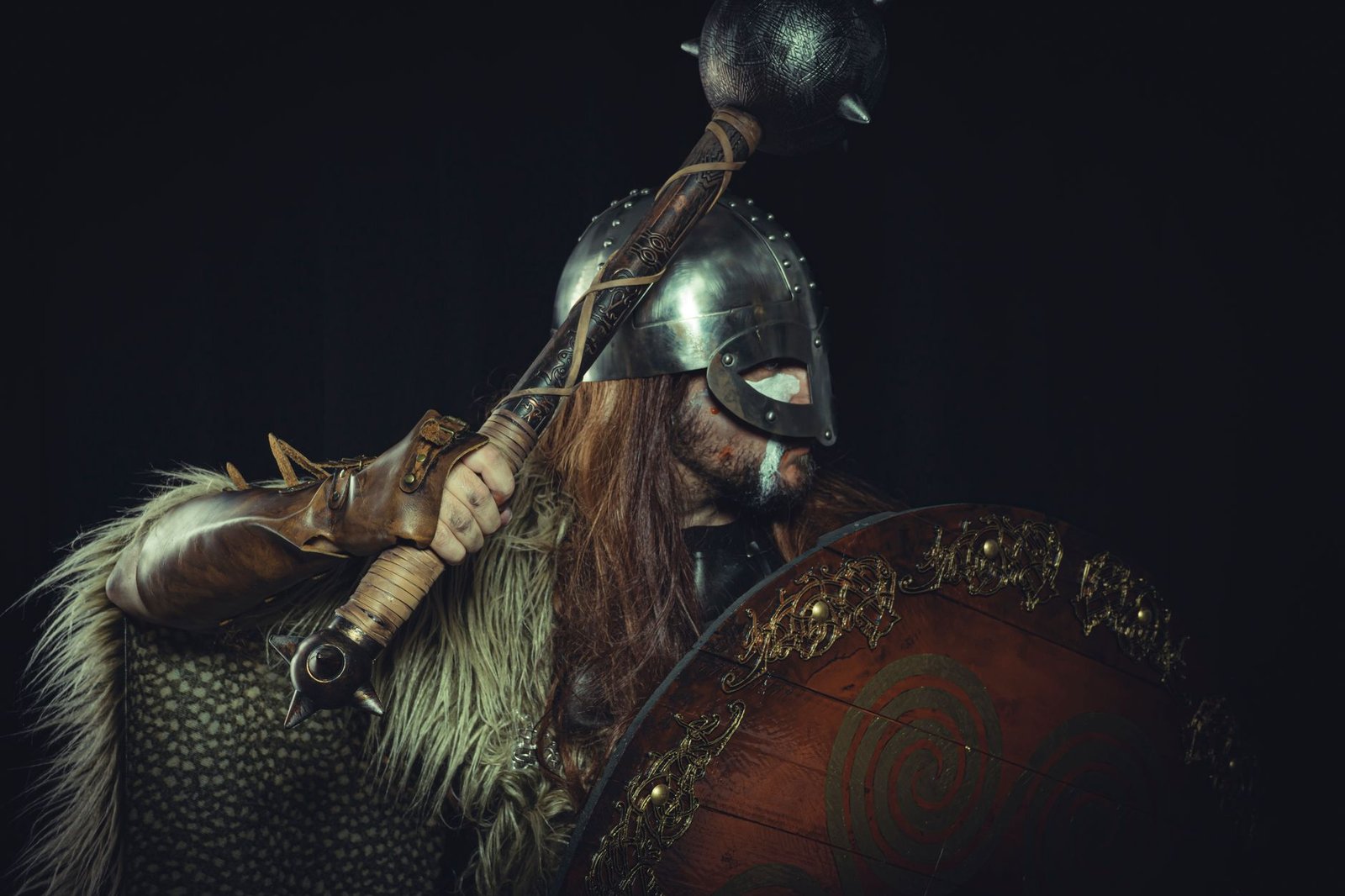
Discover the Norse creation myth, a powerful tale of fire, ice, giants, and gods that explains how the universe and the Nine Worlds came into being. This ancient story begins in a mysterious void and unfolds into one of mythology’s most dramatic visions of creation.
What Is Jormungandr in Norse Mythology? Meaning and Story
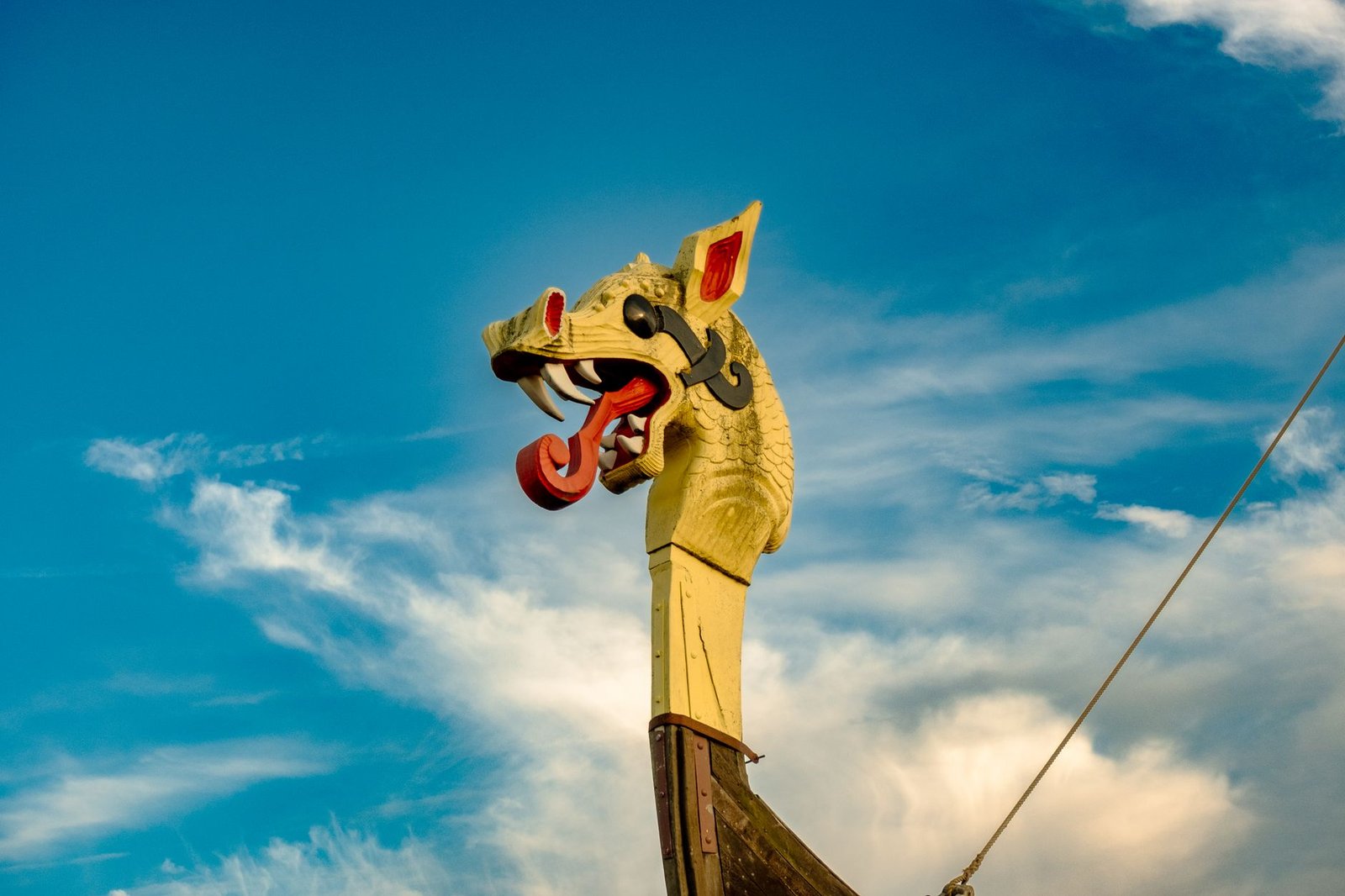
Jormungandr in Norse mythology is the mighty World Serpent, a creature so vast it encircles Midgard and holds its own tail. Its legend weaves together gods, giants, fate, and the dramatic end of the world at Ragnarok.
What Is Ratatoskr in Norse Mythology?
Ratatoskr in Norse mythology is a lively, troublemaking squirrel who scurries up and down Yggdrasil carrying messages between powerful creatures. Small but memorable, he adds a spark of mischief to the grand world of Norse myth.
Who Is Ymir in Norse Mythology? Meaning and Origins
Ymir in Norse mythology is the primordial giant whose body became the building blocks of the world. His dramatic story reveals how the Norse cosmos began in ice, fire, and ancient mystery.
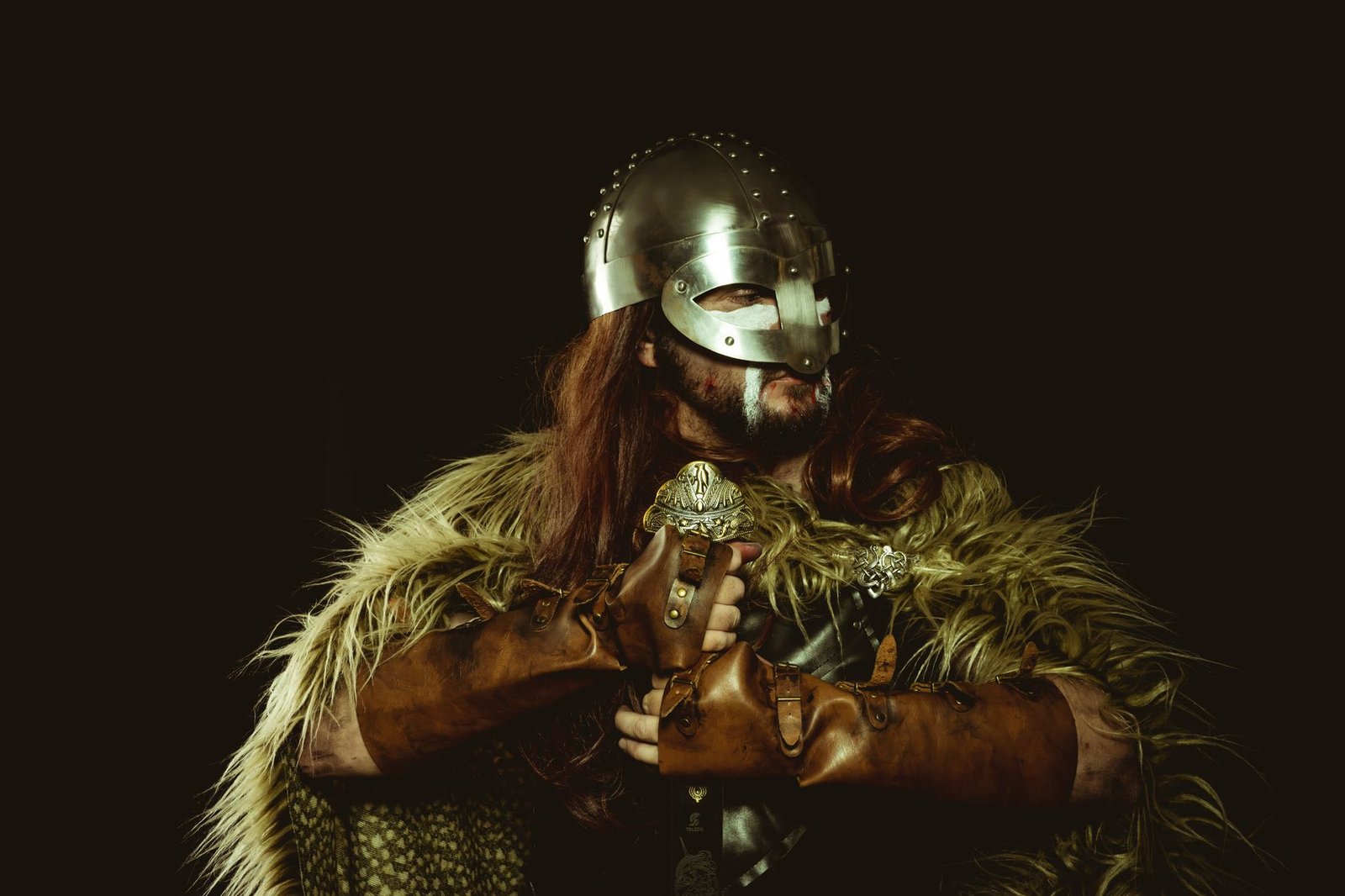
Who Is Surtr in Norse Mythology? Fiery Giant Explained
Surtr in Norse mythology is a fearsome fire giant tied to Muspelheim, destruction, and the final battle of Ragnarök. With his blazing sword and ancient power, he stands as one of the most unforgettable figures in the Norse mythic world.
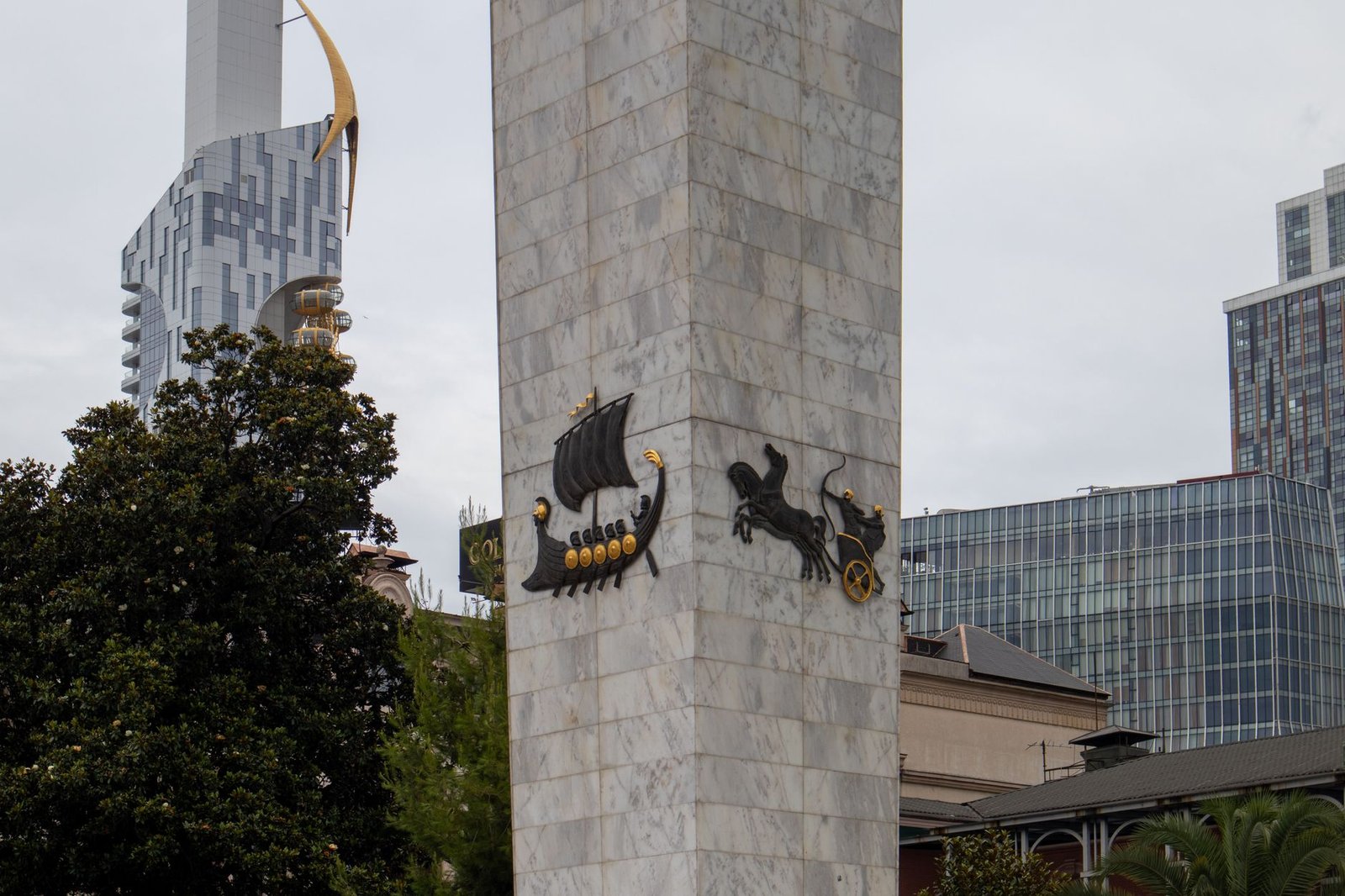
What Does Yggdrasil Symbolize in Norse Mythology?
Yggdrasil symbolism reveals how the Norse saw the universe as a living web of connection, fate, and renewal. As the World Tree linking gods, humans, and hidden realms, Yggdrasil offers a powerful glimpse into the heart of Norse mythology.
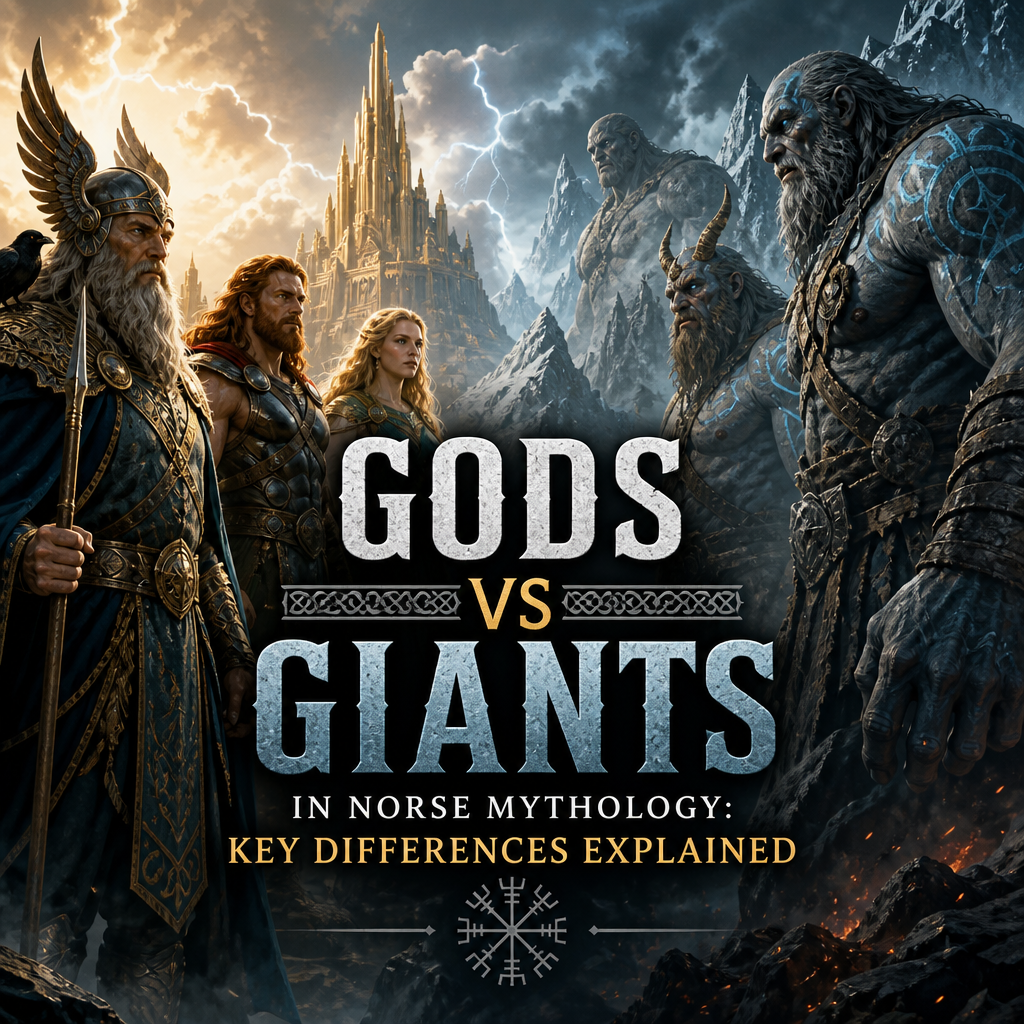
Gods vs Giants in Norse Mythology: Key Differences Explained
The difference between gods and giants in Norse mythology is more than size or morality—it’s about their roles in the cosmic order. While the gods and giants often clash, they are also deeply connected through family, marriage, wisdom, and fate.