royal iconography
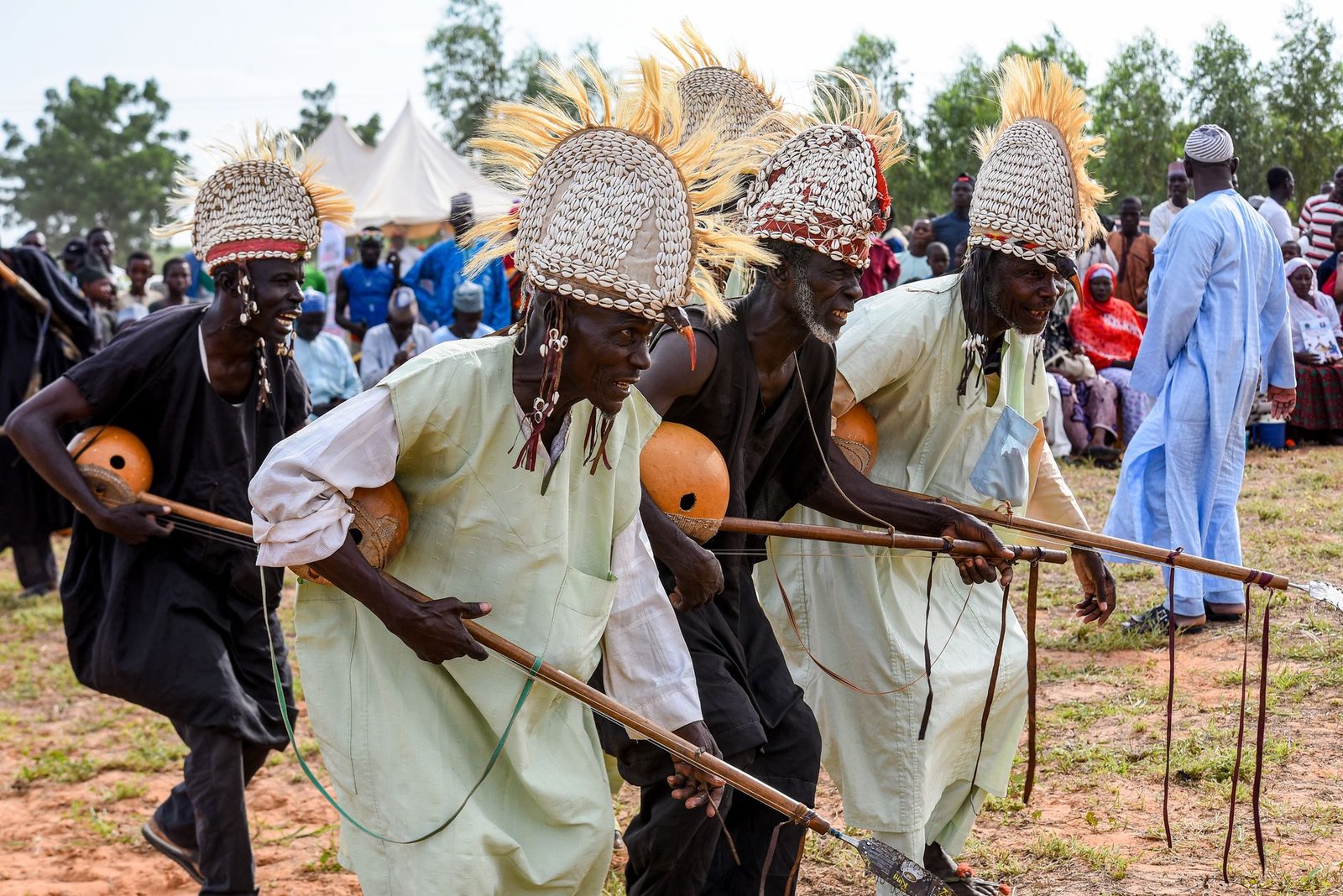
What Is the Nemes Headdress in Egyptian Mythology?
The **Nemes headdress** is the striped royal headcloth most closely associated with pharaohs in ancient Egypt, where it signaled kingship, divine authority, and sacred legitimacy. In Egyptian mythology, it appears not as a deity but as a powerful emblem linking the ruler to Horus, Ra, and the afterlife, inviting a closer look at its ritual meaning.
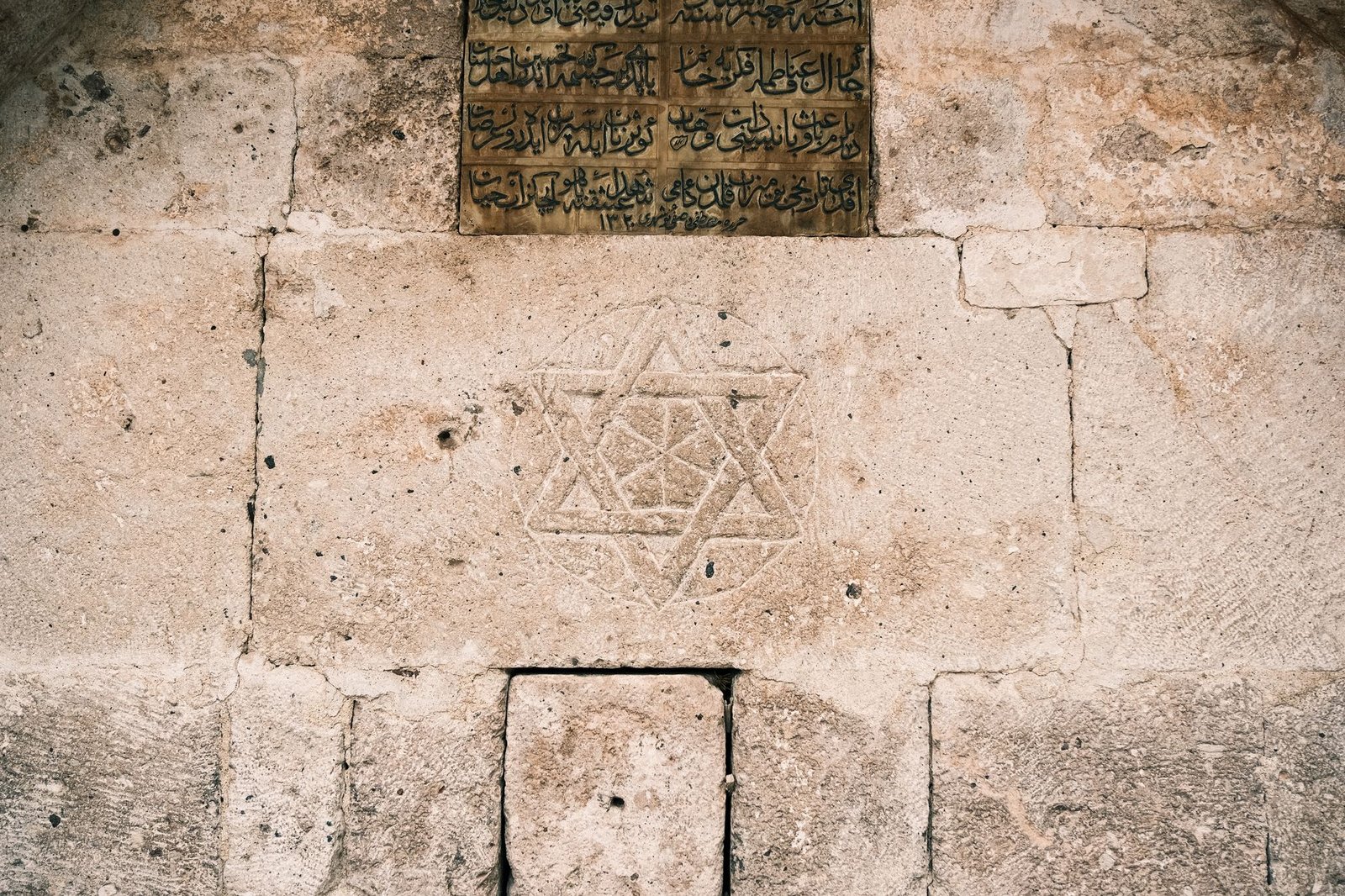
Sema-Tawy Symbol in Egyptian Mythology: Meaning and History
The sema-tawy symbol in Egyptian mythology represents the sacred union of Upper and Lower Egypt, expressing the pharaoh’s role in preserving order, legitimacy, and balance. This article examines its meaning, visual form, and royal context, showing how a seemingly simple motif reveals the political and religious logic of ancient Egypt.
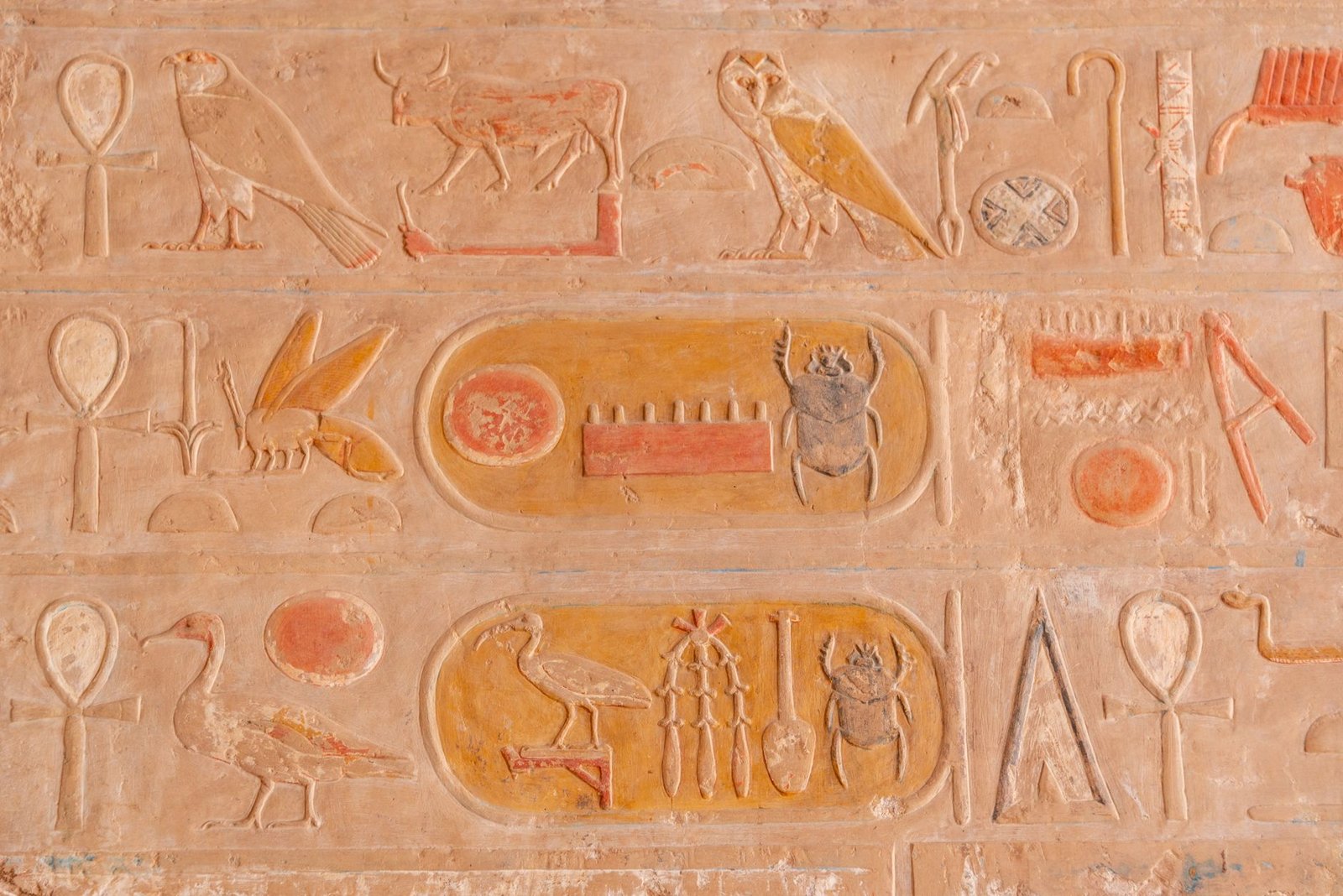
What Does the Sedge Plant Symbolize in Egyptian Mythology?
In Egyptian mythology, the sedge plant symbolizes Upper Egypt, kingship, and the king’s rightful authority, appearing most famously beside the bee in the emblem of unified rule. This article explores how such a simple plant became a powerful sign of political legitimacy, order, and the sacred geography of ancient Egypt.
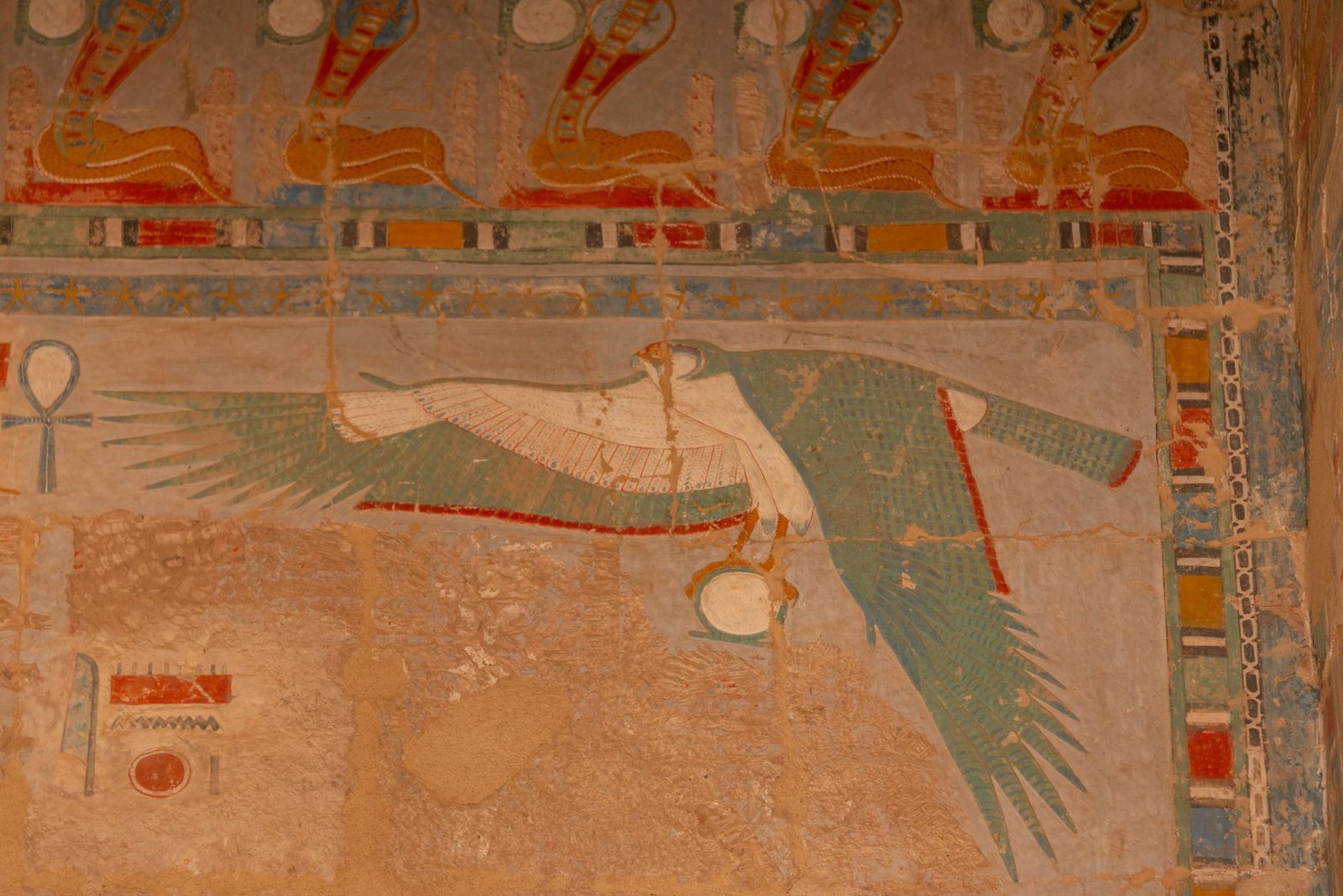
Who Is Nekhbet in Egyptian Mythology? Meaning and Role
Nekhbet, the vulture goddess of Upper Egypt, was a major protective deity who embodied royal authority, maternal guardianship, and the divine unity of the Egyptian state. This excerpt explores who is nekhbet in Egyptian mythology, tracing her links to El Kab, her role beside Wadjet, and the enduring symbolism that made her a constant presence in kingship and temple art.