Shinto kami

Kagutsuchi: Japanese Fire God in Mythology
Kagutsuchi is the fire deity of Japanese mythology, whose dramatic birth in the *Kojiki* and *Nihon Shoki* brings both creation and catastrophe, including the death of Izanami. Revered as a kami of fire and known also as Homusubi, Kagutsuchi embodies fire’s life-giving warmth and destructive power, inviting closer study of his role in Shinto tradition and mythic history.

Inari: Japanese Fox Deity and Rice God Explained
Inari is one of Japan’s most venerated deities, traditionally linked to rice, agriculture, prosperity, and the protection of livelihoods, yet its identity has evolved far beyond a single role. This article traces how Inari worship blends Shinto, Buddhist, and folk traditions, exploring the deity’s shifting forms, fox associations, and enduring presence in Japanese culture.
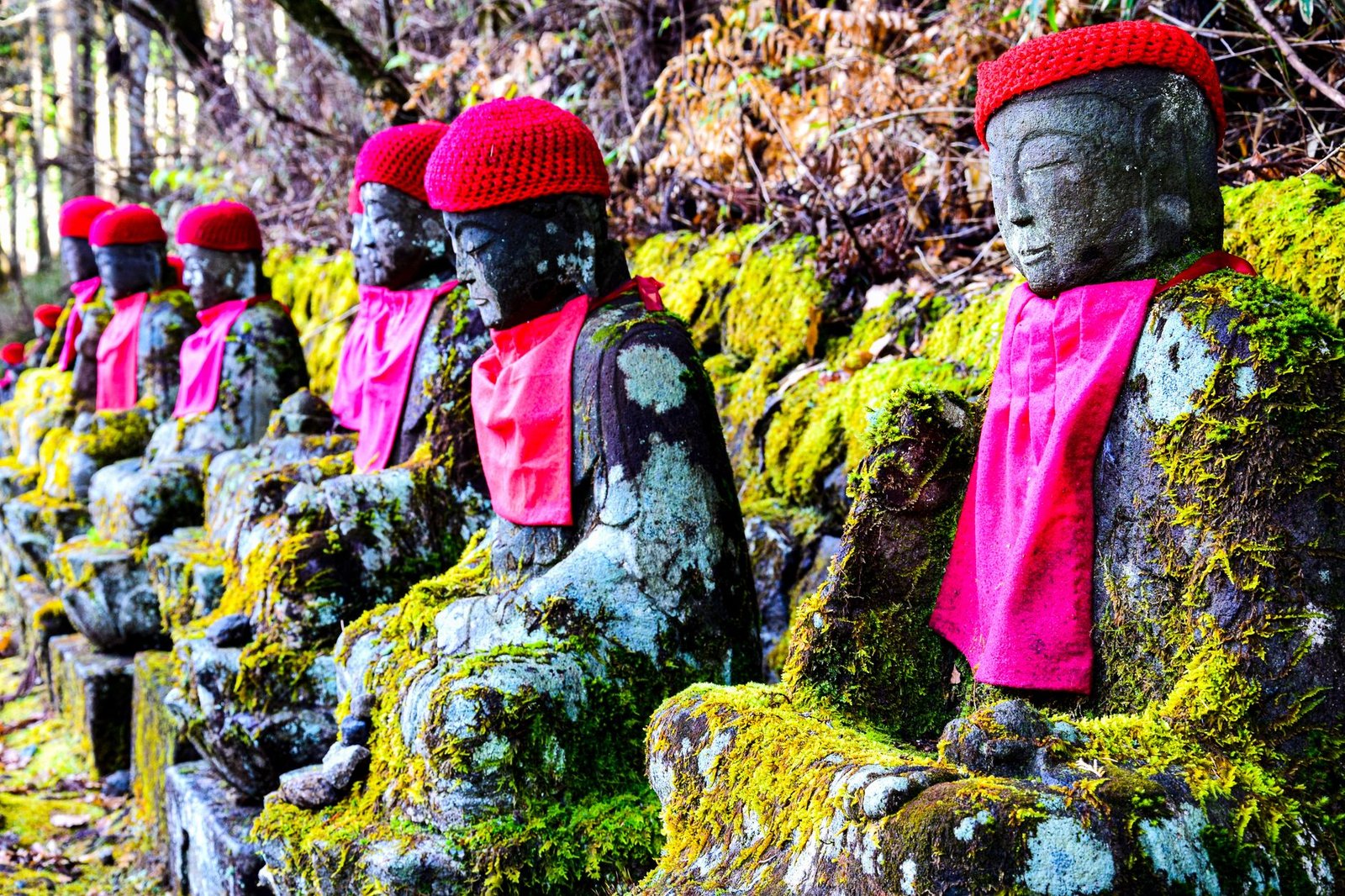
Difference Between Shinto Kami and Buddhist Deities in Japan
The difference between Shinto kami and Buddhist deities in Japan lies in their origins, functions, and religious meanings: kami are indigenous sacred presences tied to nature, ancestors, and place, while Buddhist figures such as Buddhas and bodhisattvas come from a continental tradition centered on enlightenment. Exploring how these beings were distinguished, blended, and reinterpreted in Japanese history reveals a complex spiritual landscape that still shapes shrine and temple culture today.
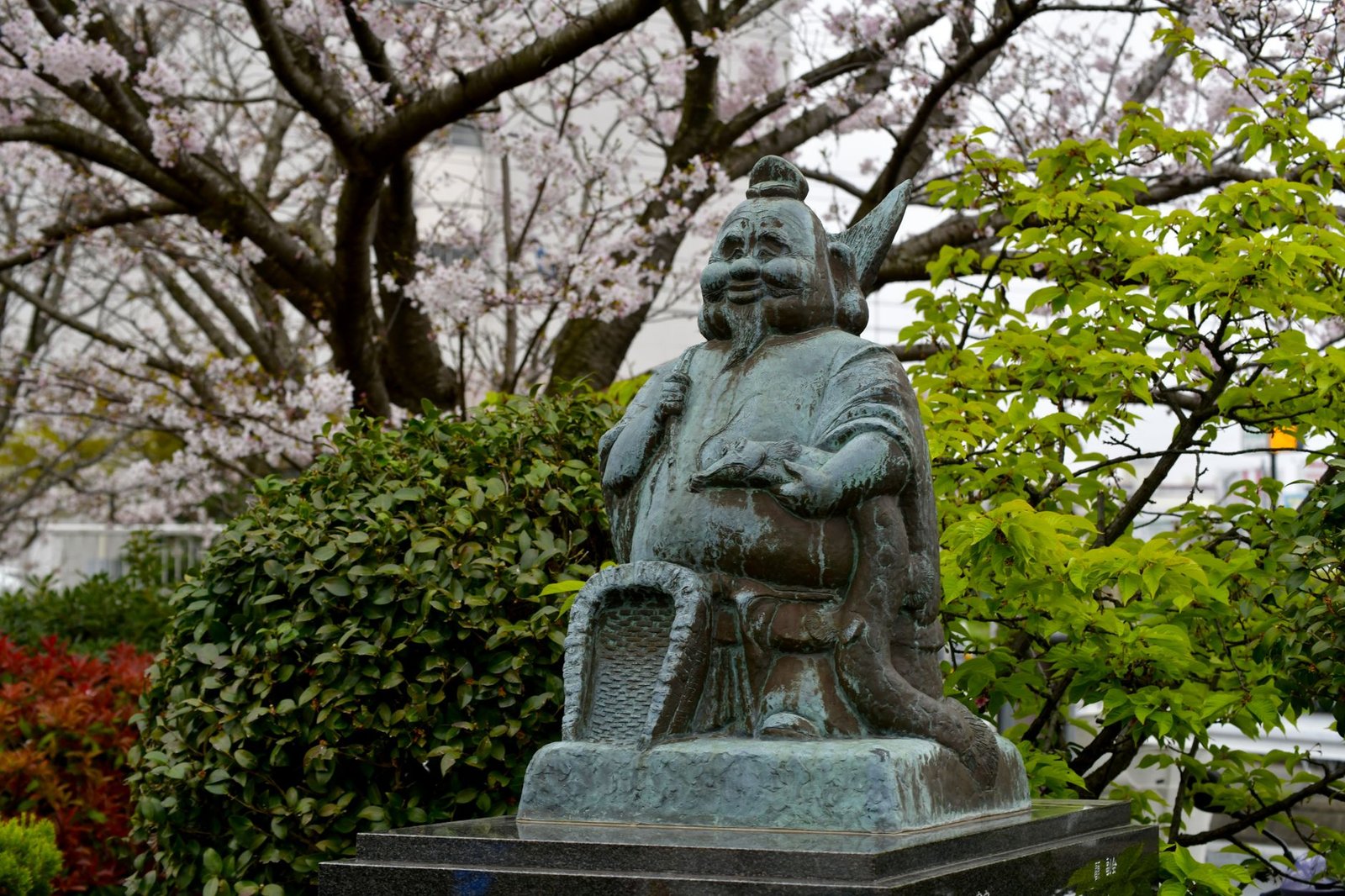
Fujin: Japanese Wind God in Mythology and Culture
Fujin, the Japanese wind god, is one of the most enduring figures in East Asian mythology, known for his iconic sack of storms and his close association with Raijin, the thunder deity. This excerpt traces Fujin’s origins, religious meanings, and artistic portrayals across Buddhism, Shinto, and popular culture, revealing how a single image came to embody wind’s destructive and vital force.

Japanese Gods and Goddesses: The Complete Guide
Shinto tradition speaks of Yaoyorozu no Kami, or “eight million gods,” reflecting a worldview in which sacred spirits inhabit nature, ...