torii gate
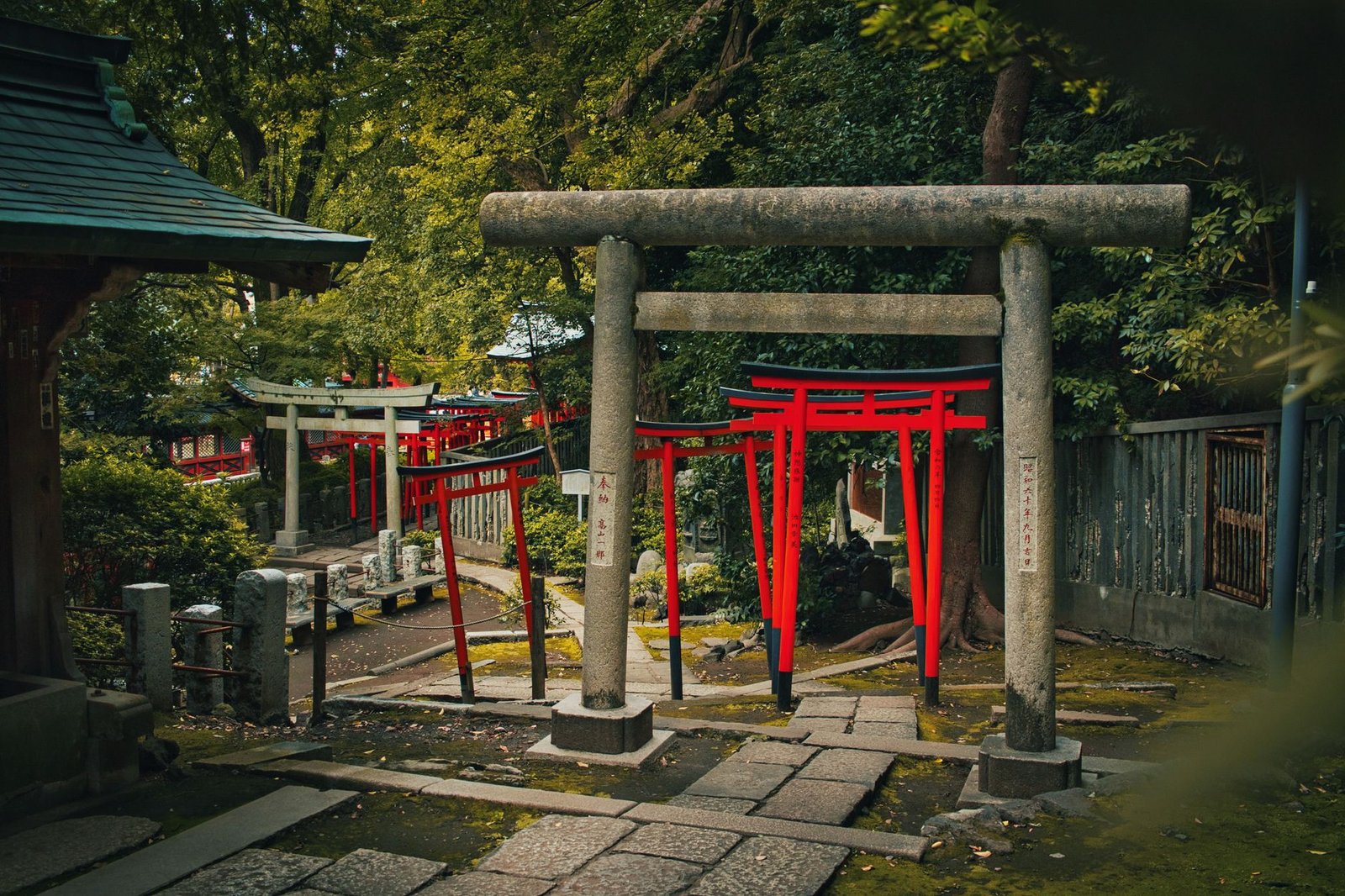
Torii Gate: Meaning, History, and Cultural Significance
A torii gate is one of Japan’s most recognizable symbols, marking the boundary between the ordinary world and a sacred Shinto space. Its origins, meanings, and architectural variations reveal a history that is both deeply religious and broadly cultural, inviting closer attention to how this simple form became so enduring.
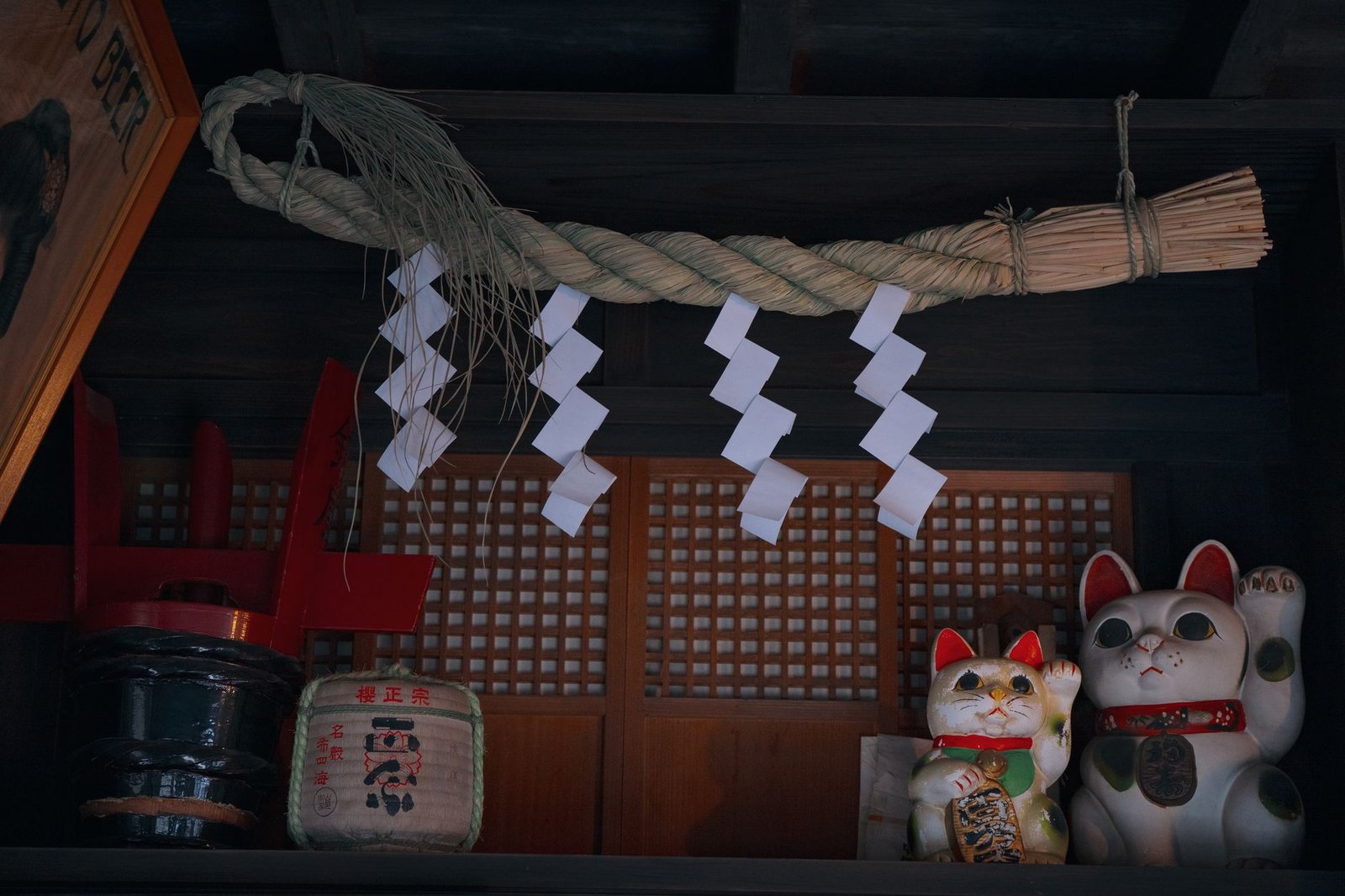
Shimenawa: Japanese Sacred Rope and Shinto Tradition
Shimenawa are sacred ropes in Shinto that mark spaces, objects, and natural forms as pure, protected, and set apart for kami. Made from braided straw, hemp, or other fibers, they reveal how Japanese ritual life connects boundary, purification, and reverence for nature in a single, enduring symbol.

Torii Gate: Religious Symbol or Architectural Structure
A torii gate is both a built structure and a profound religious marker, standing at the threshold between ordinary life and sacred Shinto space. This article examines its origins, symbolism, and architectural form, showing how the torii gate came to define Japanese sacred landscapes while raising the question of whether it is best understood as ritual sign or architecture.

Japanese Symbols: The Complete Guide to the Sacred Objects and Signs of Japanese Mythology
Japanese mythology’s sacred symbols mark the boundary between the ordinary and the sacred, from the vermillion torii gate to the ...