Vulcan
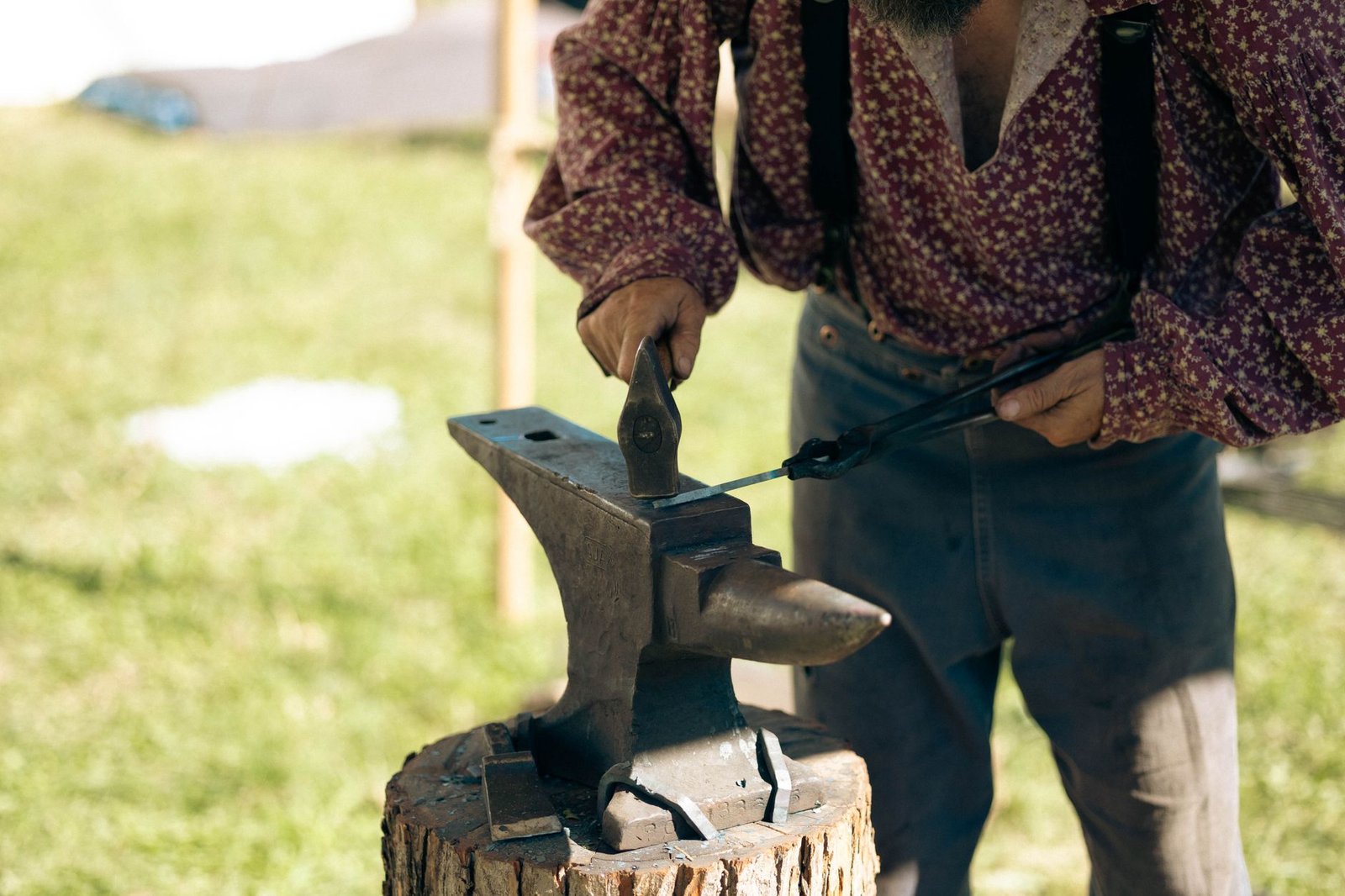
Hammer and Anvil of Vulcan: Meaning and Mythology
The Hammer and Anvil of Vulcan are enduring symbols of the Roman god’s mastery over fire, metallurgy, and the volatile power of the forge. Appearing in myth, art, and later cultural tradition, these tools embody both craftsmanship and destruction, offering a vivid entry point into Vulcan’s complex place in Roman religion.
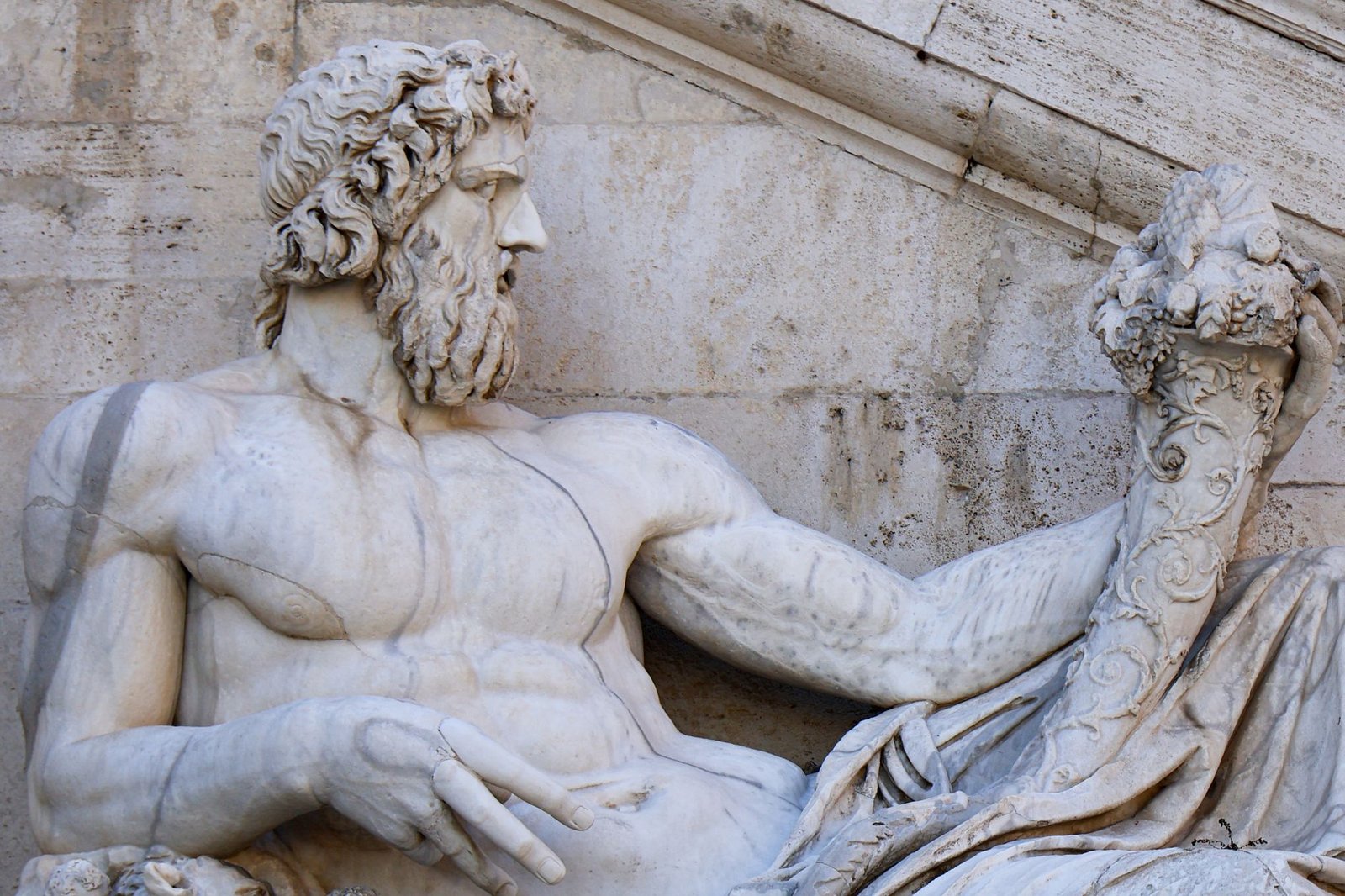
Vulcan: Roman God of Fire, Forge, and Volcanoes
Vulcan, the Roman god of fire, metalworking, and the forge, embodies both the destructive force of flames and the skilled craft that turns heat into tools, weapons, and art. This article traces his uncertain origins, his place in Roman religion and the Volcanalia festival, and his later identification with Hephaestus, revealing a deity central to ancient beliefs about danger and invention.

The Twelve Dii Consentes: Roman Gods and Goddesses
The Twelve Dii Consentes were the principal gods of Roman religion, a prestigious council of twelve deities broadly aligned with the Greek Olympians but shaped by Roman custom and political life. This article traces their origin, meaning, and changing composition, showing how these gods reflected Roman ideas of divine order, public worship, and cultural adaptation.