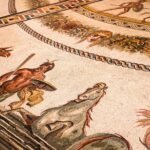
woodland spirits

Fauns vs Satyrs: Differences, Origins, and Mythology
Fauns vs Satyrs examines two closely related figures in Greco-Roman mythology: rustic, half-human woodland beings tied to fertility, music, wine, and untamed nature. Although their images and roles often overlap, satyrs are chiefly Greek companions of Dionysus, while fauns arise from Roman tradition and were later conflated with them, revealing how ancient cultures shaped ideas of wild divinity.

Fauns: Mythology, Meaning, and Cultural Origins
Fauns are enduring figures of Greco-Roman mythology and later European art, associated with forests, pastures, fertility, and the untamed edges of civilization. Blending Roman and Greek traditions, the article traces their origins in Faunus, their links to satyrs and Pan, and their later transformation into symbols of instinct, wilderness, and the mysterious life of the woods.
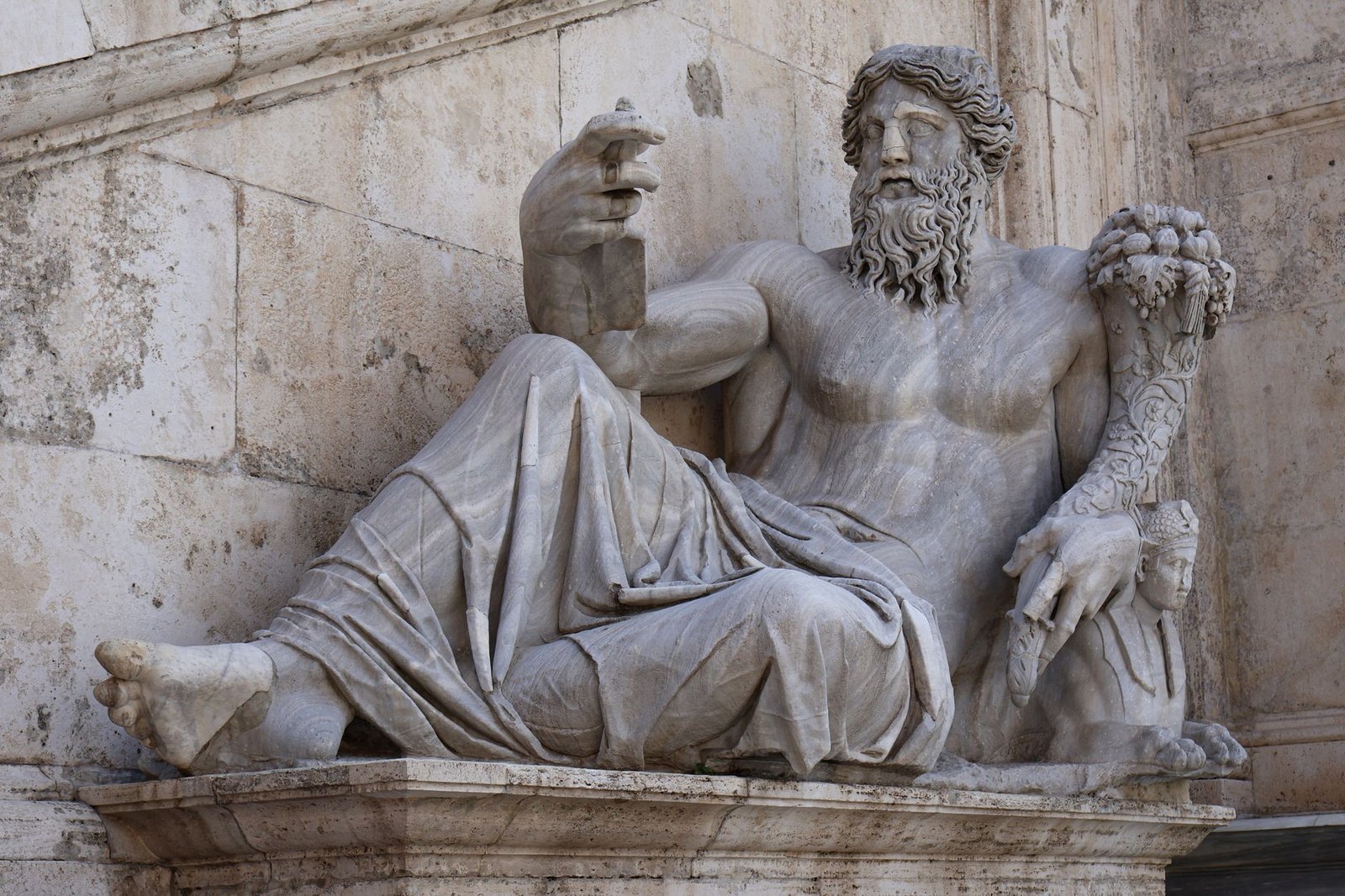
Faunus: Roman God of Nature and Fertility
Faunus is a major figure in Roman religion, associated with forests, wild places, fertility, flocks, and prophetic speech, and remembered as one of Italy’s oldest indigenous deities. His cult reveals how Roman belief grew from rural pastoral traditions while later absorbing Greek comparisons, especially with Pan, in ways that still invite closer study.