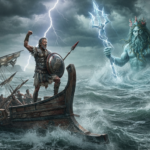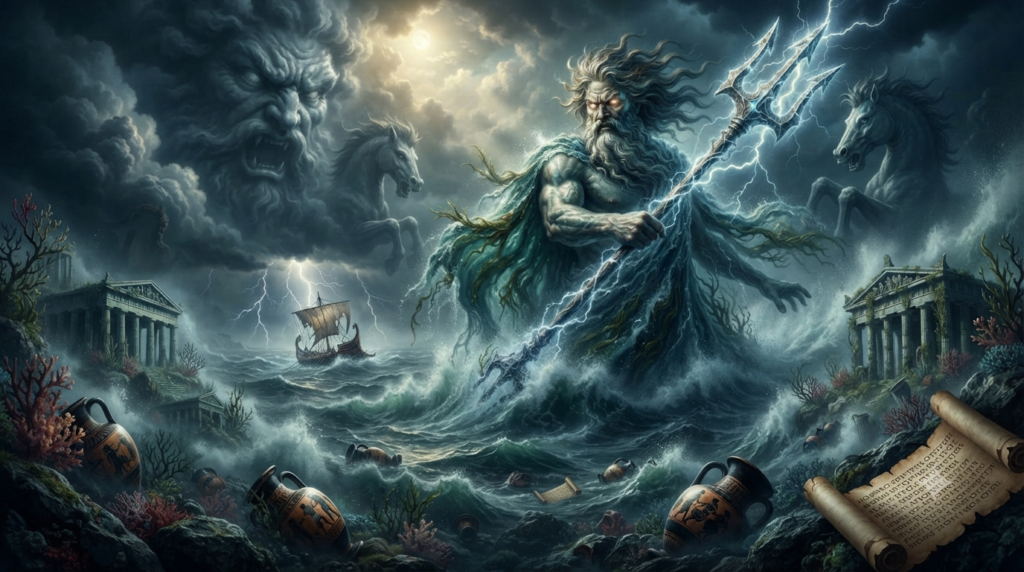
Anyone asking what archetype is Poseidon in the Odyssey arrives at a compelling answer: he functions as the recurring antagonist, or more precisely, the threshold guardian, a figure who repeatedly tests the hero rather than a villain defeated in a single climactic confrontation. Understanding what archetype is Poseidon in the Odyssey requires approaching this question through literary analysis rather than pure mythological description, examining the specific narrative function his character serves within the broader structure of Odysseus’s journey home. This archetypal reading offers genuine insight into why Poseidon’s role feels distinct from more conventional single-encounter antagonists found throughout other significant works of ancient literature.
The Antagonist Archetype in the Hero’s Journey
Understanding what archetype is Poseidon in the Odyssey benefits from first distinguishing between a conventional antagonist, typically confronted and defeated in a single decisive encounter, and a recurring antagonistic force that persists throughout an extended narrative journey without ever being directly overcome in combat.
Poseidon clearly represents this second category, relevant to what archetype is Poseidon in the Odyssey, since his opposition to Odysseus manifests repeatedly across the epic’s ten-year timeline rather than concentrating within any single, climactic confrontation typical of more conventional antagonist figures.
This distinction matters significantly for literary analysis, since recognizing Poseidon as a sustained, recurring antagonistic force rather than a single-encounter villain fundamentally changes how readers should interpret his narrative function throughout the broader structure of Homer’s epic.
Establishing this foundational distinction provides essential groundwork for what archetype is Poseidon in the Odyssey, positioning him specifically within this recurring antagonist category before examining the more precise archetypal framework that further illuminates his particular narrative role.
Poseidon as Threshold Guardian
Joseph Campbell’s concept of the threshold guardian, a figure who repeatedly tests the hero before allowing passage or completion of their journey, provides a particularly precise answer to what archetype is Poseidon in the Odyssey, capturing his specific narrative function more accurately than a generic antagonist label alone.
This framework helps explain why Poseidon’s obstacles, storms, shipwrecks, and prolonged delays, function structurally as tests Odysseus must endure and overcome, rather than random misfortune, directly relevant to what archetype is Poseidon in the Odyssey within this specific literary and narrative context.
Understanding Poseidon through this threshold guardian framework reframes his repeated interference as a structural, purposeful narrative element specifically designed to test Odysseus’s resilience and cunning, rather than simply representing arbitrary suffering disconnected from the epic’s broader thematic concerns.
This precise archetypal identification significantly enriches what archetype is Poseidon in the Odyssey, providing readers with a genuinely useful literary framework for understanding why his opposition persists so consistently throughout the epic’s extended narrative structure.
Poseidon as the Embodiment of Nature’s Indifference
Beyond functioning purely as a personal antagonist, Poseidon also represents the broader, indifferent power of the sea itself, adding an important additional dimension to what archetype is Poseidon in the Odyssey that extends beyond simple personal vendetta into genuine symbolic representation.
This dual function, combining personal hostility toward Odysseus specifically with broader symbolic representation of unpredictable natural forces, reflects ancient Greek culture’s genuine relationship with the sea as simultaneously essential and genuinely dangerous, directly relevant to what archetype is Poseidon in the Odyssey.
Understanding Poseidon this way adds meaningful depth to what archetype is Poseidon in the Odyssey, suggesting that his opposition represents not only personal divine anger, but also humanity’s broader, ancient struggle against unpredictable natural forces beyond direct human or even heroic control.
This symbolic dimension reinforces why what archetype is Poseidon in the Odyssey resists a purely personal, villain-focused interpretation, instead reflecting a more complex archetypal function combining personal antagonism with broader symbolic representation of nature’s genuine indifference toward human endeavor.
Contrast With Athena’s Archetype — Mentor/Ally
Athena’s consistent role advocating for Odysseus throughout the epic represents a clear archetypal opposite relevant to what archetype is Poseidon in the Odyssey, functioning specifically as mentor and ally in direct structural contrast to Poseidon’s recurring antagonistic function.
This deliberate contrast between Poseidon as threshold guardian and Athena as guiding mentor reflects a common structural pattern within hero’s journey narratives generally, reinforcing what archetype is Poseidon in the Odyssey by highlighting how his role specifically complements and opposes Athena’s supportive function throughout the epic.
Understanding this structural opposition between obstacle and assistance provides essential context for what archetype is Poseidon in the Odyssey, demonstrating how Homer organized significant divine characters around these complementary, contrasting narrative functions throughout the broader epic structure.
This contrast reinforces why what archetype is Poseidon in the Odyssey benefits from examining his role alongside other significant divine figures, revealing how the epic’s broader narrative architecture depends on this deliberate balance between obstructing and assisting archetypal forces.
Why This Archetypal Reading Matters
Approaching what archetype is Poseidon in the Odyssey through literary analysis rather than purely mythological description offers genuine interpretive value, revealing structural and thematic patterns that a purely biographical or narrative summary of Poseidon’s actions might otherwise overlook entirely.
This archetypal framework helps modern readers understand why Poseidon’s opposition feels narratively purposeful rather than arbitrary, reinforcing what archetype is Poseidon in the Odyssey as a genuinely useful lens for appreciating Homer’s deliberate, structured approach to constructing Odysseus’s extended journey home.
Recognizing this archetypal function also connects the Odyssey to broader patterns found throughout world literature, illustrating how what archetype is Poseidon in the Odyssey exemplifies storytelling structures that continue appearing across many different narrative traditions well beyond ancient Greek epic poetry specifically.
This enriched understanding confirms why what archetype is Poseidon in the Odyssey remains a genuinely valuable question for readers seeking deeper literary engagement with Homer’s epic, moving beyond simple plot summary into meaningful structural and thematic analysis.
FAQ — Quick Answers About Poseidon’s Role in the Odyssey
What archetype is Poseidon in the Odyssey?
Poseidon functions as the recurring antagonist, specifically the threshold guardian archetype, repeatedly testing Odysseus rather than being defeated in a single confrontation.
What is a threshold guardian?
A threshold guardian is a figure who repeatedly tests the hero before allowing passage or completion of their journey, a concept from Joseph Campbell’s hero’s journey framework.
Does Poseidon represent more than personal anger toward Odysseus?
Yes, Poseidon also symbolically represents the broader, indifferent power of the sea itself, beyond his personal hostility toward Odysseus specifically.
How does Poseidon’s archetype contrast with Athena’s?
Athena functions as mentor and ally, providing a direct structural contrast to Poseidon’s recurring antagonistic, obstacle-creating role throughout the epic.
Why is archetypal analysis useful for understanding the Odyssey?
It reveals structural and thematic patterns behind character actions, offering deeper literary insight than simple plot summary alone.
Conclusion
Anyone who sets out to answer what archetype is Poseidon in the Odyssey finds that he functions specifically as the threshold guardian, a recurring antagonistic force testing Odysseus repeatedly throughout his extended journey rather than a villain defeated in any single confrontation.
This archetypal reading, combined with Poseidon’s symbolic representation of nature’s genuine indifference and his structural contrast with Athena’s supportive role, reveals a deliberately constructed narrative architecture underlying Homer’s epic.
Ultimately, what archetype is Poseidon in the Odyssey offers genuine interpretive value, encouraging readers to move beyond simple plot summary toward richer, more structurally aware engagement with one of literature’s most enduring and carefully constructed epic narratives.

Orin Vale has spent the better part of two decades tracing the threads that connect the world’s oldest stories — from the halls of Asgard to the banks of the Nile, from Olympus to the jungles of the Maya. What began as a childhood fascination with flood myths and trickster gods grew into years of independent study across comparative mythology and ancient religion, always chasing the same question: what did these stories mean to the people who first told them? Orin writes for readers who want more than trivia — the ones looking for the beliefs, fears, and truths that myths were built to carry.