What Does Mjolnir Symbolize in Norse Mythology?
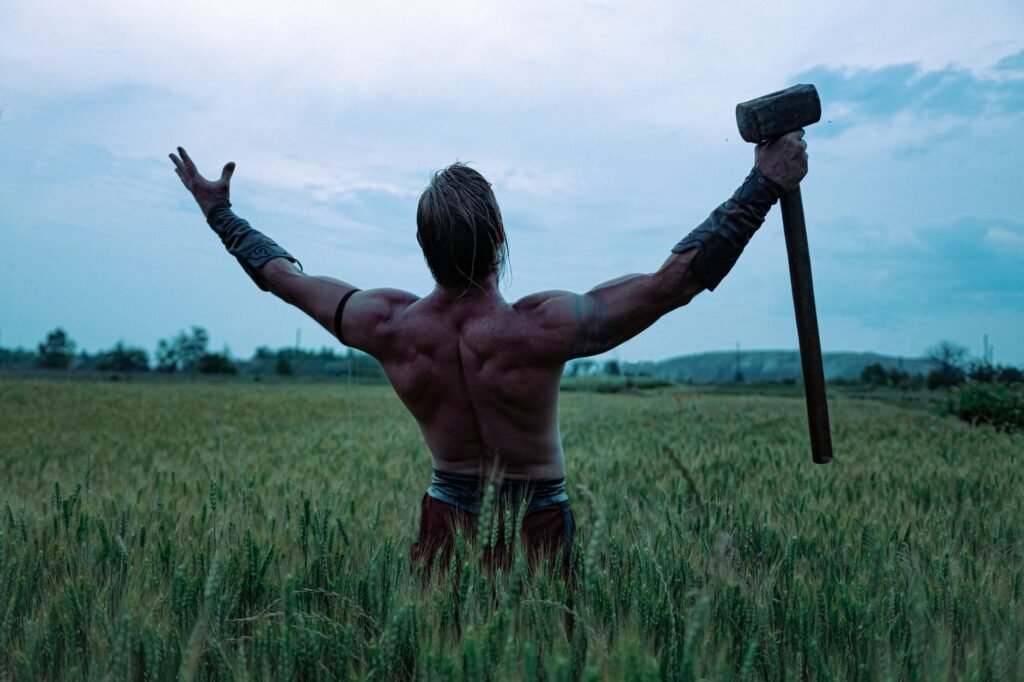
Mjolnir, the mighty hammer of Thor, is one of the most recognizable symbols in Norse mythology. Often associated with thunder, lightning, and divine strength, it is far more than a weapon. To the Norse people, Mjolnir represented protection, blessing, order, fertility, and the sacred power of the gods.
Understanding what Mjolnir symbolizes in Norse mythology reveals how deeply this object was woven into Viking-age belief, ritual, and identity.
The Weapon of Thor
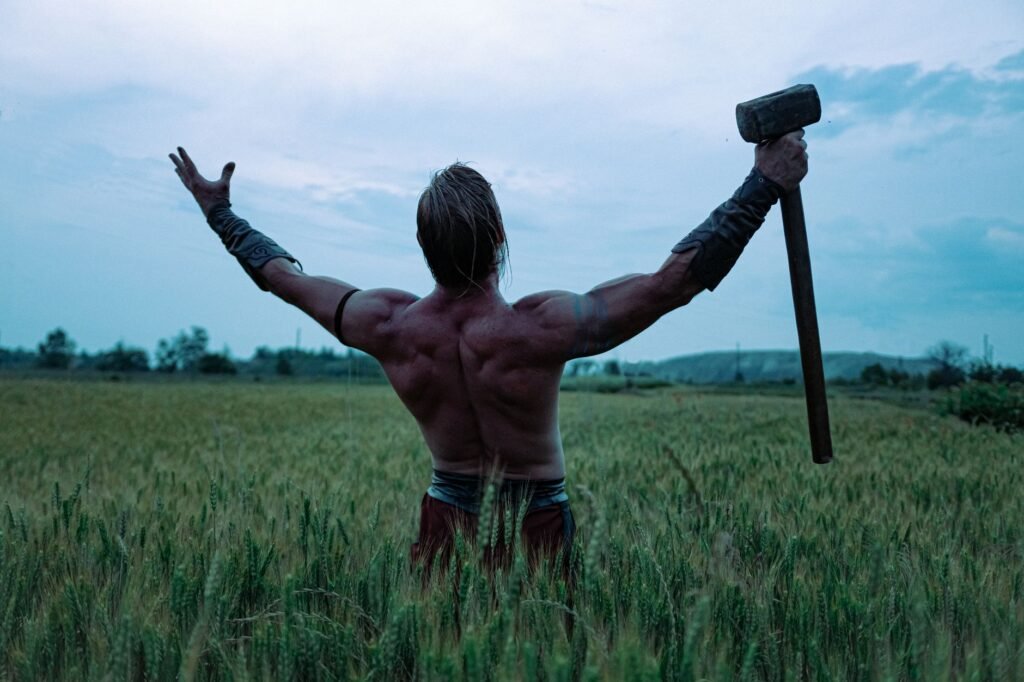
Mjolnir is best known as the hammer wielded by Thor, the god of thunder. Thor was one of the most beloved gods in the Norse pantheon because he protected both gods and humans from giants, chaos, and destructive forces.
In myth, Mjolnir was incredibly powerful. When Thor threw it, the hammer never missed its target and always returned to his hand. With it, Thor could crush mountains, defeat giants, and defend Asgard, the realm of the gods.
Because of this, Mjolnir symbolized:
- Physical strength
- Courage in battle
- Divine power
- Protection from enemies
- Victory over chaos
Thor’s hammer was not just a tool of destruction. It was the force that held back danger and helped preserve the cosmic order.
A Symbol of Protection
One of the most important answers to the question “what does Mjolnir symbolize in Norse mythology?” is protection. Thor used Mjolnir to defend Asgard and Midgard, the human world, from giants and monsters.
In Norse cosmology, giants often represented chaotic and threatening forces. Thor’s battles against them were not simply heroic adventures; they reflected the ongoing struggle between order and chaos. Mjolnir was the sacred weapon that kept that balance intact.
This protective meaning also extended to everyday life. Archaeologists have found many small Mjolnir pendants from the Viking Age. These amulets were likely worn by people seeking Thor’s protection against harm, illness, bad luck, or spiritual danger.
For many Norse people, wearing Mjolnir may have been a way to carry the strength of Thor close to the body.
A Sacred Tool of Blessing
Although Mjolnir is often imagined as a battle hammer, it also had a sacred and ritual purpose. In several Norse myths, the hammer is used to bless important events and transitions.
One of the most famous examples appears in the story of Thor’s stolen hammer. The giant Thrym steals Mjolnir and demands the goddess Freyja as his bride in exchange for its return. Thor disguises himself as Freyja and attends the wedding feast. During the ceremony, Mjolnir is brought out to bless the bride. Once the hammer is placed within reach, Thor seizes it and defeats the giants.
This story shows that Mjolnir was more than a weapon. It was also associated with blessing marriage, fertility, and social order.
Mjolnir could sanctify:
- Weddings
- Births
- Funerals
- Oaths
- Ritual spaces
- Important life events
Its presence made an event sacred and placed it under divine protection.
Fertility and Life-Giving Power
At first, a hammer might seem like an unusual symbol of fertility. However, Thor was closely connected with rain, storms, and agricultural abundance. Thunderstorms could bring rain to crops, making Thor important to farmers and rural communities.
Because Mjolnir was tied to Thor’s thunderous power, it also carried life-giving meaning. It could represent the forces of nature that nourished the land and sustained human life.
In this sense, Mjolnir symbolized both destruction and creation. It could smash the enemies of the gods, but it could also bless marriages, protect families, and support fertility. This dual meaning made it a powerful and flexible symbol in Norse culture.
Order Against Chaos
Norse mythology often centers on the tension between the ordered world of gods and humans and the chaotic forces that threaten it. Thor’s hammer was one of the main defenses against that chaos.
The giants were not always evil in a simple sense, but they often challenged the stability of the gods’ world. Thor’s role was to confront those threats directly. Mjolnir became the symbol of that struggle.
To ask what Mjolnir symbolizes in Norse mythology is also to ask what Thor himself represented. He was not the wisest god, like Odin, nor the most beautiful, like Baldr. Instead, Thor was the reliable protector. Mjolnir embodied his duty to guard the worlds.
The hammer stood for the idea that strength should be used to protect home, community, and cosmic balance.
Identity and Faith in the Viking Age
Mjolnir pendants became especially significant during the Viking Age. Many of these hammer-shaped amulets have been found in Scandinavia and areas influenced by Norse culture.
Some scholars believe that Mjolnir pendants became more common as Christianity spread through northern Europe. Just as Christians wore crosses, followers of the old Norse gods may have worn Thor’s hammer as a sign of faith, identity, and loyalty to their ancestral traditions.
In this context, Mjolnir symbolized religious belonging. It marked a connection to Thor and to the wider world of Norse myth. It may also have served as a cultural response to changing beliefs.
Mjolnir in Modern Symbolism
Today, Mjolnir remains a popular symbol. It appears in jewelry, art, literature, tattoos, and modern Pagan or Heathen religious practices. For many people, it still represents protection, courage, resilience, and connection to Norse heritage.
However, its meaning can vary depending on context. Some see it as a symbol of spiritual devotion. Others view it as a reminder of personal strength or ancestral identity. In popular culture, it is often linked to heroism and worthiness.
Despite these modern interpretations, the ancient symbolism remains powerful. Mjolnir continues to evoke the image of thunder, divine force, and the defense of what matters most.
Conclusion
So, what does Mjolnir symbolize in Norse mythology? It symbolizes much more than Thor’s weapon. Mjolnir represents protection, strength, blessing, fertility, sacred power, and the defense of order against chaos.
To the Norse people, it was a holy object as well as a mighty hammer. It protected gods and humans, blessed major life events, and connected ordinary people to Thor’s power. Whether worn as an amulet or described in myth, Mjolnir stood as one of the clearest symbols of divine guardianship in the Norse world.

Orin Vale has spent the better part of two decades tracing the threads that connect the world’s oldest stories — from the halls of Asgard to the banks of the Nile, from Olympus to the jungles of the Maya. What began as a childhood fascination with flood myths and trickster gods grew into years of independent study across comparative mythology and ancient religion, always chasing the same question: what did these stories mean to the people who first told them? Orin writes for readers who want more than trivia — the ones looking for the beliefs, fears, and truths that myths were built to carry.