What Is the Akhekh in Egyptian Mythology?
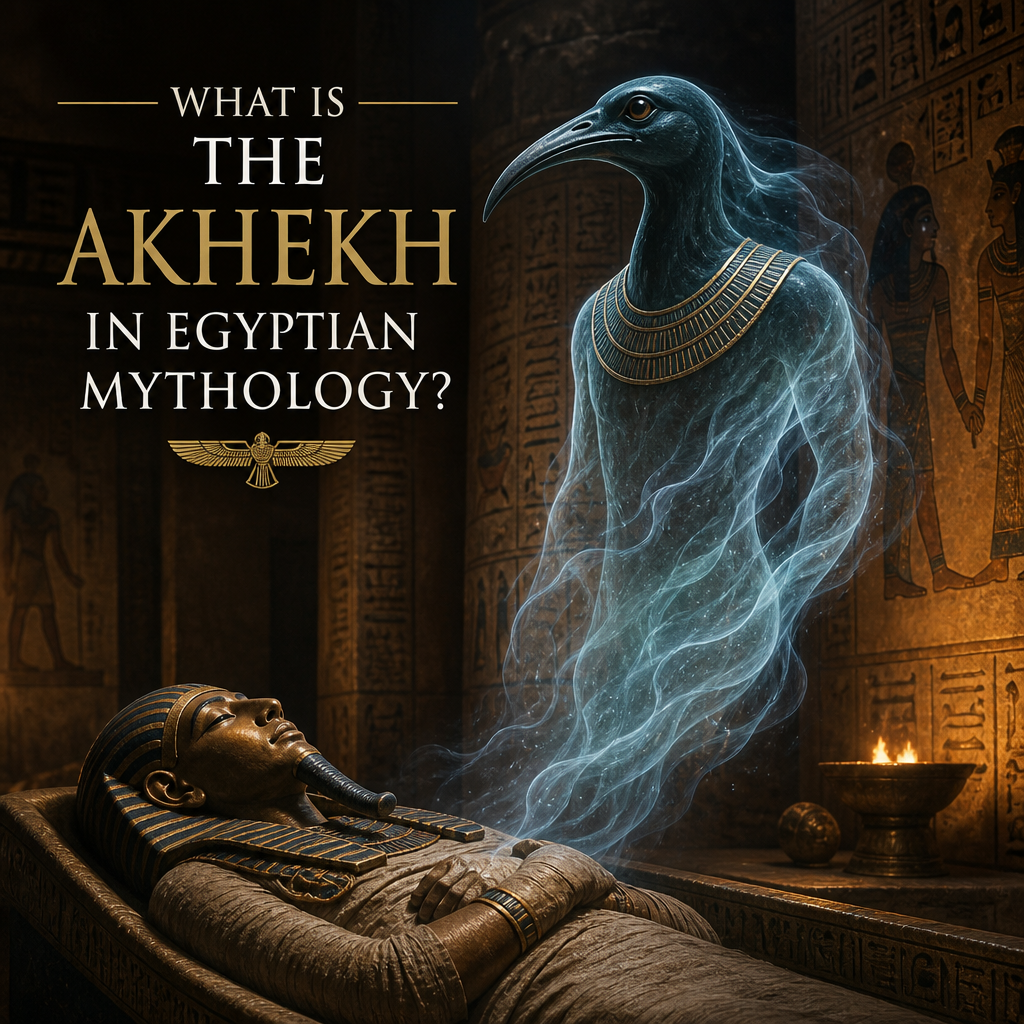
Egyptian mythology is filled with powerful gods, sacred animals, and strange hybrid creatures that represent the mysteries of the natural and spiritual worlds. Among these lesser-known beings is the Akhekh, a fascinating creature often described as a supernatural monster or composite animal connected to ancient Egyptian imagination, symbolism, and mythic storytelling.
Although the Akhekh is not as famous as Anubis, Ra, or the sphinx, it offers a glimpse into how the ancient Egyptians viewed chaos, protection, danger, and the unseen forces that shaped existence.
The Akhekh: A Mythical Composite Creature
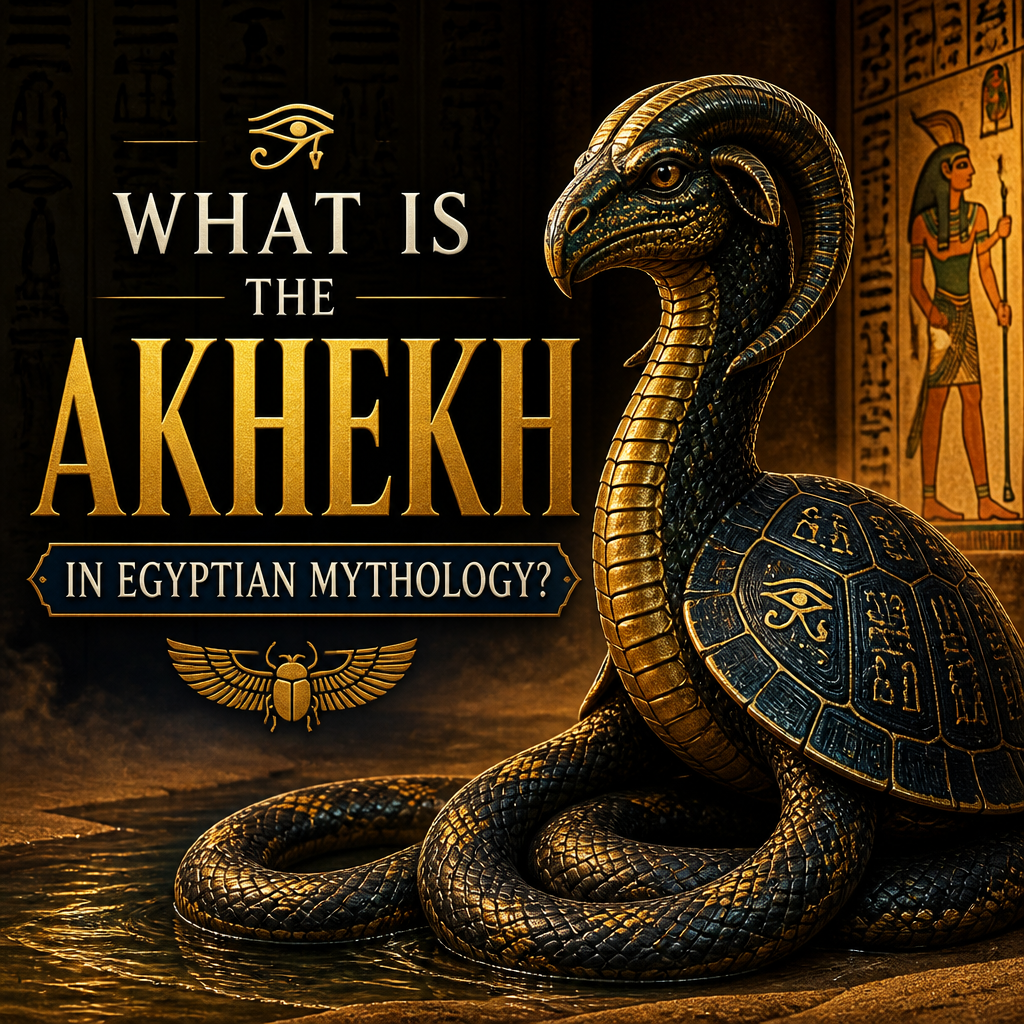
The Akhekh in Egyptian mythology is generally understood as a mythical creature made up of parts from different animals. Like many ancient Egyptian beings, it does not fit neatly into one category. It is often described as having features of a serpent, bird, and four-legged beast, though exact depictions can vary.
Some interpretations describe the Akhekh as a creature with:
- A long serpentine body
- Wings or bird-like features
- Animal legs, sometimes resembling those of a lion or other powerful beast
- A fearsome, monstrous appearance
This combination of traits places the Akhekh among the many hybrid beings of Egyptian myth. Such creatures were not simply imagined monsters. They often carried symbolic meaning, representing forces that were difficult to explain through ordinary animals or human forms.
Why Hybrid Creatures Were Important in Ancient Egypt
To understand what the Akhekh is, it helps to look at the broader Egyptian tradition of composite beings. Ancient Egyptian religion frequently combined human and animal features to express divine power.
For example, gods and mythic beings might have:
- The head of a falcon to represent the sky and kingship
- The body of a lion to show strength and dominance
- The form of a serpent to symbolize danger, renewal, or hidden power
- Wings to suggest protection, speed, or divine presence
The Akhekh fits into this symbolic world. Its mixed form likely suggested that it belonged to the realm beyond ordinary nature. It may have represented a force that was wild, dangerous, protective, or chaotic depending on the context.
Is the Akhekh a Dragon?
One common modern comparison is to call the Akhekh an Egyptian dragon. This is understandable because the creature is often described with reptilian or serpentine features and sometimes wings. However, the word “dragon” comes from later traditions and different cultures, so it should be used carefully.
The Akhekh is not a dragon in the same way that European dragons are usually imagined as treasure-guarding, fire-breathing beasts. Instead, it belongs to the Egyptian mythological world, where serpents and hybrid animals were deeply tied to spiritual forces.
Still, the comparison can be helpful. Like dragons in other cultures, the Akhekh appears to combine awe, fear, mystery, and supernatural power.
The Akhekh and the Symbolism of Chaos
Many creatures in Egyptian mythology are connected to the ongoing struggle between order and chaos. The Egyptians called divine order ma’at, a concept that included truth, balance, justice, and cosmic harmony. Opposing ma’at were forces of disorder, danger, and destruction.
Serpentine monsters were especially linked with chaos. The best-known example is Apep or Apophis, the giant serpent who threatened the sun god Ra during his nightly journey through the underworld.
While the Akhekh is not as central as Apep, its monstrous and serpentine qualities suggest a possible association with similar ideas. It may have embodied the terrifying side of the unknown: the wilderness, the night, the desert, or spiritual threats outside the safe boundaries of human life.
Was the Akhekh Worshipped?
There is no strong evidence that the Akhekh was worshipped as a major deity. It was not a widely honored god with temples, priests, and major festivals. Instead, the Akhekh seems to belong more to the category of mythic or symbolic creatures.
Ancient Egyptian religion included many beings that were not necessarily worshipped but still had meaning. Some appeared in funerary texts, magical imagery, protective art, or mythological scenes. These beings could serve as guardians, enemies, warnings, or symbols of supernatural power.
The Akhekh may have played a similar role: not a central god, but a creature that reflected the complex spiritual imagination of ancient Egypt.
Possible Roles of the Akhekh
Because the surviving evidence about the Akhekh is limited, scholars and writers often discuss it cautiously. However, based on its form and mythological context, several possible roles can be suggested.
A Symbol of Danger
The Akhekh’s monstrous appearance may have marked it as a dangerous being. In Egyptian art and mythology, frightening creatures often represented threats that humans and gods had to overcome.
A Guardian Creature
Not all fearsome beings were evil. Some terrifying creatures protected sacred spaces, tombs, or divine realms. The Akhekh may have served a protective function in certain symbolic contexts.
A Representation of the Unknown
The blending of animal parts suggests something beyond everyday experience. The Akhekh may have represented mysterious powers at the edge of the known world.
A Chaos Being
Its serpentine and hybrid nature may connect it to disorder or chaotic forces, especially when compared with other Egyptian monsters.
The Akhekh in Modern Interest
Today, the Akhekh attracts attention from people interested in mythology, ancient monsters, dragons, and Egyptian religion. Because it is obscure, it often appears in lists of mythical beasts rather than in mainstream discussions of Egyptian gods.
This obscurity is part of its appeal. The Akhekh reminds us that Egyptian mythology was not limited to a small group of famous deities. It included a vast range of spirits, demons, guardians, symbolic animals, and strange creatures that helped express how Egyptians understood life, death, nature, and the divine.
Why the Akhekh Matters
The Akhekh matters because it shows the richness of Egyptian mythological thought. Ancient Egyptians used imaginative forms to describe spiritual realities. A creature made from many animal parts could express ideas that a single animal could not.
The Akhekh also reflects a worldview in which the visible and invisible worlds were closely connected. Animals, gods, monsters, and symbols all had roles in maintaining or threatening cosmic balance.
Conclusion
So, what is the Akhekh in Egyptian mythology? The Akhekh is a little-known mythical creature, usually described as a hybrid monster with serpentine, bird-like, and animal features. It may have symbolized danger, chaos, protection, or supernatural mystery within the ancient Egyptian imagination.
Though it was not a major deity, the Akhekh belongs to the wider world of Egyptian mythic beings that shaped religious symbolism and storytelling. Like the sphinx, Apep, and other fantastic creatures, it reveals how deeply the ancient Egyptians used animals and hybrid forms to explore the powers of the cosmos.

Orin Vale has spent the better part of two decades tracing the threads that connect the world’s oldest stories — from the halls of Asgard to the banks of the Nile, from Olympus to the jungles of the Maya. What began as a childhood fascination with flood myths and trickster gods grew into years of independent study across comparative mythology and ancient religion, always chasing the same question: what did these stories mean to the people who first told them? Orin writes for readers who want more than trivia — the ones looking for the beliefs, fears, and truths that myths were built to carry.