Kleodora, also spelled Cleodora, occupies a genuinely distinctive place within Greek mythology as one of the Thriai, a trio of prophetic nymphs closely connected to the origins of divination practiced near Delphi. Anyone asking who is Kleodora in Greek mythology is uncovering a figure whose significance lies less in dramatic personal adventure and more in her direct connection to the earliest mythological foundations of one of ancient Greece’s most important religious sites.
Unlike many mythological figures whose stories center on romantic pursuit or heroic conflict, Kleodora’s identity revolves specifically around prophecy and divine knowledge, positioning her within a specialized category of Greek mythological figures dedicated to revealing hidden truths about the future. This particular focus distinguishes her from more broadly documented nymphs whose mythology often centers on other natural domains entirely.
It is worth noting immediately that ancient sources also record an entirely separate, unrelated figure sharing this same name: one of the fifty Danaids, daughters of Danaus, whose own mythology bears no connection whatsoever to the prophetic nymph discussed throughout this article. Distinguishing between these two figures proves essential for anyone researching Kleodora specifically within the context of Delphic prophecy and Mount Parnassus.
What follows examines Kleodora’s origins as daughter of the river god Cephissus, her role among the Thriai as a stone-casting oracle, the meaning behind her distinctive name, her union with Poseidon that produced the hero Parnassus, and the separate, unrelated figure who happens to share her name.
Kleodora’s Origins: Daughter of the River God Cephissus
Kleodora’s parentage connects her directly to the natural landscape of northern Boeotia, identifying her as the daughter of Cephissus, a significant river god associated with this specific region of central Greece. This parentage firmly places Kleodora within the broader category of nymphs whose divine identity ties directly to specific geographic features of the ancient Greek landscape.
Kleodora shared her particular mythological role with two sisters, Melaina and Daphnis, together forming the complete trio known as the Thriai within Greek mythological tradition. This sibling relationship established a collective identity for the three nymphs, whose shared prophetic function distinguished them as a unified group rather than three entirely independent mythological figures.
This family structure reflects a broader pattern commonly found throughout Greek mythology, where significant divine or semi-divine functions were frequently distributed among groups of related sisters rather than concentrated within a single individual figure. The Thriai’s shared parentage through Cephissus reinforced their collective connection to this specific regional river god’s broader mythological domain.
Understanding this origin provides essential context for who is Kleodora in Greek mythology, establishing her firmly within a specific geographic and familial framework before examining the specialized prophetic role that would ultimately define her lasting mythological significance.
The Thriai: Nymphs Who Prophesied by Casting Stones
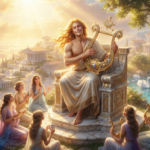
Kleodora’s primary mythological significance rests in her membership among the Thriai, three prophetic nymphs specifically associated with a distinctive method of divination involving the casting or throwing of small stones or pebbles. This practice, sometimes referred to as lithomancy, represented one of several specialized methods ancient Greeks believed could reveal hidden knowledge about future events.
The Thriai maintained a close mythological connection to Mount Parnassus and, by extension, to Delphi itself, the location that would eventually become home to ancient Greece’s most famous and influential oracle. This geographic association positioned Kleodora and her sisters as foundational figures within the broader mythological history explaining how divine prophecy first became accessible to the region surrounding Delphi.
Ancient sources occasionally conflate the Thriai with the so-called “bee maidens” described within the Homeric Hymn to Hermes, mysterious prophetic figures whom Apollo specifically directs Hermes to consult when seeking to learn the art of prophecy through stone-casting divination. This connection, while not entirely consistent across all surviving sources, further reinforces Kleodora’s association with some of Greek mythology’s earliest explanations for how prophetic knowledge first entered the mortal world.
This role as a stone-casting prophetess provides the clearest answer to who is Kleodora in Greek mythology, establishing her significance through her direct connection to divination itself, rather than through any dramatic personal narrative separate from this specialized prophetic function.
What Does the Name Kleodora Mean?
The name Kleodora carries meaningful etymological significance within ancient Greek, combining the words kleos, meaning “fame” or “glory,” and doron, meaning “gift,” together suggesting a translation along the lines of “glorious gift” or “famous gift.” This etymology directly reflects and reinforces her mythological role as a bearer of the valuable, prophetic gift of divination.
This naming convention aligns with a broader pattern found throughout Greek mythology, where deities and nymphs associated with valuable, specialized abilities often received names directly reflecting their particular divine function or gift. Kleodora’s name specifically emphasizes the positive, valuable nature of her prophetic ability, framing divination itself as a genuine gift bestowed upon those capable of properly interpreting it.
This etymological connection between name and function reinforces Kleodora’s core identity as a figure whose entire mythological significance centers on the valuable, sacred nature of prophecy itself, rather than on any unrelated personal characteristic or adventure separate from this specialized divine role.
Recognizing this linguistic detail adds meaningful depth to who is Kleodora in Greek mythology, confirming that even her very name directly reinforces and celebrates the specific prophetic gift that defines her entire mythological identity among the Thriai.
Kleodora and Poseidon: Mother of Parnassus
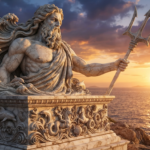
Beyond her role among the Thriai, Kleodora’s mythology extends into motherhood through her union with Poseidon, god of the sea, a relationship that produced Parnassus, a figure of considerable significance within the broader mythology surrounding the region bearing his name. Some ancient sources alternatively identify a mortal figure, Cleopompus, as Parnassus’s father instead, reflecting a dual paternity convention common throughout Greek heroic mythology.
Parnassus himself achieved lasting mythological significance as the eponymous figure behind Mount Parnassus’s name, directly connecting Kleodora’s own mythology to this significant geographic landmark through her son’s lasting legacy. Parnassus additionally received credit within ancient sources for founding the earliest city established in this region, specifically identified as predating the great flood associated with Deucalion’s mythology.
Ancient tradition further credits Parnassus with developing a distinct method of divination using birds, an innovation that meaningfully complements his mother’s own established connection to stone-casting prophecy. This shared family emphasis on divination reinforces a consistent thematic thread running throughout Kleodora’s broader mythological lineage, connecting mother and son through their mutual association with revealing hidden knowledge.
This maternal role provides a significant final dimension to who is Kleodora in Greek mythology, revealing a figure whose prophetic legacy extended meaningfully into the next generation through her son Parnassus, whose own achievements in founding an early city and developing avian divination directly echoed his mother’s own foundational role in the broader mythology of prophecy.
A Different Kleodora: One of the Danaids
Ancient Greek mythological tradition preserves an entirely separate and unrelated figure also named Kleodora, identified specifically as one of the fifty Danaids, the daughters of Danaus within a completely different mythological narrative centered on forced marriage and its tragic consequences. This figure shares no meaningful connection to the prophetic nymph of Mount Parnassus discussed throughout the rest of this article.
This naming overlap reflects a common pattern found throughout Greek mythology, where popular or meaningful names frequently appeared across multiple, entirely unrelated mythological figures without any intended connection between them. Ancient audiences familiar with both traditions would likely have distinguished between these figures based on contextual details rather than name alone.
Anyone researching Kleodora specifically in connection with Delphic prophecy, Mount Parnassus, or the Thriai should recognize that this separate Danaid figure belongs to an entirely different mythological context, involving Danaus’s daughters and their well-documented, tragic mythological narrative rather than any connection to prophecy or divination.
Acknowledging this separate figure ensures a complete and accurate answer to who is Kleodora in Greek mythology, clarifying that while multiple figures share this name across ancient sources, the prophetic nymph of Mount Parnassus remains the more mythologically significant and thoroughly documented bearer of this particular name.
Frequently Asked Questions
What were the Thriai?
The Thriai were three prophetic nymphs, including Kleodora, who divined the future by casting stones or pebbles and were closely associated with the origins of prophecy near Delphi.
Who was Kleodora’s son?
Kleodora’s son was Parnassus, born through her union with Poseidon, who gave his name to the mountain and founded an early city in the region.
What does Kleodora mean?
Kleodora means “glorious gift” or “famous gift,” combining the Greek words for fame and gift, reflecting her mythological association with the valuable gift of prophecy.
Conclusion
Kleodora stands as a genuinely significant, if often overlooked, figure within Greek mythology, her identity among the Thriai directly connecting her to the earliest mythological explanations for prophecy near Delphi and Mount Parnassus. Through her role as a stone-casting oracle and her motherhood of Parnassus, Kleodora’s mythology reveals a lasting legacy centered entirely on the sacred, valuable gift of divine knowledge that continued influencing this significant region of ancient Greek religious life.

Orin Vale has spent the better part of two decades tracing the threads that connect the world’s oldest stories — from the halls of Asgard to the banks of the Nile, from Olympus to the jungles of the Maya. What began as a childhood fascination with flood myths and trickster gods grew into years of independent study across comparative mythology and ancient religion, always chasing the same question: what did these stories mean to the people who first told them? Orin writes for readers who want more than trivia — the ones looking for the beliefs, fears, and truths that myths were built to carry.