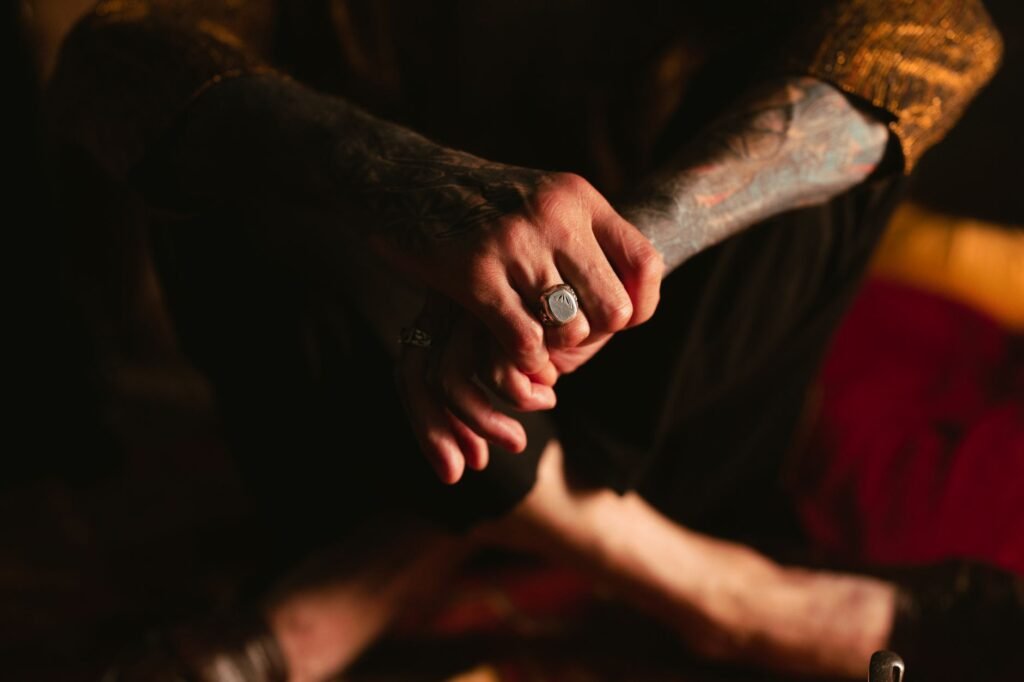
What Is Draupnir? The Meaning Behind Odin’s Ring
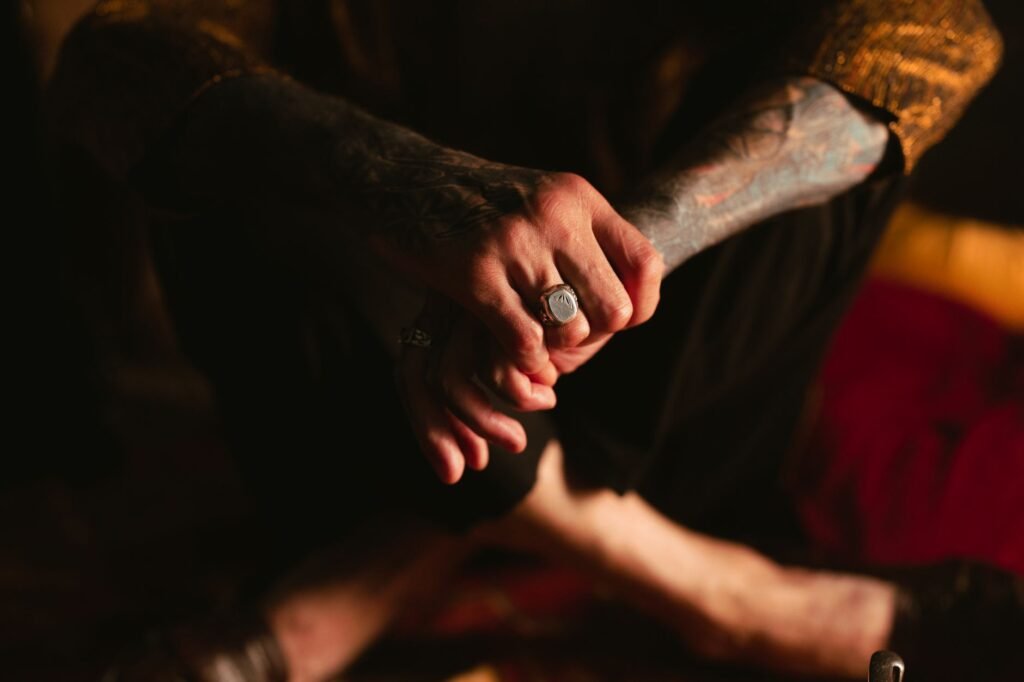
In Norse mythology, few treasures are as mysterious and symbolic as Draupnir. Often described as Odin’s ring, Draupnir is more than a piece of divine jewelry. It is a magical object connected to wealth, kingship, sacrifice, and the deeper mysteries of the gods.
Draupnir appears in several important myths, especially those involving Odin and the death of Baldr. Its name, meaning “the dripper” or “the one that drops,” reveals its most famous power: the ability to multiply itself. Every ninth night, eight new rings of equal weight would drip from it, making Draupnir an endless source of gold and abundance.
But Draupnir is not simply a symbol of riches. Like many objects in Norse mythology, it carries layers of meaning tied to fate, power, and the unseen workings of the cosmos.
The Origin of Draupnir
Draupnir was forged by the dwarves, the master craftsmen of Norse myth. Specifically, it was made by the brothers Brokkr and Sindri, also known in some sources as Eitri. These dwarves created several of the gods’ most powerful treasures.
Their work was part of a famous contest sparked by Loki. After causing trouble, as usual, Loki challenged the dwarves to create gifts more wondrous than those made by the Sons of Ivaldi. The result was a collection of legendary objects, including:
- Mjölnir, Thor’s hammer
- Gullinbursti, Freyr’s golden boar
- Draupnir, Odin’s ring
Though Mjölnir became the most famous of these treasures, Draupnir held special importance for Odin. As a god associated with wisdom, magic, poetry, death, and kingship, Odin possessed a ring that reflected both wealth and cosmic authority.
What Makes Odin’s Ring Magical?
The defining power of Draupnir is its ability to reproduce itself. Every ninth night, eight new golden rings would fall from the original. These rings were identical in weight and quality, making Draupnir a magical source of endless treasure.
This feature connects the ring to themes of fertility, prosperity, and divine generosity. In ancient societies, rings were not merely decorative. They were symbols of wealth, loyalty, and social bonds. Kings and chieftains often gave rings or arm rings to warriors as rewards, creating relationships of honor and obligation.
In that sense, Odin’s ring may represent more than personal wealth. It reflects the role of a ruler as a giver of treasure, someone who maintains loyalty and order through generosity.
The Meaning of the Number Nine
Draupnir’s magic happens every ninth night, and the number nine is highly significant in Norse mythology. It appears again and again in stories of the gods and the cosmos.
For example:
- Odin hung on the World Tree, Yggdrasil, for nine nights to gain the runes.
- There are nine worlds in Norse cosmology.
- Heimdall was born of nine mothers.
- Many rituals and mythic events involve cycles of nine.
Because Draupnir produces new rings every ninth night, its magic may be connected to sacred cycles, renewal, and hidden knowledge. The ring does not create wealth randomly; it does so according to a powerful mythic rhythm.
Draupnir and the Death of Baldr
One of Draupnir’s most moving appearances occurs in the myth of Baldr’s death. Baldr, the beloved son of Odin and Frigg, was killed through Loki’s trickery. His death was one of the great tragedies of Norse mythology and a sign of the coming doom of the gods.
After Baldr died, his body was placed on a funeral ship. Odin then laid Draupnir on Baldr’s pyre as a grave gift. This act transformed Odin’s ring from a symbol of abundance into a symbol of grief and sacrifice.
The image is powerful: Odin, who sacrificed much for wisdom, gives away one of his greatest treasures to his dead son. Draupnir’s endless wealth cannot prevent death. Even the gods must face loss.
Draupnir’s Return from Hel
Draupnir does not remain lost forever. In the story, the god Hermóðr rides to Hel, the realm of the dead, to ask for Baldr’s return. Although Baldr is not restored to the world of the living, he sends Draupnir back to Odin as a gift from the underworld.
This return gives the ring even deeper significance. Draupnir becomes an object that has crossed the boundary between life and death. It has gone with Baldr into Hel and come back again.
For Odin, a god closely connected to the dead and to hidden wisdom, this detail matters. The ring is no longer only a treasure of Asgard. It has become a token of mourning, memory, and communication between worlds.
Symbolism of Draupnir
Draupnir can be understood in several ways, depending on which part of the myth you focus on.
Wealth and Abundance
Its ability to create more gold makes it a clear symbol of prosperity. Draupnir represents treasure that renews itself and never truly runs out.
Kingship and Authority
As Odin’s ring, Draupnir reflects the power of a divine ruler. In Norse culture, a generous leader was expected to give wealth to loyal followers. A ring that endlessly produces more rings fits that ideal perfectly.
Sacrifice and Loss
When Odin places Draupnir on Baldr’s funeral pyre, the ring becomes a sign of sacrifice. It shows that even the greatest wealth can be given up in the face of love and grief.
Cycles and Renewal
Because Draupnir creates new rings every ninth night, it is also linked to cycles of time. Its magic suggests repetition, renewal, and the mysterious patterns that govern the mythic world.
Why Draupnir Still Fascinates Readers
Draupnir remains fascinating because it is both simple and profound. On the surface, it is a magical golden ring that creates more rings. But in the larger world of Norse mythology, it touches some of the tradition’s deepest themes: wealth, fate, death, sacrifice, and the bond between gods and mortals.
Unlike weapons such as Mjölnir or Gungnir, Draupnir does not win battles. Its power is quieter. It creates, multiplies, and returns. It is a treasure of abundance, but also a reminder that even endless gold cannot shield the gods from sorrow.
Final Thoughts on Odin’s Ring
So, what is Draupnir? It is Odin’s ring, a magical treasure forged by dwarves and gifted with the power to produce eight new rings every ninth night. Yet its meaning reaches far beyond gold. Draupnir represents divine authority, sacred cycles, generosity, sacrifice, and the mysteries of life and death.
In the story of Baldr, Draupnir becomes one of the most emotionally powerful objects in Norse myth. It is given in grief, carried into the realm of the dead, and returned as a sign of memory. For that reason, Draupnir is not just a symbol of wealth. It is a symbol of everything that wealth cannot buy.

Orin Vale has spent the better part of two decades tracing the threads that connect the world’s oldest stories — from the halls of Asgard to the banks of the Nile, from Olympus to the jungles of the Maya. What began as a childhood fascination with flood myths and trickster gods grew into years of independent study across comparative mythology and ancient religion, always chasing the same question: what did these stories mean to the people who first told them? Orin writes for readers who want more than trivia — the ones looking for the beliefs, fears, and truths that myths were built to carry.