What Is the Elder Futhark in Norse Mythology?
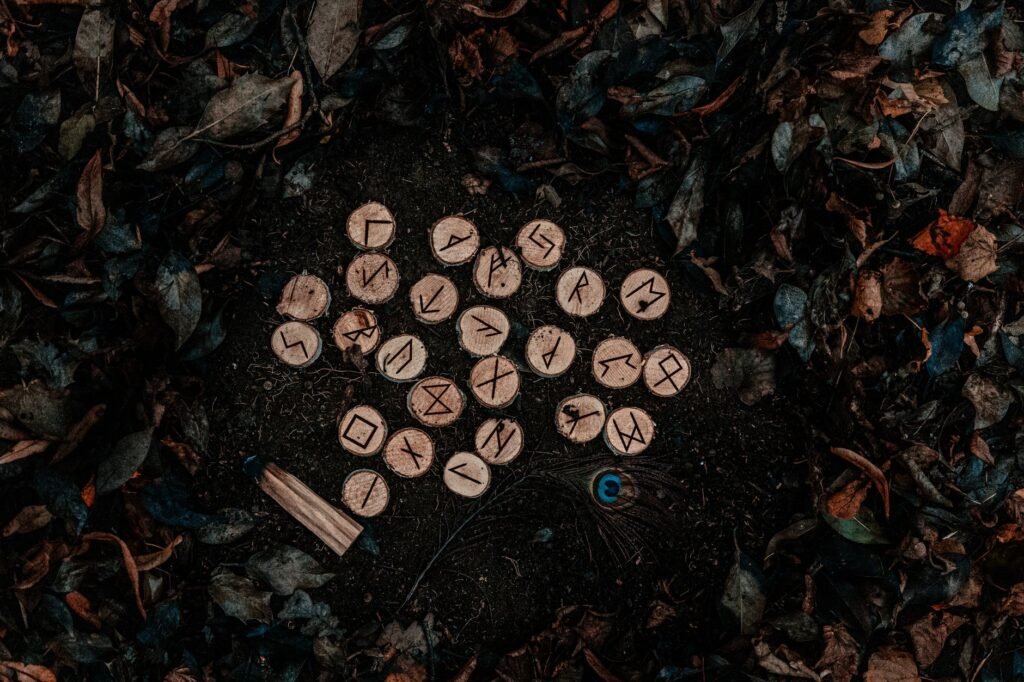
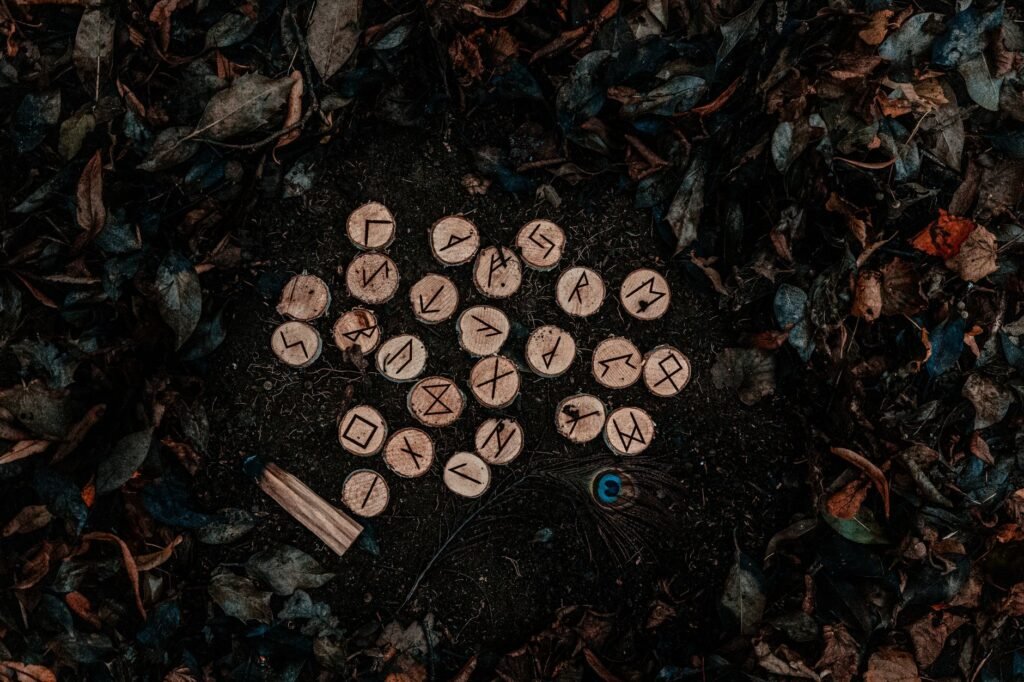
The Elder Futhark is the oldest known runic alphabet used by early Germanic peoples, including the ancestors of the Norse. When people ask, “what is the Elder Futhark in Norse mythology,” they are often asking about more than just an alphabet. In Norse tradition, runes were not only symbols for writing but also marks associated with mystery, magic, fate, and divine knowledge.
The Elder Futhark contains 24 runes, each with its own name, sound, and symbolic meaning. These runes appear in inscriptions, artifacts, and later mythological interpretations. While the alphabet itself predates many written Norse myths, it became closely linked with the mythic world of Odin, wisdom, and the unseen forces shaping life.
The Meaning of “Elder Futhark”
The name “Futhark” comes from the first six runes of the alphabet:
- Fehu
- Uruz
- Thurisaz
- Ansuz
- Raidho
- Kenaz
Together, their initial sounds form “Futhark,” much like the word “alphabet” comes from the Greek letters alpha and beta.
It is called the Elder Futhark because it is the earliest form of the runic script. It was used roughly from the 2nd to the 8th century CE. Later, it developed into other runic systems, such as the Younger Futhark, which was used during the Viking Age.
Although the Viking Age is often what people associate with Norse mythology, the Elder Futhark came before it. Still, its symbols and meanings deeply influenced later Norse culture and spiritual traditions.
The 24 Runes of the Elder Futhark
The Elder Futhark is divided into three groups of eight runes, often called aetts. Each aett is traditionally associated with different themes, though interpretations vary.
The First Aett
The first group often relates to creation, wealth, strength, and the basic forces of life.
Common runes in this group include:
- Fehu – cattle, wealth, abundance
- Uruz – strength, vitality, primal power
- Thurisaz – giants, conflict, protection
- Ansuz – gods, communication, wisdom
- Raidho – journey, movement, order
- Kenaz – torch, knowledge, illumination
- Gebo – gift, exchange, partnership
- Wunjo – joy, harmony, fulfillment
The Second Aett
The second group is often connected with hardship, transformation, fate, and endurance.
Examples include:
- Hagalaz – hail, disruption, natural forces
- Nauthiz – need, constraint, necessity
- Isa – ice, stillness, delay
- Jera – year, harvest, cycles
- Eihwaz – yew tree, death and rebirth
- Perthro – mystery, chance, hidden knowledge
- Algiz – protection, defense, divine connection
- Sowilo – sun, victory, life force
The Third Aett
The third group often points toward humanity, inheritance, transformation, and spiritual completion.
It includes runes such as:
- Tiwaz – justice, sacrifice, the god Tyr
- Berkano – birch, growth, renewal
- Ehwaz – horse, trust, partnership
- Mannaz – humanity, self, community
- Laguz – water, intuition, flow
- Ingwaz – fertility, potential, the god Ing
- Dagaz – dawn, awakening, breakthrough
- Othala – inheritance, ancestry, homeland
Runes and Odin in Norse Mythology
The strongest mythological connection between runes and the Norse gods comes through Odin, the All-Father. Odin is a god of wisdom, poetry, war, magic, and death. He is also one of the most important figures associated with runic knowledge.
In the poem Hávamál, part of the Poetic Edda, Odin describes how he gained the runes through a terrifying act of sacrifice. He hung himself from the World Tree, Yggdrasil, for nine nights, wounded by a spear and given no food or drink. Through this ordeal, he perceived the runes and took them up.
This myth shows that runes were not seen as ordinary marks. They were hidden wisdom, won through suffering, sacrifice, and initiation. Odin’s discovery of the runes makes them sacred symbols connected to divine insight and the deep structure of reality.
Were Elder Futhark Runes Used for Magic?
Historically, runes were used for practical writing, such as marking names, ownership, memorials, or short messages. However, some inscriptions suggest that runes also had magical or ritual purposes.
In Norse and Germanic belief, words and symbols could carry power. A rune was not merely a letter; it could represent a force or concept. For example, a rune connected with protection might be carved onto an object to guard the wearer. A rune linked with victory might be used in a warrior context.
Later sagas and poems describe runes being used for:
- Healing
- Protection
- Victory in battle
- Love and influence
- Cursing or binding enemies
- Communicating hidden knowledge
It is important to note that not every historical use of the Elder Futhark was magical. Still, in the mythological imagination, runes belonged to a world where language, fate, and divine power were closely connected.
Elder Futhark vs. Younger Futhark
A common point of confusion is the difference between the Elder Futhark and the Younger Futhark.
The Elder Futhark has 24 runes and was used earlier, before the Viking Age. The Younger Futhark has only 16 runes and became common during the Viking Age, roughly from the 8th to the 12th century.
This means that many actual Viking inscriptions were written in Younger Futhark, not Elder Futhark. However, the Elder Futhark remains popular today because of its larger set of symbols and its rich associations with early Germanic and Norse spirituality.
Why the Elder Futhark Still Fascinates People
The Elder Futhark continues to attract interest because it sits at the crossroads of history, language, and mythology. It is ancient enough to feel mysterious, yet structured enough to study as a real writing system.
For modern readers, the runes offer a symbolic map of ideas that mattered deeply to early northern cultures: strength, fate, ancestry, hardship, harvest, protection, and transformation. In Norse mythology, these themes are everywhere. Gods struggle against giants, heroes face destiny, and even the cosmos moves toward renewal after destruction.
Conclusion
So, what is the Elder Futhark in Norse mythology? It is the oldest runic alphabet of the Germanic world, but in mythological tradition it is much more than a writing system. The Elder Futhark represents sacred knowledge, hidden forces, and the power of symbols to shape reality.
Through its connection to Odin and the myth of his sacrifice on Yggdrasil, the Elder Futhark became a powerful part of Norse mythic imagination. Whether viewed as an ancient alphabet, a symbolic system, or a doorway into northern spirituality, it remains one of the most fascinating legacies of the Norse world.

Orin Vale has spent the better part of two decades tracing the threads that connect the world’s oldest stories — from the halls of Asgard to the banks of the Nile, from Olympus to the jungles of the Maya. What began as a childhood fascination with flood myths and trickster gods grew into years of independent study across comparative mythology and ancient religion, always chasing the same question: what did these stories mean to the people who first told them? Orin writes for readers who want more than trivia — the ones looking for the beliefs, fears, and truths that myths were built to carry.