Orin Vale
Who Is Wepwawet in Egyptian Mythology?
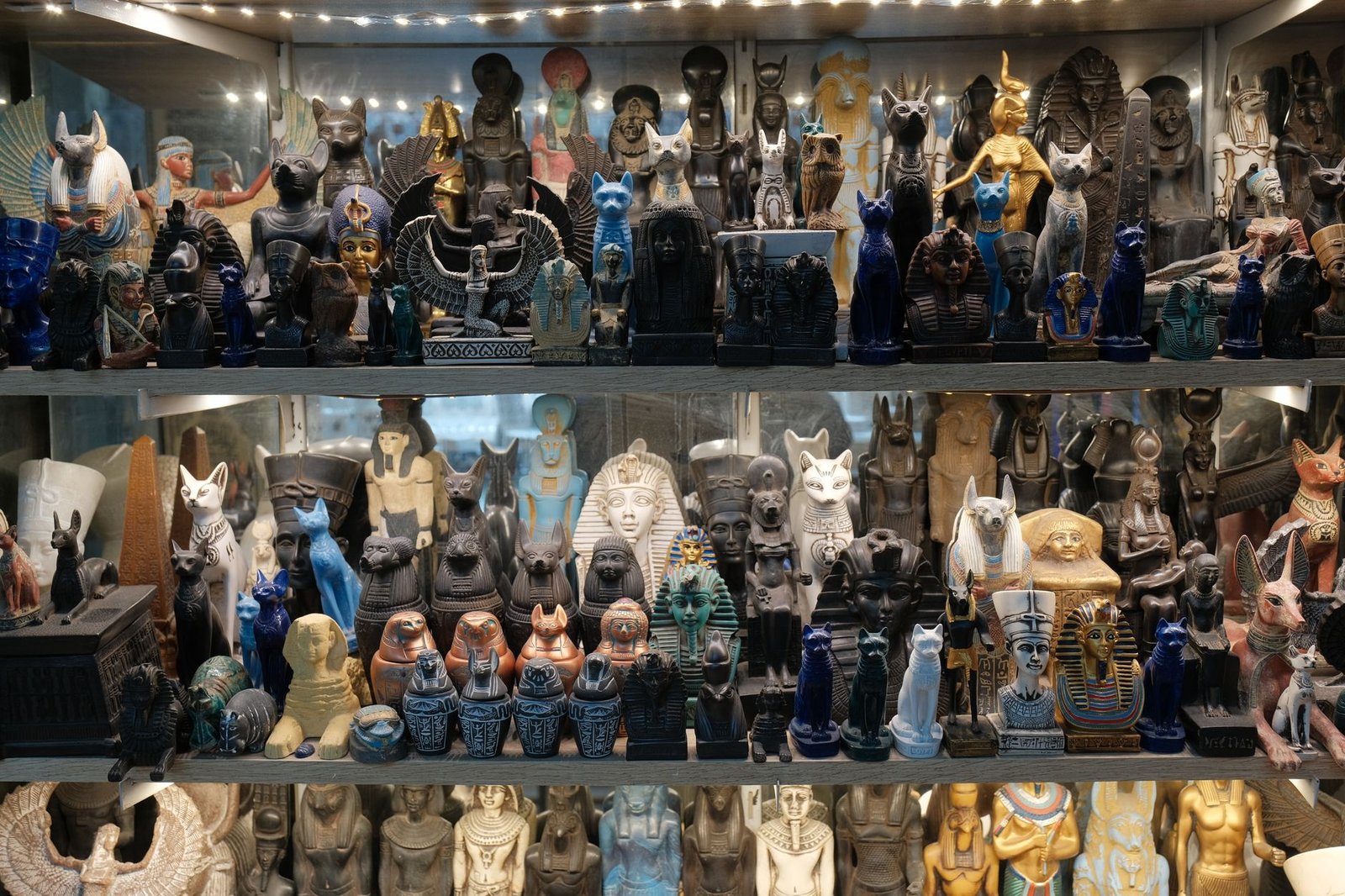
Wepwawet in Egyptian mythology is a jackal-headed deity associated with warfare, royal authority, funerary rites, and the opening of paths, guiding kings and the dead through perilous journeys. Often linked to Upper Egypt and the city of Asyut, he is distinct from Anubis and reveals how Egyptians connected protection, movement, and power in both life and the afterlife.
Who Is Meretseger in Egyptian Mythology?
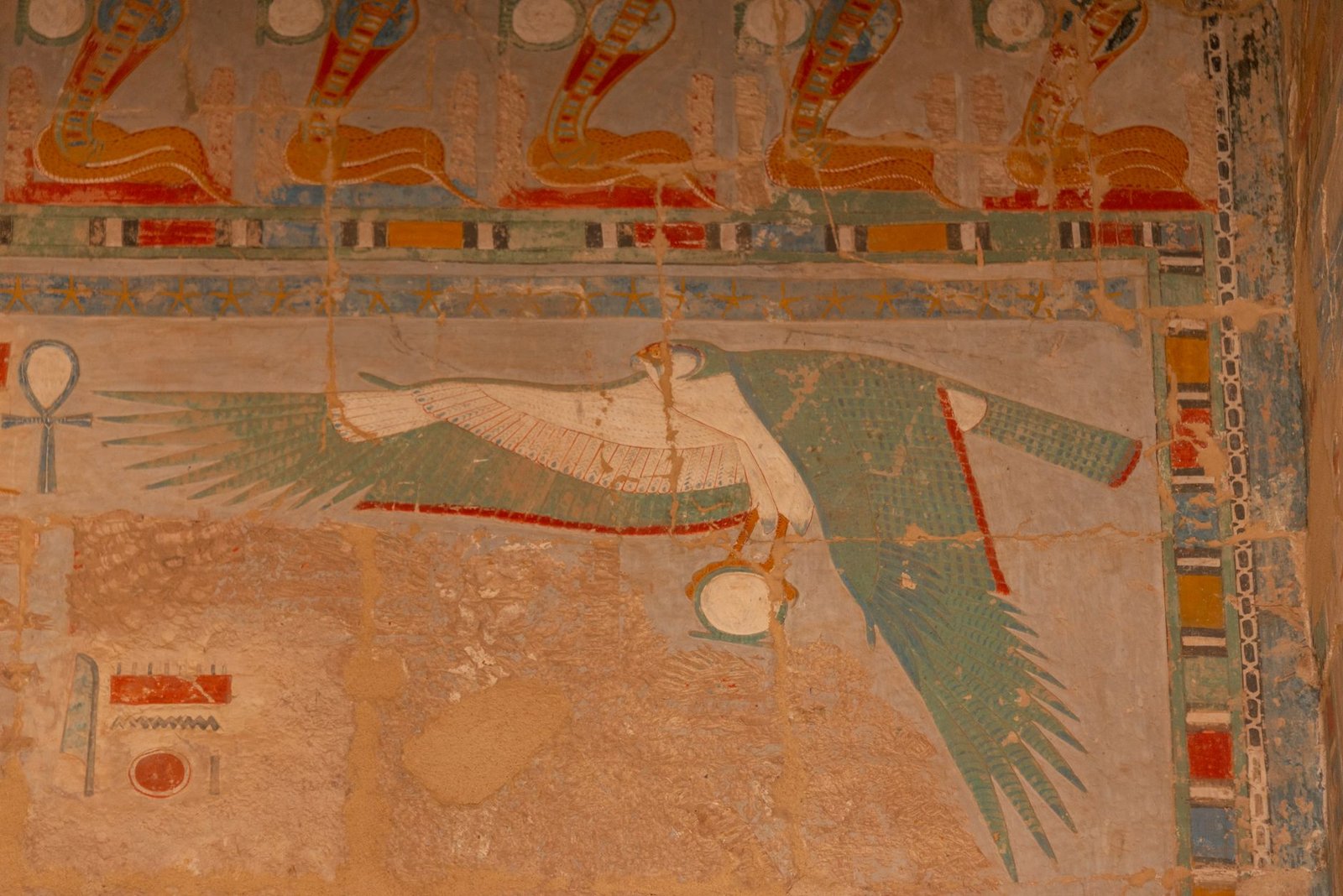
Meretseger in Egyptian mythology was the local goddess of the Theban necropolis, revered as “She Who Loves Silence” and feared as a guardian of tombs and sacred desert spaces. This excerpt explores her origins at Deir el-Medina, her role in punishing wrongdoing and granting healing, and why her cult reveals the close link between landscape, morality, and the dead in ancient Egypt.
What Is the Ennead in Egyptian Mythology?
The ennead in Egyptian mythology refers to a nine-god divine family, most famously the Heliopolitan Ennead centered on Atum and the sun cult of Heliopolis. Its creation myths link the gods, the cosmos, and royal authority, revealing how ancient Egyptians explained order emerging from chaos and why this theology remained influential.
Who Are the Four Sons of Horus in Egyptian Mythology?
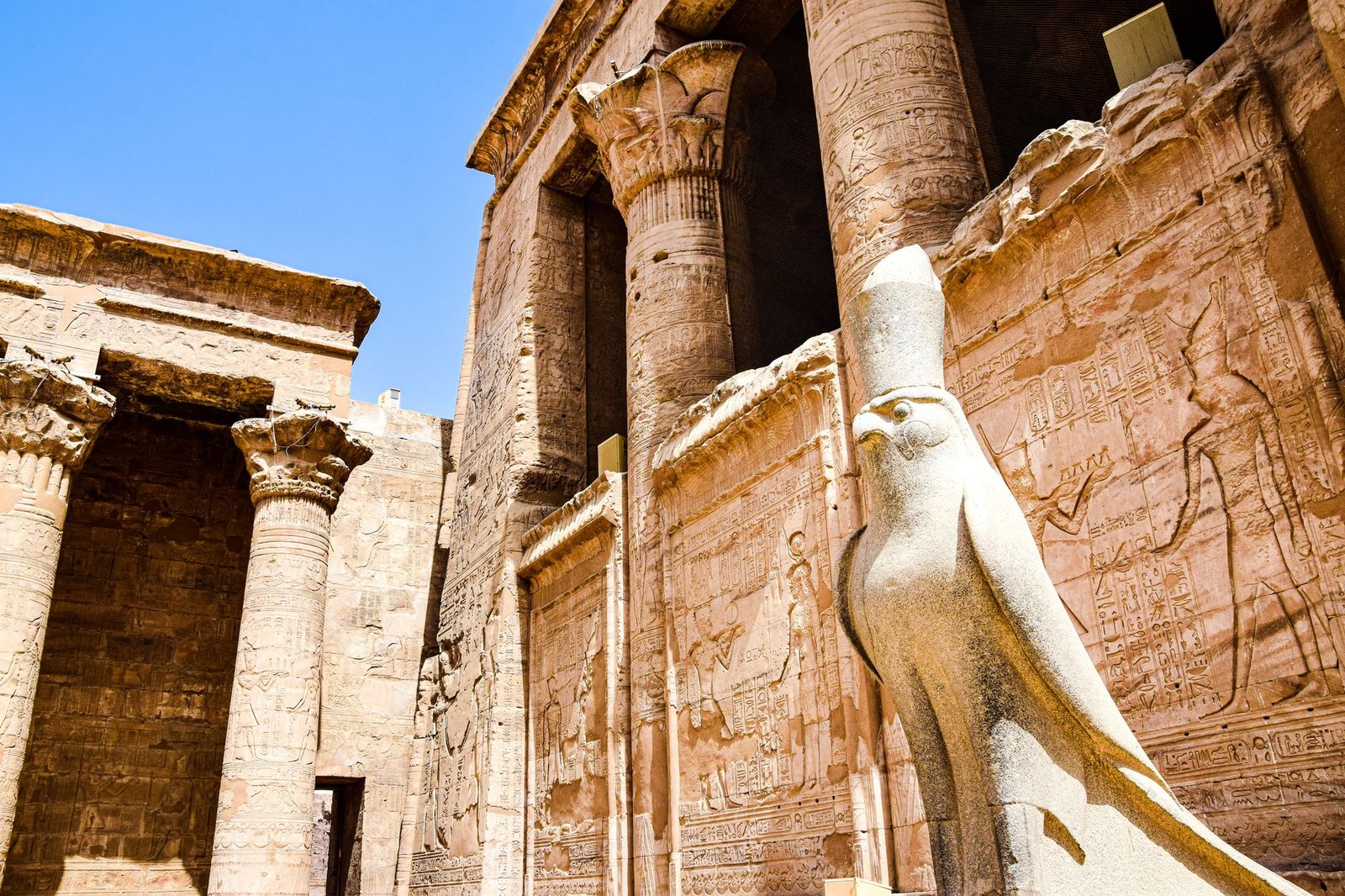
The four sons of Horus in Egyptian mythology—Imsety, Hapy, Duamutef, and Qebehsenuef—were protective deities closely tied to burial rites, canopic jars, and the preservation of the dead. Their roles reveal how ancient Egyptians connected bodily protection, divine guardianship, and the hope of rebirth, making them essential figures in funerary religion.
Who Is the King of the Egyptian Gods? A Clear Answer
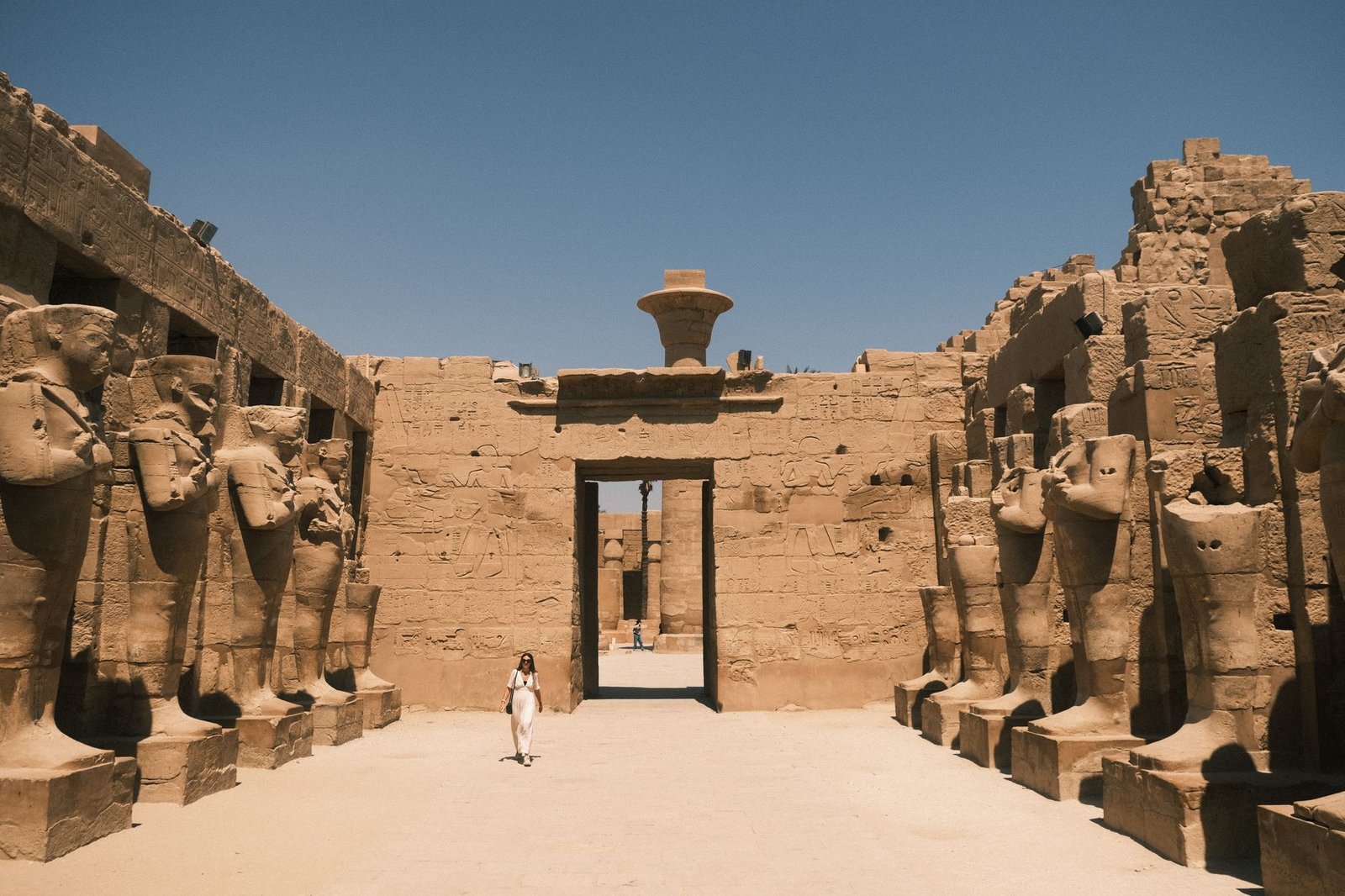
In ancient Egyptian religion, the question of who is the king of the Egyptian gods usually points to Amun-Ra, the powerful fusion of Amun and Ra that came to symbolize divine kingship in the New Kingdom. Yet the answer shifts with time, place, and theology, revealing a complex pantheon where solar creation, hidden power, and royal legitimacy were often intertwined.
What Is the Ogdoad in Egyptian Mythology?
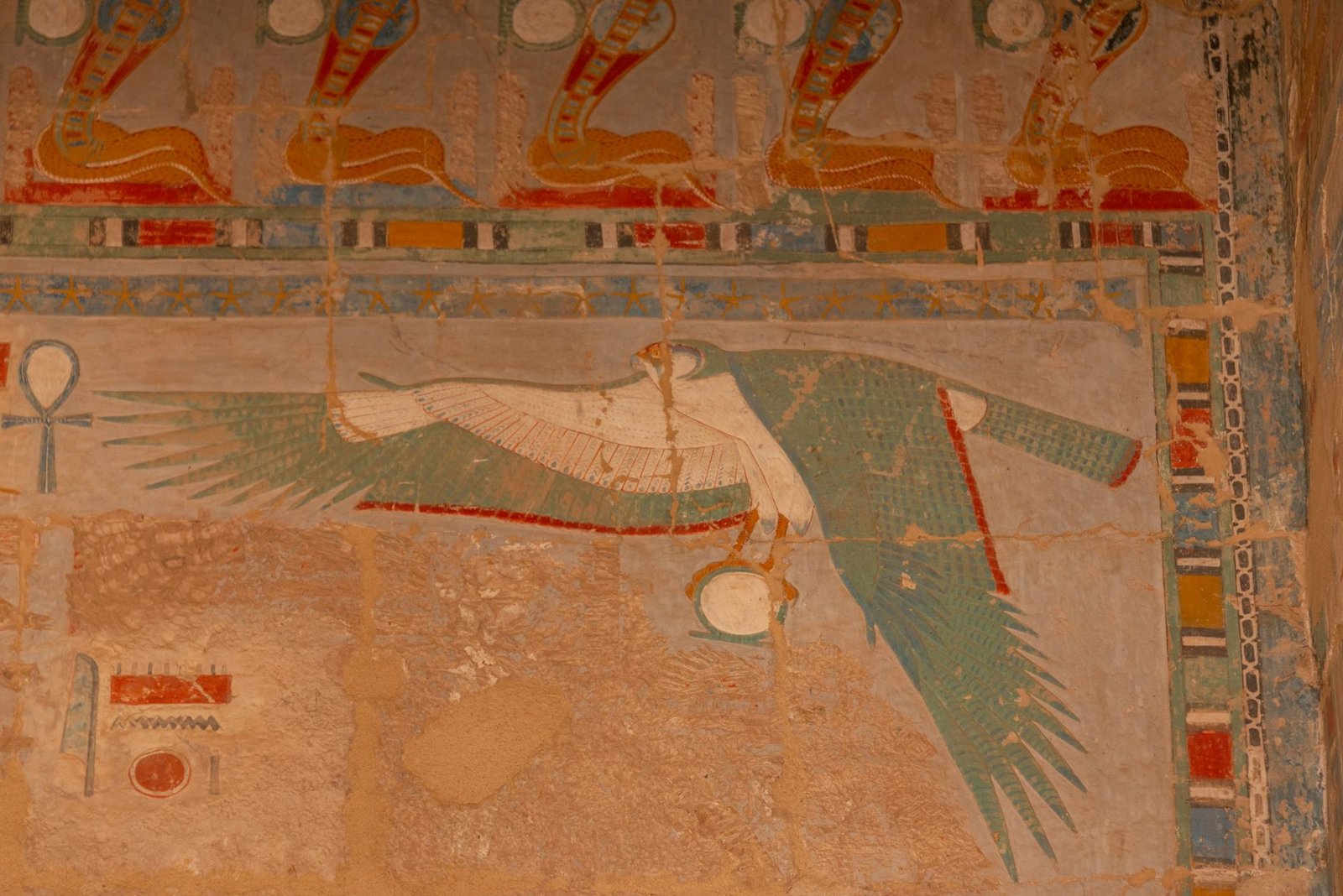
The Ogdoad in Egyptian mythology is a group of eight primordial deities who embodied the dark, watery, hidden state of the universe before creation. Rooted in the theology of Hermopolis, this complex concept reveals how ancient Egyptians explained the emergence of order, and why these deities remain central to understanding their cosmology.
How Many Gods and Goddesses Did Ancient Egyptians Worship?
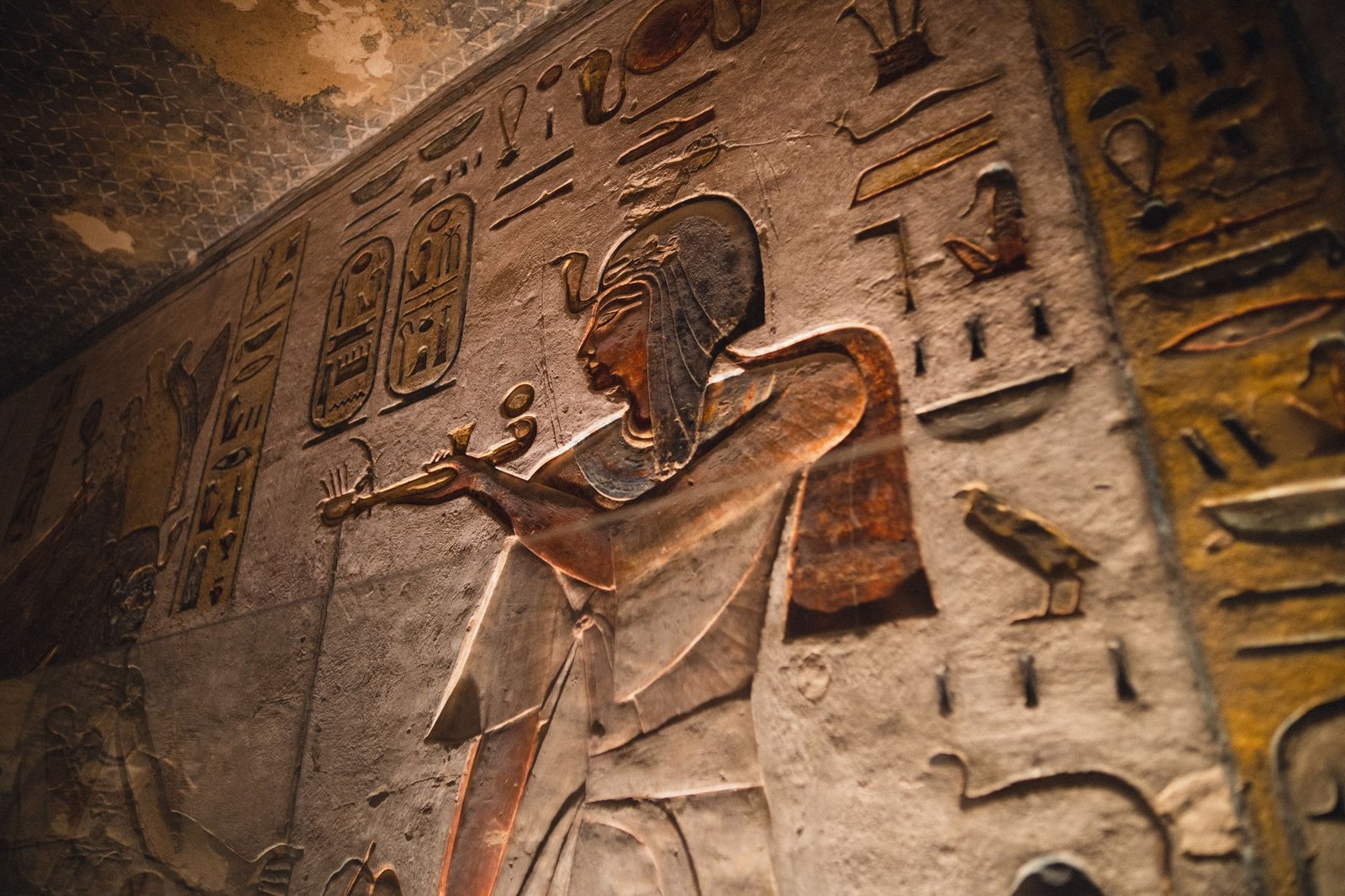
The ancient Egyptians worshipped a vast and changing array of divine beings, so the question how many gods and goddesses did the ancient Egyptians worship has no single exact answer. This article explains how scholars identify hundreds of named deities, from major national gods to local and specialized figures, and why that flexible religious system shaped Egyptian life for millennia.
Egyptian Gods During the Amarna Period: Changes Explained
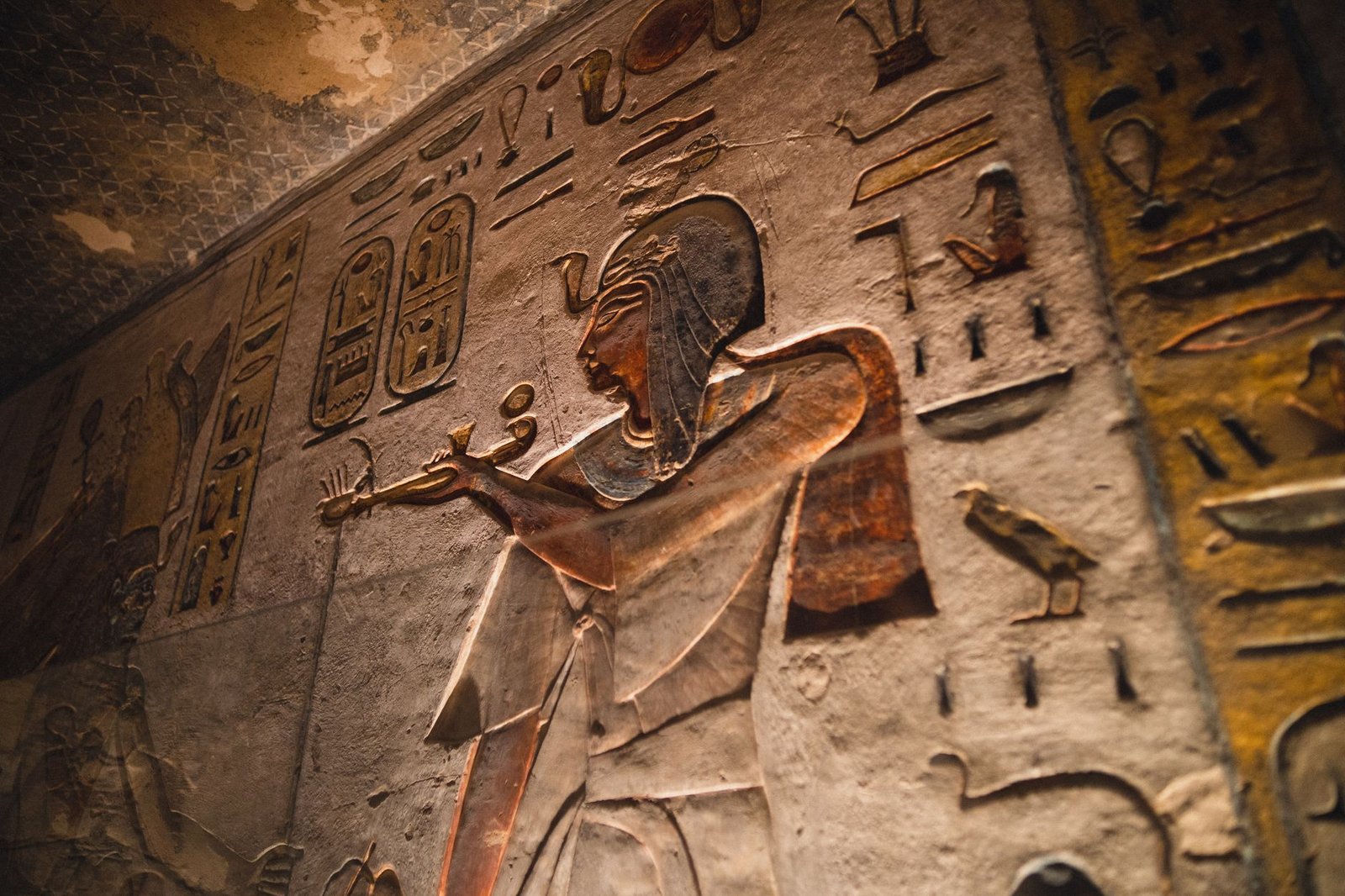
During the Amarna period, the Egyptian gods were not simply replaced but reorganized as Akhenaten elevated the Aten above the traditional pantheon and restricted the public power of major deities such as Amun. This excerpt explains how religious imagery, royal authority, and temple worship were reshaped in ways that still puzzle historians and redefine the meaning of divine kingship.
Why Do Egyptian Gods Have Animal Heads? Explained
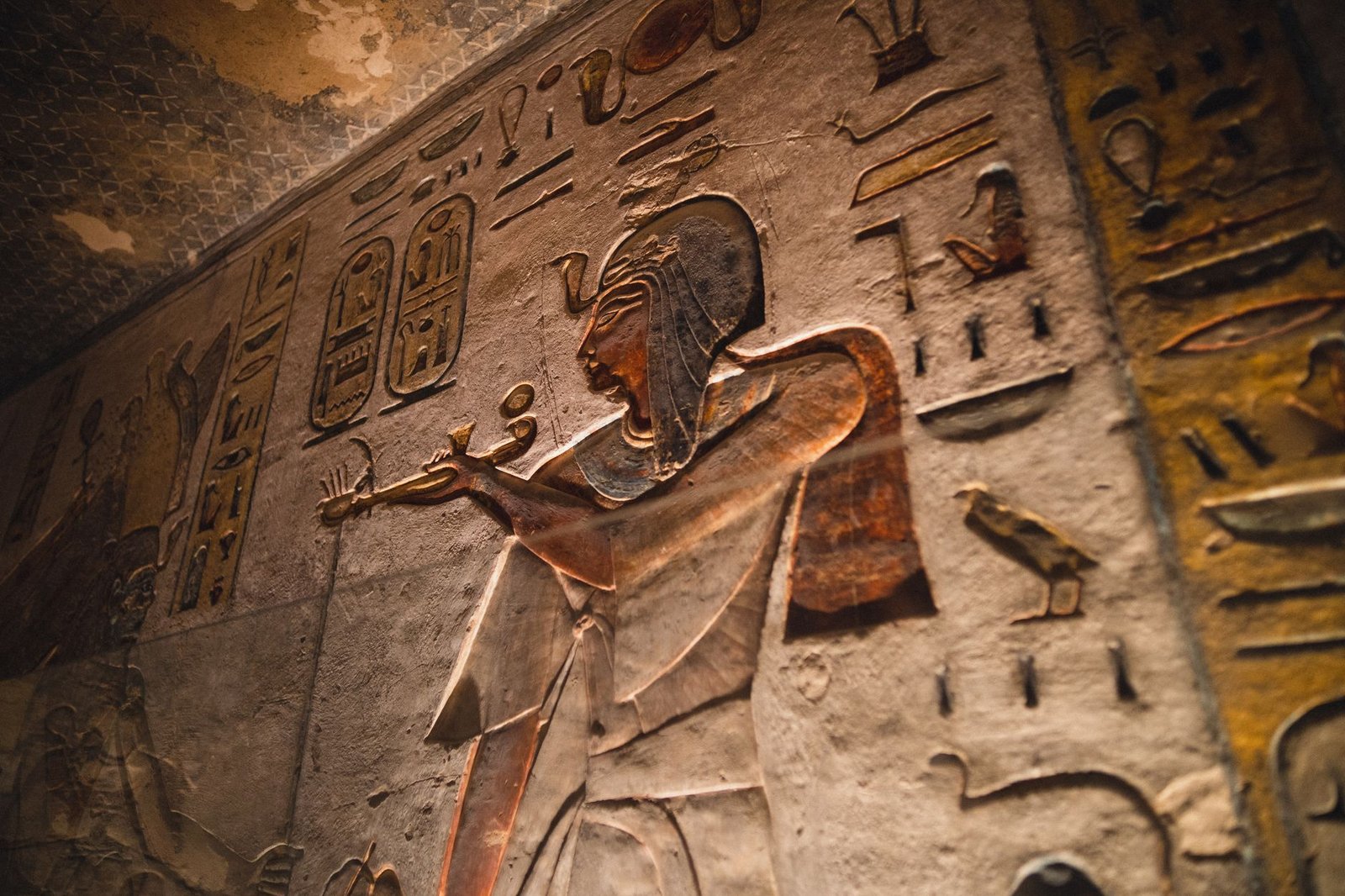
Why do Egyptian gods have animal heads? Ancient Egyptian religion used animal-headed forms to express divine powers, natural forces, and ideal qualities through symbols drawn from everyday life and the Nile world. This article explains how these images developed, what animals like falcons and jackals represented, and why they remain central to understanding Egyptian beliefs.
What Is the Difference Between Amun and Amun-Ra?
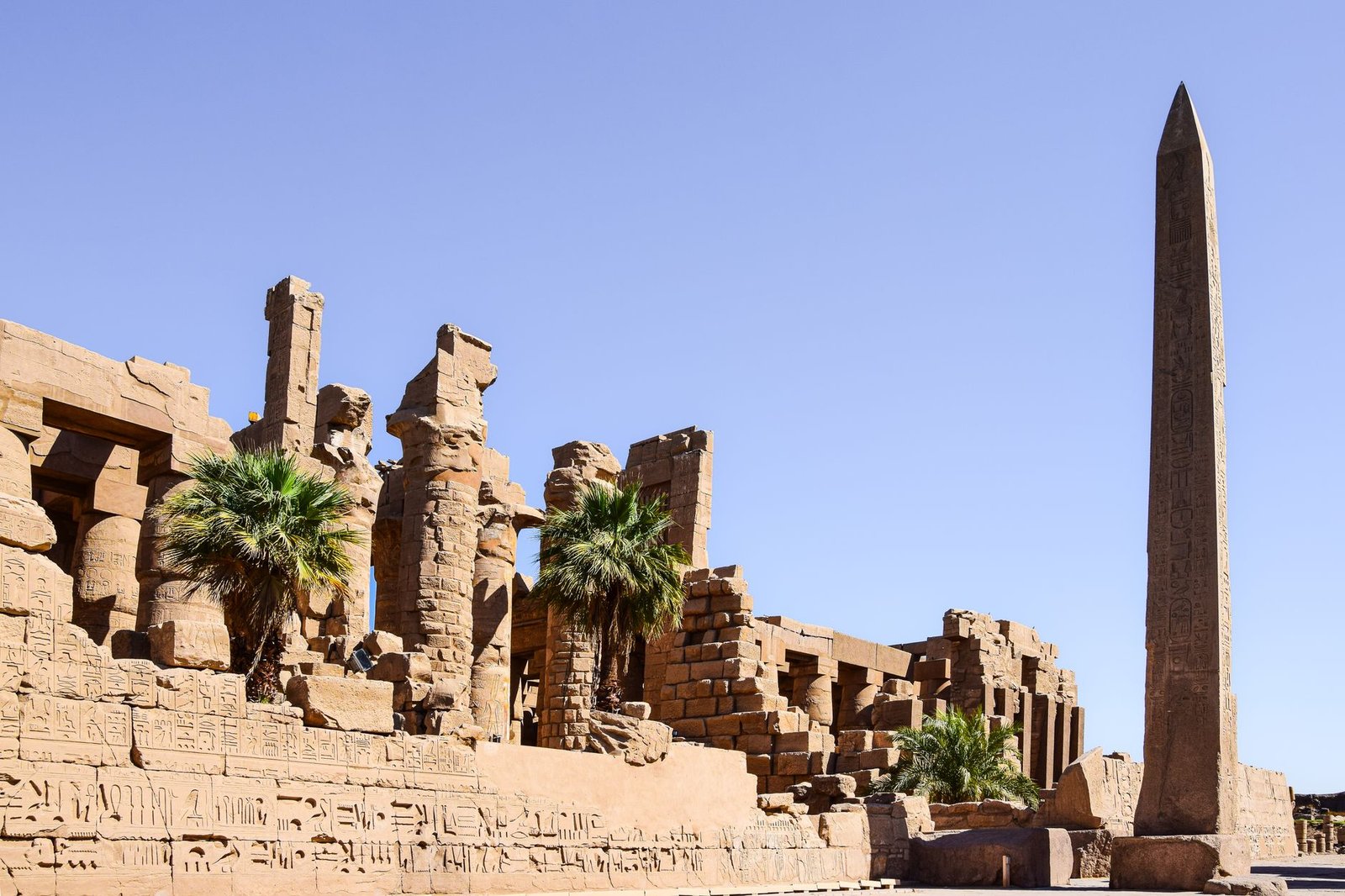
The difference between Amun and Amun-Ra lies in Egyptian religious development: Amun began as the hidden god of Thebes, linked to air and kingship, while Amun-Ra emerged when he was fused with Ra, the sun god. Exploring this transformation reveals how ancient Egyptians blended divine powers and reshaped major deities without abandoning earlier beliefs.