Orin Vale
How Many Gods and Goddesses Did Ancient Egyptians Worship?
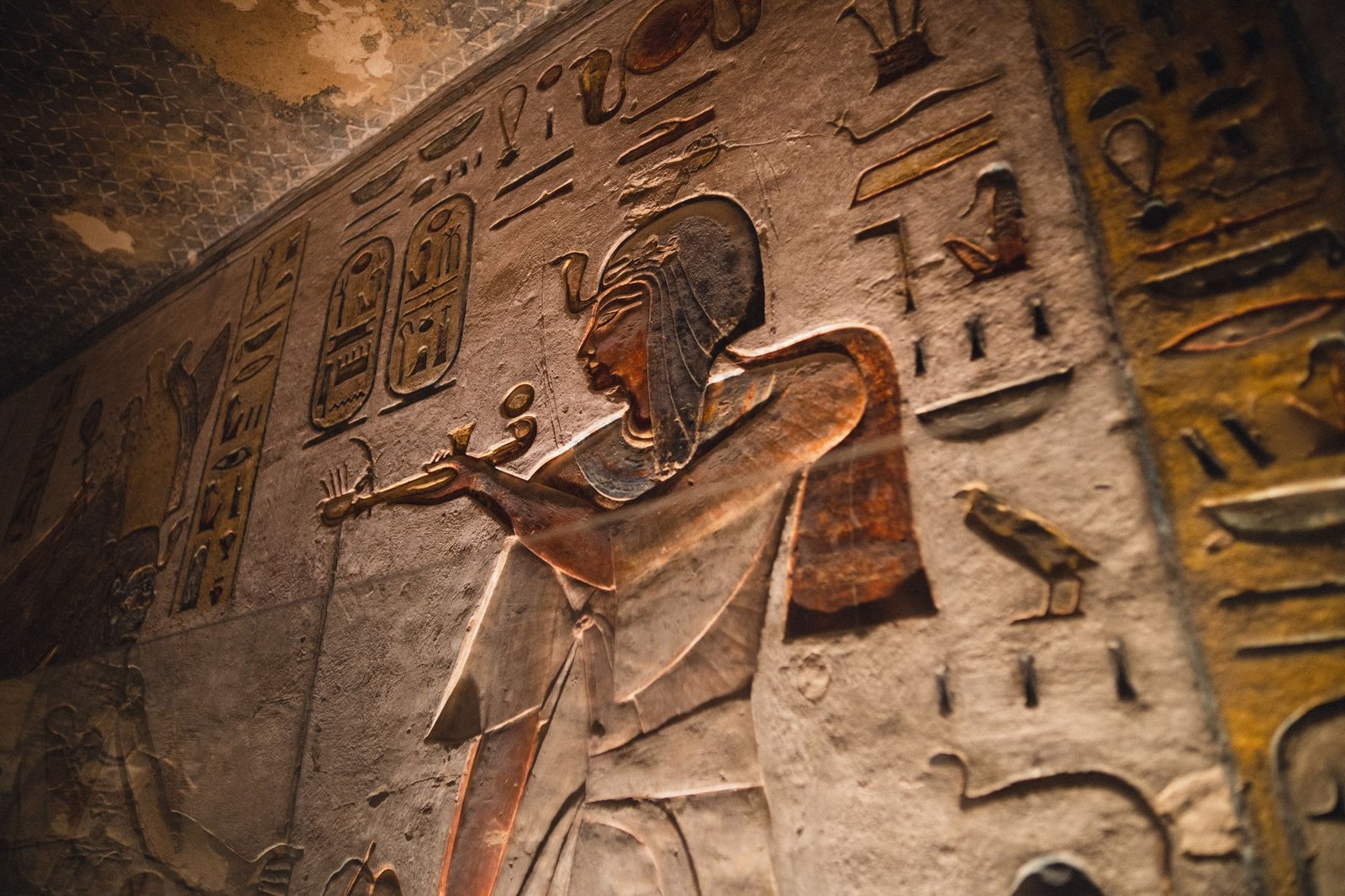
The ancient Egyptians worshipped a vast and changing array of divine beings, so the question how many gods and goddesses did the ancient Egyptians worship has no single exact answer. This article explains how scholars identify hundreds of named deities, from major national gods to local and specialized figures, and why that flexible religious system shaped Egyptian life for millennia.
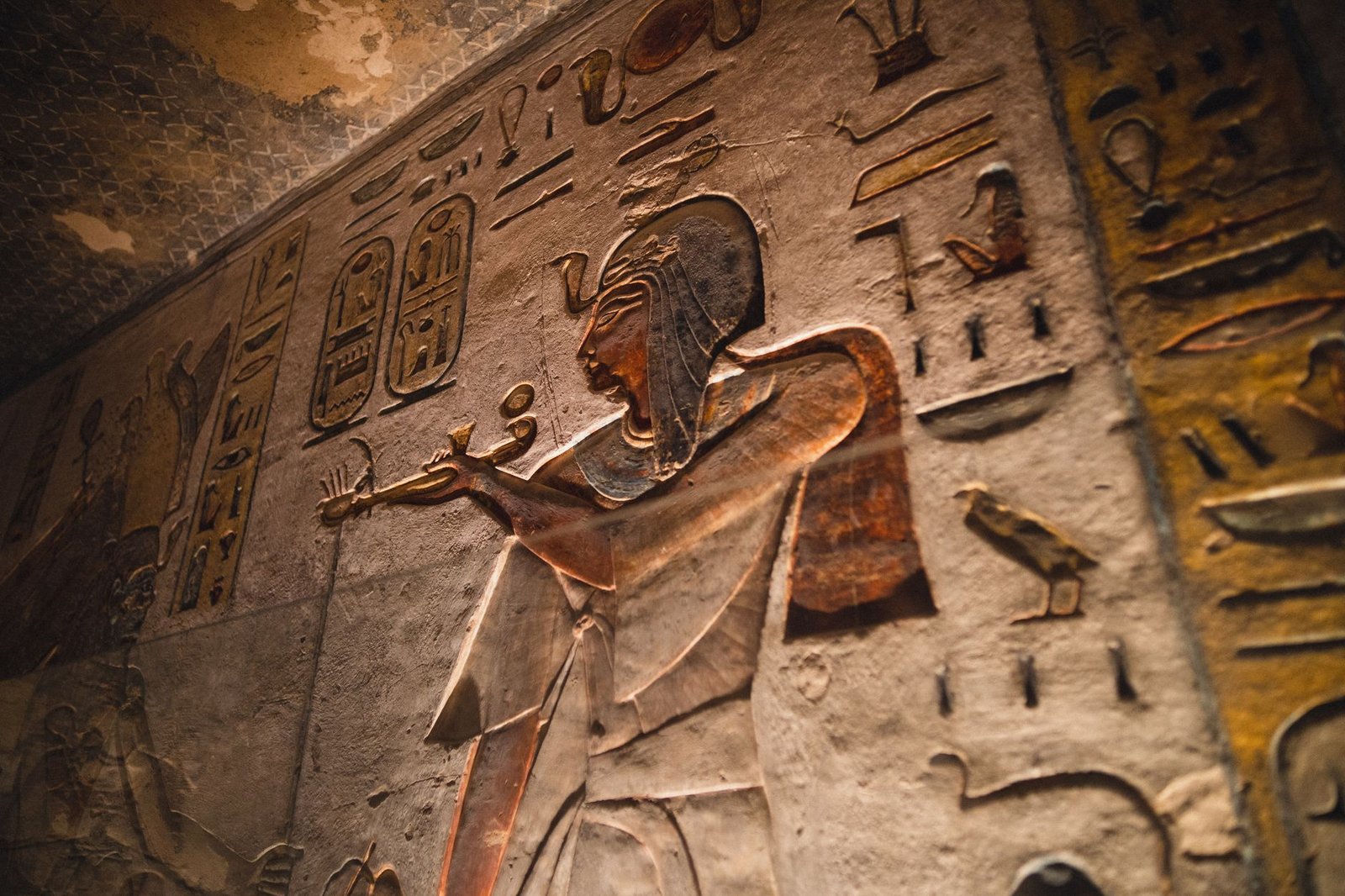
Egyptian Gods During the Amarna Period: Changes Explained
During the Amarna period, the Egyptian gods were not simply replaced but reorganized as Akhenaten elevated the Aten above the traditional pantheon and restricted the public power of major deities such as Amun. This excerpt explains how religious imagery, royal authority, and temple worship were reshaped in ways that still puzzle historians and redefine the meaning of divine kingship.
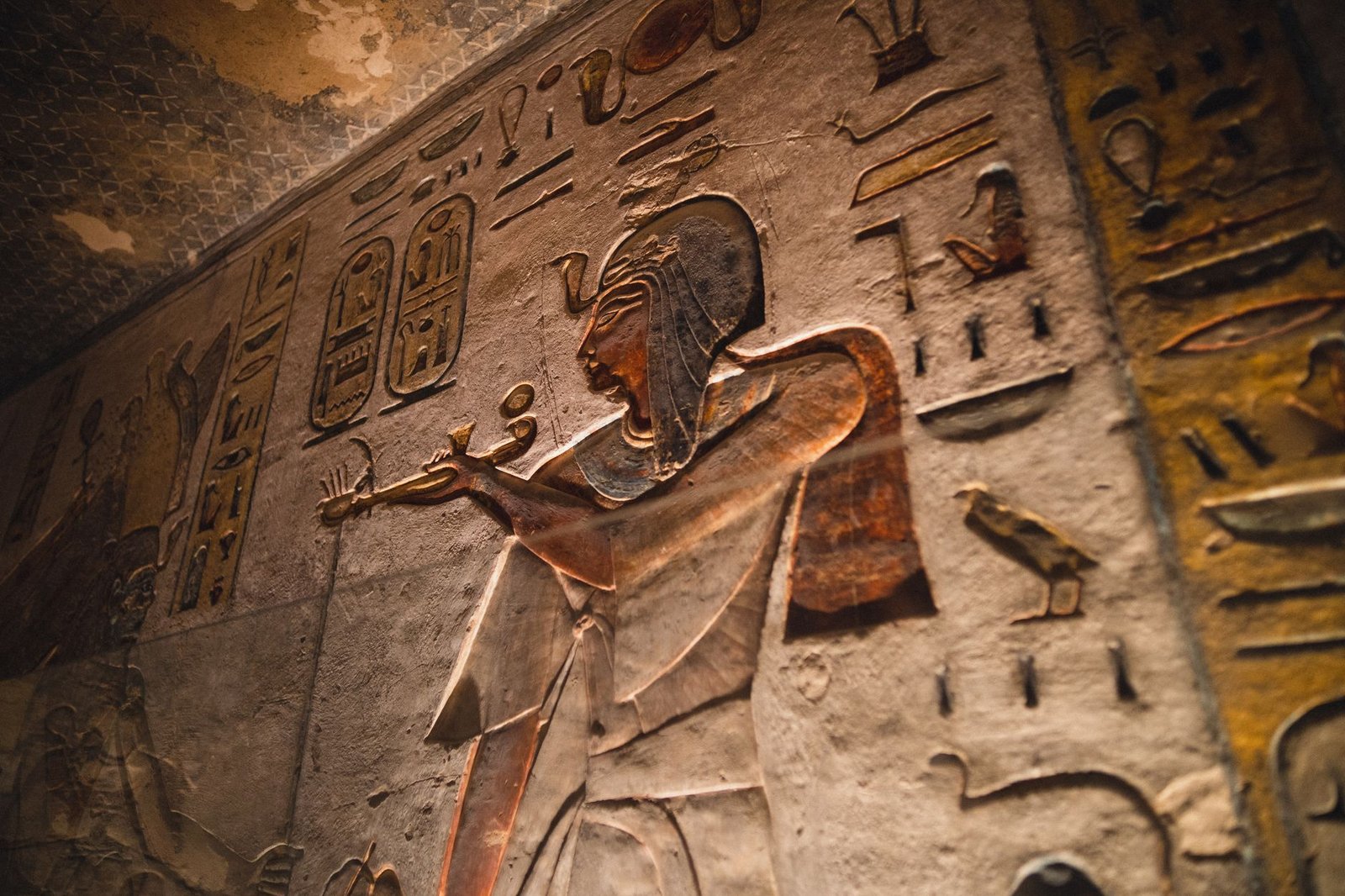
Why Do Egyptian Gods Have Animal Heads? Explained
Why do Egyptian gods have animal heads? Ancient Egyptian religion used animal-headed forms to express divine powers, natural forces, and ideal qualities through symbols drawn from everyday life and the Nile world. This article explains how these images developed, what animals like falcons and jackals represented, and why they remain central to understanding Egyptian beliefs.
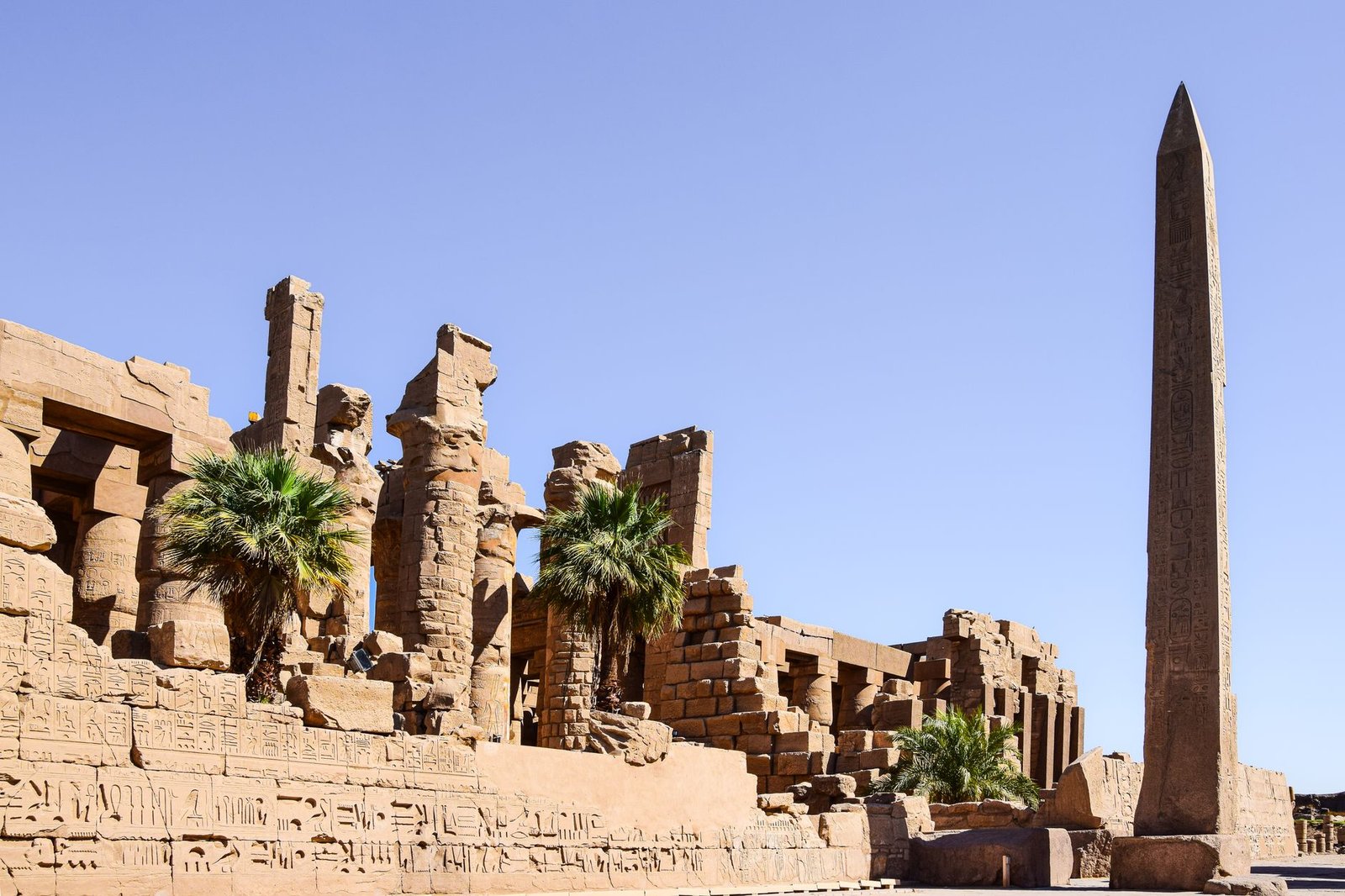
What Is the Difference Between Amun and Amun-Ra?
The difference between Amun and Amun-Ra lies in Egyptian religious development: Amun began as the hidden god of Thebes, linked to air and kingship, while Amun-Ra emerged when he was fused with Ra, the sun god. Exploring this transformation reveals how ancient Egyptians blended divine powers and reshaped major deities without abandoning earlier beliefs.
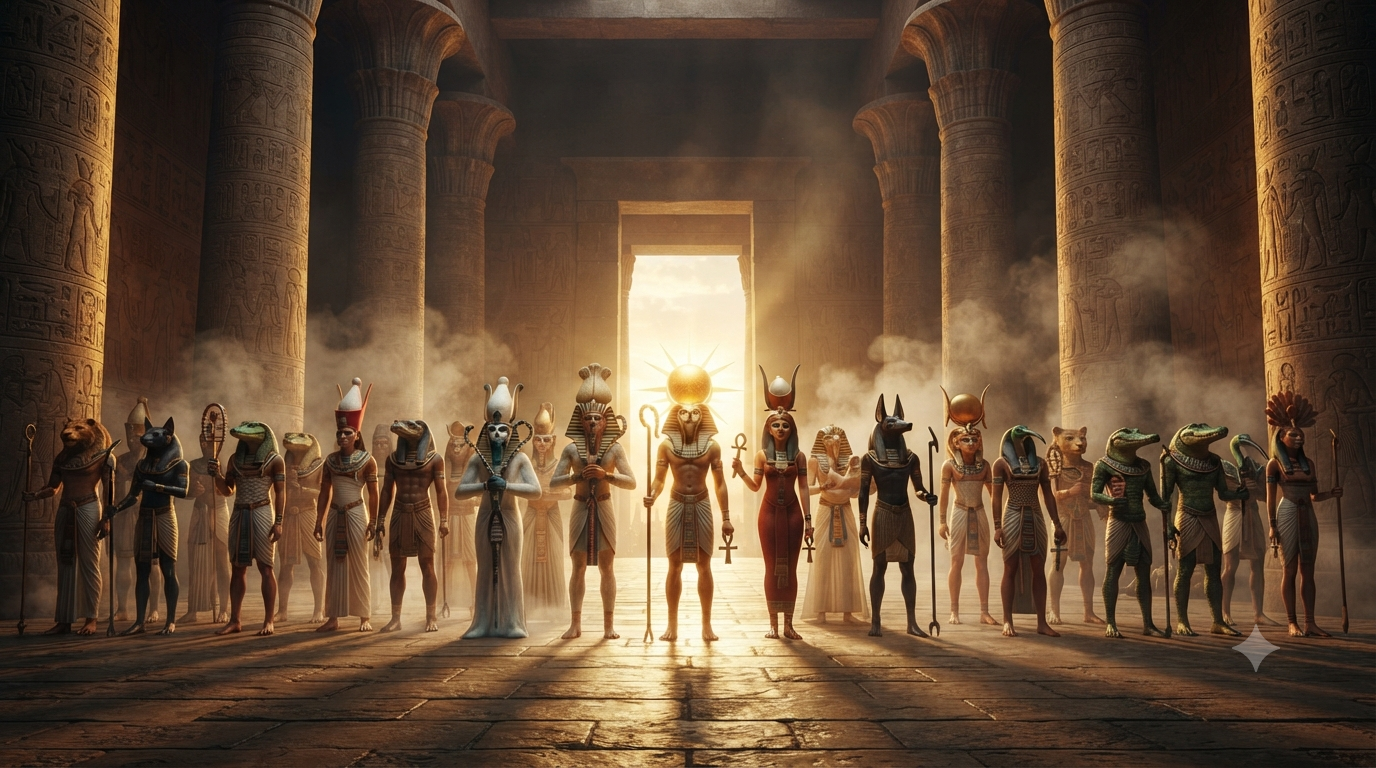
Egyptian Gods and Goddesses: The Complete Guide to Ancient Egypt’s Divine Pantheon
Few belief systems in human history rival the scale and endurance of Egyptian mythology. For more than three thousand years, ...