Celtic Mythology
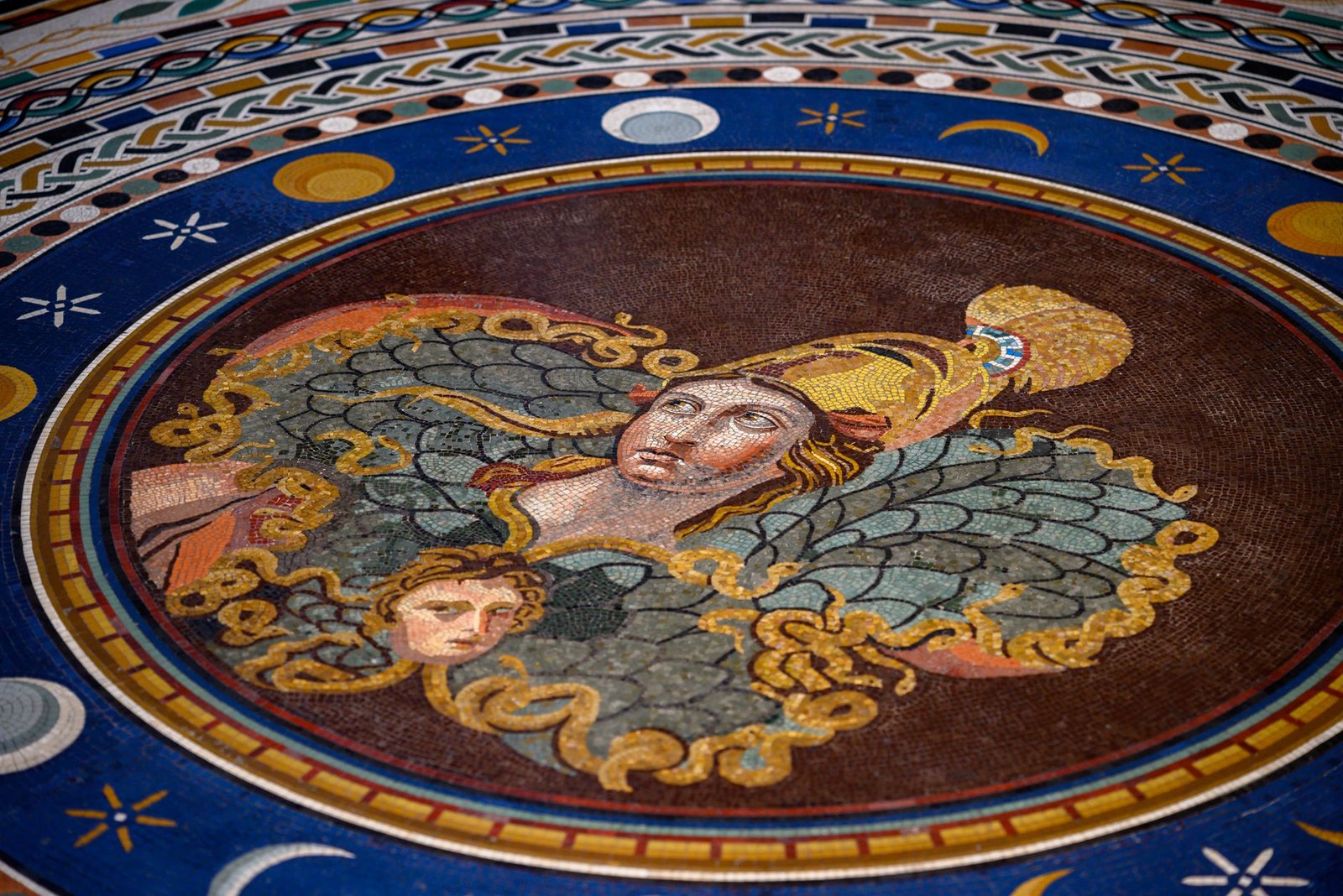
Danu: Celtic Mother Goddess and Mythology Overview
Danu is a name found across Indo-European mythologies, most famously as the possible mother-goddess of the Tuatha Dé Danann in Ireland and as a primordial water figure in Indo-Iranian tradition. Exploring Danu reveals how ancient river names, fertility symbolism, and shifting mythic roles point to a deeper history that links language, landscape, and divine ancestry.
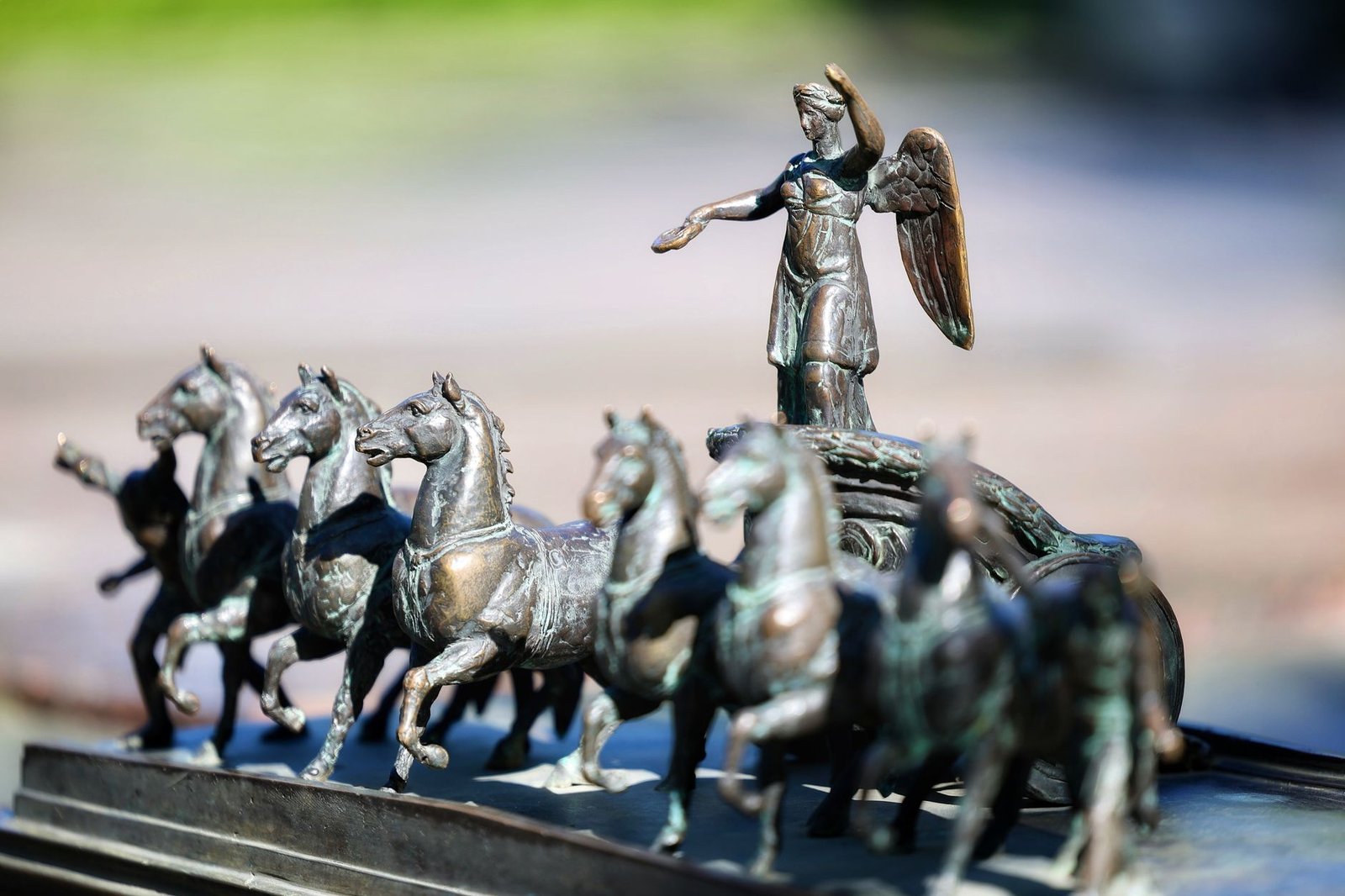
Cliodhna: Irish Goddess of Beauty and the Otherworld
Cliodhna, also spelled Clíodhna, is a major figure in Irish mythology whose identity shifts between sea deity, fairy queen, and otherworldly woman. Her stories reveal how ancient ideas of beauty, sovereignty, love, and the boundary between human and supernatural life survived in Irish tradition, inviting closer attention to her changing roles.
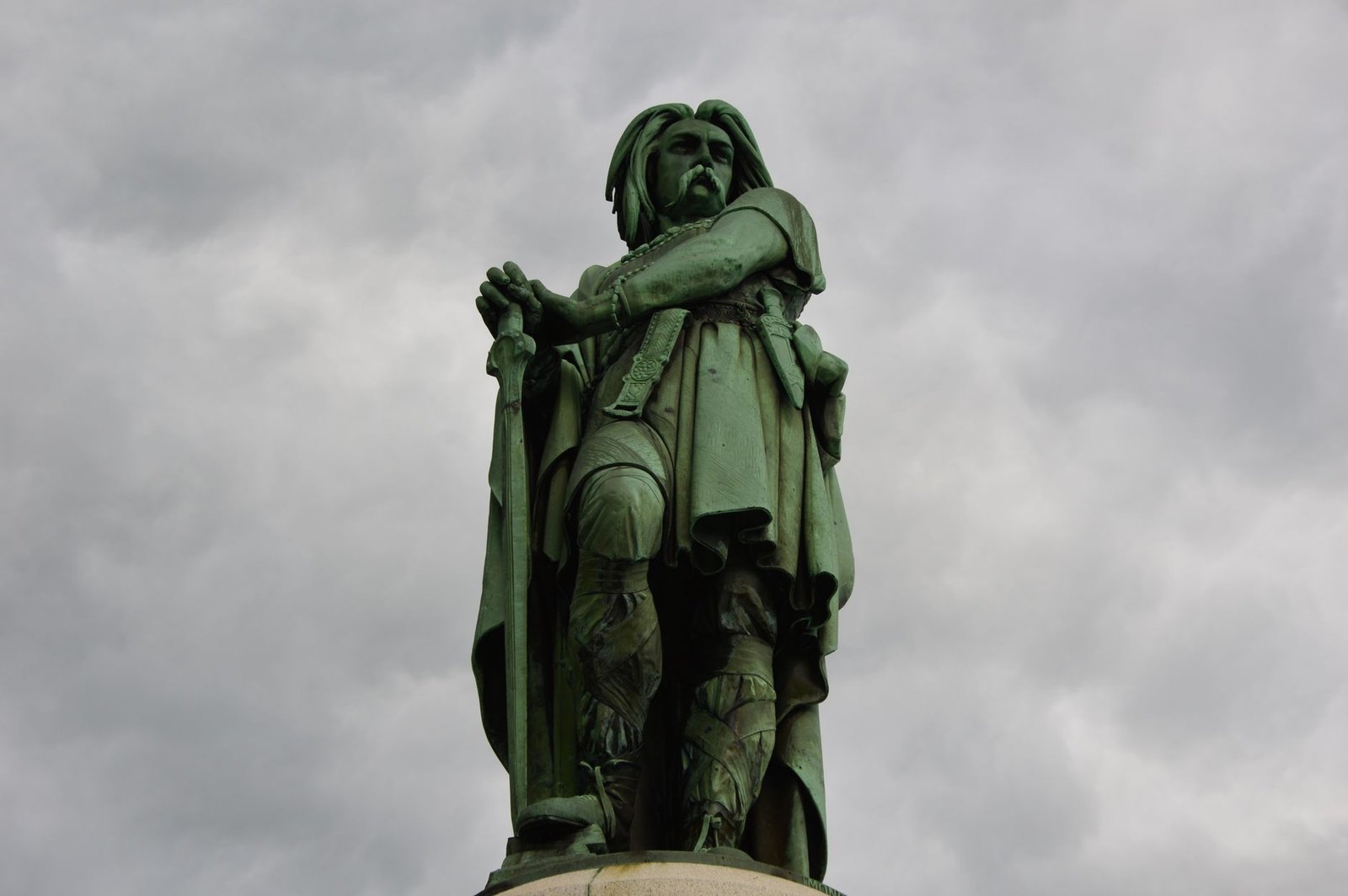
Chief God in Celtic Mythology: Who Is the Main Deity?
The question of who is the chief god in Celtic mythology has no single answer, since Celtic religion varied across Ireland, Britain, Gaul, and other regions. This article examines the Dagda, often seen as the leading god in Irish tradition, and Lugus or Lug, a major candidate for a pan-Celtic high god, to show how divine authority was understood in different Celtic worlds.
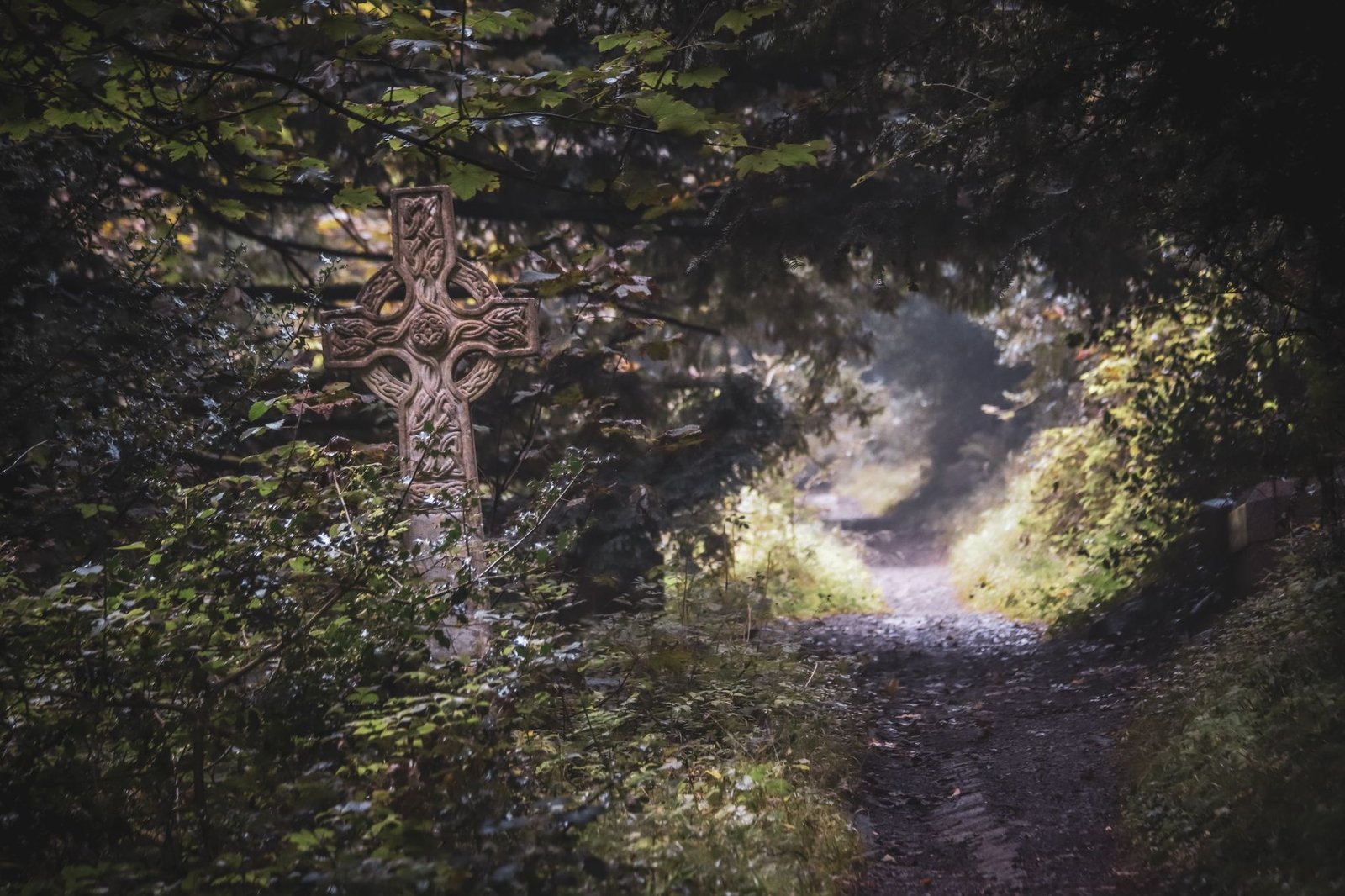
Celtic Gods vs. Celtic Heroes: Key Differences
The difference between Celtic gods and Celtic heroes lies in their status, function, and place within myth: gods are divine powers tied to sovereignty, nature, and the otherworld, while heroes are extraordinary mortals or near-mortals celebrated for lineage and deeds. Exploring this distinction reveals how Celtic traditions blurred sacred and human roles, and why some figures remain difficult to classify with certainty.
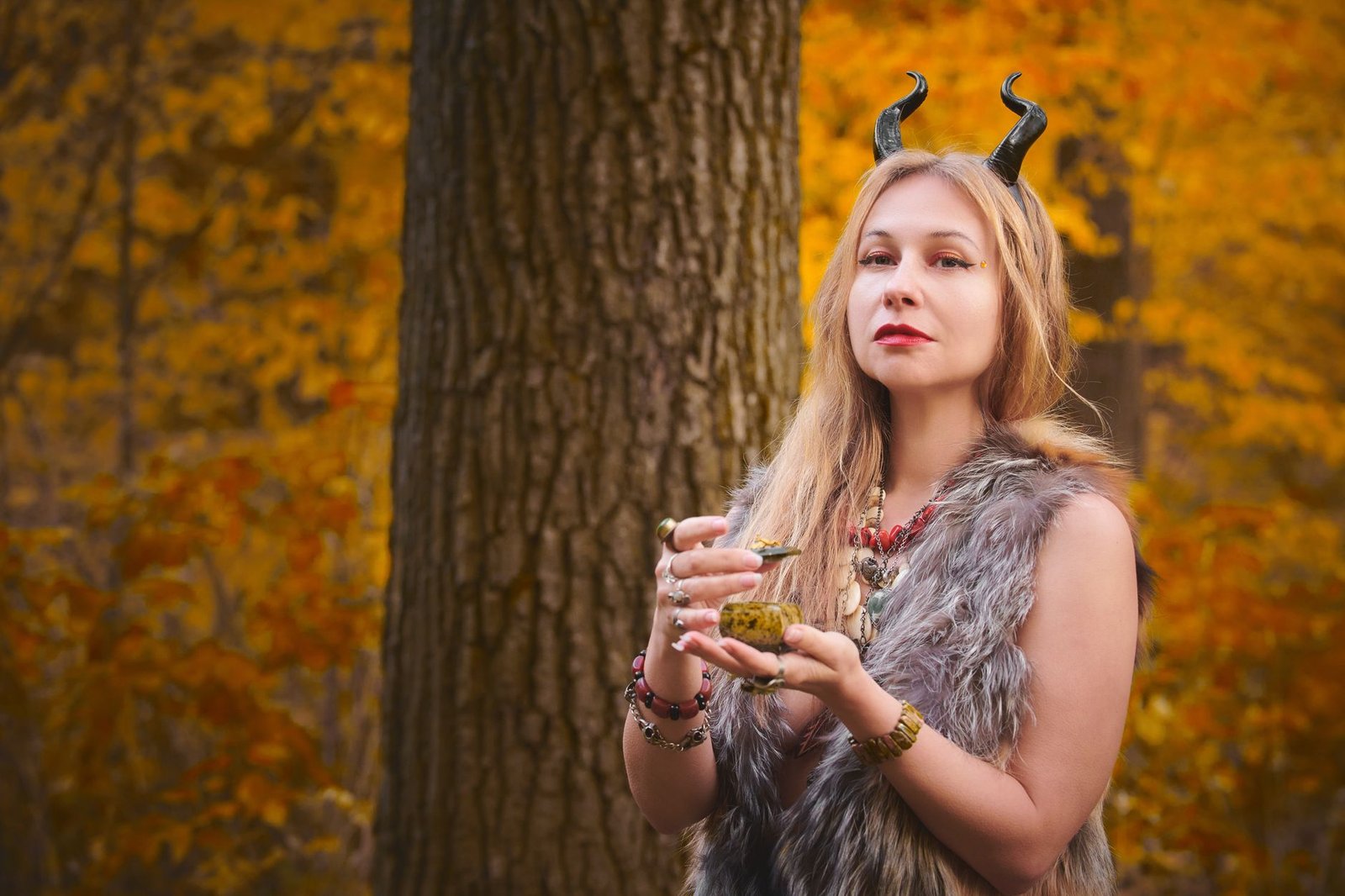
Cerridwen: Welsh Goddess, Myth, and Legend
Cerridwen is a central figure in Welsh mythology, known as a powerful enchantress linked to inspiration, prophecy, transformation, and the cauldron of knowledge. Her presence in medieval texts such as the *Tales of Taliesin* has made her a lasting symbol of feminine sovereignty and hidden wisdom, inviting closer study of her elusive origins and cultural significance.
Brigid: Irish Goddess, Saint, and Cultural Symbol
Brigid is one of the most significant figures in Irish tradition, bridging pre-Christian mythology and Christian devotion through the goddess of fertility, healing, poetry, and sacred fire, and the revered Saint Brigid of Kildare. Her enduring influence, contested origins, and links to language, ritual, and legend make Brigid a central figure in understanding Ireland’s religious and cultural history.
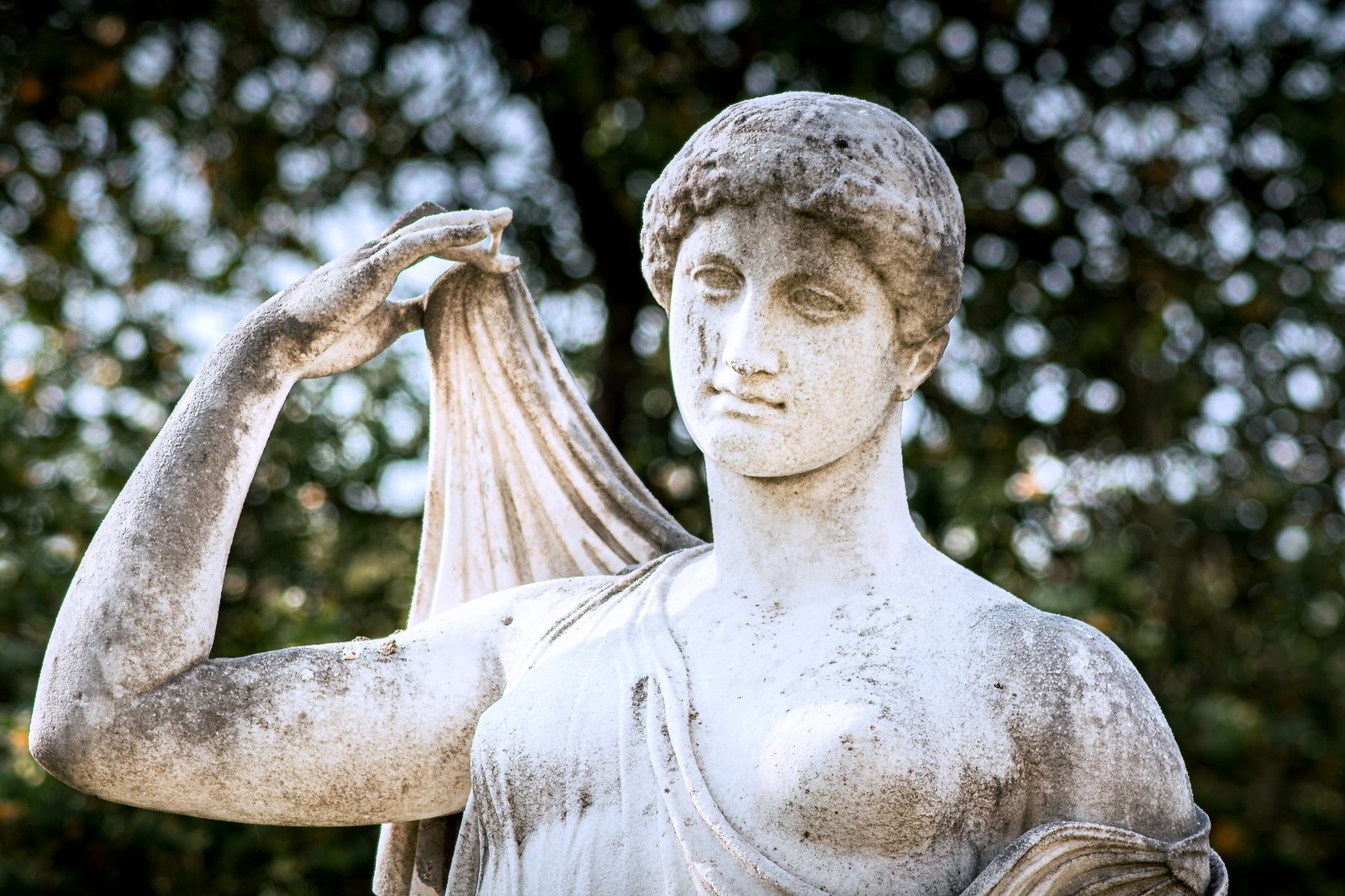
Branwen: Welsh Mythology Character and Legend
Branwen is a central figure in Welsh mythology, best known from *The Mabinogion* and the tragic tale *Branwen ferch Llŷr*, where marriage, humiliation, and war reveal the tensions of kinship, sovereignty, and female endurance. Her name, often read as “white raven” or “blessed raven,” hints at the symbolic depth that makes her story essential to understanding early Celtic legend.

Boann: Celtic Goddess of the River Boyne
Boann is a central figure in Irish mythology, associated with the River Boyne, fertility, wisdom, and sacred waters. Her story, preserved in medieval Irish tradition, reveals how a goddess, a landscape, and ideas of divine knowledge became intertwined in ancient Ireland, inviting closer study of her shifting roles and meanings.
Bran the Blessed: Welsh Mythological King and Giant
Bran the Blessed, or Bendigeidfran, stands at the heart of the Second Branch of the Mabinogi as a giant king whose power, hospitality, and sacrifice shape one of medieval Wales’s most influential legends. His story links raven symbolism, sacred kingship, and tragic warfare, offering a striking window into the mythic and cultural imagination behind the Mabinogion.
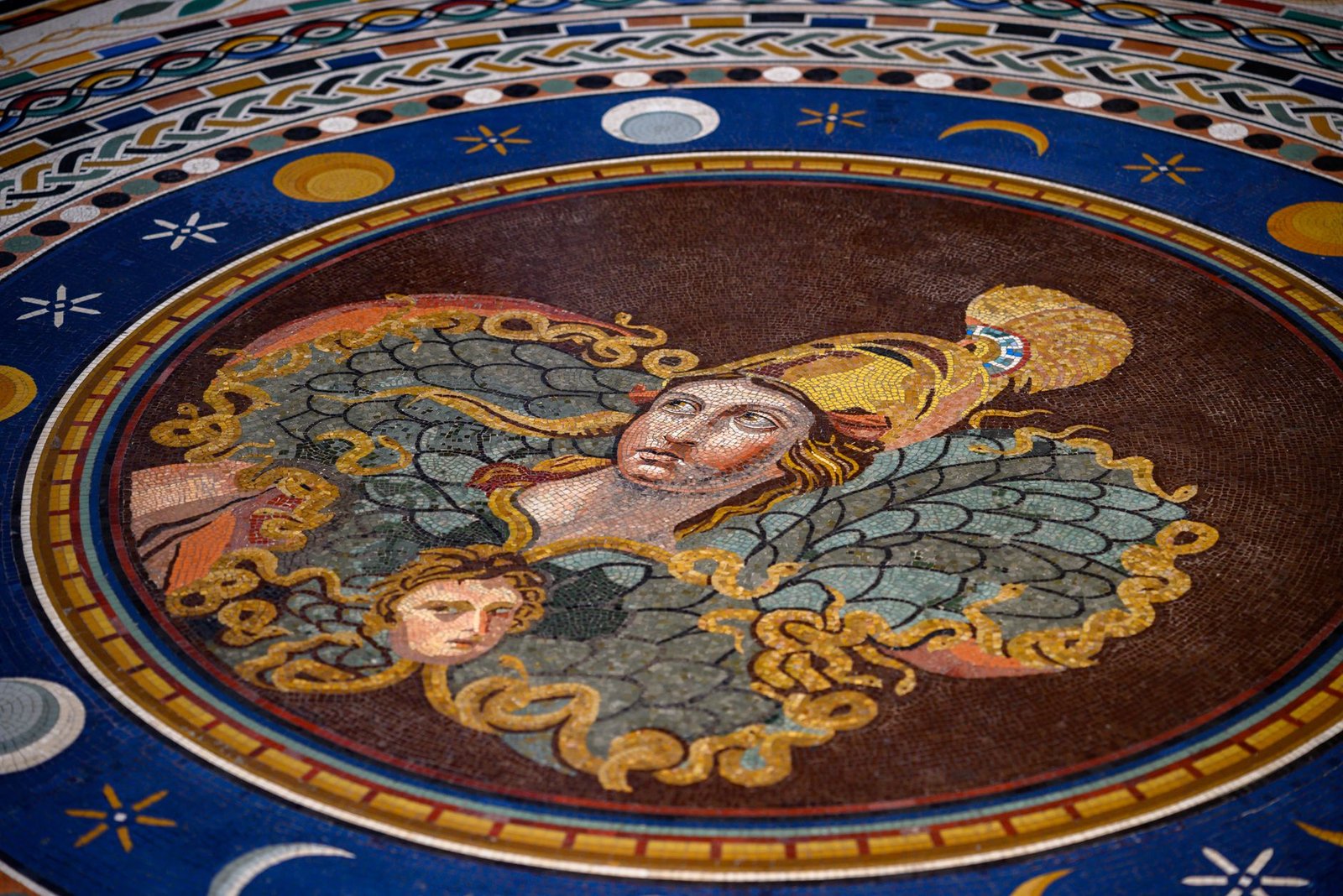
Badb: Celtic Goddess and Mythological Figure
Badb is a central figure in Irish mythology, a war goddess and prophetic being associated with battle frenzy, death, and sovereignty. Often appearing as a crow over the battlefield, she links terror with foresight, and her role in the Morrígna reveals how early Irish tradition understood war, kingship, and the supernatural.