Egyptian Mythology
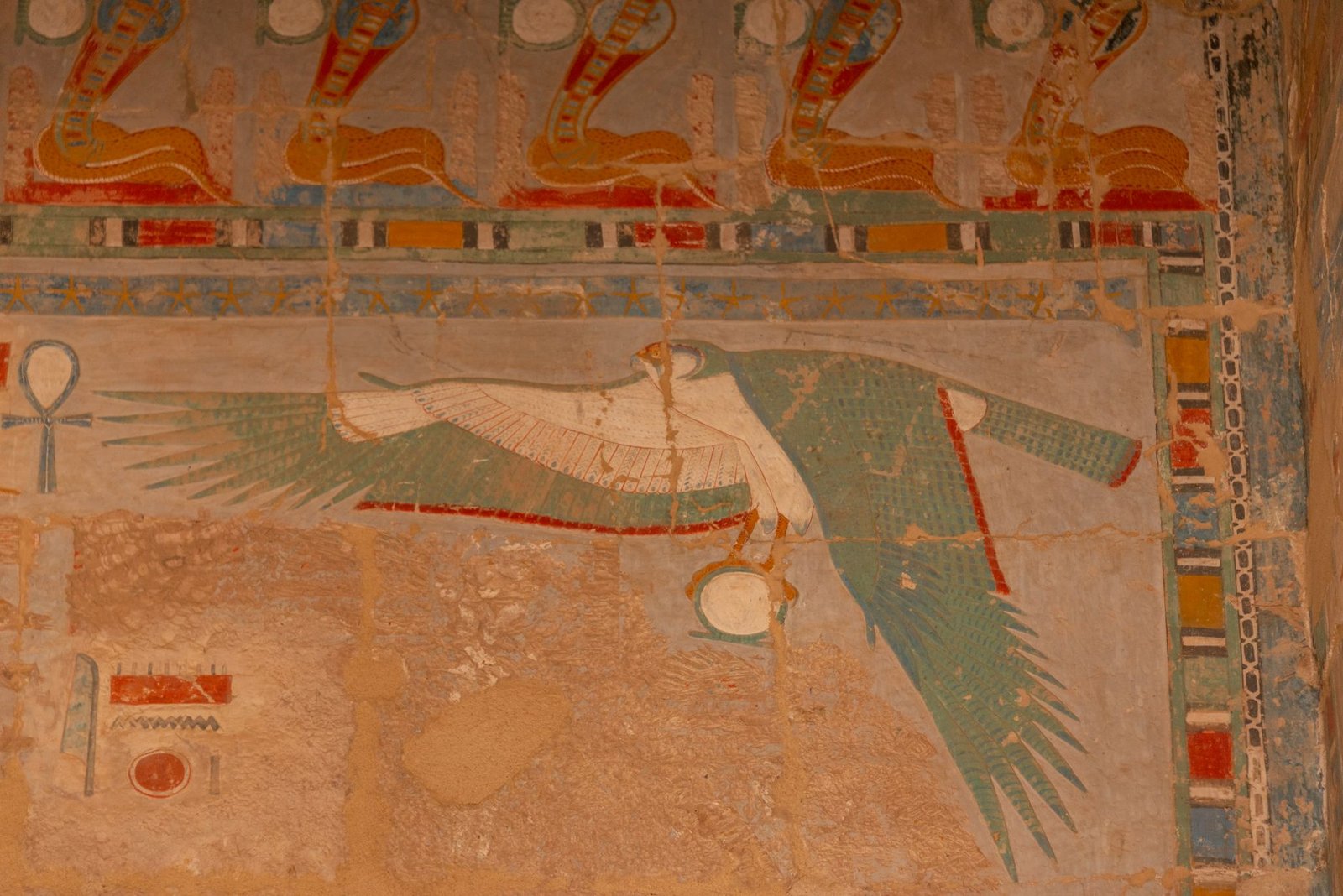
Who Is Mut in Egyptian Mythology? An Encyclopedia Guide
Mut, one of the most important goddesses in ancient Egyptian religion, was revered as a mother figure, royal protector, and powerful divine presence in Thebes. To understand who is Mut in Egyptian mythology is to trace how a goddess of motherhood became a central force in the Theban triad with Amun and Khonsu, and how her role evolved across Egyptian history.
Renenutet in Egyptian Mythology: Goddess of Harvest
Renenutet in Egyptian mythology is a goddess of nourishment, harvest, fertility, and protection, closely tied to grain, granaries, and the life-giving force of food. This article traces her name, origins, and evolving role in religion and society, revealing how a lesser-known deity came to symbolize both sustenance and safeguarding.
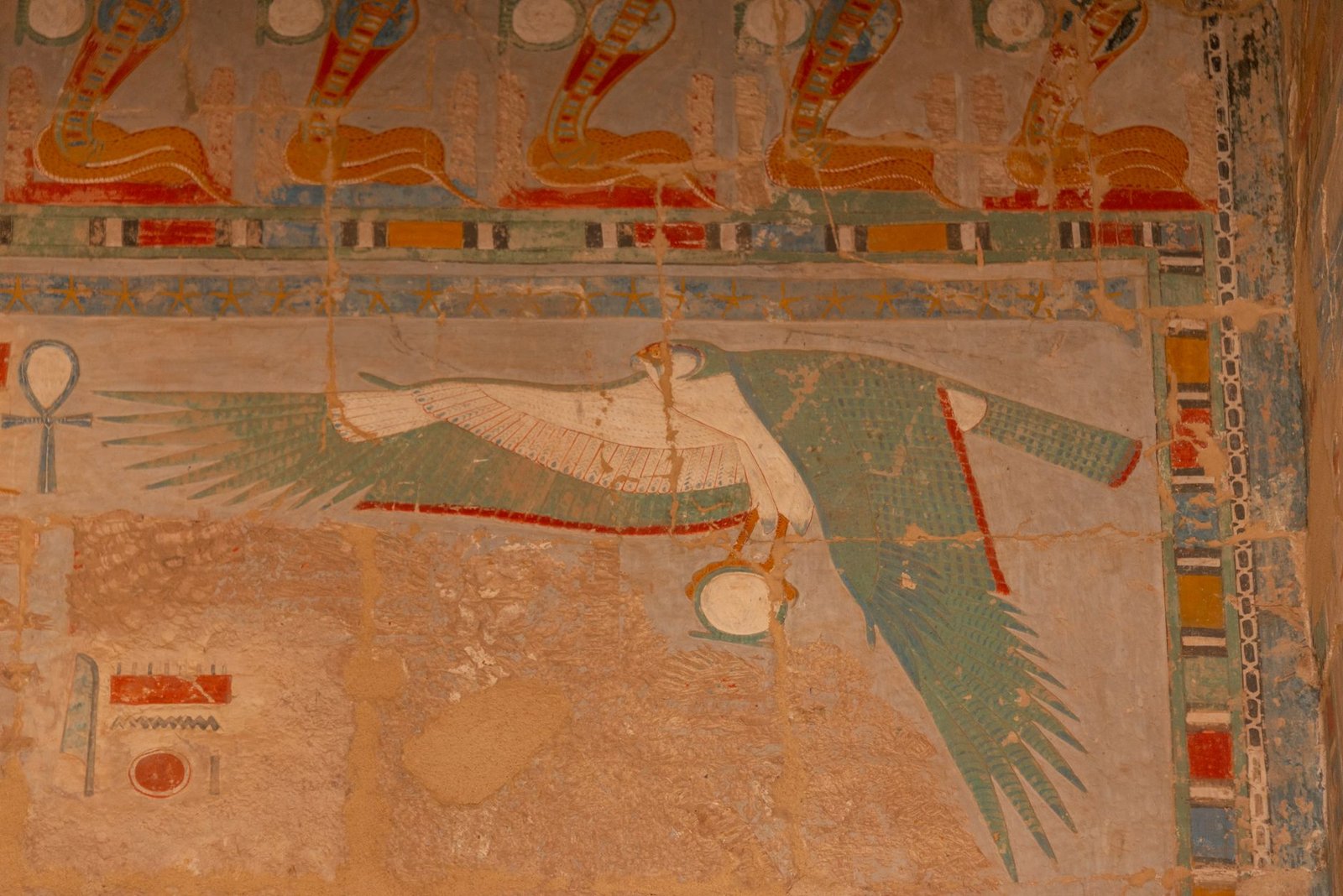
Who Is Hapi in Egyptian Mythology? Meaning and Role
Who is Hapi in Egyptian mythology? He is best known as the benevolent god of the Nile’s annual flood, a deity tied to fertility, abundance, and the renewal that made Egyptian civilization possible. This article explores his role, symbolism, and the reasons his name also appears in other religious contexts.
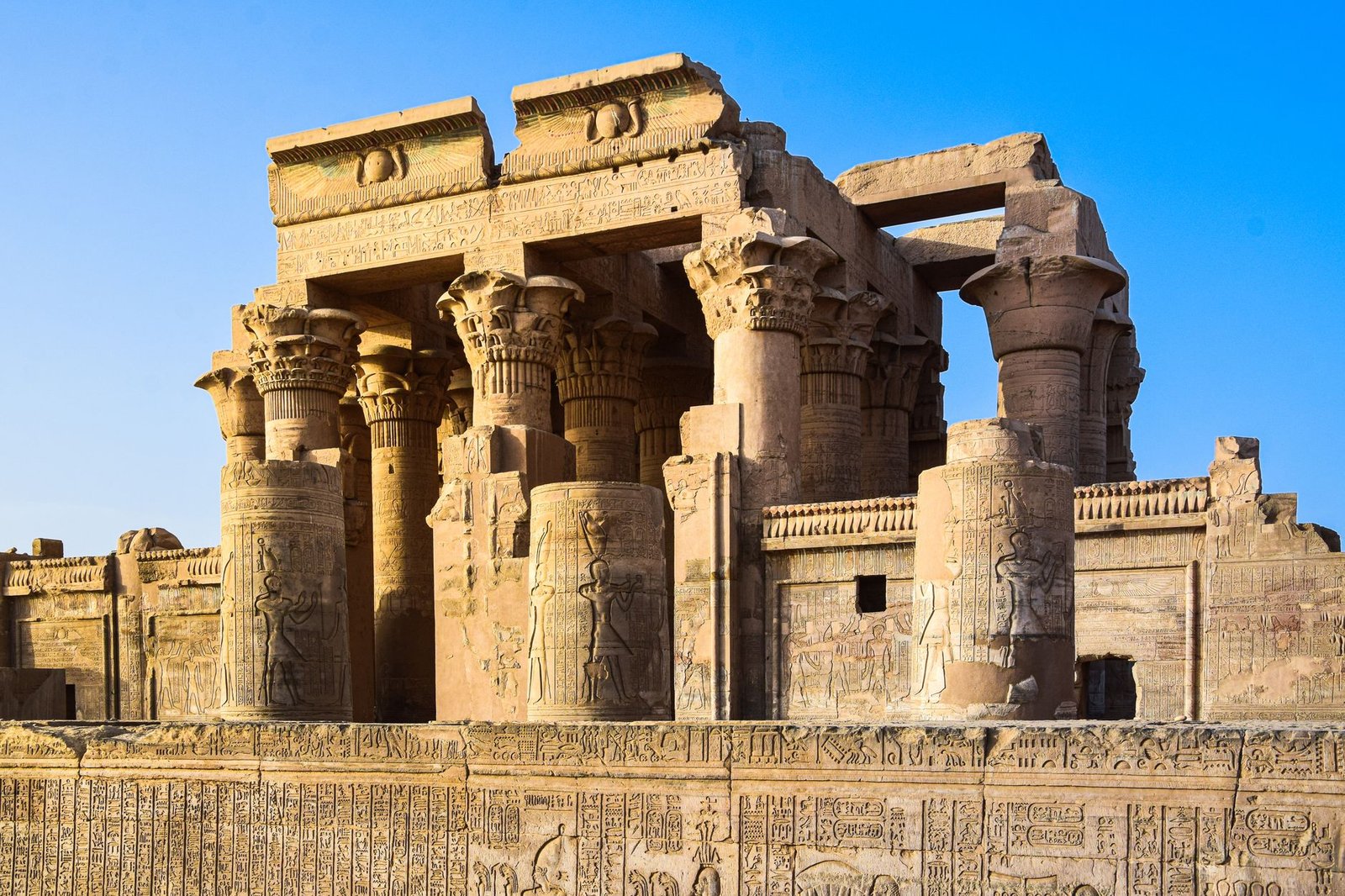
Who Is Sobek in Egyptian Mythology? God of the Nile
Sobek is a major figure in Egyptian mythology, usually depicted as a crocodile or a man with a crocodile head, and linked to the Nile, fertility, protection, and formidable natural power. His changing roles across regions and eras reveal why this ancient god mattered so deeply to Egyptian religion, kingship, and daily life.
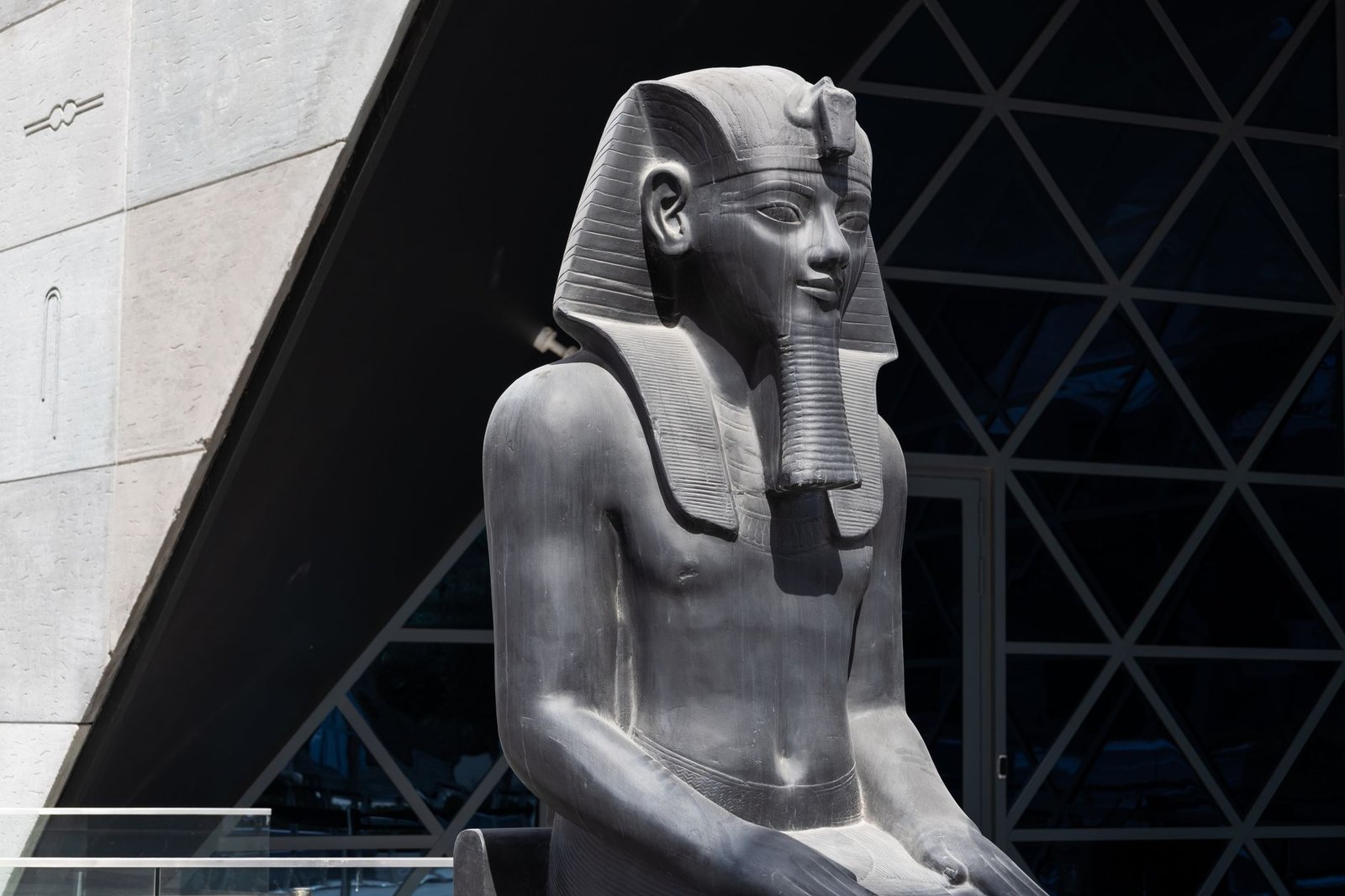
Who Is Satet in Egyptian Mythology? Role, History, and Meaning
Who is Satet in Egyptian mythology? Satet is an ancient goddess of the southern frontier, worshipped especially at Elephantine near Aswan as a guardian of the Nile, a bringer of the inundation, and a protective archer linked to purification and boundary defense. Her long history reveals how a local deity became part of the Elephantine triad with Khnum and Anuket, reflecting Egypt’s ties to Nubia and the sacred geography of Upper Egypt.
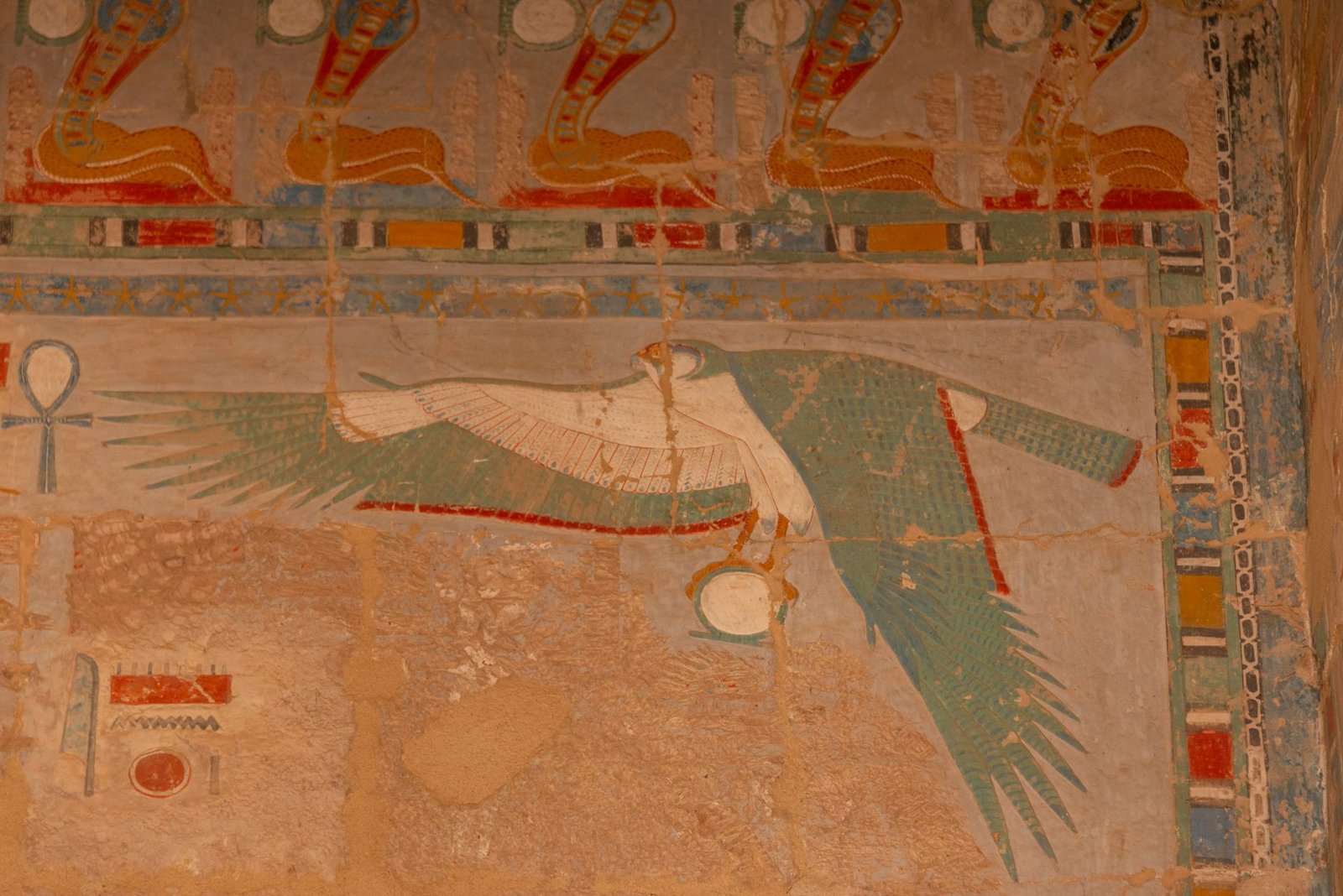
Who Is Anuket in Egyptian Mythology? Meaning and Facts
Anuket is a goddess in Egyptian mythology closely tied to the Nile, especially the southern reaches near Aswan and Elephantine, where she was revered as a protector of water, fertility, and the seasonal inundation. Understanding who is Anuket in Egyptian mythology reveals how a local river goddess could embody both the practical needs of ancient life and the sacred power Egyptians saw in nature.
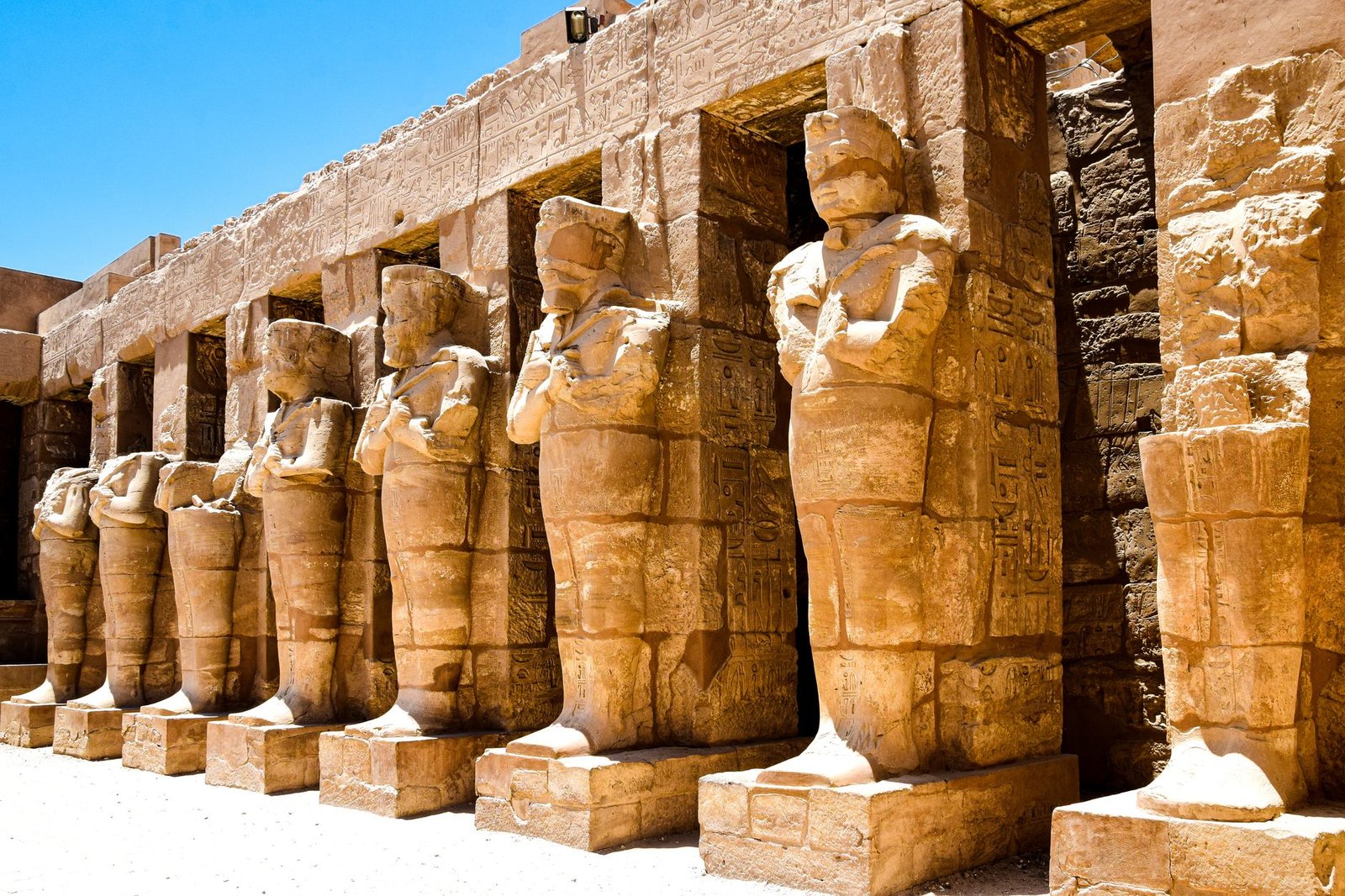
Who Is Khonsu in Egyptian Mythology? Role, Symbols, Meaning
Khonsu in Egyptian mythology is the Theban moon god, known for governing time, healing, protection, and the night sky as part of the Amun-Re-Mut-Khonsu triad. His name, often understood as “the traveler,” reflects the moon’s journey and reveals why this deity became both a celestial marker and a powerful protector whose roles evolved across ancient Egyptian religion.
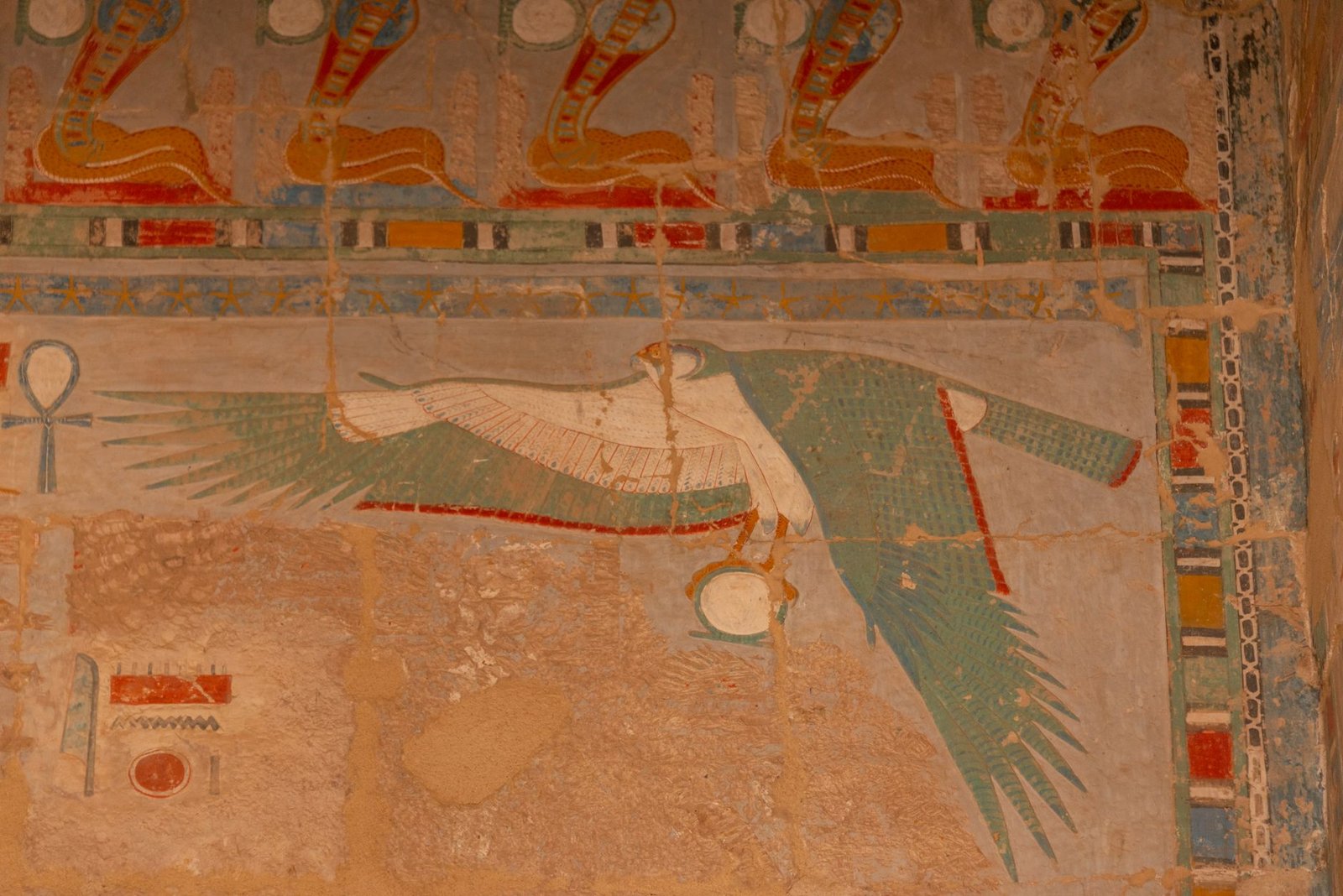
Who Is Nefertem in Egyptian Mythology? Explaining the God
Who is Nefertem in Egyptian mythology? He is the youthful lotus deity of ancient Egypt, linked to fragrance, healing, beauty, and the renewal of life, and often shown emerging from a blue lotus. This article explores his name, symbolism, and role in the Memphite triad, revealing why he mattered in creation beliefs and funerary religion.
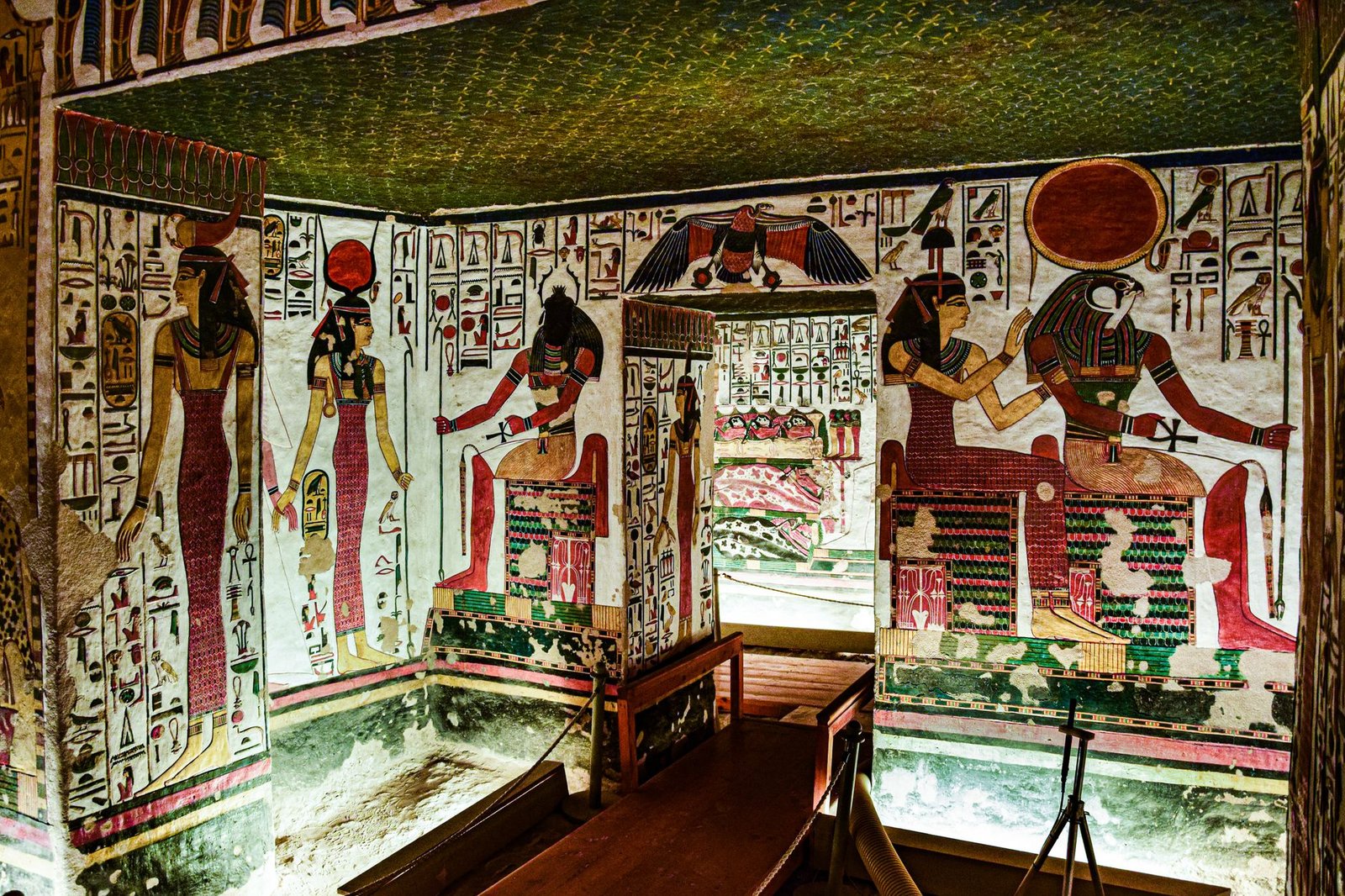
Who Is Aten in Egyptian Mythology? History and Meaning
Aten in Egyptian mythology is the sun disk itself, a solar power usually shown as a radiant disk with hands extending toward the world. Best known for its elevation under Akhenaten, Aten became the center of an extraordinary religious reform that transformed how the ancient Egyptians understood divinity, kingship, and the sun.
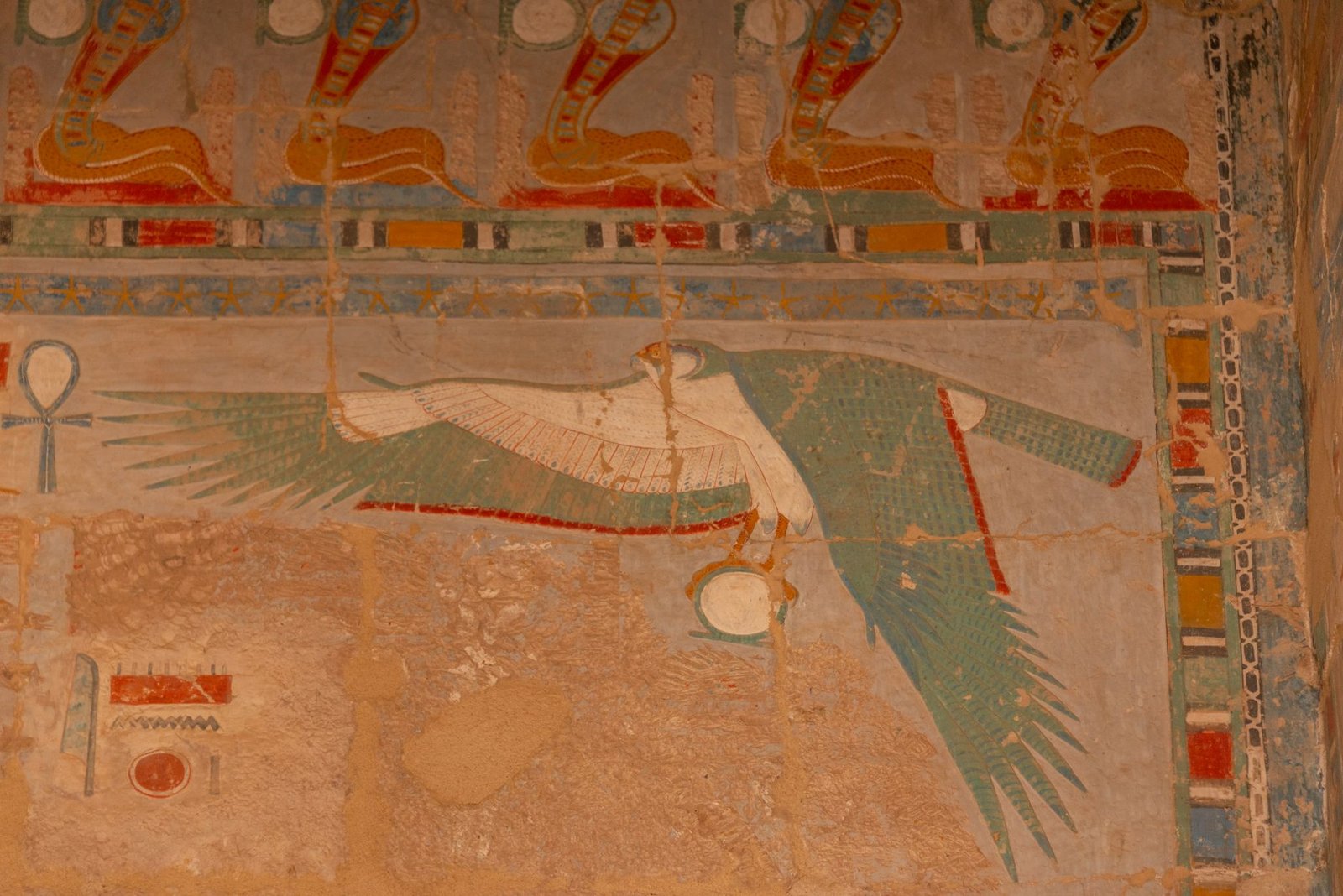
Who Is Apep in Egyptian Mythology? Meaning and Role
Apep in Egyptian mythology is the great serpent of chaos, darkness, and cosmic disruption, better known in Greek as Apophis and feared as the eternal enemy of Ra. Exploring who Apep is reveals how the ancient Egyptians explained the nightly struggle between order and disorder, and why his threat mattered so deeply to their view of the universe.