Chaos, or Khaos, is not the “god of disorder” in the modern sense. In Greek myth, Chaos is the yawning first condition of reality itself: an opening, a gap, a vast emptiness from which the ordered world could begin.
What Chaos Meant to the Ancient Greeks
The Greek word khaos did not originally mean “mess” or “mayhem.” It comes from a verb meaning to yawn open, gape, or split apart. So when people ask what does chaos mean or what is meant by chaos, the oldest Greek answer is closer to “a gaping void” than to “a riot in the streets.”
That distinction matters. If someone today asks what is chaos mean or what the meaning of chaos is, they usually picture confusion, noise, and breakdown. Greek Khaos was older and stranger than that. It was not a villain running the universe off the rails. It was the raw opening before there was a world laid out in recognizable pieces.
A useful comparison is the dark, unlit gap inside a cave before you enter it. Not the cave itself. Not the rocks or the path. Just the hollow space. Greek poets used Khaos the way a builder might speak of the open trench before the foundation is set. The trench is not “evil.” It is simply what has to exist before walls can rise.
That is why the modern habit of calling Chaos the “Greek god of chaos” is only partly right. People search who is the greek god of chaos or who is chaos in greek mythology and expect a personality like a storm-god or trickster. But who was chaos greek mythology points to something more primitive than a god with a throne, weapons, or worship. Chaos is a cosmogonic principle, a first state. In Hesiod’s Theogony — usually dated to around the late 8th or early 7th century BCE — Chaos appears at the beginning, before Earth, Tartarus, and Eros.
Chaos in Hesiod’s Theogony
Hesiod gives the cleanest and most famous version of Chaos. The opening lines of the Theogony are the cornerstone of the whole question. First came Chaos. Then came Gaia, broad-bosomed Earth; then Tartarus; then Eros, the force of desire and generation. This sequence is not random. It says that before the world had stable shape, there was an opening space, a depth, and the urge that makes union and creation possible.
In Hesiod’s Greek, Chaos is not described as a robed deity issuing commands. It is an origin point. The poem later gives Chaos offspring: Erebos and Nyx, Darkness and Night. From them come Aither and Hemera, Bright Air and Day. That genealogy tells you how Hesiod thinks the cosmos works. From the first gap come darkness and night; from darkness and night come the conditions that allow visible, bounded reality to exist.
This is why the question what is the god chaos the god of in mythology needs a careful answer. If by “god” you mean a personal divine ruler like Zeus, then Chaos is not really that. If by “god” you mean a primordial divine reality from which things emerge, then yes, Chaos fits. Ancient Greek sources do not treat Chaos as a cult deity with temples and sacrifices. It is a primordial being or state, depending on the text.
Hesiod’s version is especially important because it shaped later Greek and Roman thinking. But even in Hesiod, Chaos is not “everything being mixed up.” It is the interval from which differentiation begins.
Who Chaos Is in Greek Mythology
So, who is chaos in greek mythology? The short answer: Chaos is the opening condition before the structured cosmos. The longer answer depends on the source.
In the Theogony, Chaos is first. In later philosophical readings, Chaos can become a more abstract metaphysical gap. In Roman authors, the term may shift closer to formless matter or the unarticulated mass before order. But the core image remains the same: something open, unfilled, and generative.
If you ask what is chaos in mythic terms, think of a blank sheet before the first line is drawn. But that analogy still falls short. A blank sheet already presumes the sheet exists. Chaos is even earlier: the possibility of separation, distance, and emergence. It is the space in which things can stand apart from each other.
That is why it is misleading to flatten Chaos into “the chaos god” in the modern fantasy sense. Who is the god of chaos? In Greek myth, there is no single standard deity with that exact role comparable to Ares as war or Poseidon as the sea. Later traditions sometimes emphasize more disruptive figures — Eris for strife, Typhon for monstrous upheaval — but Chaos itself stands behind them. It is not the same thing as conflict.
How Chaos Differs from Modern Chaos
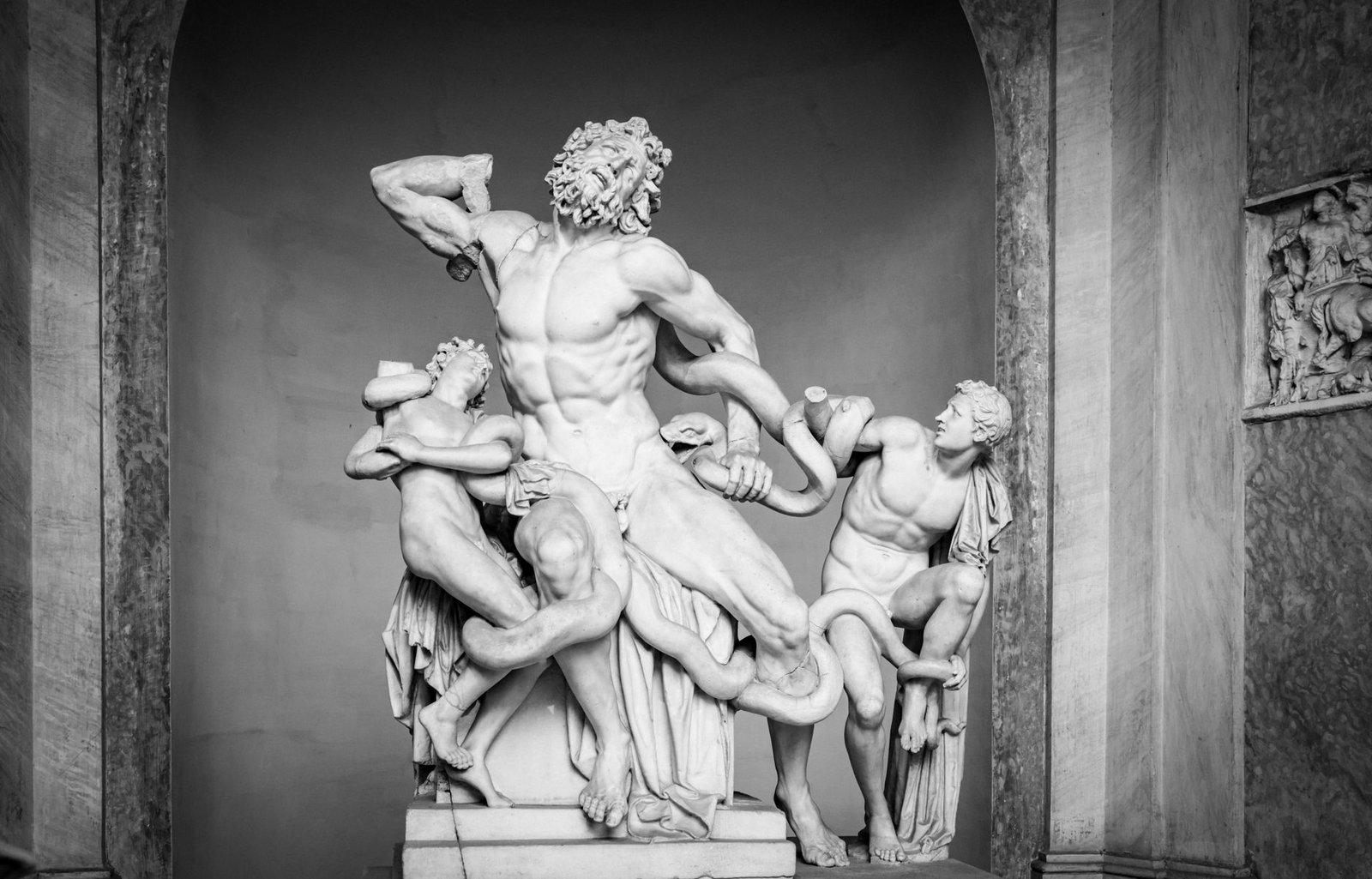
Modern English uses “chaos” to mean disorder, confusion, or a situation that has gone off the rails. A classroom after a surprise fire drill. A city after a blackout. A kitchen after three people try to cook at once. That is what many readers mean when they ask what do you mean by chaos or what is the chaos. Ancient Greek Khaos is not that.
The ancient idea is better pictured as a structure that has not yet been built. Disorder still assumes order as the norm it has failed to match. Chaos, in Hesiod, comes before that contrast even exists.
This is why scholars often stress that translating khaos as “chaos” in the modern sense can be deceptive. The same word survives, but the meaning drifts over time. By the Classical period and especially later, Greek and Latin authors could use related ideas more loosely. Still, the Hesiodic Chaos is not a hurricane of random events. It is the abyssal opening of the cosmos.
That also answers what is the meaning of chaos in myth better than a dictionary definition can. The meaning is not “mess.” It is “gap,” “opening,” “chasm,” “the first space in which creation can happen.”
Chaos, Gaia, Tartarus, and Eros
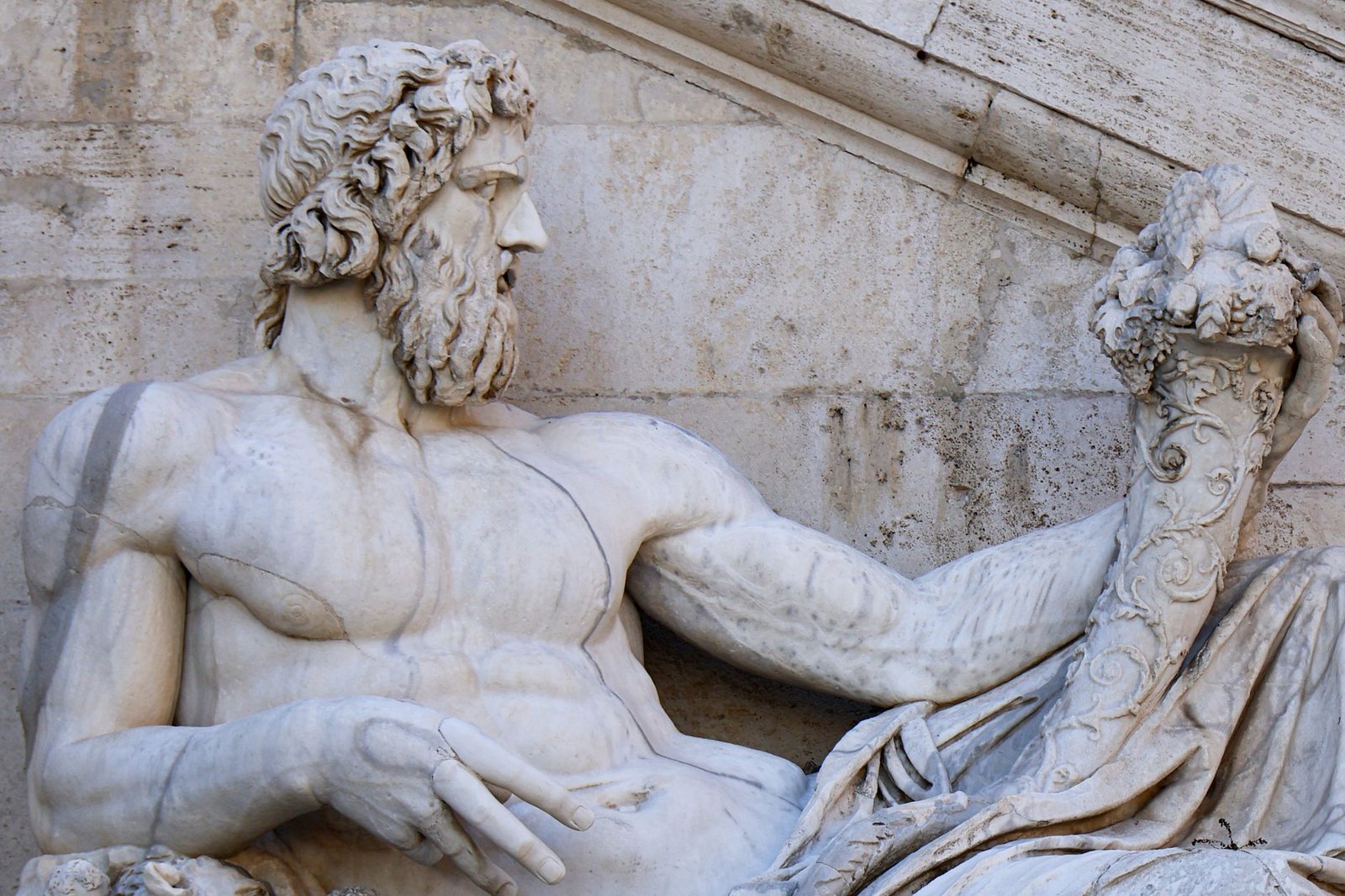
Hesiod’s opening sequence is often read too casually, as if the first few divine names were simply listed. They are actually a map.
Chaos comes first. Then Gaia, Earth, who gives solidity and support. Then Tartarus, the deep underworld abyss, below even the ground. Then Eros, the power of attraction and generation.
That order is revealing. Earth without an opening is just a closed mass. Eros without space to operate cannot connect anything. Tartarus without depth is meaningless. Chaos makes the other primordial powers possible by creating the first separation. Think of it as the gap between stage and curtain before the play begins. Without that gap, nothing can appear.
This is also why Chaos is not simply “negative.” Greek cosmogony often works through contrasts: open and bounded, dark and light, below and above, stillness and motion. Chaos belongs to the first side of the divide, but without it there would be no divide at all.
Later Greek and Roman Interpretations
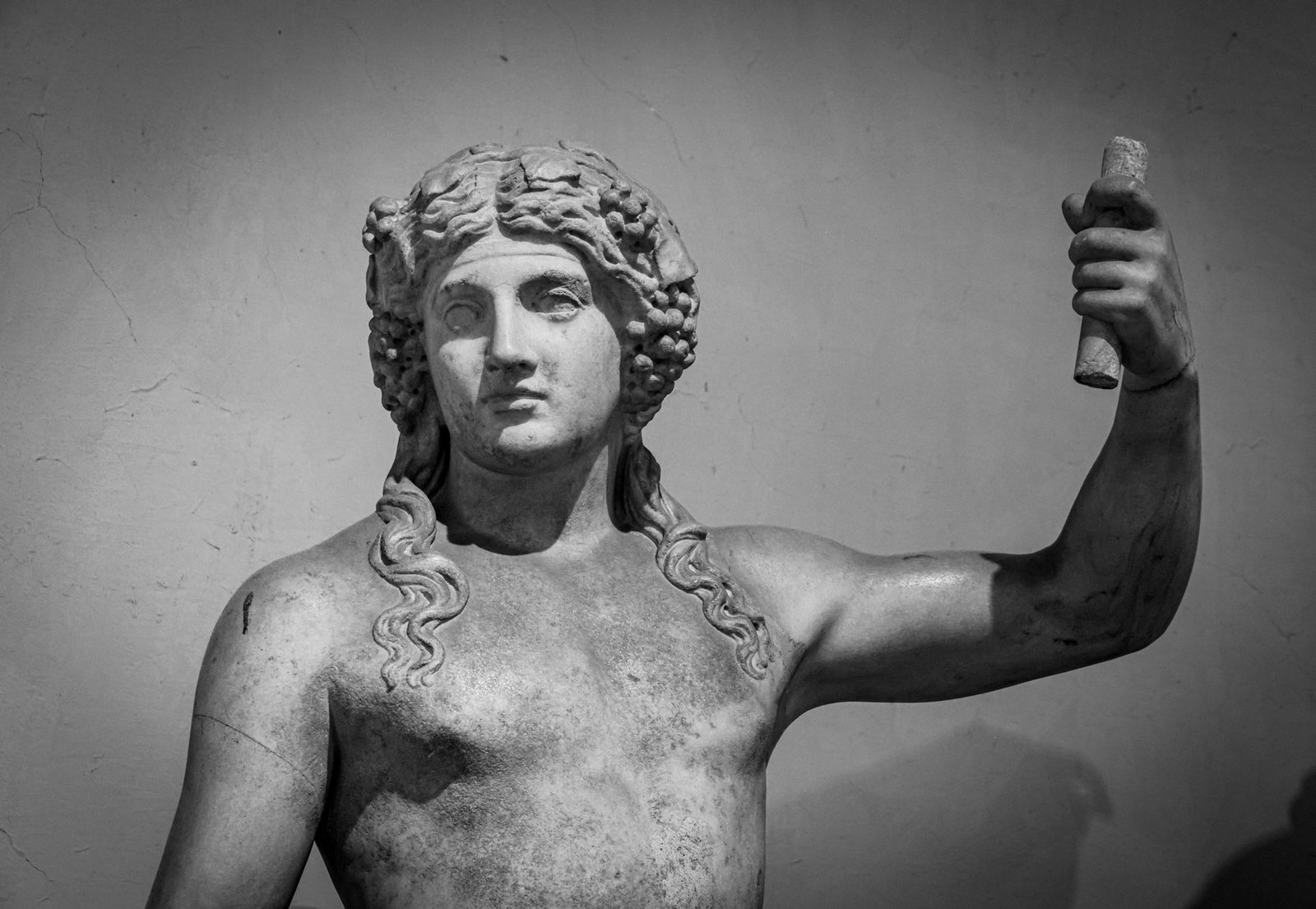
After Hesiod, the idea of Chaos changed shape. By the Hellenistic and Roman periods, writers could reinterpret the term through philosophy, theology, and poetry.
Ovid, writing the Metamorphoses around 8 CE, gives a famous Roman version: before the ordered world existed, there was a crude, undifferentiated mass, “a rude and undeveloped bulk” containing conflicting elements. That is not identical to Hesiod’s first opening, but it shows how the concept moved toward a more material idea of formlessness. Ovid’s Chaos is almost like a workshop before the tools are sorted: everything present, nothing yet arranged.
Philosophers also pushed the concept in new directions. In some traditions, especially when Greek cosmology interacted with broader speculation about matter and form, Chaos could be treated less as a deity and more as primeval substance or as the absence of arrangement. The key point is that later authors often read Chaos as a state of mixed potential rather than a personified being.
That is why the question what are chaos is awkward in English but useful as a clue to how the term developed. In mythic language, Chaos can be one primordial being. In philosophical language, it can become a condition or principle. The ancient evidence favors both readings, depending on the author, but Hesiod’s version is the foundational one.
Was Chaos Worshiped Like a God?
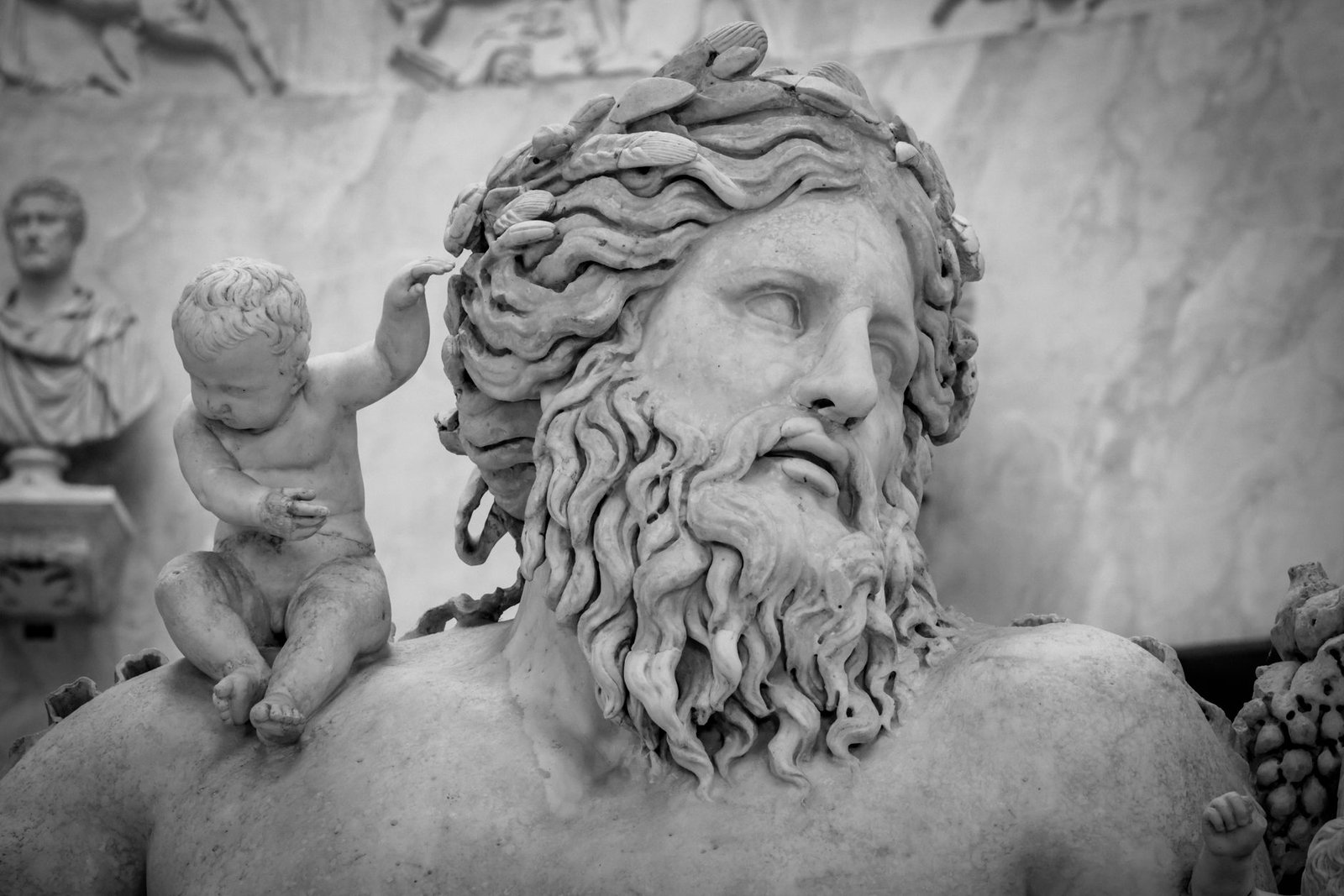
There is no solid evidence that Chaos had a widespread cult in the way Zeus, Athena, Apollo, or Demeter did. No major panhellenic temple complex is associated with Chaos. No famous calendar of sacrifices centers on Khaos. That is a major clue.
So when someone asks who is the god of chaos in Greek religion, the answer is not straightforward because Chaos was not a civic god in the usual sense. It was not the sort of deity people prayed to for harvests, victory, rain, or protection. It belongs to cosmogony, the story of beginnings, not to everyday cult practice.
This matters because ancient Greek religion was not one big uniform system. It had local cults, family rites, city festivals, and epic traditions. A figure could be enormously important in myth without being central in worship. Chaos is one of those figures.
Chaos Across Greek Tradition
Hesiod is not the only voice, but he is the loudest and earliest surviving one. Later poets and thinkers expand, revise, or allude to Chaos in ways that show the concept had become flexible.
In some Orphic materials and later cosmological speculation, the beginning may involve a cosmic egg or another primal source instead of Hesiod’s sequence. That does not erase Chaos; it shows that Greek myth was never a single locked canon. Different communities and authors asked different questions about beginnings.
The question what is chaos therefore has more than one ancient answer. For Hesiod, it is the first opening. For Ovid, it is the unshaped bulk before the world is sorted. For philosophers, it may become a concept about matter, space, or indeterminacy. The weight of evidence suggests that the earliest and most specifically Greek mythic meaning is “gap” or “chasm,” not “random disorder.”
That interpretive point is important because modern readers often back-project the contemporary sense of chaos onto the past. Ancient Greek Khaos is the ancestor of our word, but not its twin.
Why Chaos Still Feels Powerful
Chaos has lasted in the imagination because it names something people recognize but rarely manage to describe cleanly. Before any system exists, there is uncertainty. Before a house is built, there is an empty lot. Before a story is told, there is silence. Before a world is ordered, there is the unformed opening from which form can emerge.
That is what is the god chaos the god of in mythology at its deepest level: not destruction for its own sake, but the condition from which structure, separation, and identity become possible.
So if you ask who was chaos greek mythology, the best answer is this: Chaos was the first yawning reality in Greek cosmogony, a primordial opening rather than a rebel deity. It is the gap before the world, the void that is not empty in a simple sense, and the origin from which Earth, Night, and the rest of the divine order could come into being. Hesiod placed Chaos at the beginning for a reason. Without the opening, nothing else can enter.

Kaiqui Damasceno is a writer and mythology researcher dedicated to exploring the legends, beliefs, and traditions of ancient civilizations. Through engaging and well-researched content, he aims to make mythology accessible to modern readers while highlighting its lasting influence on history, literature, and culture.