ancient Celtic religion
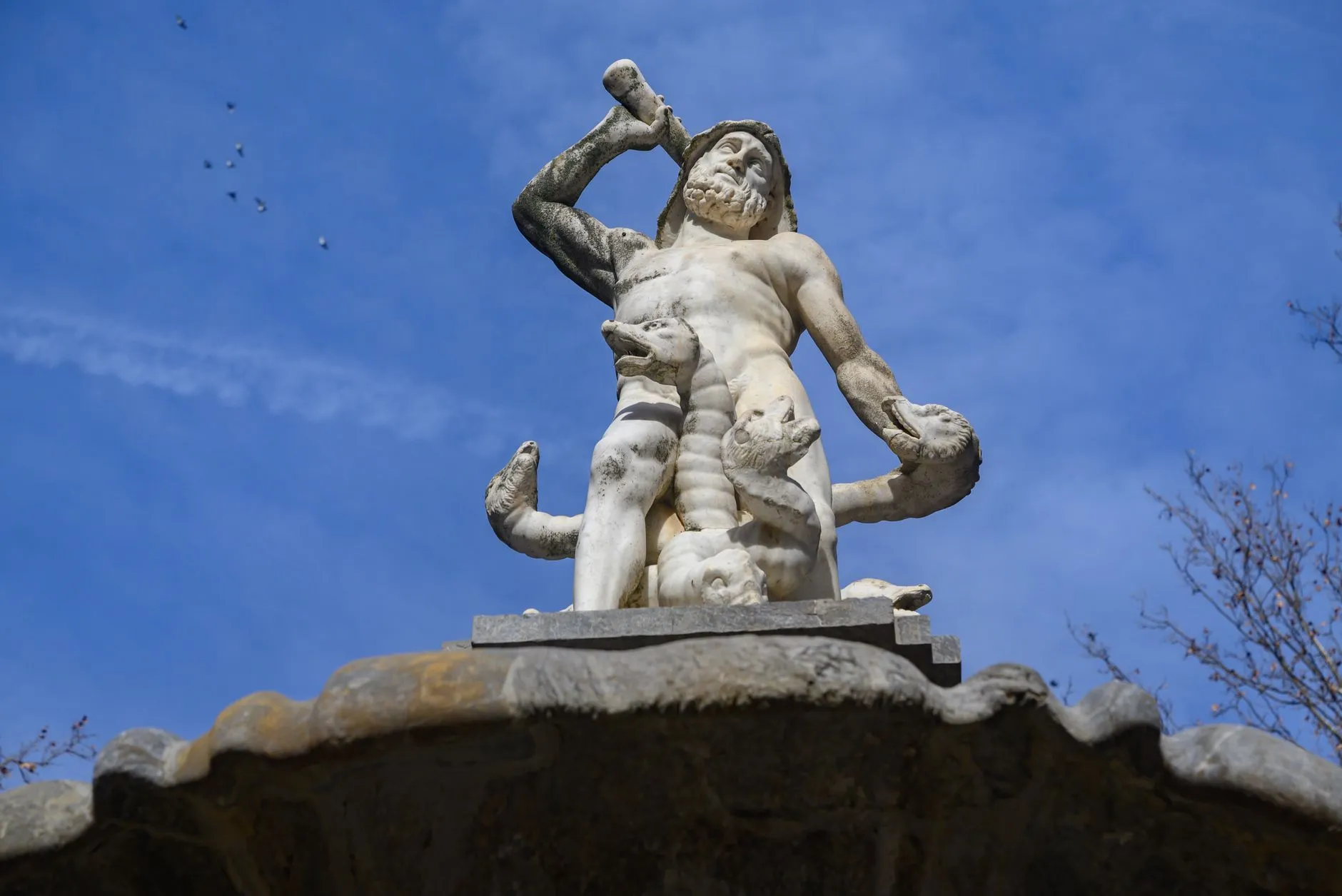
Balor: Meaning, Origin, and Mythology Explained
Balor is a central figure in Irish mythology, a fearsome Fomorian giant whose destructive power and deadly eye make him one of the Tuatha Dé Danann’s most dangerous foes. His role in the Cath Maige Tuired, where he is ultimately defeated by his grandson Lugh, reveals enduring themes of prophecy, conflict, and the triumph of cunning over overwhelming force.
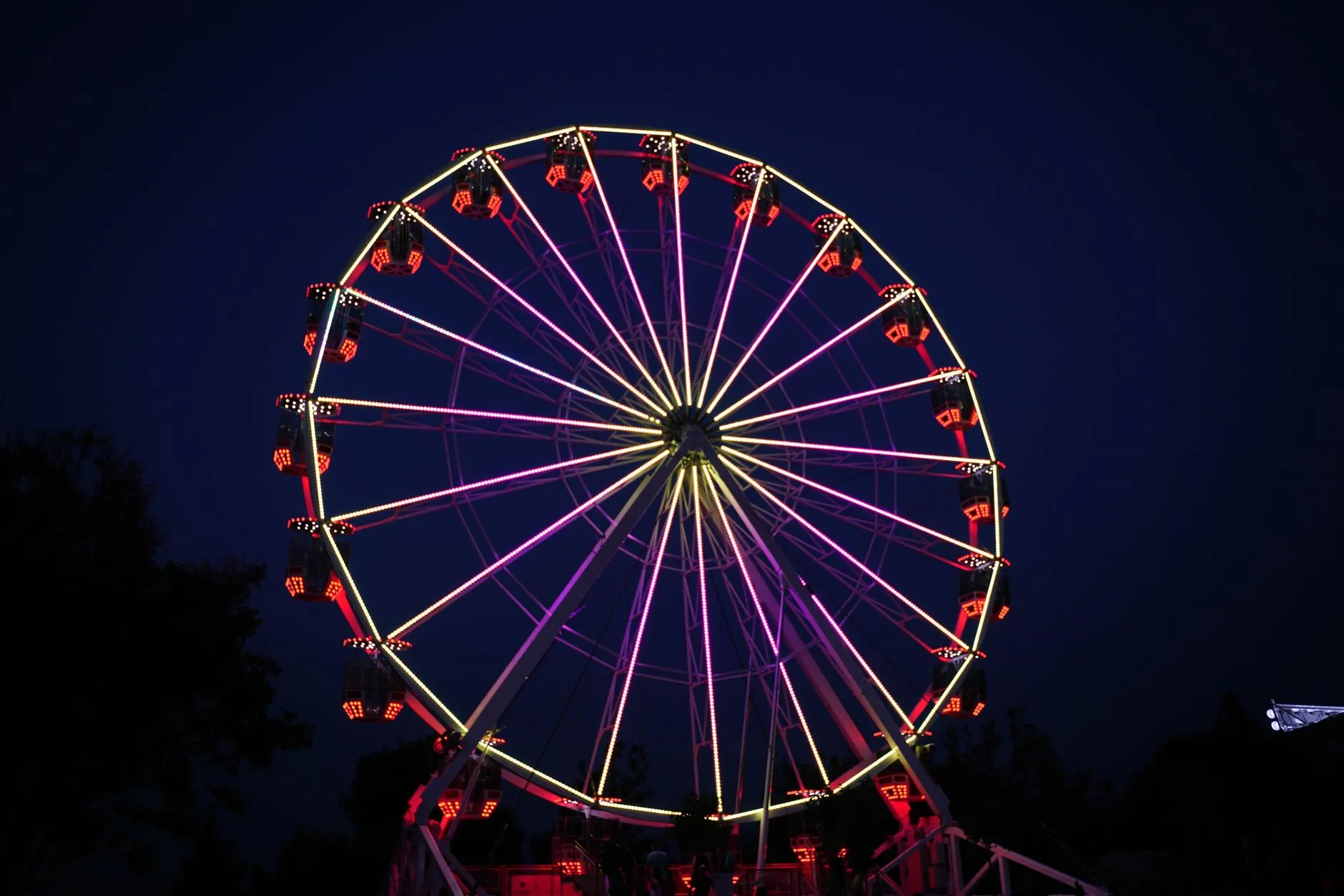
Wheel of Taranis: Celtic Symbol and Mythology Explained
The Wheel of Taranis is a distinctive symbol linked to the Celtic thunder god Taranis, appearing in Roman-era inscriptions, reliefs, coins, and ritual objects across Iron Age Europe. Its precise meaning remains debated, but the motif offers a revealing glimpse into how ancient communities connected storm power, solar imagery, and divine authority.
Is the Awen an Authentic Ancient Celtic Symbol?
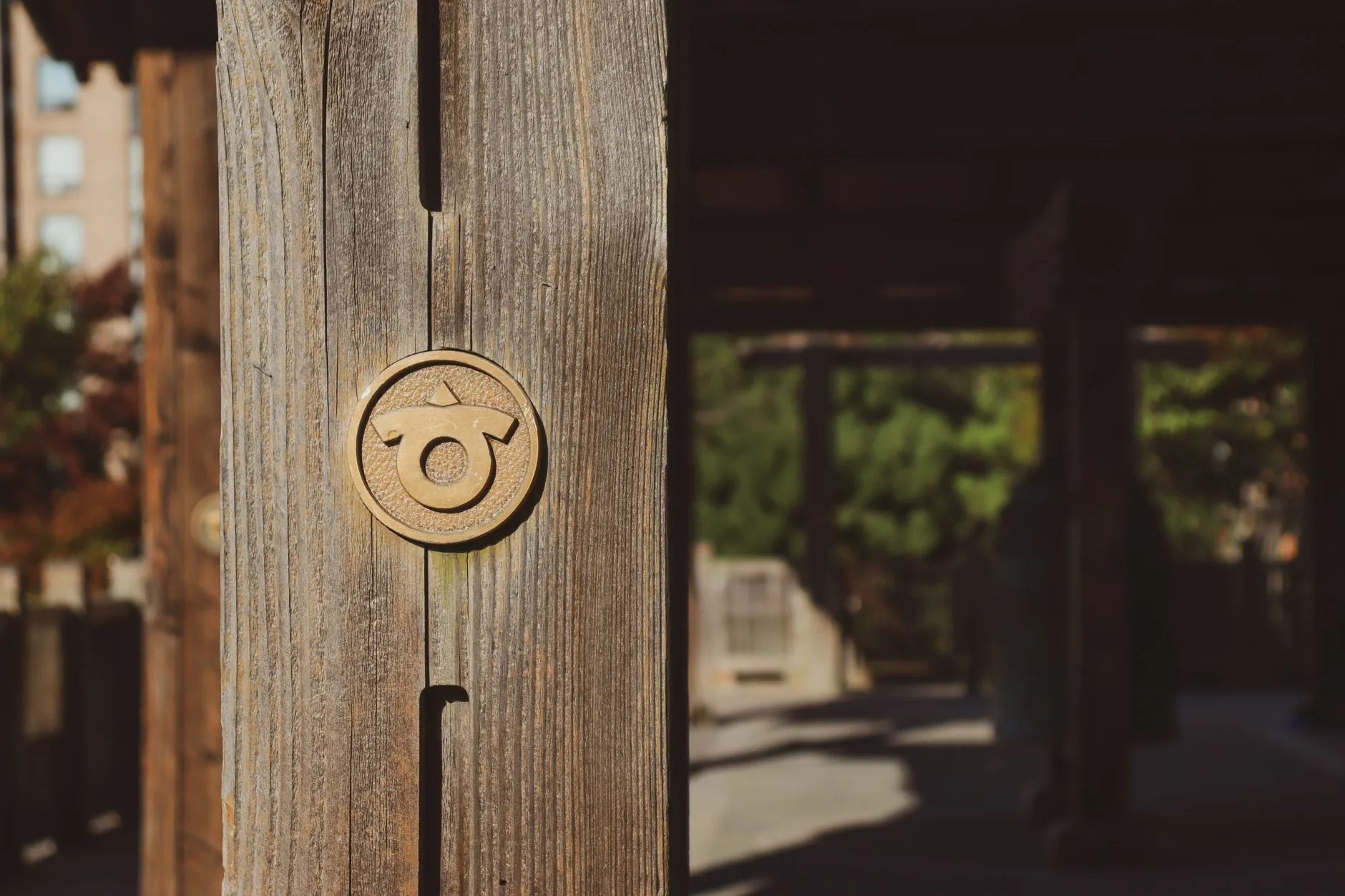
The question of whether the Awen is an authentic ancient Celtic symbol depends on whether one means the underlying idea of inspired insight or the modern emblem itself. Rooted in Welsh literary tradition and later revived by Druidic and pagan movements, the Awen blends genuine historical concepts with a symbol whose present form is far less securely ancient than many assume.
Nuada: Irish Mythology’s Legendary High King
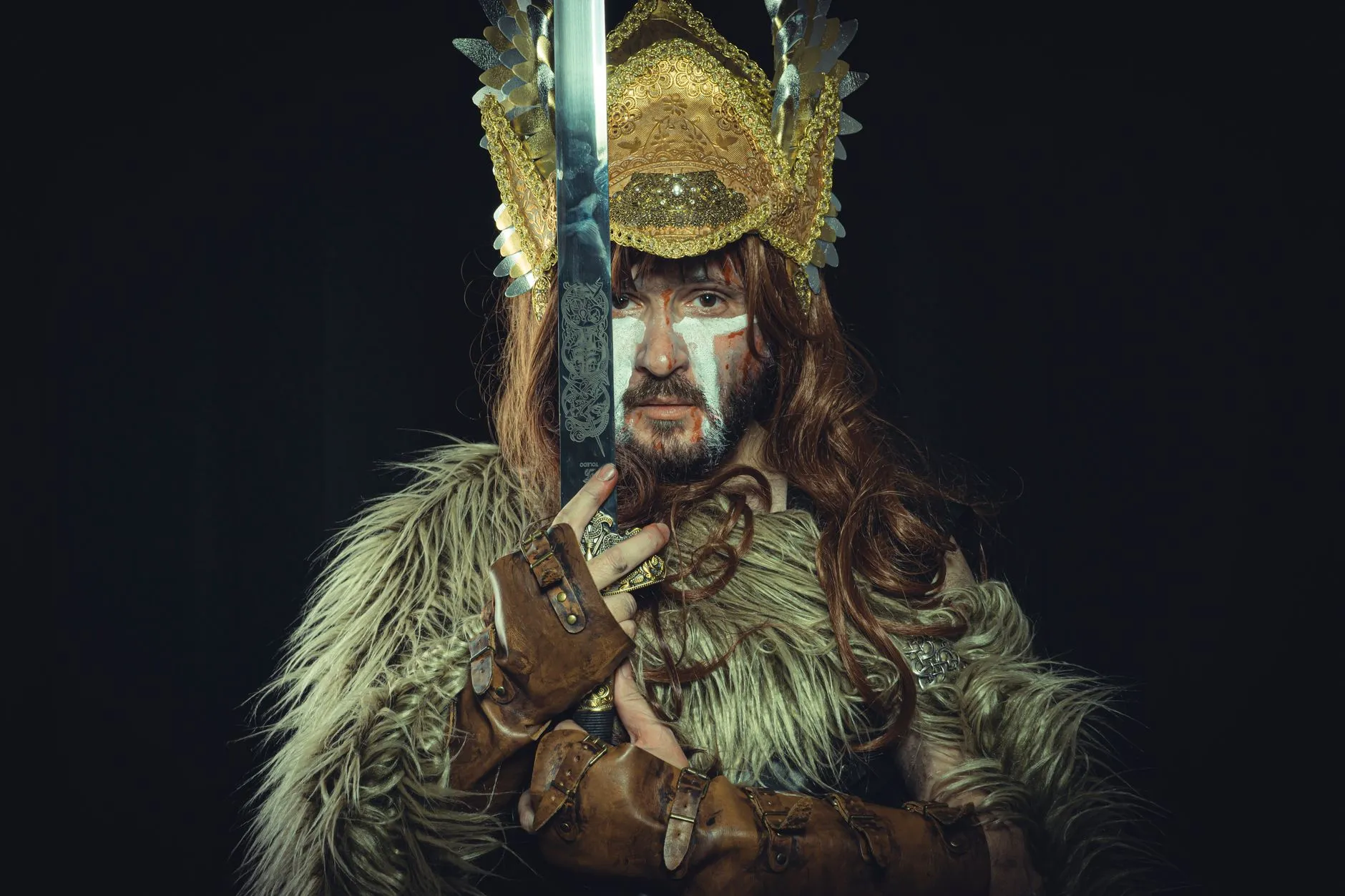
Nuada is a central figure in Irish mythology, celebrated as king of the Tuatha Dé Danann and a ruler whose right to govern depends on honor, wholeness, and legitimacy. Best known as Nuada Airgetlám, or “Nuada of the Silver Hand,” he appears in key medieval texts in stories of battle, healing, and the restoration of rightful kingship.
Macha: Meaning, Origins, and Cultural Significance
Macha is a layered figure in Irish mythology, associated with sovereignty, war, fertility, horses, and the land of Ulster. Exploring her many forms in medieval sources reveals how pre-Christian tradition, kingship, and legendary history were woven together in early Irish literature.

Lugh: Celtic God of Light, Skill, and Kingship
Lugh is a central figure in Irish mythology, celebrated as a warrior, craftsman, sovereign deity, and master of many skills. This excerpt traces his role in the Second Battle of Mag Tuired, the debated origins of his name, and his enduring presence in traditions such as Lughnasadh, revealing why his mythic importance extends beyond any single divine function.
How Many Celtic Gods Are There? Complete Guide
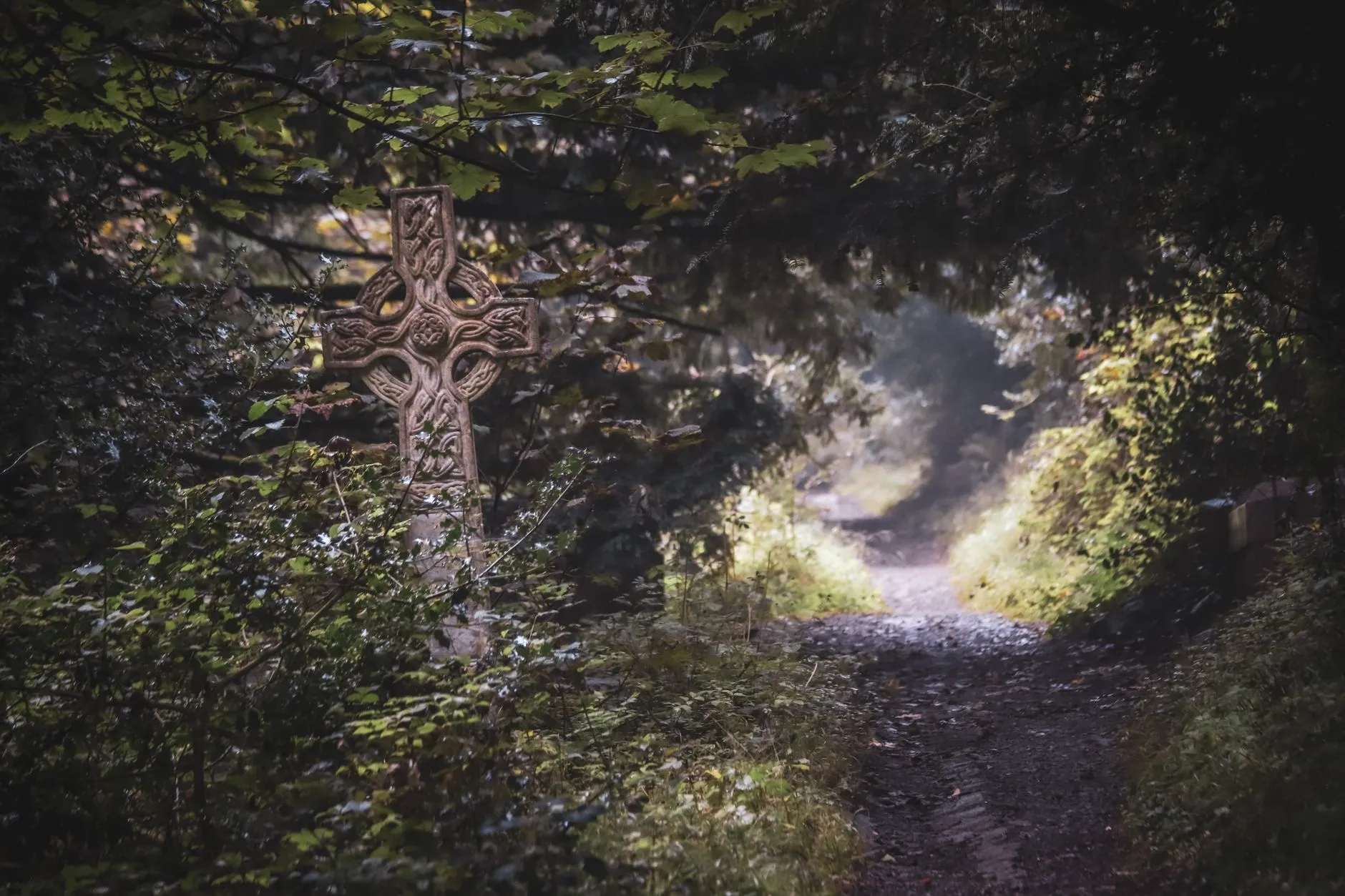
How many Celtic gods are there? The answer is not fixed, because Celtic religion was never preserved in a single canon; instead, scattered inscriptions, manuscripts, archaeology, and folklore reveal dozens, perhaps hundreds, of regional and local deities. This article explains why the number is so elusive and what the surviving evidence reveals about Celtic belief.
Irish vs Welsh Celtic Mythology: Key Differences Explained
Irish vs Welsh Celtic mythology compares two closely related yet distinct traditions preserved in medieval Irish and Welsh literature, each shaped by different historical and Christianizing contexts. Their stories share Celtic themes of the Otherworld, sacred kingship, and supernatural conflict, while revealing striking differences in narrative style, heroes, and the cultural world they reflect.
Goibniu: Irish Mythology’s Smith God and Craftsman
Goibniu is a central figure in Irish mythology, renowned as the divine smith of the Tuatha Dé Danann and a master of metalwork, healing, and ritual hospitality. His scattered appearances in medieval sources hint at a richer tradition, inviting readers to explore how craftsmanship and supernatural power intertwined in early Irish belief.
Chief God in Celtic Mythology: Who Is the Main Deity?
The question of who is the chief god in Celtic mythology has no single answer, since Celtic religion varied across Ireland, Britain, Gaul, and other regions. This article examines the Dagda, often seen as the leading god in Irish tradition, and Lugus or Lug, a major candidate for a pan-Celtic high god, to show how divine authority was understood in different Celtic worlds.